
- Introduction to Injera
- Key Ingredients for Making Injera
- Recipe 1: Doro Wat (Spicy Chicken Stew)
- Recipe 2: Misir Wat (Spicy Lentil Stew)
- Recipe 3: Shiro (Chickpea Stew)
- Recipe 4: Gomen (Collard Greens)
- Recipe 5: Atayef (Ethiopian Pancakes)
- Serving and Enjoying Injera
- Storage and Leftover Tips
- Conclusion and Encouragement to Experiment
Introduction to Injera
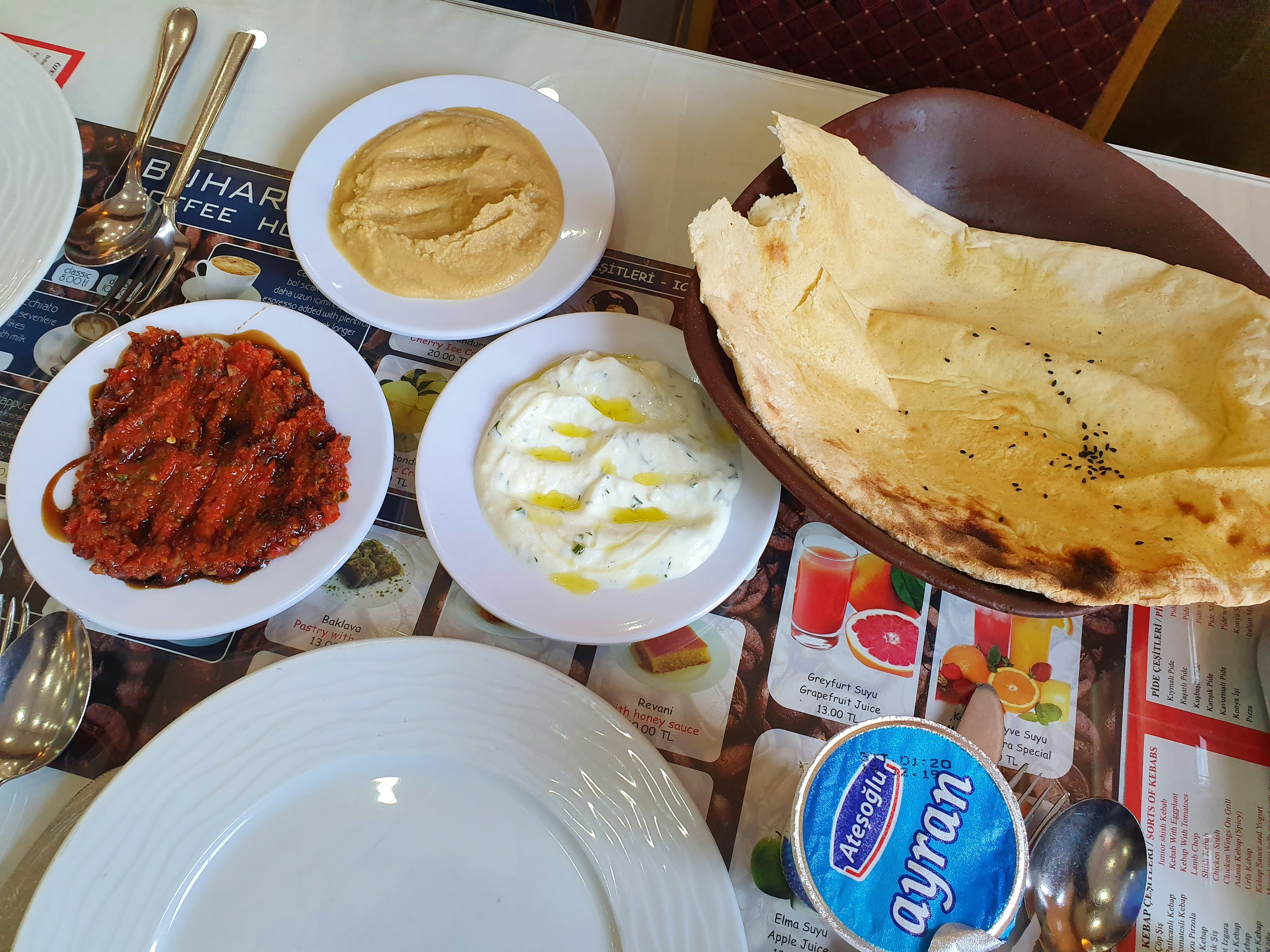
Injera is a traditional Ethiopian flatbread, cherished not only for its unique flavor and texture but also for its central role in Ethiopian cuisine. Made primarily from teff flour, injera is gluten-free and rich in protein and fiber, making it a nutritious option for many. Its distinctive sourdough nature results from the fermentation process, yielding a slightly tangy taste that pairs harmoniously with various Ethiopian dishes.
As a staple food in Ethiopian households, injera serves as both a plate and a utensil during meals. Typically, it is used to scoop up meats, vegetables, and stews, making the dining experience both communal and interactive. In many Ethiopian dining traditions, injera is spread over a large platter, topped with an array of colorful dishes known as wat. This practice emphasizes sharing and cooperation, reflecting the importance of community in Ethiopian culture.
Texture-wise, injera is soft, porous, and spongy, characteristics that allow it to absorb the flavors from the accompanying dishes. Each bite offers a burst of taste, as the injera interacts with various spices and ingredients. The combination of its savory and slightly sour notes makes injera an essential component of any meal. In addition to being served at home, injera is often found in restaurants, where it attracts those eager to experience authentic Ethiopian dining.
Beyond its culinary uses, injera also holds cultural significance, symbolizing hospitality and friendship. The act of sharing injera embodies connection, often served during important occasions such as weddings and festivals, further showcasing its pivotal role in Ethiopian society. Overall, injera is more than just a food item; it is a representation of the rich cultural heritage and vibrant traditions of Ethiopia.
Key Ingredients for Making Injera
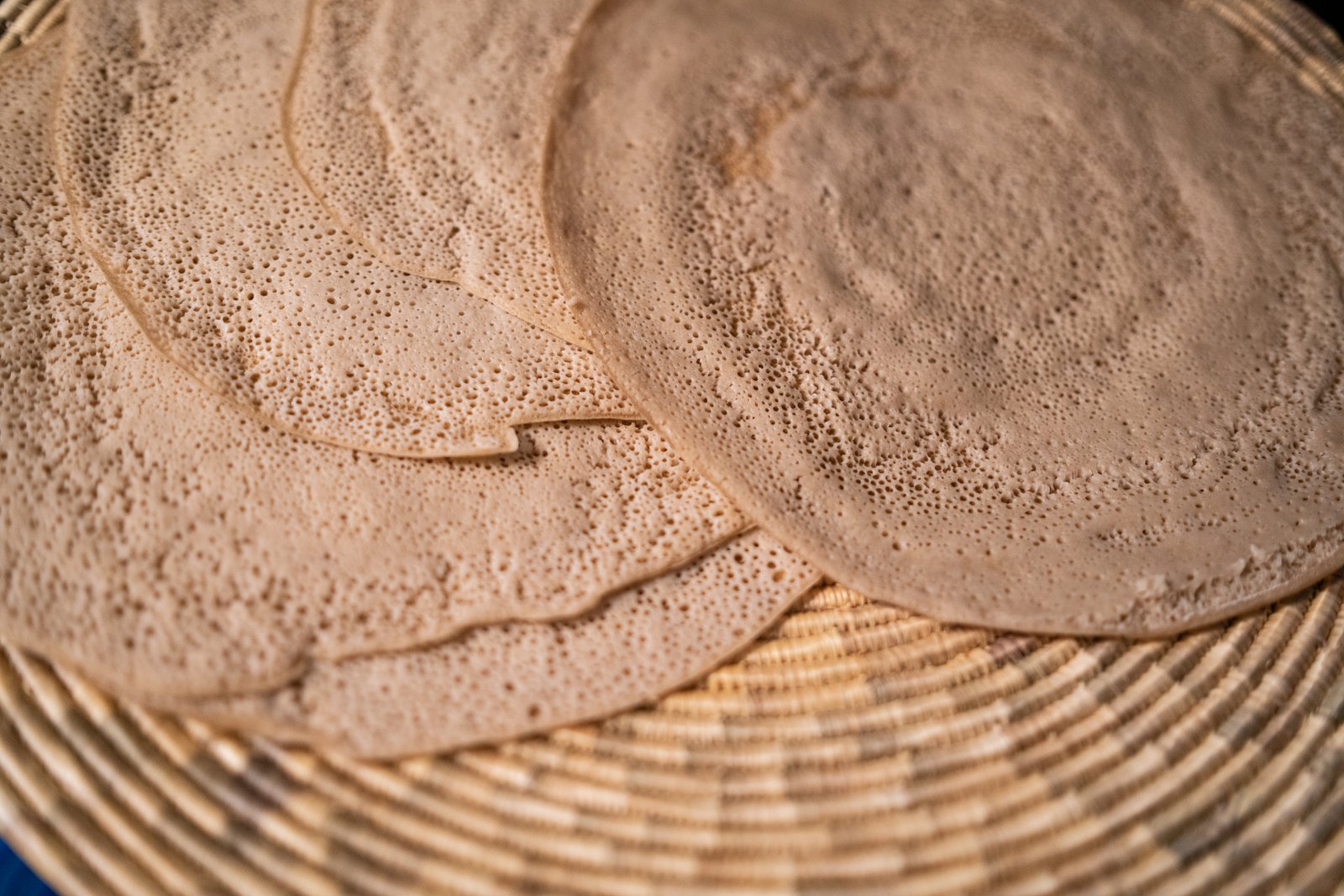
Injera, an integral part of Ethiopian cuisine, is primarily made from teff flour, a gluten-free grain cultivated in the highlands of Ethiopia. Teff flour is known for its distinctive earthy flavor and is packed with essential nutrients, making it a healthy choice for those looking to incorporate more wholesome ingredients into their diet. It is rich in protein, dietary fiber, calcium, and iron, thus contributing significantly to overall health.
To create a traditional injera, the first and foremost ingredient is teff flour. However, the type of flour can significantly affect the texture and taste of the final product. Therefore, it is essential to source high-quality teff flour, preferably from reputable suppliers or specialty stores that offer organic options. For those unable to find teff flour, alternatives such as whole wheat flour or barley flour can be experimented with, but it is crucial to note that these substitutions will alter the authentic flavor and texture that teff provides.
In addition to teff flour, several other ingredients are necessary for injera preparation. Water is required for mixing the flour to form a batter, while salt adds to the overall flavor profile. A fermentation starter is also essential; this can be as simple as allowing the batter to rest and ferment naturally at room temperature for a couple of days, which enhances the taste and gives injera its characteristic tang. Maintaining proper fermentation is crucial, as it affects the final texture and taste of the injera.
Using fresh ingredients and adhering to fermentation techniques are vital steps for achieving that traditional injera texture and flavor. By following these guidelines and utilizing high-quality teff flour, one can enjoy the tantalizing experience of homemade injera that is both delicious and nutritious.
Recipe 1: Doro Wat (Spicy Chicken Stew)
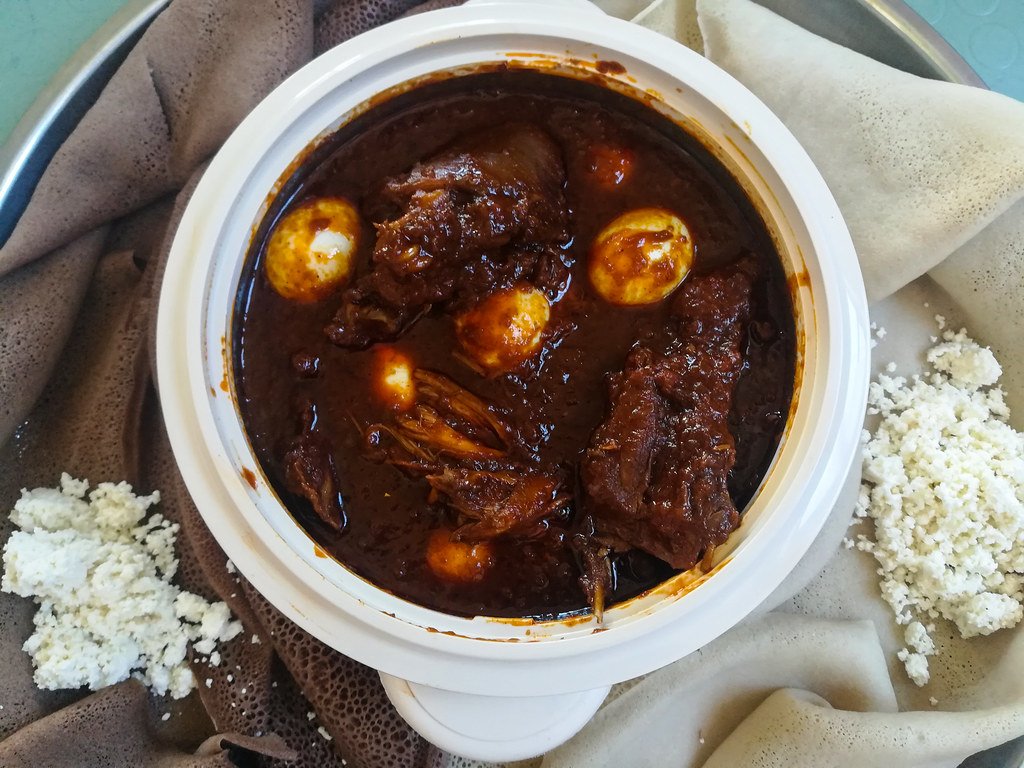
Doro Wat, a traditional Ethiopian spicy chicken stew, is a favorite dish that brings the vibrant flavors of Ethiopian cuisine into your home. This recipe serves as an excellent accompaniment to injera, the spongy flatbread that’s essential for scooping up the stew. To make Doro Wat, you will need chicken (preferably bone-in pieces for richer flavor), onions, garlic, ginger, and an array of spices, specifically berbere—a key ingredient that provides the dish with its characteristic heat and depth.
To begin, finely chop about four medium-sized onions and sauté them in a large pot with vegetable oil over medium heat. Stir regularly to avoid burning. This process can take up to 30 minutes until the onions turn a golden brown color, which will enhance the overall flavor of the stew. Next, incorporate minced garlic (four cloves) and grated fresh ginger (about one tablespoon) into the pot. Cook for an additional five minutes, allowing the aromatic ingredients to meld together.
Once your base is ready, add approximately two tablespoons of berbere spice, along with salt to taste, stirring the mixture until well combined. The berbere not only provides the essential heat but also has a complex blend of flavors that includes garlic, ginger, and various other spices. After this, step in the chicken pieces, coating them thoroughly with the mixture. It is crucial to sear the chicken slightly to lock in juices before adding water or chicken broth to cover the meat.
Bring the stew to a gentle simmer, letting it cook for about 45 minutes to an hour, or until the chicken is tender and the sauce thickens to your desired consistency. Stir occasionally to prevent sticking and check the seasoning, adjusting as needed for taste. For an authentic touch, consider adding whole boiled eggs for a more traditional presentation. With its rich, complex flavors, Doro Wat is a delicious centerpiece that will surely elevate your injera experience.
Recipe 2: Misir Wat (Spicy Lentil Stew)
Misir Wat is a traditional Ethiopian dish known for its vibrant flavors and hearty texture. This vegan-friendly stew is primarily made with red lentils, which are not only rich in protein but also provide an excellent source of fiber. To prepare this staple dish, you will need the following ingredients:
- 1 cup of red lentils
- 1 large onion, finely chopped
- 4 cloves of garlic, minced
- 2 tablespoons of berbere spice blend
- 1 tablespoon of vegetable oil
- 3 cups of vegetable broth or water
- Salt to taste
To begin cooking Misir Wat, first heat the vegetable oil in a large pot over medium heat. Add the finely chopped onions and sauté until they turn translucent, which usually takes about 5-7 minutes. Next, stir in the minced garlic and berbere spice, allowing the mixture to simmer for another 2-3 minutes. This step is essential, as it allows the spices to release their flavors into the oil.
Once the onions and spices are aromatic, rinse the red lentils under cold water and add them to the pot, stirring well to combine. Pour in the vegetable broth or water, bringing the mixture to a boil. Once it reaches a boil, reduce the heat to low, cover the pot, and let it simmer for approximately 20-25 minutes. During this time, the lentils will absorb the liquids and soften, forming a thick, stew-like consistency. If you prefer a spicier dish, consider adjusting the amount of berbere spice according to your taste. For a milder version, you can reduce the quantity or even mix in a bit of paprika for a different flavor profile.
Finally, season the stew with salt to taste. Misir Wat is best served warm, typically accompanied by injera, the Ethiopian flatbread that is perfect for scooping up the lentil stew. The unique combination of spices and textures makes Misir Wat a delightful addition to your at-home Ethiopian culinary experience.
Recipe 3: Shiro (Chickpea Stew)
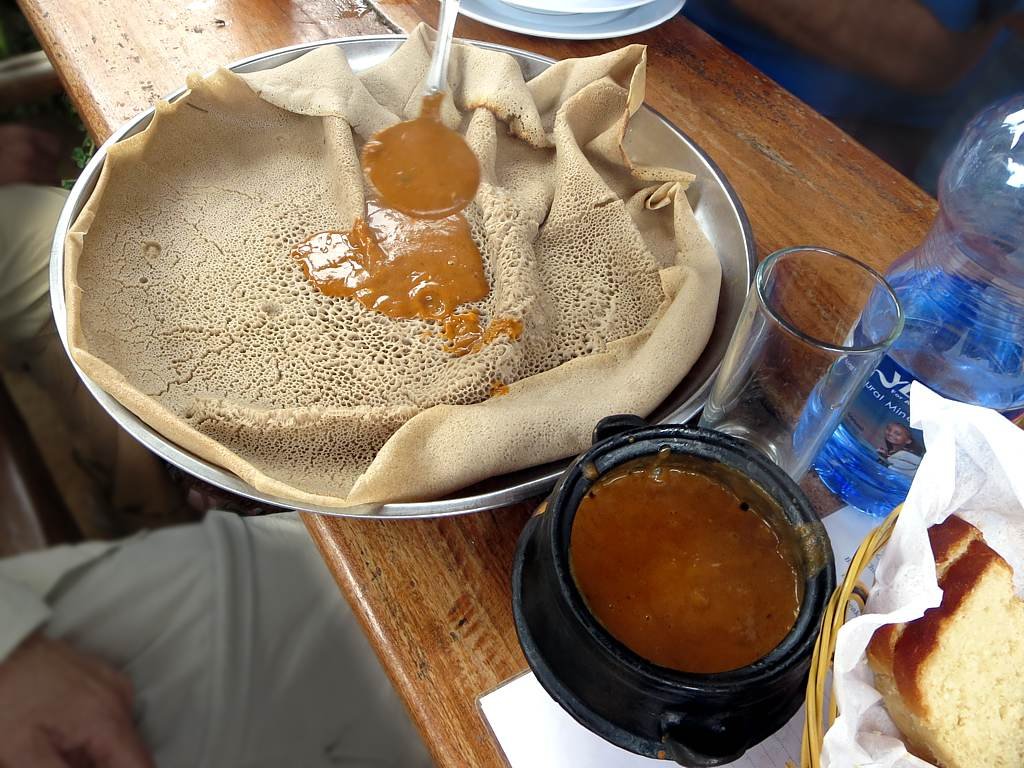
Shiro is a beloved staple in Ethiopian cuisine, particularly enjoyed for its rich flavor and comforting texture. This chickpea stew is made using ground chickpeas and can be served generously atop injera, making it a delightful addition to your meal. The following recipe will guide you through preparing this delicious dish, highlighting its traditional spices and cooking methods.
To begin, you will need the following ingredients: 2 cups of finely ground chickpeas, 1 medium onion, 2 cloves of garlic, 1 teaspoon of ginger, 2 tablespoons of berbere spice, and 4 cups of water. Optional ingredients can include vegetable oil for sautéing and fresh herbs such as cilantro or parsley for garnishing. Start by finely chopping the onion and mincing the garlic and ginger. In a large pot, heat oil over medium heat and add the onions, stirring until they become translucent.
Next, incorporate the minced garlic and ginger, cooking for another minute to release their aromatic flavors. Following this, add the berbere spice, stirring well to combine. This spice blend is essential as it provides authentic Ethiopian flavors with its combination of chili peppers, garlic, and various spices. After the spices have been integrated, add the ground chickpeas and stir for a few minutes. Gradually pour in the water, ensuring there are no lumps, and bring the mixture to a boil. Reduce the heat and let it simmer for about 30 minutes, stirring occasionally until it thickens to your preferred consistency.
For those who prefer different cooking methods, shiro can also be made in a slow cooker. Simply combine all ingredients in the slow cooker and let it cook on low for 4-6 hours. This method allows the flavors to develop even further, enhancing the stew’s overall depth. Serving shiro with warm injera provides an excellent balance to its spicy profile and creamy texture, making for a satisfying meal.
Recipe 4: Gomen (Collard Greens)
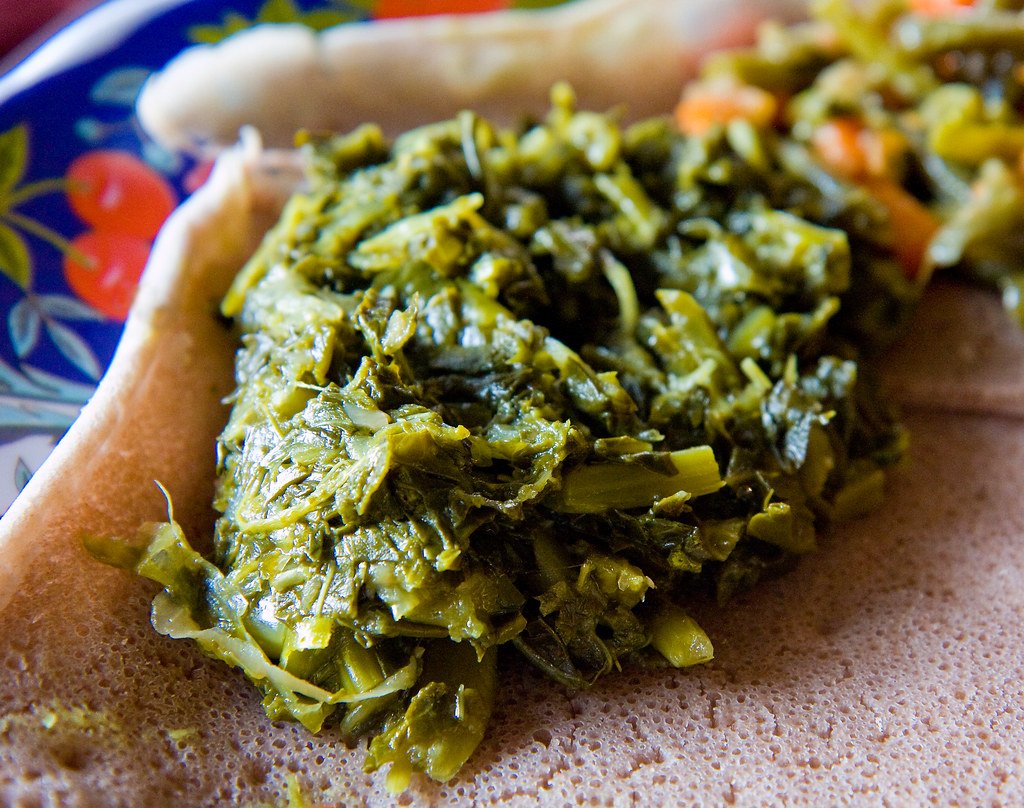
Gomen, a beloved Ethiopian dish made primarily from collard greens, pairs beautifully with injera, enhancing the overall dining experience with its rich flavors and textures. To prepare Gomen, one should start with fresh collard greens, which are known for their vibrant green color and health benefits. Start by thoroughly washing the greens to remove any dirt and pesticides. After washing, the leaves should be roughly chopped into bite-sized pieces.
The cooking process involves sautéing essential aromatics to develop a robust flavor. Begin by heating a sizable pot over medium heat and adding a few tablespoons of oil, typically vegetable or olive oil. Once heated, include diced onions and minced garlic, allowing them to sauté for several minutes until they become translucent and fragrant. This step is crucial, as the combination of garlic and onion will infuse the dish with depth and warmth.
Next, introduce the chopped collard greens to the pot. Stir them well to ensure they are coated with the aromatic mixture. Season the greens with salt, which will help to soften them as they cook. For additional flavor, spices such as ground coriander and cumin can be added; these spices impart an earthy undertone that harmonizes beautifully with the natural bitterness of the collards.
Allow the mixture to cook on low heat for about 20 to 30 minutes, stirring occasionally. It is essential to monitor the greens to ensure they become tender without losing their vibrant color and nutritional value. The final dish should be a lush, flavorful amalgamation of collard greens bathed in spices and aromatics, ideal for serving alongside warm injera.
To serve Gomen, spoon the greens onto a torn piece of injera, allowing the bread to soak up the flavorful juices. This creates a fulfilling, wholesome meal that showcases the beauty of Ethiopian cuisine. Pairing Gomen with other dishes such as lentils or sautéed vegetables can create a well-rounded and satisfying dining experience.
Recipe 5: Atayef (Ethiopian Pancakes)
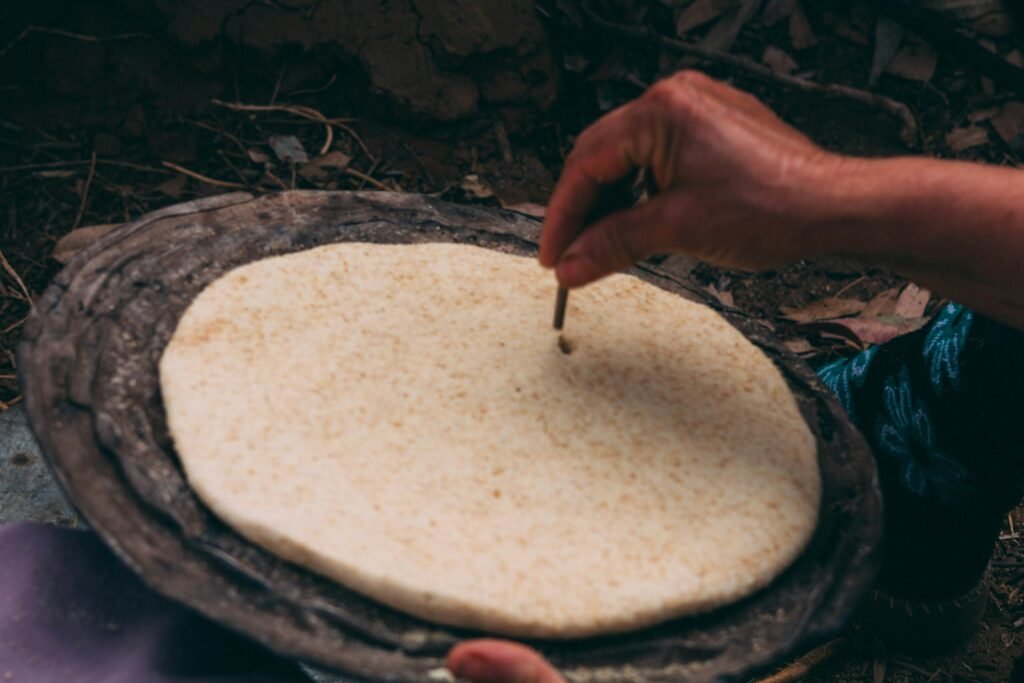
Atayef, often described as Ethiopian pancakes, are a delightful addition to the array of dishes one can enjoy. These pancakes can be transformed into sweet or savory rolls, featuring a variety of fillings. The process of preparing Atayef begins with the pancake batter, which is quite simple yet essential to achieving the desired texture. The batter generally comprises flour, water, yeast, and a hint of sugar. Allowing the batter to rise is crucial for developing the light and fluffy texture typical of this treat, which makes Atayef distinct from other pancakes.
To create the pancakes, heat a non-stick skillet over medium heat. Pour a ladleful of the batter into the pan, cooking until the edges dry out and bubbles form on the surface, indicating that the pancake is ready to be flipped. For Atayef, it is important to cook only on one side, ensuring that the other remains soft and pliable for rolling. Once cooked, place the pancakes on a plate and cover them with a clean cloth to retain warmth.
The beauty of Atayef lies in the flexibility of its fillings. Common savory options include minced meat, sautéed with onions and spices such as cumin and coriander. Alternatively, cheese fillings can provide a creamy and rich flavor, with variations like ricotta or feta adding distinct tastes. For those preferring a sweeter choice, a mixture of nuts and honey could be utilized. This versatility allows for personal experimentation with various ingredients.
When it comes time to serve, Atayef can be presented alongside injera, another traditional Ethiopian staple. This combination enhances the dining experience, as the flavors complement each other perfectly. Drizzling the filled pancakes with a spicy or sweet sauce can further amplify the flavors, ensuring each bite is a delicious experience.
Serving and Enjoying Injera
In Ethiopian culture, dining is a communal experience that fosters connection and togetherness. Injera, a staple flatbread made from teff flour, serves as both a dish and a utensil, creating a unique dining style that emphasizes sharing. When serving injera, it is common to spread it on a large round platter, allowing everyone at the table to partake. This communal approach to dining not only enhances the meal experience but also reflects the values of hospitality and unity prevalent in Ethiopian society.
To enjoy a meal centered around injera, diners typically tear off a piece of the flatbread using their right hand. The torn piece can then be used to scoop up various stews, salads, or vegetables placed on the injera. This method of serving encourages interaction, as each person contributes to and enjoys the shared feast. The tactile experience of using injera as a utensil adds a sensory dimension to the meal, enhancing the overall enjoyment of the dishes.
When creating an inviting Ethiopian dining experience at home, consider incorporating traditional elements that reflect the culture’s rich heritage. Dim lighting, vibrant table settings, and an assortment of colorful dishes can enhance the visual appeal of your meal. Additionally, offering a variety of Ethiopian drinks, such as honey wine or spiced tea, can complement the flavors of the food. Encouraging guests to participate in the communal aspects of the meal not only makes for a memorable occasion but also fosters a deeper understanding of Ethiopian culinary traditions.
By embracing the communal and interactive nature of serving injera, you can create a warm and inviting atmosphere that allows everyone to savor the flavors and experience the richness of Ethiopian cuisine.
Storage and Leftover Tips
When it comes to enjoying your injera long after the initial preparation, proper storage is essential to maintain its unique flavor and texture. To store leftovers effectively, wrap the injera in plastic wrap or place it in an airtight container. This prevents it from drying out and helps preserve its signature spongy texture. An alternative storage method is to layer the injera with parchment paper to keep individual pieces separated, which can make it easier to grab a piece later without tearing it.
For those wondering about the best temperatures for storage, it is advisable to refrigerate any leftover injera for up to a week. If you have a larger batch or want to store it for a longer period, consider freezing it. When freezing, ensure that the injera is well-wrapped to prevent freezer burn. It can remain frozen for up to three months, preserving its quality and taste.
When you are ready to enjoy your leftover injera, reheating it without losing its texture is crucial. The best method is to steam it for a few minutes. This technique restores the soft, chewy characteristics of injera. Alternatively, you can reheat it gently in a skillet over low heat, turning it occasionally to heat evenly. Avoid using the microwave, as it tends to make injera tough and dry.
In addition to reheating, there are various creative ways to repurpose leftover injera. Use it as a wrap for fresh vegetables, meats, or spreads to create a delightful fusion dish. You can also cut it into strips and bake or fry them to make savory chips. These innovative ideas can elevate not just your meals but also reduce food waste, allowing you to make the most of your Ethiopian culinary experience.
Conclusion and Encouragement to Experiment
As we conclude our exploration of these five delicious injera recipes, it’s important to emphasize the versatility of injera in Ethiopian cuisine. This traditional flatbread not only serves as a delightful accompaniment to a plethora of dishes but also stands as a canvas for culinary creativity. We encourage you to step into your kitchen and try your hand at these recipes, but don’t hesitate to experiment with your own variations. Each attempt is an opportunity to tailor flavors, textures, and presentations to suit your personal preferences.
Injera pairs splendidly with a wide array of vegetables, lentils, meats, and sauces, allowing for endless combinations. Consider the seasonality of ingredients available to you; fresh, local produce can elevate your injera experience. For example, think about incorporating seasonal greens or root vegetables into the mix. These can complement the sourdough characteristics of injera, resulting in a dish that feels both authentic and innovative. The incorporation of spices can also turn an ordinary meal into something extraordinary, transforming the flavor profile while honoring the traditional Ethiopian roots.
Moreover, the joy of exploring Ethiopian cuisine goes beyond just the food itself—it’s about the gathering and sharing of meals with loved ones. So lighten up the atmosphere by inviting friends and family to join you in this culinary adventure. Encourage them to experiment alongside you; share in the process of cooking and tasting as you all create unforgettable meals together. We hope these delicious injera recipes inspire you to take action and engage with Ethiopian cooking in a way that is both enjoyable and fulfilling. Happy cooking!