
- Introduction to Moussaka: A Taste of Tradition
- Classic Greek Moussaka: A Timeless Recipe
- Vegetarian Moussaka: A Hearty Twist
- Spicy Moussaka: Adding a Kick
- Moussaka with Cauliflower: A Low-Carb Alternative
- Moussaka-Stuffed Peppers: A Creative Spin
- Serving Suggestions and Pairings
- Storing and Reheating Leftover Moussaka
- Conclusion: The Joy of Homemade Moussaka
Introduction to Moussaka: A Taste of Tradition
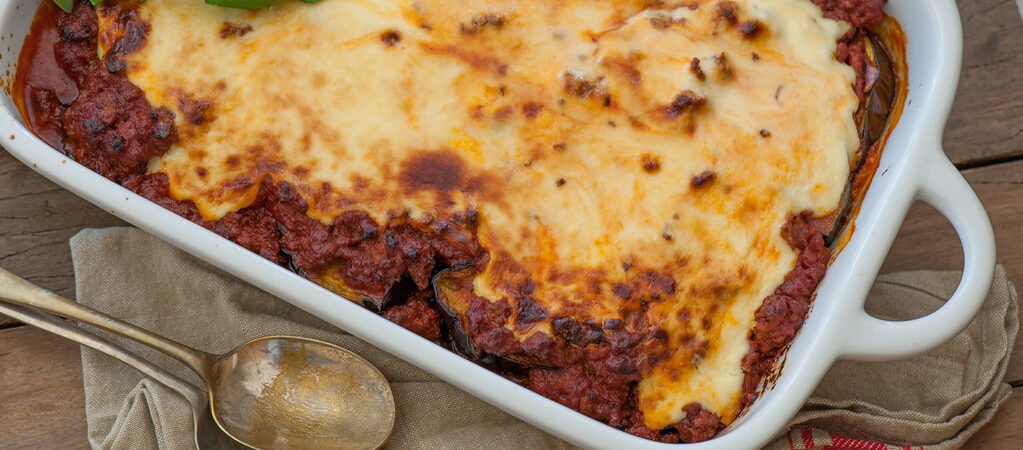
Moussaka is a beloved layer dish that embodies the rich culinary traditions of the Mediterranean, primarily associated with Greek and Middle Eastern cuisines. Its history can be traced back centuries, with roots deeply embedded in the cultural practices of these regions. Traditionally, moussaka is known for its distinct layering of ingredients, including sliced eggplants, ground meat—often lamb or beef—and a cream-like béchamel sauce, which together create a harmonious blend of flavors and textures.
At its core, moussaka showcases simple yet hearty ingredients, making it a satisfying meal for families and gatherings. The eggplant, often regarded as the star of the dish, adds a deep, savory richness and absorbs the accompanying flavors beautifully. Ground meat brings a savory depth, while the béchamel sauce introduces a creamy element that binds the layers and offers a luxurious finish.

While there are many regional variations of moussaka, each with its own unique twist, the essential components remain largely similar. For instance, some versions might employ potatoes as a base instead of eggplants, while others could present their moussaka with a sprinkling of spices or herbs that reflect local tastes. Additionally, the method of preparation may vary, with some opting for frying their vegetables, while others prefer baking them, enhancing the dish’s nutritional profile.
This culinary gem not only serves as a flavorful meal but also as a cultural experience, inviting those who prepare it to engage with the rich histories and traditions behind its creation. As we venture into various renditions of moussaka in this blog post, it is essential to appreciate both the classic recipes and the innovative adaptations that continue to evolve this dish. Those looking to enrich their dinner repertoire will find moussaka an exciting and rewarding addition.
Classic Greek Moussaka: A Timeless Recipe
Moussaka is a cherished dish in Greek cuisine, known for its layers of flavor and comforting textures. To create a classic Greek moussaka at home, it is essential to gather the right ingredients that highlight the dish’s authentic taste. Typically, the primary components include eggplant, ground lamb or beef, tomatoes, onions, and a creamy béchamel sauce. Choosing fresh, high-quality vegetables is crucial as they serve as the foundation of this hearty meal.
Begin by preparing the eggplants. Slice them into rounds and sprinkle with salt to help remove excess moisture and bitterness. After resting for about 30 minutes, rinse them well and pat them dry. This step ensures that the eggplants will have a better texture and flavor once cooked. Next, you can either grill, sauté, or bake the eggplant slices until they are tender. Meanwhile, prepare the meat sauce by sautéing onions and garlic in olive oil before adding the ground meat. Cook until browned, then incorporate diced tomatoes, spices, and a touch of red wine to enrich the sauce.
The layering process is crucial in achieving the perfect moussaka. Start with a layer of eggplants at the bottom of your baking dish, followed by the meat sauce, and then another layer of eggplant. Finally, prepare the béchamel sauce by combining flour, milk, butter, and nutmeg until thickened and creamy. Pour the sauce over the top layer of eggplant, ensuring it covers the dish completely. For an appealing finish, sprinkle grated cheese over the béchamel, which will help create a delightful golden crust during baking.
Preheat your oven to 350°F (175°C) and bake the moussaka for about 45 minutes or until the top is beautifully golden brown. Once baked, allow the dish to cool for at least 30 minutes before serving, as this resting time helps the layers set, making it easier to cut into portions. Enjoy your authentic Greek moussaka with a light salad or a side of crusty bread for a truly satisfying meal.
Vegetarian Moussaka: A Hearty Twist
Vegetarian moussaka offers a delicious and satisfying alternative to the traditional meat dish. By incorporating lentils and a variety of vegetables, you can create a hearty meal that is not only nutritious but also rich in flavor. This vegetarian variation maintains the essence of classic moussaka while catering to those who prefer not to consume meat.
To begin, gather the necessary ingredients for your vegetarian moussaka. You will need 1 cup of lentils, 2 medium eggplants, 2 zucchinis, 2 medium potatoes, 1 large onion, 3 cloves of garlic, 1 can of diced tomatoes, and an array of spices including oregano, cinnamon, and black pepper. Additionally, prepare a creamy béchamel sauce using flour, milk, and a touch of nutmeg to enhance the texture.
Start by cooking the lentils according to package instructions until tender. While the lentils are cooking, slice the eggplants, zucchinis, and potatoes into thin rounds. Lightly salt the eggplant slices to draw out excess moisture, allowing them to rest for about 30 minutes. This technique not only reduces bitterness but also improves their texture once cooked.
In a large skillet, heat olive oil and sauté the chopped onion and minced garlic until fragrant. Next, add the lentils and diced tomatoes, and season with your chosen spices. Allow this mixture to simmer, letting the flavors meld together. Meanwhile, grill or sauté the eggplant and zucchini slices until golden brown.
Once your ingredients are prepared, it’s time to assemble the moussaka. Begin by layering the potato rounds on the bottom of a baking dish, followed by the lentil mixture, and then a layer of grilled vegetables. Repeat these layers, finishing with a generous topping of the béchamel sauce. Bake in a preheated oven at 375°F (190°C) for about 45 minutes until golden and bubbling.
This vegetarian moussaka promises to be just as indulgent and satisfying as its meat counterpart, offering a nutritious twist that will delight anyone, regardless of their dietary preferences.
Spicy Moussaka: Adding a Kick
Moussaka is traditionally known for its rich and comforting flavors, primarily featuring eggplants, minced meat, and béchamel sauce. However, for those who enjoy a bit of spice in their culinary adventures, a spicy version of moussaka can offer an invigorating twist that tantalizes the palate. To create a spicy moussaka, start by incorporating fresh chili peppers into the meat sauce. You may choose to use jalapeños for a mild kick or opt for serrano or even habanero peppers, depending on your heat preference.
While addressing the spice qualities, it’s important to maintain a balance that upholds the essence of traditional moussaka. In addition to fresh chilis, spices such as cumin and paprika can significantly enhance the flavor profile of the dish. Cumin adds a warm, earthy undertone, while paprika provides a subtle sweetness and complexity, transforming what could be a simple meat sauce into a vibrant and aromatic experience.
To achieve the right spice level, start with a moderate amount of chili, and progressively increase the quantity as you go. It is also beneficial to add spices gradually during cooking, allowing you to taste and adjust as necessary. Consider using smoked paprika for an additional layer of flavor, which complements the sweetness of the eggplant and the richness of the béchamel. For those who enjoy cheese, a sprinkle of crumbled feta can further elevate the dish, providing a creamy contrast to the heat.
Another tip for enhancing the spiciness is to include a dash of hot sauce or a spoonful of harissa in the béchamel layer. This not only introduces heat but also creates a creamy texture that marries the spicy components with the traditional elements of moussaka. Ultimately, creating a spicy moussaka allows for personalization while celebrating the core attributes of this beloved dish.
Moussaka with Cauliflower: A Low-Carb Alternative
For those seeking a healthier take on traditional moussaka, substituting cauliflower for potatoes can create a delightful low-carb option. This version not only reduces the carbohydrate content but also enhances the dish’s nutritional value, making it a suitable choice for health-conscious individuals. By incorporating cauliflower, the moussaka retains its comforting essence while accommodating dietary preferences.
To prepare this cauliflower-based moussaka, begin by selecting fresh cauliflower. Steam or roast the florets until tender, then allow them to cool. For a smoother texture, consider processing the cauliflower in a food processor until it resembles rice or a mash, which will serve as a base layer in your dish.
Next, focus on the layering; the classic moussaka format remains unchanged. You will need ground meat (beef, lamb, or chicken) sautéed with onions, garlic, and spices, enhancing the flavor profile. Use olive oil for cooking and add a rich tomato sauce to moisten the meat, ensuring it is well-seasoned and juicy.
After the meat layer is prepared, instead of the bechamel sauce typically seen in moussaka, you can opt for a creamy, low-carb alternative. Combining Greek yogurt with eggs and a pinch of nutmeg creates a smooth topping that complements the cauliflower base without overwhelming the dish with extra carbohydrates. Once all layers are combined in a baking dish, bake the moussaka at 375°F (190°C) until bubbling and golden brown on top.
This cauliflower moussaka not only provides a satisfying and delicious meal but also serves as a viable option for those following low-carb or ketogenic diets. With careful preparation and seasoning, this dish promises to satisfy culinary cravings while aligning with healthier eating habits.
Moussaka-Stuffed Peppers: A Creative Spin
Moussaka is traditionally associated with layers of eggplant, minced meat, and creamy béchamel sauce. However, a delightful variation can be achieved by using bell peppers as the vessel for this beloved dish. This recipe not only brings a creative twist to moussaka but also offers a healthy option that can be enjoyed by all.
To begin, select medium-sized bell peppers; colors such as red, yellow, or green can be used based on personal preference. Carefully slice off the tops and remove the seeds while ensuring the peppers remain intact. Preheat your oven to 375°F (190°C) while you prepare the filling.
The filling for the stuffed peppers will consist of key ingredients characteristic of traditional moussaka. Start by sautéing finely chopped onions and garlic in olive oil until they are soft and aromatic. Next, add ground lamb or beef, browning it thoroughly before incorporating diced tomatoes, tomato paste, and seasonings such as cinnamon, oregano, and mint. Allow this mixture to simmer until it thickens, deepening the moussaka flavors.
Once the filling is ready, portion it into the hollowed-out peppers, pressing it down gently to ensure even filling. After that, prepare a creamy sauce to mimic the béchamel traditionally used in moussaka. This can be done by whisking together ricotta or cottage cheese with egg and seasoning it with salt and pepper. Spoon this mixture over the stuffed peppers, creating a lovely creamy topping.
Place the filled peppers upright in a baking dish, adding a splash of water to create steam during cooking. Bake in the preheated oven for about 30 to 40 minutes, or until the peppers are tender and the tops are golden brown. This vibrant dish not only showcases the rich flavors of moussaka but also presents a fun, healthy presentation that is sure to impress family and friends.
Serving Suggestions and Pairings
Moussaka, a beloved dish originating from the Mediterranean, holds its own as a versatile main course that can be beautifully complemented with various sides and beverages to enhance the dining experience. When serving moussaka, consider pairing it with a fresh Greek salad, which typically consists of tomatoes, cucumbers, olives, and feta cheese. This salad not only adds a refreshing crunch but also offers a burst of flavor that balances the rich and hearty characteristics of the moussaka.
Another excellent accompaniment is a side of roasted vegetables, such as zucchini, bell peppers, or eggplants, which harmonize well with the savory layers of the dish. Additionally, serving moussaka with warm, crusty bread can provide a substantial and satisfying meal, allowing guests to scoop up every last bit of the sauce.
For beverages, consider a glass of red wine, particularly a medium-bodied option such as a Greek Agiorgitiko or a Cabernet Sauvignon. The fruity notes and moderate tannins in these wines enhance the complex flavors of moussaka. Alternatively, a crisp white wine like a Sauvignon Blanc or Assyrtiko can offer a refreshing contrast to the dish’s richness, ensuring a balanced pairing.
To elevate the dining experience, finishing off the meal with a light dessert, such as baklava or yogurt topped with honey and nuts, would be a perfect choice. These sweet treats provide a delightful conclusion to a moussaka meal, leaving guests with a satisfied palate. Ultimately, the beauty of moussaka lies not only in its rich flavors but also in the infinite possibilities of sides and drinks that accentuate its deliciousness.
Storing and Reheating Leftover Moussaka
Properly storing leftover moussaka is crucial to maintaining its delicious flavors and textures for future enjoyment. To ensure that this traditional dish remains fresh, it is recommended to store moussaka in an airtight container. Allow the dish to cool completely at room temperature before sealing it to prevent the formation of condensation, which can lead to sogginess.
For short-term storage, leftovers can be kept in the refrigerator for up to three days. If you wish to prolong the shelf life of moussaka, freezing is an excellent option. Moussaka freezes quite well due to its layered structure. To freeze, slice the moussaka into individual portions, wrap each piece tightly in plastic wrap, and then place them into a freezer-safe bag or container. This prevents freezer burn and helps to keep the flavors intact. Moussaka can be stored in the freezer for up to three months.
When it comes to reheating leftover moussaka, there are a few methods that can be employed to retain its original quality. The oven is the best choice for reheating as it ensures even heating and helps maintain the dish’s texture. To reheat in the oven, preheat it to 350°F (175°C), place the moussaka in an oven-safe dish, cover it with aluminum foil to prevent drying, and heat for about 20-30 minutes, or until it is heated through.
If time is of the essence, you can also reheat individual slices in the microwave. For this method, place the slice on a microwave-safe plate and cover it with a damp paper towel to retain moisture. Heat on medium power in one-minute intervals until heated thoroughly. Care should be taken not to over-reheat, as this can dry out the dish.
Conclusion: The Joy of Homemade Moussaka
As we have explored through various moussaka recipes, there is an undeniable joy in crafting this classic dish in the comfort of your home. Moussaka is celebrated for its layered flavors and hearty ingredients, often featuring a harmonious blend of eggplant, ground meat, and creamy béchamel sauce. This culinary classic extends beyond a single recipe, inviting culinary creativity and personal flair.
From traditional variations steeped in cultural significance to modern, healthier adaptations, each moussaka recipe presents a unique take on this beloved Mediterranean dish. The versatility of moussaka allows you to experiment with different proteins, such as lamb, beef, or even vegetarian options, showcasing the adaptability of this meal for diverse dietary preferences. Incorporating seasonal vegetables or alternative spices can lift a traditional recipe to new heights, making it even more rewarding.
Moreover, the process of making moussaka can be a delightful experience, perfect for gatherings with family or friends. Engaging others in the cooking process fosters a sense of community and shared enjoyment, elevating a simple meal into an occasion worth celebrating. Each bite of homemade moussaka can encapsulate cherished memories and foster a connection to your culinary heritage.
Therefore, as you embark on your journey to make moussaka at home, embrace the opportunity to experiment with flavors and techniques. There is no singular way to create moussaka; rather, it is a canvas for your culinary artistry. Allow your imagination to guide you, and discover the joy of preparing this dish in your own kitchen. With each variation, you not only enrich your cooking repertoire but also celebrate the beloved moussaka in its many forms.