
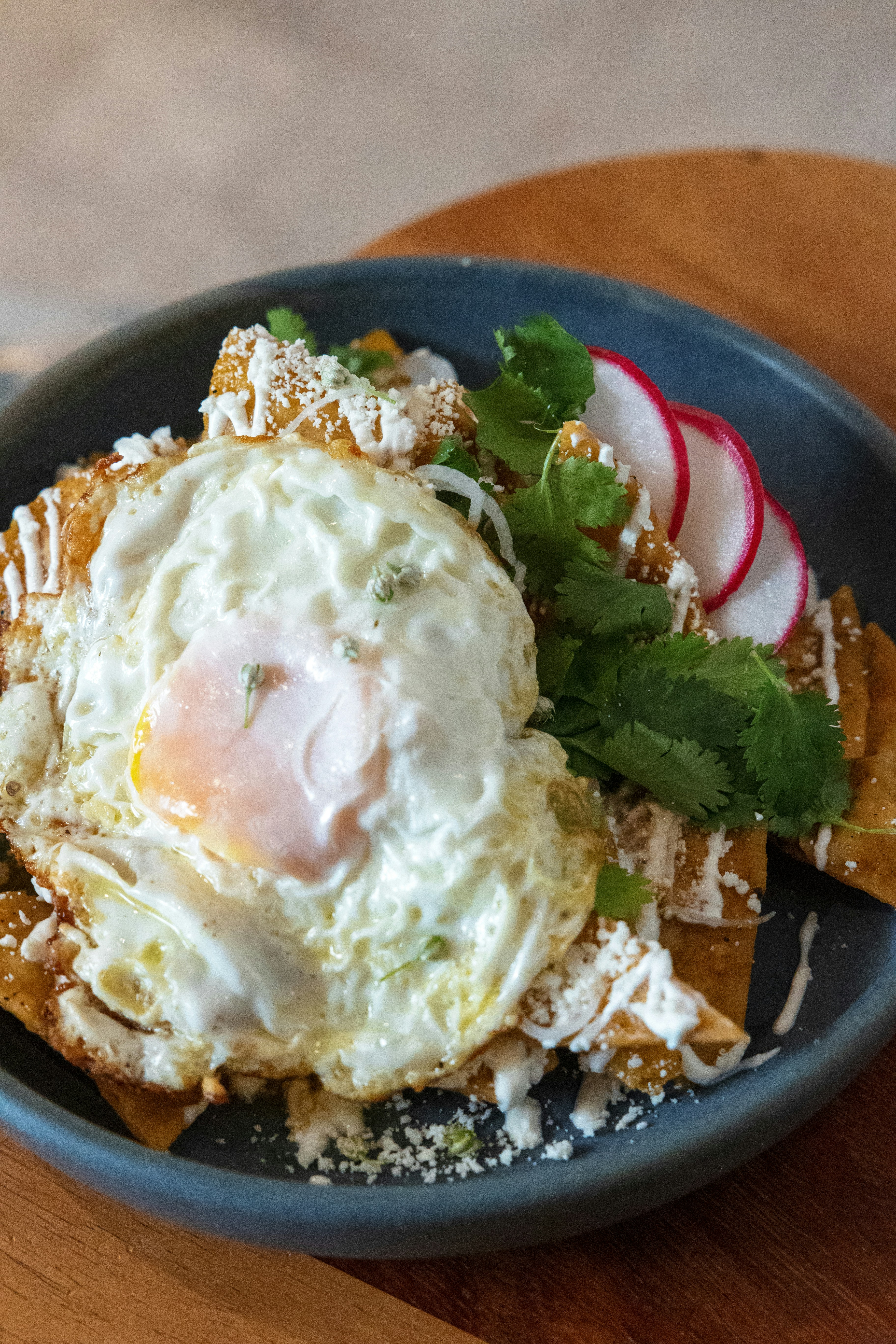
The Origins and History of Chilaquiles
Chilaquiles, a quintessential dish of Mexican cuisine, traces its roots back to the culinary practices of indigenous peoples. The term “chilaquiles” originates from the Nahuatl word “chīlāquilt,” which translates to “chiles and greens.” This reflects the essence of the dish, traditionally made with corn tortillas cut into strips, fried until crispy, and simmered in a zesty sauce made from various types of chiles. The evolution of chilaquiles over time highlights not only the resourcefulness of Mexican cooks but also their dedication to preserving culinary traditions.
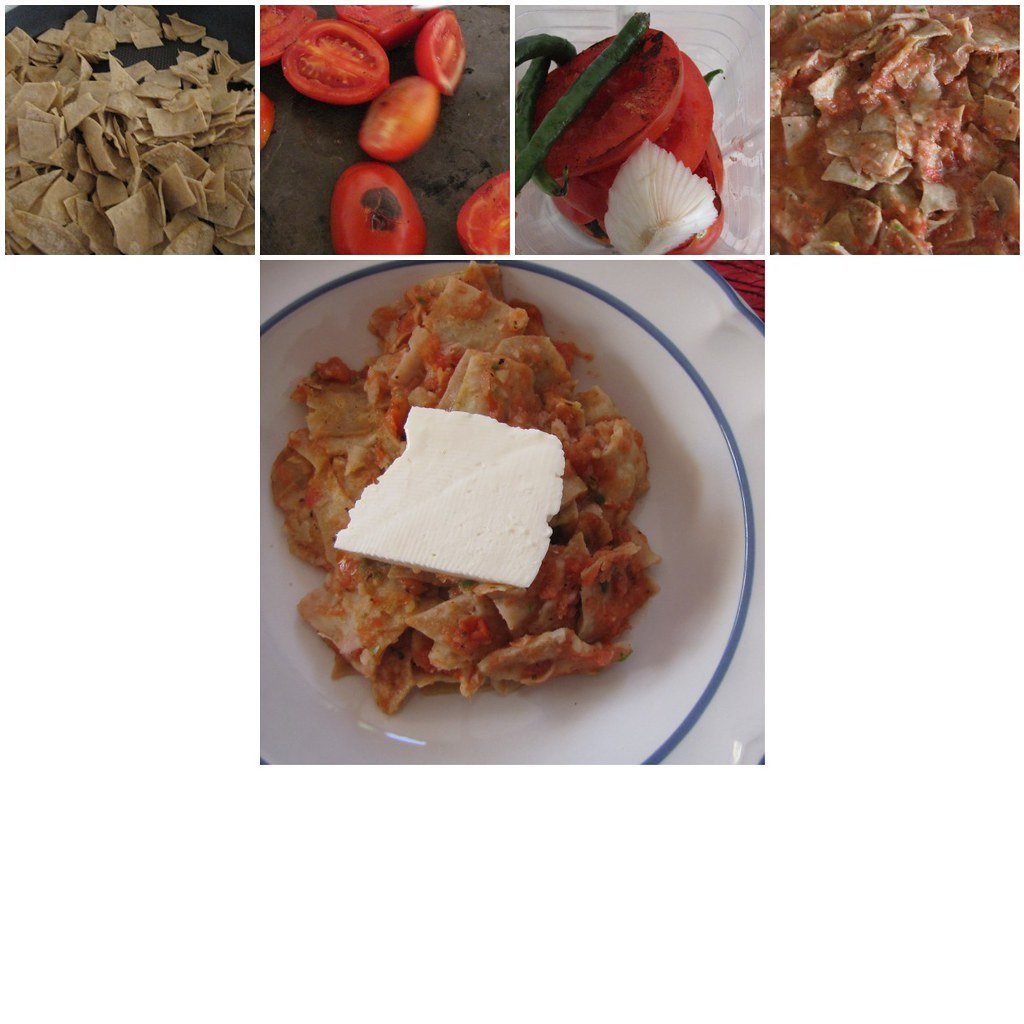
Initially, chilaquiles served as a pragmatic solution to reduce food waste, particularly stale tortillas that were no longer suitable for serving as a base for tacos or enchiladas. This practical usage transformed into a beloved recipe that captured the hearts of families across Mexico. The dish’s adaptability is one of its defining characteristics; regional variations emerged, incorporating local ingredients and serving styles. Many families have their own cherished family recipes passed down through generations that celebrate local flavors and cooking methods.
The historical significance of chilaquiles is seen in how this dish has been transformed by various cultural influences throughout the years. Spanish colonization introduced a wealth of new ingredients, such as cheese and crema, which have become integral to modern chilaquiles recipes. Additionally, as Mexican cuisine gained international acclaim, chilaquiles found their way beyond national borders, garnering recognition in gastronomies worldwide. This global appreciation further showcases the dish’s versatility as chefs experiment with new interpretations, flavors, and presentations while honoring its traditional roots.
Ultimately, the journey of chilaquiles reflects the rich tapestry of Mexican culture, showcasing how a humble dish has grown to become an iconic staple that is both celebrated and cherished. Its blend of history, practicality, and adaptability speaks to the essence of Mexican culinary heritage.
Cultural Significance and Meaning of Chilaquiles
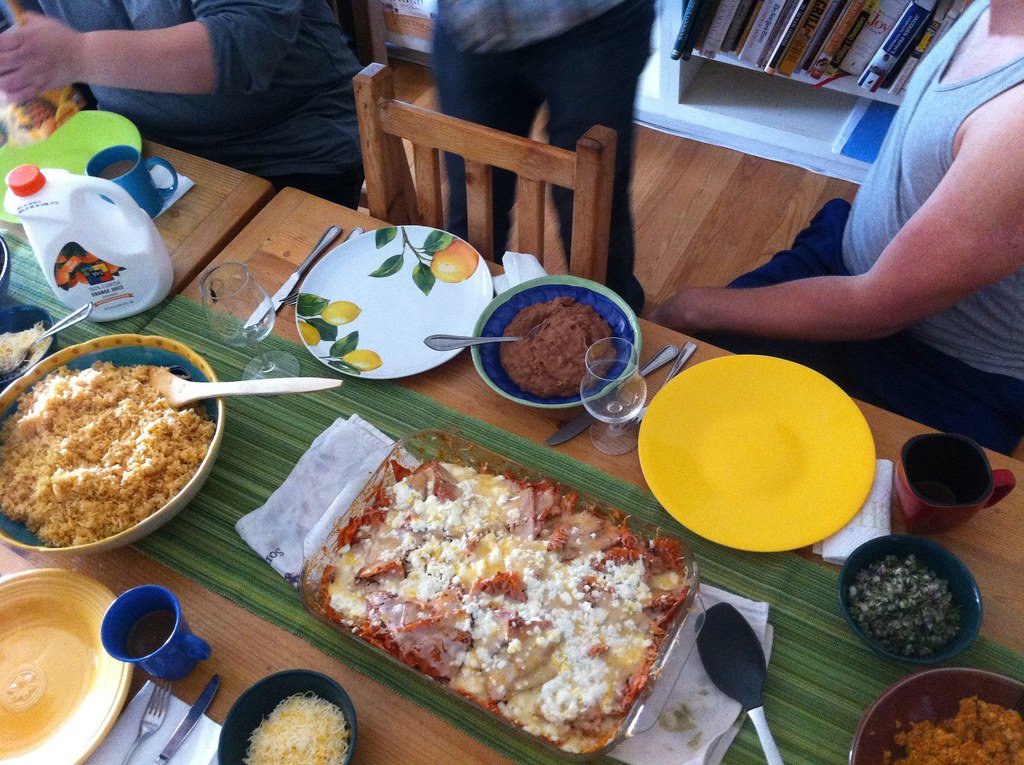
Chilaquiles hold a special place in Mexican society, representing not only a beloved culinary staple but also embodying the spirit of togetherness and cultural heritage. Traditionally served as a breakfast or brunch dish, chilaquiles consist of lightly fried corn tortillas cut into pieces, often topped with green or red salsa, cheese, and a variety of garnishes. This dish frequently appears on family tables during significant gatherings and celebrations, reinforcing its status as a dish of comfort and familiarity.
During festivities, chilaquiles take on a symbolic role, often featuring prominently in Christmas or Independence Day celebrations, providing a sense of nostalgia and cultural connection. The act of preparing and sharing chilaquiles often fosters a communal atmosphere, where family members come together to enjoy a meal that transcends generations. This collective experience strengthens familial bonds, showcasing how food, such as chilaquiles, can serve as a conduit for social interaction and cultural expression.
In modern culinary trends, chilaquiles have been embraced beyond their traditional context, evolving with creative interpretations across various restaurants and households. Chefs often incorporate contemporary ingredients and techniques, enhancing the traditional flavor profile and appealing to a wider audience. This adaptation illustrates the versatility of chilaquiles, as they transition from casual home meals to gourmet offerings, reflecting the dynamic nature of Mexican cuisine.
The dish’s prominence in both everyday life and celebratory events underscores its significance as a symbol of hospitality, inviting guests to partake in a shared culinary experience. Through each bite, chilaquiles narrate a story of cultural identity and community, celebrating Mexico’s rich gastronomic heritage while simultaneously evolving to meet modern tastes.
Taste and Texture: The Chilaquiles Experience
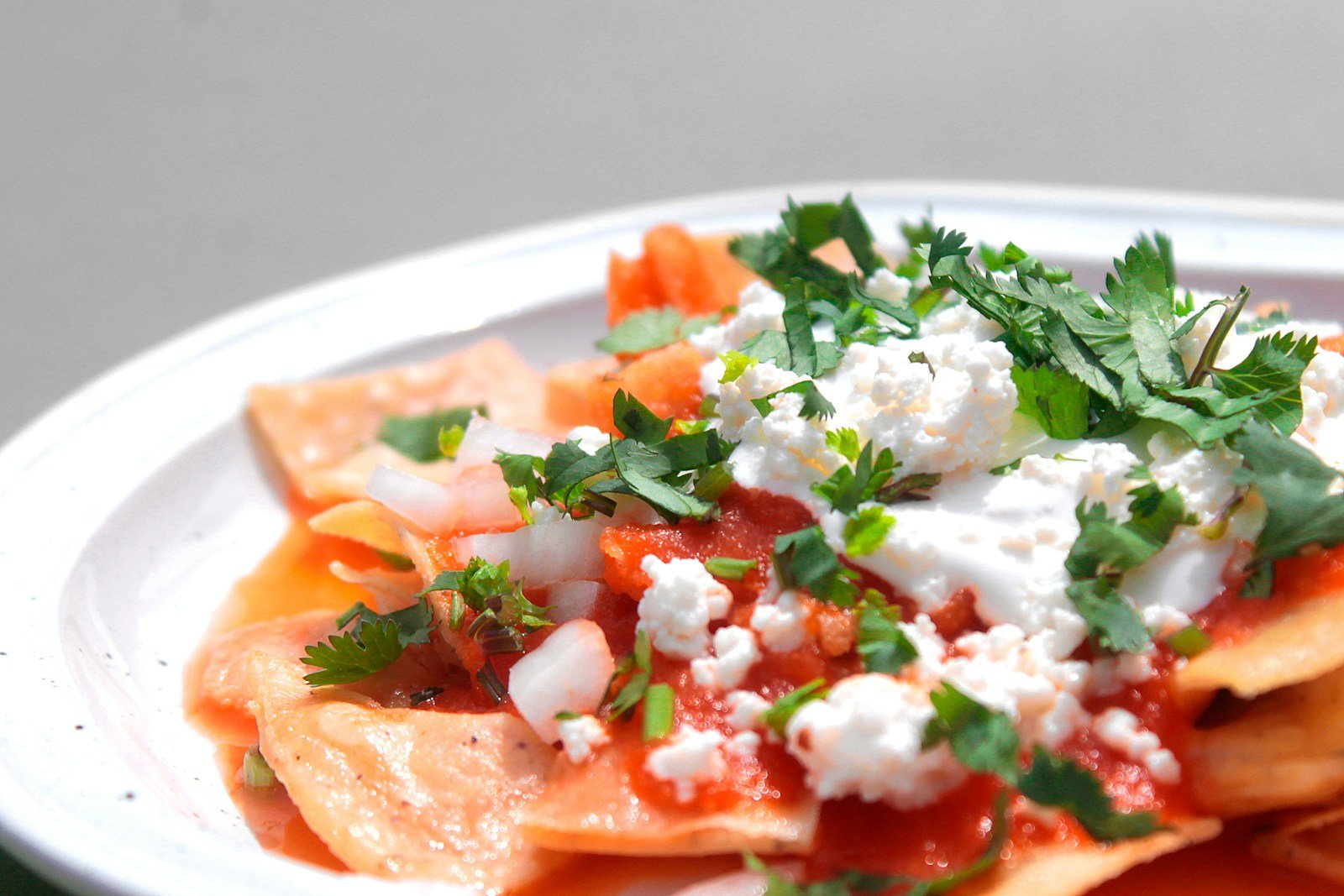
Chilaquiles, a traditional Mexican dish, offer an exquisite combination of flavors and textures that delight the palate. At its core, this dish consists of crispy tortilla chips that serve as the base, which are then generously drenched in a vibrant salsa. The salsa can vary in heat and flavor, depending on whether it is prepared with green tomatillos or red tomatoes, creating either a tangy or spicy profile that enhances the overall experience. This foundational duo of tortilla and salsa creates a delightful contrast; the crunchiness of the chips combined with the saucy richness results in a layered texture that is both satisfying and complex.
The versatility of chilaquiles extends beyond the fundamental ingredients. Numerous toppings can be incorporated, ranging from creamy avocado slices to rich, melted cheese, and even egg options such as sunny-side-up or scrambled eggs. The addition of protein, such as shredded chicken or chorizo, not only elevates the dish but also creates a satisfying blend of flavors that appeal to a wide array of taste preferences. Each topping contributes to a distinct experience, allowing for personal customization, which is a hallmark of this dish.
The preparation methods and regional styles also play a significant role in defining the chilaquiles experience. For instance, in some areas of Mexico, the tortillas might be lightly fried before the sauce is added, creating a thicker texture, while other regions may prefer softening the chips directly in the salsa for a more integrated taste. Similarly, Northern Mexican chilaquiles may feature a broader use of meats, whereas Southern styles might emphasize fresh, local herbs along with distinctive salsas. Such variations highlight the rich tapestry of Mexican cuisine, showcasing how regional influences shape the core essence of this beloved dish.
Additional Details: Pairings, Variations, and Modern Twists
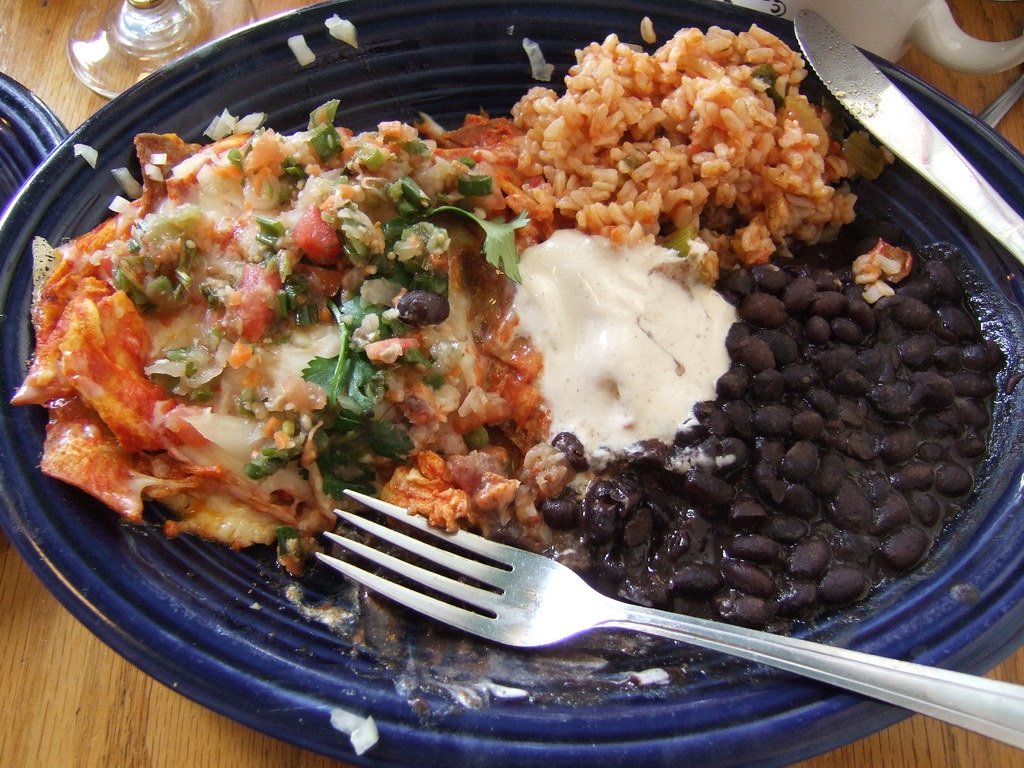
Chilaquiles is a quintessential dish that showcases the culinary artistry of Mexican cuisine, but its versatility extends beyond its basic components. Traditionally made with tortilla chips bathed in green or red salsa, chilaquiles can be remarkably customized, allowing for a multitude of pairings and creative variations. One of the most popular accompaniments is eggs; whether fried, scrambled, or poached, eggs enrich the dish, adding protein and enhancing its flavor profile. The addition of beans also complements the dish, contributing creaminess and a hearty texture that elevates the experience.
Cheese, particularly cotija or queso fresco, plays a significant role in traditional chilaquiles, offering a salty counterbalance to the spicy salsa. For those seeking to explore modern interpretations, many chefs have begun to experiment with non-traditional toppings like avocado, sour cream, or even sautéed vegetables, incorporating a health-conscious twist without sacrificing flavor. Moreover, chilaquiles can be adapted to cater to various dietary preferences, such as using gluten-free chips or incorporating vegan cheese alternatives.
Chilaquiles are highly versatile and can be enjoyed at any mealtime—be it breakfast, lunch, or dinner. The dish also lends itself well to leftovers, making it a practical and flavorful option for repurposing ingredients. For home cooks intent on mastering their chilaquiles, several tips can enhance the overall experience. Starting with fresh, high-quality tortillas ensures a satisfying crunch, while properly managing the heat of the salsa allows for the perfect balance of flavors. Ultimately, chilaquiles can serve as a delightful canvas for culinary creativity, inviting cooks to experiment with flavors and achieve a personalized rendition of this beloved dish.