
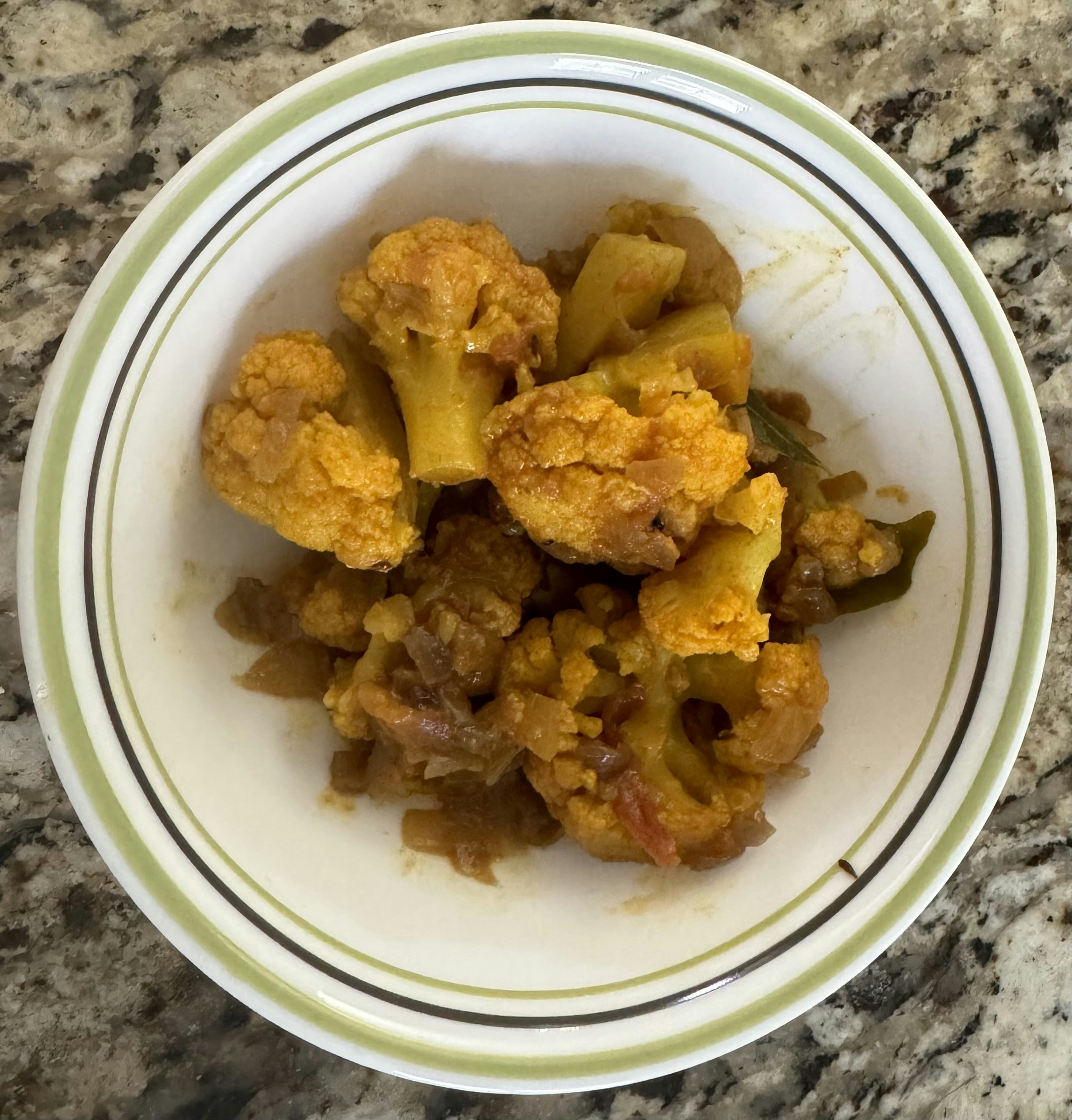
Introduction to Kounoupidi Kapama
Kounoupidi Kapama is a traditional Greek dish that showcases the versatility of cauliflower, an ingredient often overlooked in culinary contexts. Originating from the rich gastronomic heritage of Greece, this dish combines cauliflower with a variety of aromatic spices and herbs, making it a flavorful representation of Mediterranean cooking. Historically, Kounoupidi Kapama has served as a staple in many Greek households, often prepared during festive occasions and family gatherings, reflecting both culinary traditions and communal values.

The significance of Kounoupidi Kapama in Greek cuisine extends beyond its taste; it embodies the principles of seasonal cooking and the importance of utilizing fresh, local produce. The dish highlights a sustainable approach to food preparation, aligning with the Mediterranean diet’s emphasis on vegetables, legumes, and whole grains. With the rising interest in plant-based diets, Kounoupidi Kapama has gained popularity not only in Greece but also among health-conscious food enthusiasts globally. Its ability to serve as a main course or a side dish enhances its appeal, ensuring its place on modern dining tables.
Ingredients and Nutritional Value
Kounoupidi Kapama, a traditional Greek dish, is primarily centered around fresh cauliflower, also known as kounoupidi in Greek. The quality of cauliflower is pivotal to the dish’s overall taste and texture; it is best sourced from local farmers’ markets or organic grocery stores, ensuring freshness and flavor. The use of vibrant, seasonal produce enhances the dish’s appeal, making it a staple in Greek cuisine during the cooler months.
Alongside cauliflower, Kounoupidi Kapama features olive oil, an undeniable staple of Mediterranean diets. Olive oil not only adds richness but also contributes healthy monounsaturated fats beneficial to heart health. Tomatoes, either fresh or canned, provide acidity and sweetness that balance the dish, while onions add depth of flavor. The inclusion of various spices, such as cinnamon and allspice, introduces warmth and complexity, echoing the regional flavor palette of Greek cooking.
The nutritional value of Kounoupidi Kapama highlights its status as a healthy, wholesome dish. Cauliflower is low in calories, boasting only about 25 calories per cup, while being high in vitamins C and K, and fiber. These attributes make it a weight-friendly food option that supports digestive health. The addition of olive oil contributes to healthy fat intake, essential for nutrient absorption and maintaining heart health. Furthermore, the spices not only enhance flavor but also offer antioxidant properties, promoting overall wellness.
This dish’s balance of vegetables, healthy fats, and an array of spices makes Kounoupidi Kapama a nutritious choice that fits seamlessly into various dietary preferences. Incorporating this flavorful meal into one’s diet can provide a wealth of health benefits, showcasing the rich culinary traditions of Greece while encouraging a balanced lifestyle.
Preparation and Cooking Techniques
To prepare the traditional Greek dish Kounoupidi Kapama, start with selecting fresh cauliflower heads, as the quality of the vegetable is essential for an appealing flavor. Begin by washing the cauliflower thoroughly under cool water to remove any dirt or impurities. Once cleaned, remove the leaves and cut the cauliflower into florets; this will allow for even cooking. It’s advisable to keep the florets relatively uniform in size, to ensure that they cook at the same rate.
In the initial cooking process, the florets can be sautéed to enhance their flavor. Heat olive oil in a large pot over medium heat and add the cauliflower. Sauté until the florets are slightly golden, which typically takes about 5-7 minutes. This step not only adds flavor but also helps to develop a pleasing texture. Following this, you will introduce the essential spices and herbs that define Kounoupidi Kapama. Traditional ingredients include garlic, onion, and various spices like paprika and cumin, which elevate the dish’s complexity.
Once the cauliflower is well-seasoned, add enough liquid to cover the florets halfway. A combination of water and tomato sauce is ideal for a rich flavor profile. Bring the mixture to a simmer, then reduce the heat to low, allowing the cauliflower to gently cook through for approximately 20-25 minutes. If you prefer baking, preheat your oven to 375°F (190°C) and transfer the sautéed cauliflower to an oven-safe dish, covering it with the simmering liquid. Bake for 30 minutes to achieve a tender and infused texture.
Lastly, consider adapting traditional methods to modern practices by exploring techniques such as steaming or pressure cooking, which can significantly reduce cooking time while retaining the vegetable’s nutrients. Regardless of the technique chosen, ensuring proper seasoning and moisture will culminate in a delightful dish that showcases the unique flavors of Greek cuisine.
Tasting Experience and Pairing Suggestions
The tasting experience of Greek Cauliflower, known as Kounoupidi Kapama, is a delightful journey through a medley of flavors that reflect the rich heritage of Greek cuisine. When served hot, this dish presents itself as a beautifully cooked cauliflower head, bathed in a vibrant tomato-based sauce infused with aromatic herbs and spices. The first taste reveals the tender texture of the cauliflower, which is both soft and slightly firm, providing a satisfying mouthfeel that contrasts well with the light acidity of the sauce.
Aromatic notes from the herbs—such as dill, oregano, and perhaps a hint of cinnamon—dance on the palate, enhancing the overall taste profile. The natural sweetness of the cauliflower complements the tanginess of the tomatoes, creating a harmonious balance that lingers pleasantly after each bite. The dish is visually appealing as well, with the deep red sauce contrasting against the pale cauliflower, making it an inviting addition to any meal.
When it comes to pairing Kounoupidi Kapama, several options elevate the dining experience. For a refreshing accompaniment, consider serving it alongside a simple Greek salad dressed with olive oil, vinegar, and feta cheese. The crispness of the salad provides a perfect counterpoint to the warmth and richness of the dish.
As for beverages, a glass of crisp white wine, such as Assyrtiko, beautifully complements Kounoupidi Kapama. Its citrusy notes and mineral undertones enhance the dish’s flavor without overpowering it. Alternatively, a light-bodied red wine like Pinot Noir can also work, harmonizing with the savory elements. Serving the dish with crusty bread allows diners to savor every bit of the delicious sauce, making for a truly satisfying culinary experience that anyone would enjoy.