
Introduction to Potato Farls
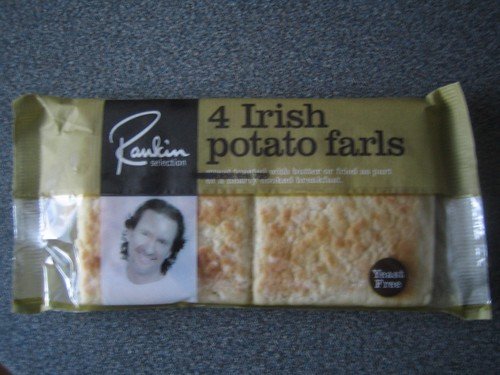
Potato farls, also known as potato cakes or potato bread, are a cherished component of traditional Irish cuisine, representing a dish with both historical and cultural significance. Originating from Ireland, this simple yet hearty cake is made primarily with mashed potatoes, flour, and salt, often cooked on a griddle or frying pan. The word “farl” derives from the Gaelic term “fardel,” which refers to the shape of the dough being shaped into four pieces. Over time, variations to the basic recipe have emerged, with some incorporating ingredients such as butter, buttermilk, or baking powder to enhance flavor and texture.
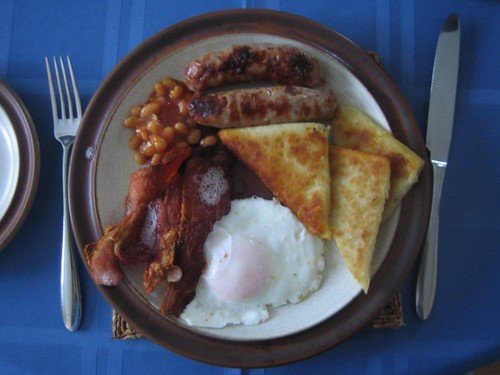
Potato farls hold a special place in the hearts and homes of many Irish families, often being served at breakfast alongside a range of accompaniments. While typically enjoyed with a spread of butter, they can also be paired with eggs, bacon, or sausages, thus creating a fulfilling meal that nourishes both body and soul. Particularly around special occasions or festivals, potato farls are also served as part of a traditional Irish breakfast, showcasing their versatility beyond mere side dishes.
In addition to Ireland, potato farls have found their way into the culinary traditions of other regions, including Northern Ireland, where they are sometimes referred to as “griddle cakes” or “fadge.” Similar potato-based dishes are found across the globe, demonstrating the universal love for this comfort food. Each region may present its own twist on potato farls, incorporating local ingredients or cooking techniques that reflect individual palates and customs. This discussion of potato farls will delve into its preparation methods, variations, and the endearing role it plays in the lives of those who enjoy this enduring dish.
Ingredients and Preparation Method
To create traditional potato farls, one must start with the fundamental ingredient: potatoes. The best types of potatoes for this dish are floury varieties such as Russet or Maris Piper, which yield a light and fluffy texture when cooked. Each ingredient plays a vital role in ensuring the farls are flavorful and authentic. In addition to potatoes, the essential ingredients include salt, butter, and a touch of flour, which helps to bind the mixture together.
The preparation of potato farls begins with the selection and cooking of the potatoes. First, peel the potatoes and chop them into equal-sized pieces to facilitate even cooking. Place the potato pieces in a pot of cold salted water and bring it to a boil. Allow them to simmer until tender, typically taking about 15-20 minutes. After boiling, drain the potatoes thoroughly and let them sit for several minutes to remove excess moisture.
Once the potatoes are cool enough to handle, mash them using a potato masher or ricer until they are smooth. For added flavor, incorporate butter into the mash, along with a pinch of salt. Some variations of potato farls may include additional spices or flavorings, such as chives, black pepper, or even grated cheese, depending on the desired taste profile.
After achieving a smooth consistency, it is time to form the farls. Sprinkle a little flour onto the worksurface to prevent sticking, then turn the mashed potato mixture onto it. Shape the mixture into a round disc about one inch thick. Finally, cut the disc into quarters to create the classic farl shape.
To cook the farls, heat a griddle or frying pan over medium heat and lightly grease with butter or oil. Place the farls in the pan, cooking for approximately 4-5 minutes on each side until they turn golden brown and crispy. Once cooked, serve the potato farls warm, ideally accompanied by butter, or as a side dish to your favorite meal.
Taste Test and Serving Suggestions
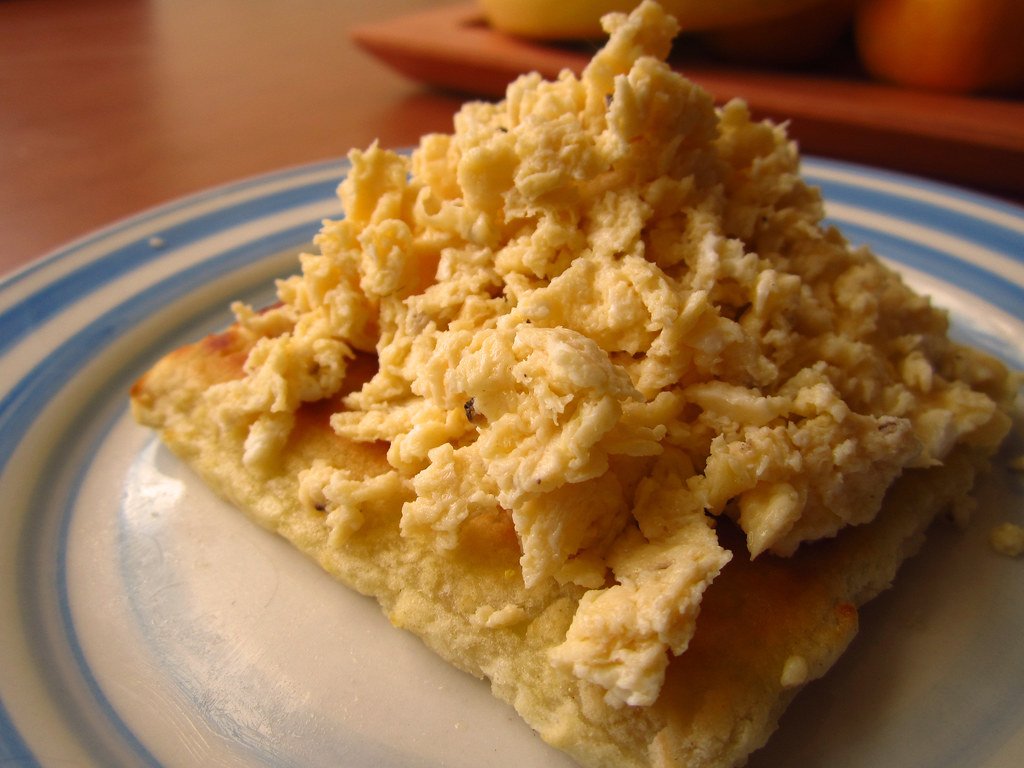
Potato farls offer a delightful sensory experience characterized by their unique texture and flavor profile. When cooked properly, they present a golden-brown exterior that gives way to a soft, pillowy interior. The light crunch on the outside contrasts beautifully with the warm, fluffy texture within, making each bite satisfying. The primary flavor profile showcases the earthiness of the potatoes, enhanced by a subtle hint of seasoning. Traditional recipes may call for only salt, but variations often include herbs or spices to elevate the taste further, appealing to a broader range of palates.
Enjoying potato farls can be an exercise in versatility. While they are often served as a breakfast item, their delightful taste and texture make them suitable for numerous meal occasions. One popular serving suggestion is to pair potato farls with a fried egg. The rich, molten yolk complements the texture perfectly, enhancing the overall experience. Additionally, they can be enjoyed alongside smoked salmon, avocado, or sautéed mushrooms for a more gourmet touch.
For those seeking to customize their potato farls, a variety of toppings can be applied. Sour cream or Greek yogurt provides a cool, creamy contrast to the warm fare, while fresh chives or scallions add a pop of color and freshness. Alternatively, they can be served with a side of baked beans or grilled tomatoes for a hearty breakfast spread, showcasing their flexibility as a vehicle for other flavors.
In conclusion, whether as a breakfast item or a side dish, potato farls can be enjoyed in numerous ways, appealing to diverse taste preferences and enhancing overall dining experiences. Their potential for customization ensures that they remain a delightful staple for various meal occasions.
Exploring Variants and Modern Takes on Potato Farls
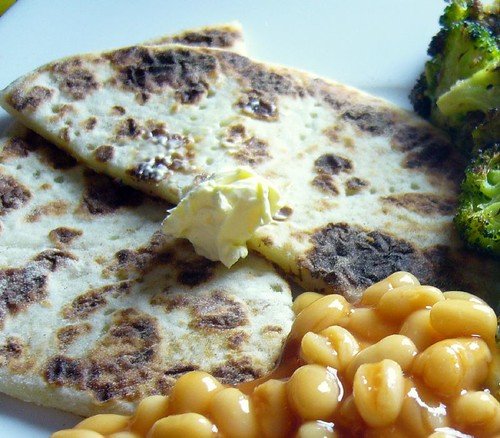
Potato farls, a staple of traditional Irish cuisine, have witnessed numerous adaptations in recent years as chefs look to cater to diverse dietary needs and preferences. One notable variant is the gluten-free potato farl. By substituting traditional wheat flour with gluten-free alternatives such as almond flour, coconut flour, or a proprietary gluten-free blend, these adaptations maintain the beloved flavor while accommodating those with gluten intolerances or celiac disease. This allows a wider audience to appreciate the rich history of potato farls without compromising on taste.
Moreover, modern culinary creativity has led to inventive twists on the classic potato farl. Chefs are infusing contemporary flavors by incorporating ingredients such as herbs, spices, or even cheese into the dough. For instance, adding fresh chives or garlic not only enhances the aroma but also brings a new depth of flavor to the dish. Additionally, some innovative chefs have begun to incorporate other root vegetables, like sweet potatoes or carrots, into the traditional recipe, resulting in visually appealing and multicolored farls that are equally tantalizing to the palate.
When it comes to serving potato farls, contemporary presentations have strayed from the conventional approach. Modern plating techniques often emphasize artful arrangements, with farls served alongside accompaniments such as poached eggs, avocado, or even smoked salmon. These combinations not only enhance the flavor profile but also present the dish as an upscale brunch option. Furthermore, integrating potato farls into dishes like breakfast skillets or loading them with seasonal vegetables can elevate the dining experience.
The rebirth of potato farls in modern cuisine beckons a call to both traditionalists and culinary adventurers. Encouraging experimentation with ingredients and presentation methods while remaining true to the essence of this beloved dish can inspire home cooks to delight in potato farls in their kitchen.