
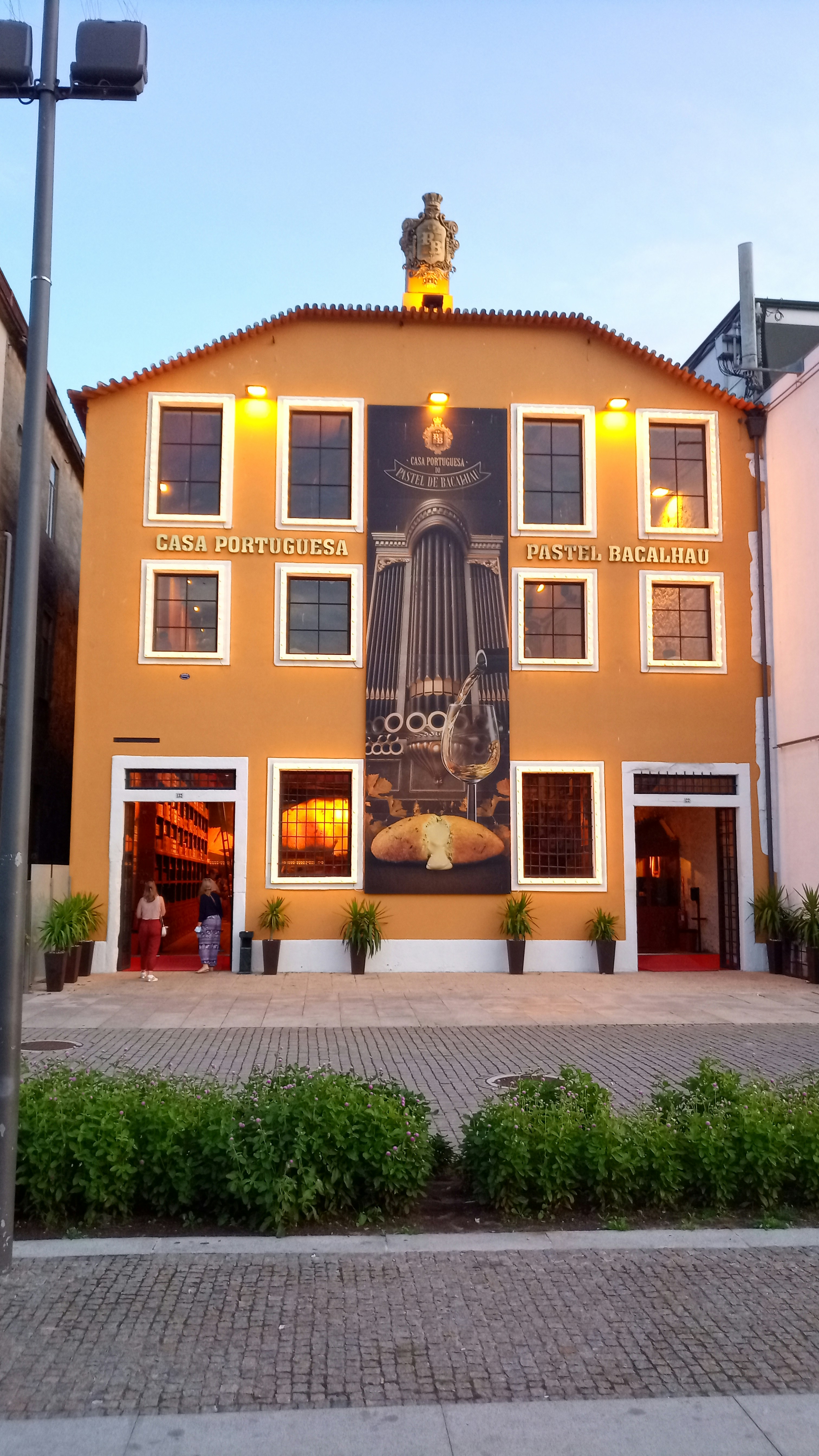
Introduction to Carne de Porco à Portuguesa
Carne de Porco à Portuguesa, a traditional Portuguese dish, showcases the rich culinary heritage of Portugal. This flavorful meal primarily features pork, which is a staple protein in many Mediterranean diets, signifying its cultural significance. The dish blends the robust flavors of marinated pork with a variety of regional ingredients that reflect the agricultural abundance of Portugal, making it a beloved classic in Portuguese cuisine.
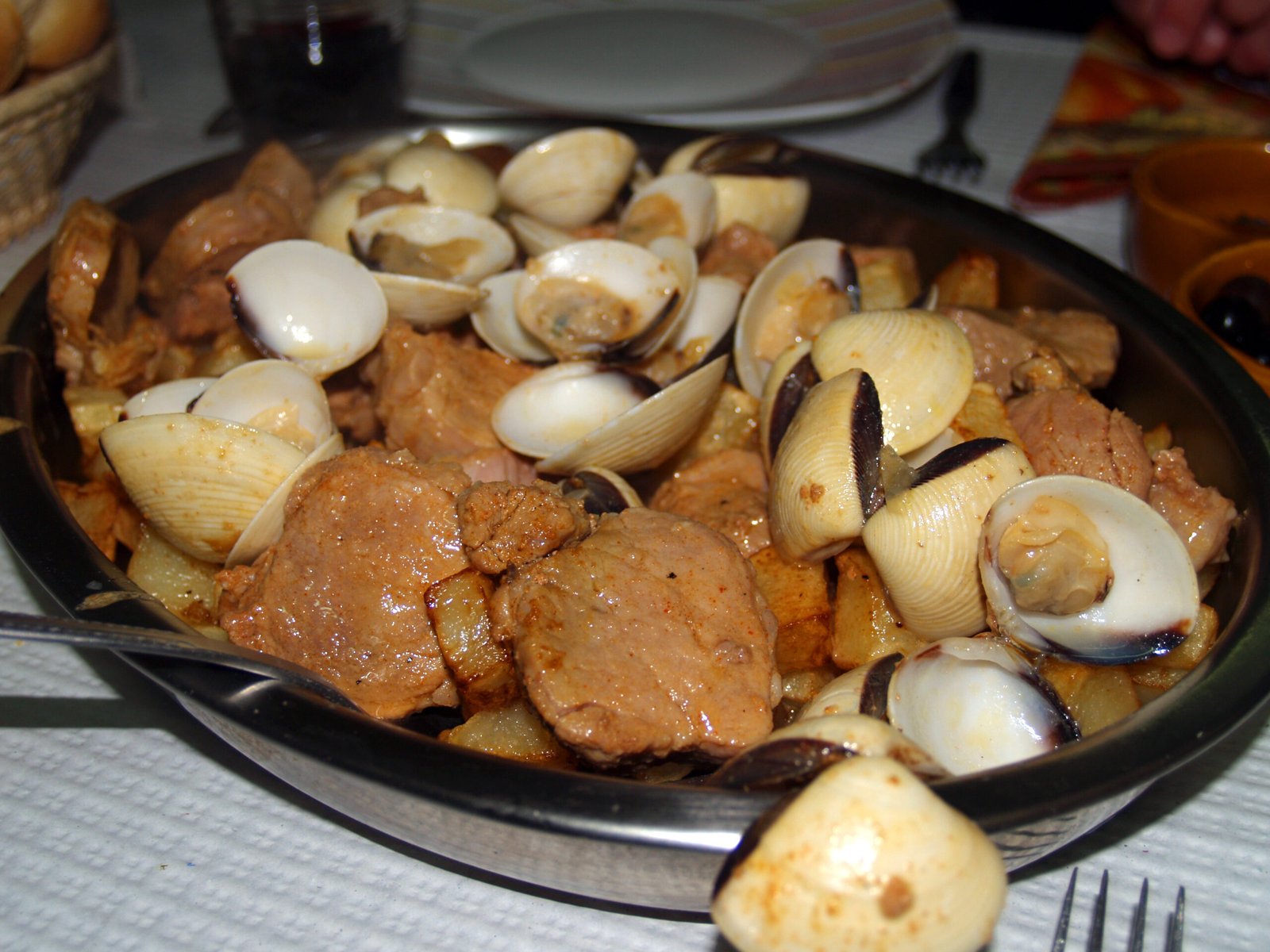
The origins of Carne de Porco à Portuguesa can be traced back to rustic roots, often associated with celebrations and gatherings. Its preparation generally involves marinating the pork in a mixture of spices, garlic, and wine, allowing the meat to absorb the diverse flavors characteristic of Portuguese cooking. This method of preparation not only enhances the taste but also pays homage to the traditional cooking techniques passed down through generations.
Culturally, Carne de Porco à Portuguesa represents more than just a meal; it embodies the spirit of community and family gatherings typical of Portuguese life. Often served during festive occasions or Sunday dinners, this dish promotes sharing and togetherness, reinforcing the social fabric that defines Portuguese culture.
The primary ingredients used in Carne de Porco à Portuguesa include pork shoulder or ribs, garlic, bay leaves, and a variety of spices such as paprika. Additionally, it is common to include regional products such as red wine and sometimes, even traditional sausages, to add depth to the flavor profile. The integration of these ingredients not only highlights the local gastronomy but also mirrors the influence of Portugal’s colonial past, showcasing elements from other cultures that have enriched the Portuguese kitchen.
As we delve deeper into the nuances of Carne de Porco à Portuguesa, we will uncover the techniques involved in its preparation, the variations that exist, and its vibrant presence in Portuguese cuisine that continues to inspire many around the world.
Cooking Method and Preparation
Carne de Porco à Portuguesa is a traditional Portuguese dish that highlights the rich culinary heritage of Portugal. The preparation of this dish typically begins with selecting high-quality pork, often using cuts such as shoulder or loin, which provide the best flavor and tenderness. The first crucial step in the cooking process involves marinating the pork. A marinade composed of garlic, bay leaves, and a blend of spices such as paprika and black pepper is commonly used. This not only infuses the meat with flavor but also helps tenderize it, allowing the spices to penetrate deeply.
After marination, the next phase is browning the pork. This essential technique is achieved by searing the marinated pieces in a hot pan with olive oil, resulting in a golden crust that enhances the dish’s flavor profile. The process not only locks in moisture but also develops a depth of flavor that is characteristic of classic Portuguese cuisine.
Following browning, the pork is typically simmered slowly in a mixture that includes wine, tomatoes, and sometimes a hint of vinegar, creating a vibrant sauce. The choice of wine can vary, but red wine is frequently preferred for its robust character. The simmering process allows the pork to absorb the flavors while becoming incredibly tender. It is essential to balance the seasoning during this stage to achieve a harmonious flavor profile, ensuring that no particular spice overpowers the others.
Finally, the dish is commonly served with traditional sides such as rice or potatoes, which complement the rich sauce. Utilizing authentic ingredients throughout the preparation process is vital to achieving the true essence of Carne de Porco à Portuguesa. This dish is not only a testament to the culinary skills involved but also a celebration of Portugal’s regional flavors and cooking techniques.
Taste and Flavor Profile
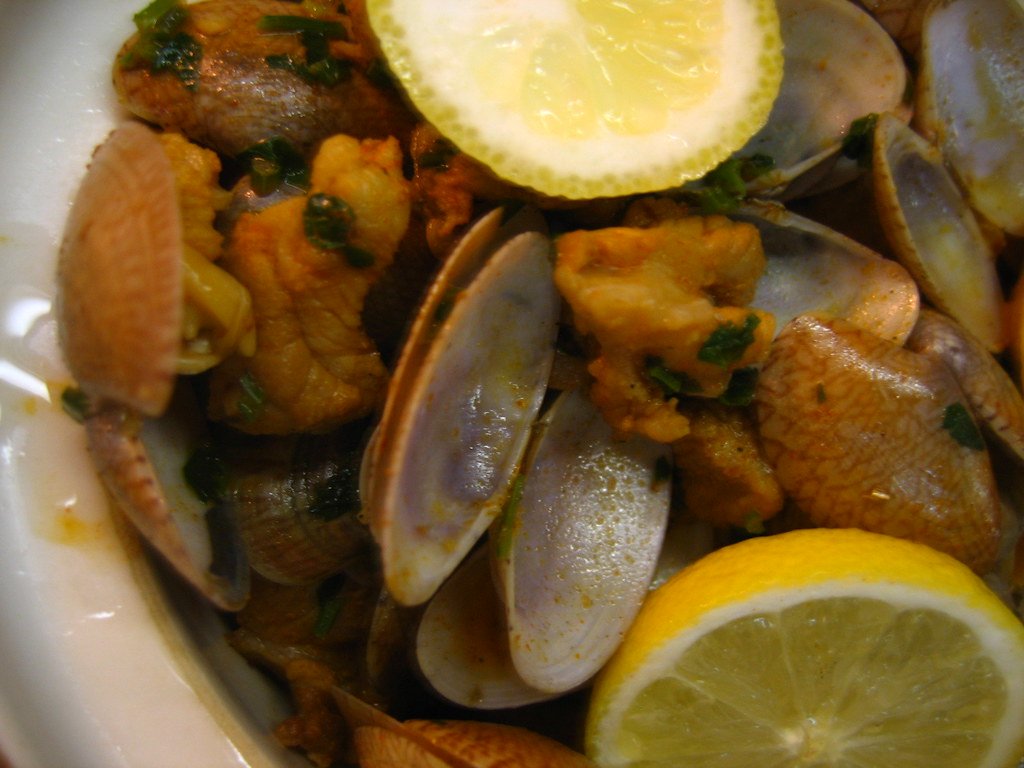
Carne de Porco à Portuguesa is a traditional Portuguese dish renowned for its robust flavors and satisfying texture, making it a culinary delight among both locals and aficionados of Portuguese cuisine. At its core, the dish features tender, succulent pieces of pork that are marinated and cooked to perfection, ensuring a rich and savory experience with every bite. The pork used in this recipe is usually derived from the shoulder or belly, providing an ideal balance of meat and fat which enhances the overall juiciness.
The flavor profile of Carne de Porco à Portuguesa is marked by a harmonious blend of spices and seasonings. A typical preparation often includes garlic, bay leaves, and paprika, which work together to infuse the pork with a depth of flavor. The use of white wine and vinegar in the marinade introduces a slight acidity, cutting through the richness of the meat while also adding complexity to the overall taste experience. Furthermore, the addition of onions and sometimes tomatoes during the cooking process contributes an earthy sweetness that complements the spices perfectly.
Regional variations of Carne de Porco à Portuguesa can introduce distinctive flavor notes, often influenced by local ingredients and culinary traditions. For instance, some variations may incorporate olives or piri-piri sauce, adding a kick of heat and a touch of brininess to the dish. Additionally, common pairings include roasted potatoes or rice, which not only serve as a satisfying accompaniment but also help to absorb the flavorful sauce of the dish.
Ultimately, the mastery of Carne de Porco à Portuguesa lies in the careful selection of ingredients and the attention given to the cooking process, resulting in a meal that is comforting, delicious, and evocative of the rich culinary heritage of Portugal.
Cultural Significance and Popularity
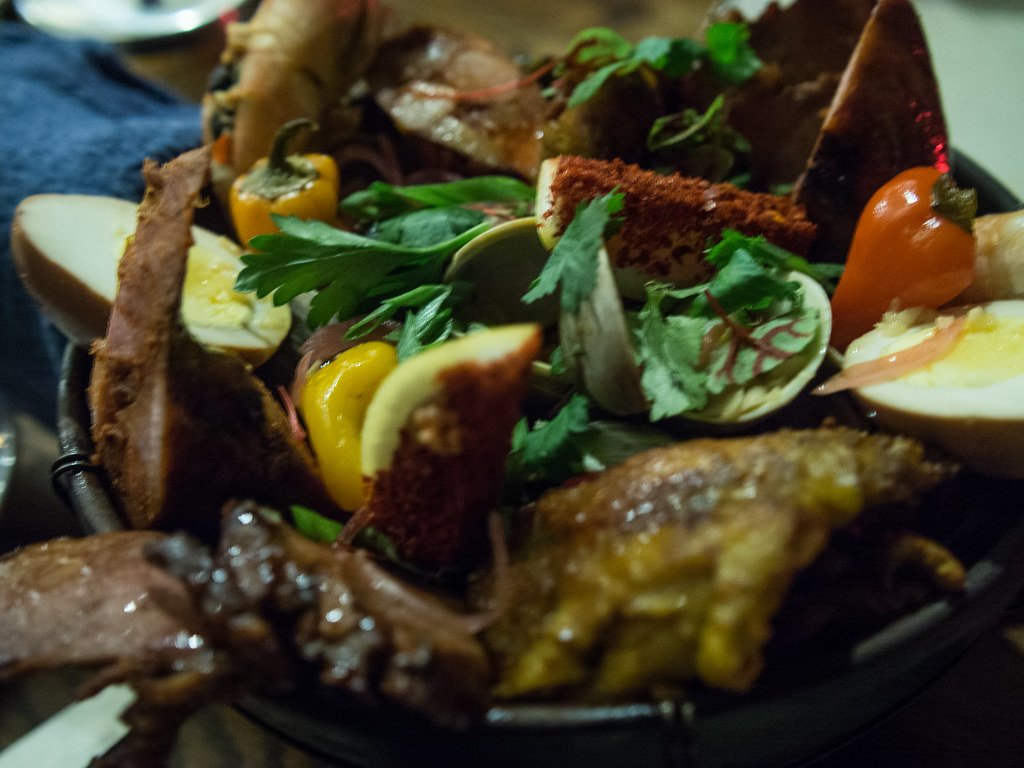
Carne de Porco à Portuguesa holds a revered place within Portuguese cuisine and culture, embodying the rich culinary traditions that have been passed down through generations. This hearty pork dish is often a centerpiece during significant gatherings, celebrating both familial bonds and regional festivities. During festive occasions, such as weddings and religious feasts, Carne de Porco à Portuguesa is not merely a meal; it represents unity and tradition, bringing people together to savor its robust flavors and shared heritage.
Beyond the realm of personal celebrations, the popularity of this dish has also permeated various aspects of social life in Portugal. It is frequently served at family reunions, reflecting the deep-rooted connection to cultural customs and the importance of shared experiences around the dining table. As it is enjoyed in homes across the country, Carne de Porco à Portuguesa serves as a comforting reminder of one’s roots and the significance of culinary continuity within families.
Moreover, the growing global interest in Carne de Porco à Portuguesa is reflective of its charming character and flavor profile, appealing to a broader audience outside Portugal. Many restaurants around the world have begun incorporating this dish into their menus, often reinterpreting it with local ingredients or techniques while retaining its authentic essence. This culinary adaptation signifies a fusion of cultures, as international diners find joy in exploring the rich flavors of Portuguese cuisine, highlighting the adaptability and enduring appeal of Carne de Porco à Portuguesa.
In conclusion, Carne de Porco à Portuguesa is not just a dish; it is a gastronomic symbol of Portugal’s vibrant culinary identity, fostering connections among people and cultures around the world. Its popularity continues to grow, reinforcing its place as a beloved dish that transcends geographical boundaries while honoring traditional Portuguese values.