
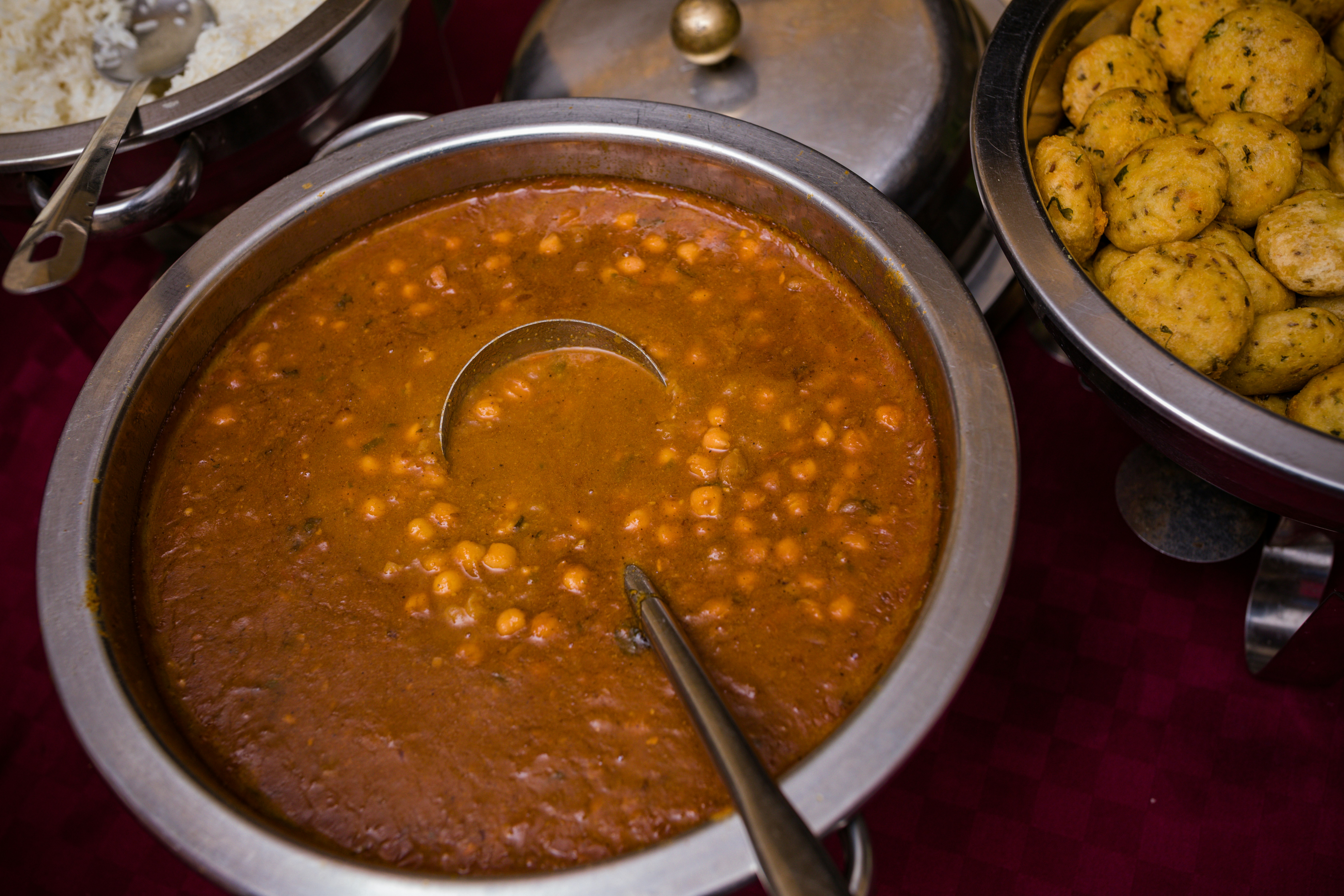
Introduction to Chana Masala
Chana masala is a distinguished dish within Indian cuisine, celebrated for its robust flavor profile and rich historical roots. At its core, chana masala consists of chickpeas, also known as chana, which are legumes packed with protein and enjoyed for their versatility in a variety of dishes. The preparation typically involves simmering these chickpeas in a blend of aromatic spices, making for a hearty and satisfying meal.
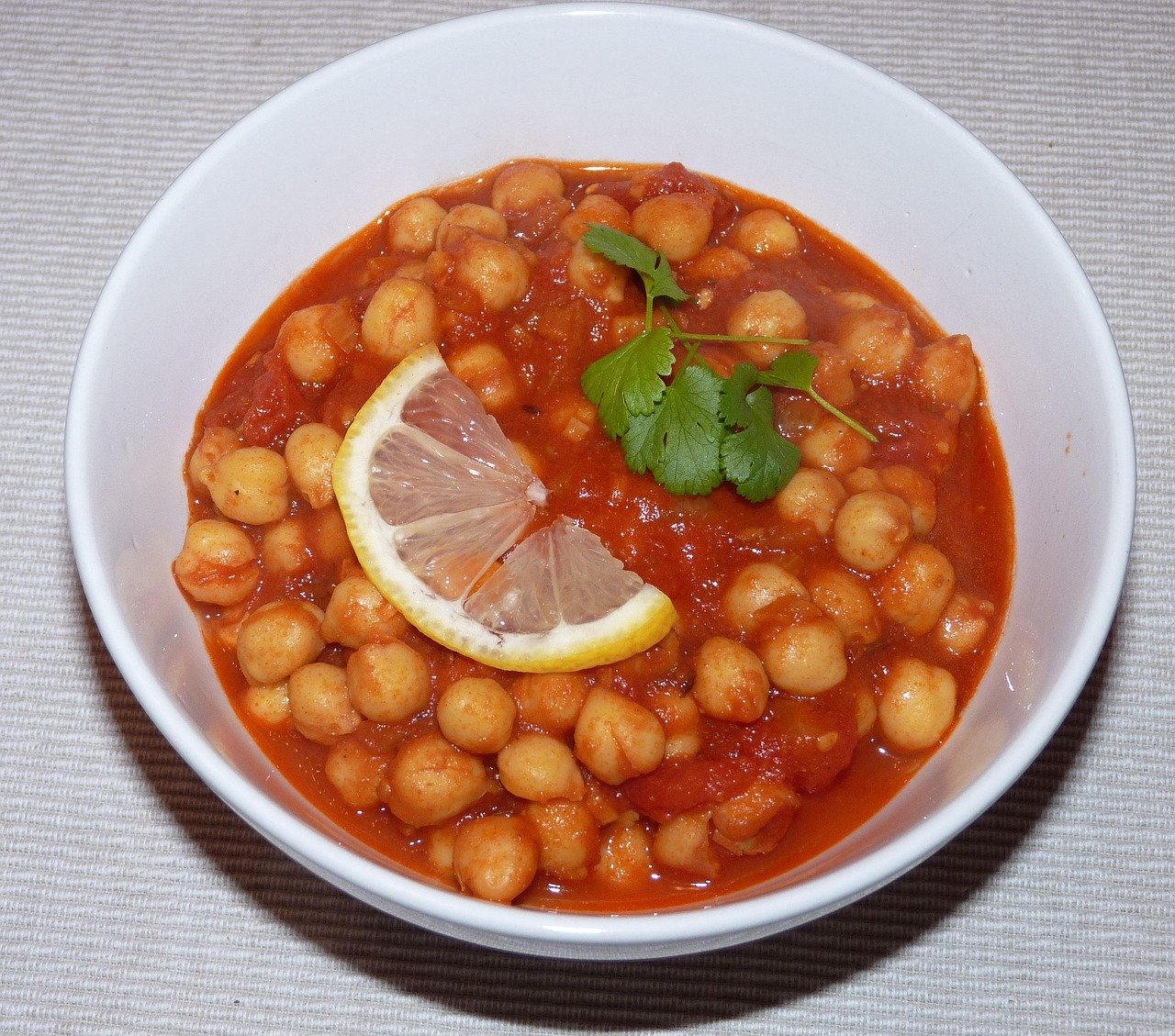
The basic ingredients of chana masala include chickpeas, onions, tomatoes, garlic, ginger, and a variety of spices such as garam masala, cumin, and coriander. These ingredients come together to create a dish that is both flavorful and nutritious. The chickpeas are often cooked until tender, allowing them to absorb the spices, creating a vibrant, spiced sauce that is both hearty and delectable.
Chana masala holds regional significance across India, with variations emerging in different states. For example, in Punjab, the dish may be enriched with yogurt or cream, while in South India, it might be served alongside coconut chutney or dosa. This adaptability underscores its popularity across diverse culinary traditions. The dish is not only a common sight in everyday meals but also graces festive occasions, emphasizing its importance in Indian culture.
Its appeal lies in the balance of flavors and textures, making chana masala suitable for various dining settings, from casual family dinners to elaborate celebratory feasts. This dish often accompanies rice or flatbreads, providing a complete meal that is loved by many. With its roots deeply embedded in the heart of Indian cuisine, chana masala continues to gain popularity worldwide, representing a savory taste of tradition and culture.
Flavor Profile and Ingredients
Chana masala is a beloved dish known for its rich and complex flavor profile, primarily derived from a symphony of spices that form the heart of its preparation. The main ingredient, chickpeas, offers a nutty and creamy base, while the assortment of spices elevates the dish to an aromatic experience. Key spices, such as cumin, coriander, turmeric, and garam masala, are crucial in achieving the distinct flavors that characterize chana masala. Cumin adds earthy undertones, while coriander delivers a hint of citrus. Garam masala, a blend of spices including cardamom, cinnamon, and cloves, introduces warmth and depth, making it an essential component in many variations of the dish.
Another significant facet of chana masala’s flavor is the incorporation of tomatoes and onions. Onions, when sautéed to a golden brown, enrich the dish with sweetness and complexity. Tomatoes serve not only as a source of acidity that balances the spices but also add a luscious texture that enhances the overall mouthfeel. Together, these ingredients create a layered flavor profile that can be adapted through different cooking techniques.
Variations in chana masala may arise from regional spices or cooking methods employed. For instance, some recipes may utilize fresh green chilies or dried red chili powder, imparting varying levels of heat and spiciness. Moreover, the use of fresh herbs like cilantro can introduce a refreshing note, contrasting the robust spices. Cooking techniques, such as using a pressure cooker versus slow simmering, can also influence the flavor and texture of chana masala. Each method allows the spices and ingredients to either blend more thoroughly or maintain their individual characteristics, leading to delightful variations in this versatile dish. The harmony of flavor elements in chana masala exemplifies the culinary artistry that transforms simple ingredients into a passionate celebration of taste.
Cultural Significance and Variations Across Regions
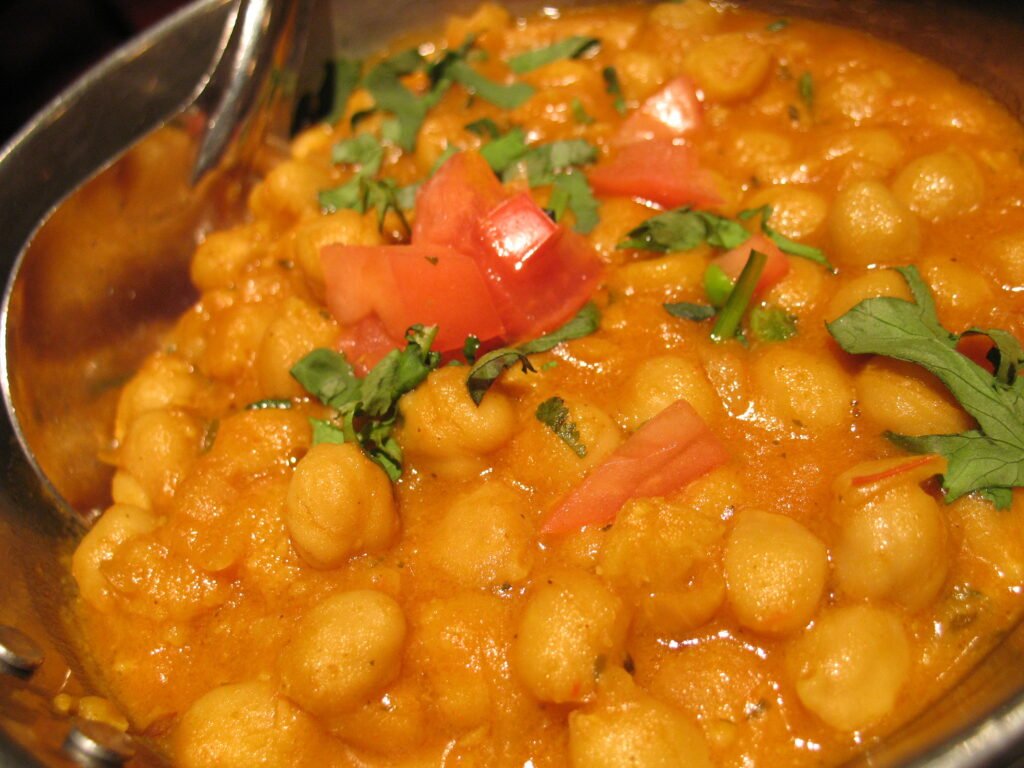
Chana masala, a popular dish in Indian cuisine, embodies not only a rich flavor profile but also bears significant cultural importance across various regions of India. It is primarily prepared with chickpeas, spices, and a blend of aromatic ingredients, making it a staple in households and restaurants alike. The dish serves as a source of sustenance in vegetarian and vegan diets, appealing to a wide audience seeking nutritious and flavorful meals.
In Punjab, chana masala is characterized by its robust flavors and is often referred to as ‘Punjabi chana masala.’ This version typically includes a variety of spices such as coriander, cumin, and garam masala, lending a hearty essence that reflects the Punjabi culinary tradition. The use of onions, tomatoes, and green chillies further enhances its flavor, making it a beloved dish that accompanies rice or flatbreads such as naan and roti. The incorporation of butter or ghee during cooking adds richness, making Punjabi chana masala a comfort food for many.
Conversely, in South India, a distinct variant known as ‘kala chana’ is prepared using black chickpeas. This version is often spiced differently, incorporating localized ingredients like coconut and curry leaves. The cooking method can also vary, with pressure cooking being a prevalent technique. Such regional diversities underscore the adaptability of chana masala, demonstrating how local ingredients and dietary preferences influence its preparation and presentation.
The global adaptation of chana masala signifies its increasing popularity outside of India. As more individuals adopt vegetarian and vegan lifestyles, this dish has emerged as a significant culinary offering in international Indian cuisine. Its versatile nature allows it to be enjoyed in different forms, from street food to fine dining, thus promoting cross-cultural appreciation and highlighting the dish’s enduring significance.
How to Enjoy Chana Masala: Pairing and Serving Suggestions
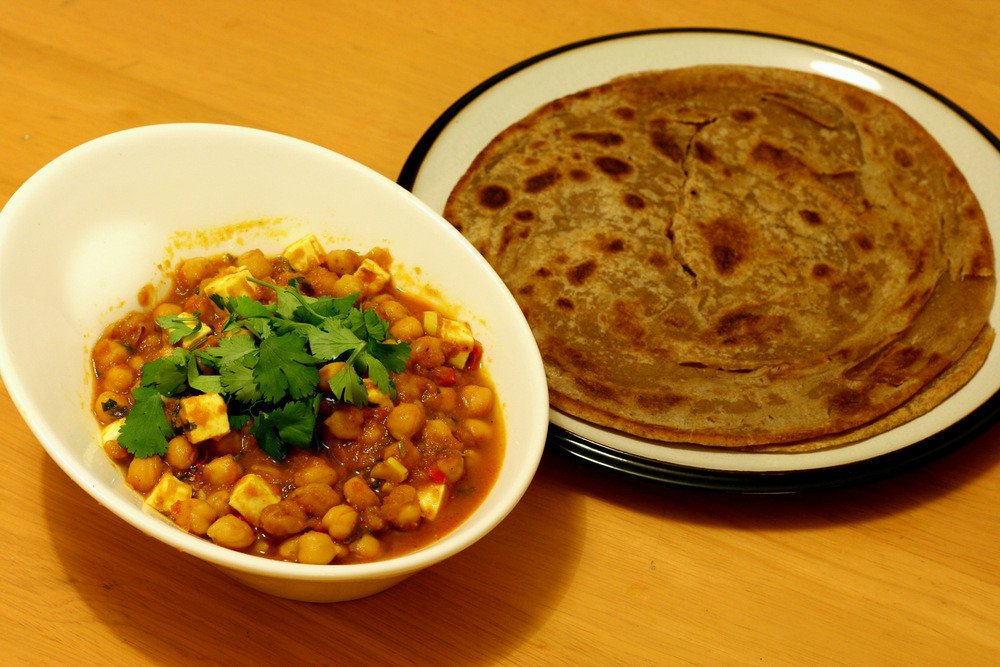
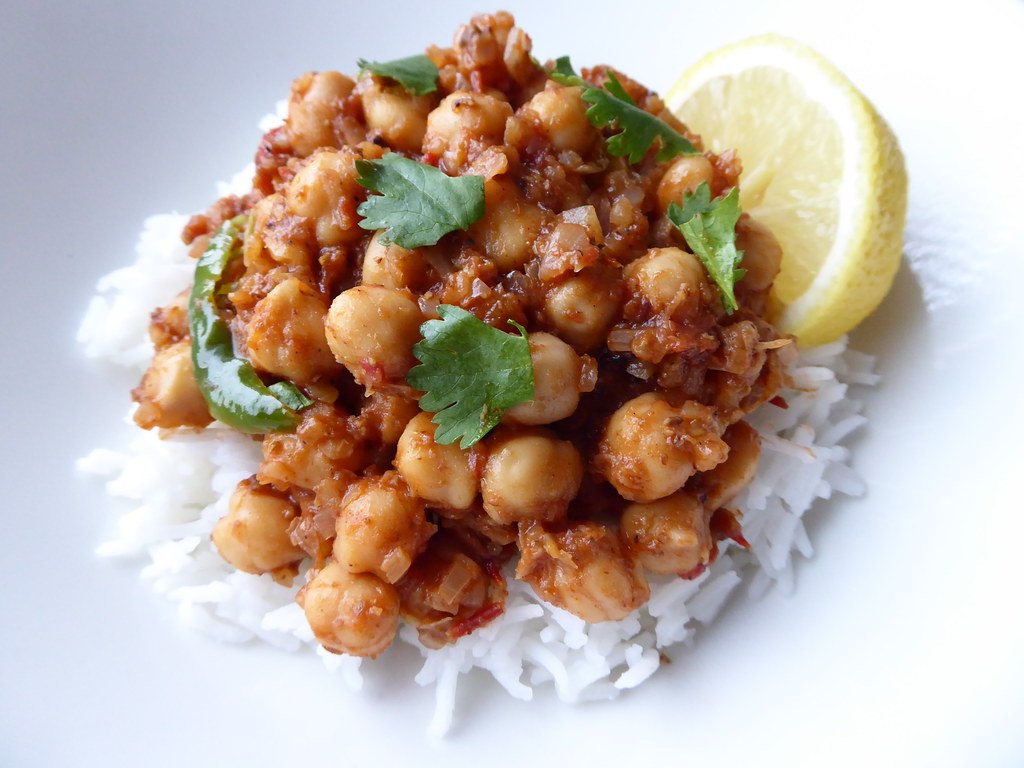
Chana masala, a beloved dish in Indian cuisine, is not only rich in flavor but also versatile when it comes to serving options. To fully appreciate this aromatic chickpea stew, it’s essential to consider complementary pairings that enhance its taste and texture. Traditionally, chana masala is served with rice, naan, or roti. Each of these options provides a different experience, as the soft, flaky naan and the dense texture of roti excel in scooping up the chickpeas and the flavorful sauce. Alternatively, serving it over steamed basmati rice creates a delicious combination, allowing the robust spices to mingle with the grains.
For presentation, consider garnishing chana masala with fresh cilantro or a squeeze of lemon juice. These finishing touches not only add visual appeal but also enhance the overall flavor profile, providing a refreshing contrast to the rich spices within the dish. If you have leftover chana masala, it’s best stored in an airtight container in the refrigerator, where it can last for up to three days. When reheating, a gentle warming over low heat on the stovetop helps maintain the dish’s consistency; adding a splash of water can revive dried-out portions.
In addition to traditional serving methods, explore creative ways to incorporate chana masala into various dishes. Consider using it as a filling for samosas, or as a topping for baked potatoes, creating a hearty fusion meal. You could also blend it into a soup, adding extra broth and vegetables to create a comforting stew. Whether enjoyed in its classic form or repurposed into innovative dishes, chana masala remains a flavorful option sure to satisfy and nourish.