
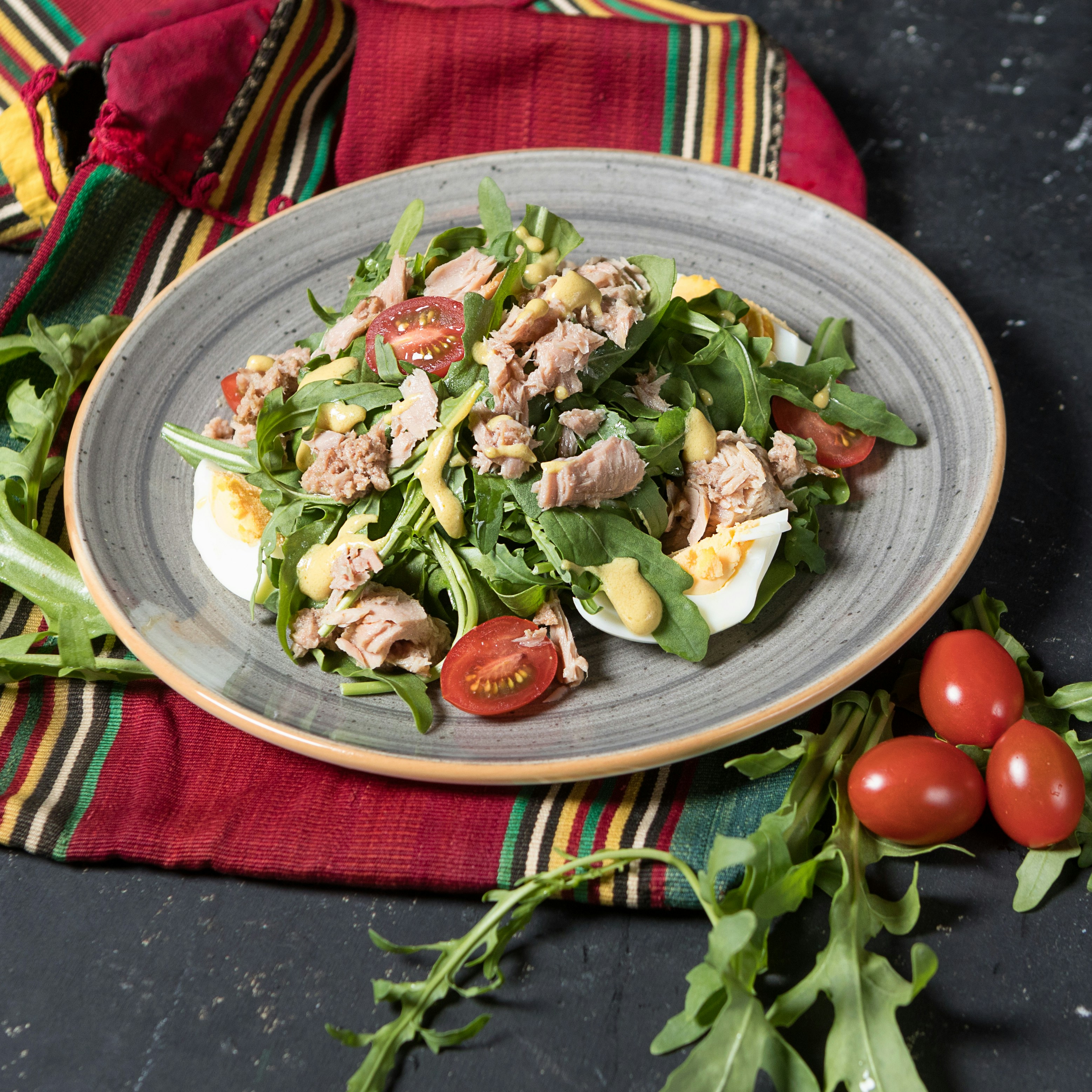
Introduction to Salade Niçoise
Salade Niçoise is a quintessential dish that encapsulates the essence of the Mediterranean diet, originating from the picturesque city of Nice, situated on the French Riviera. This salad embodies not only the rich agricultural heritage of the region but also reflects the vibrant culture that has influenced its creation over the years. Its roots can be traced back to the 19th century, where local farmers and fishermen utilized fresh, seasonal ingredients to craft a meal that was both nutritious and satisfying.
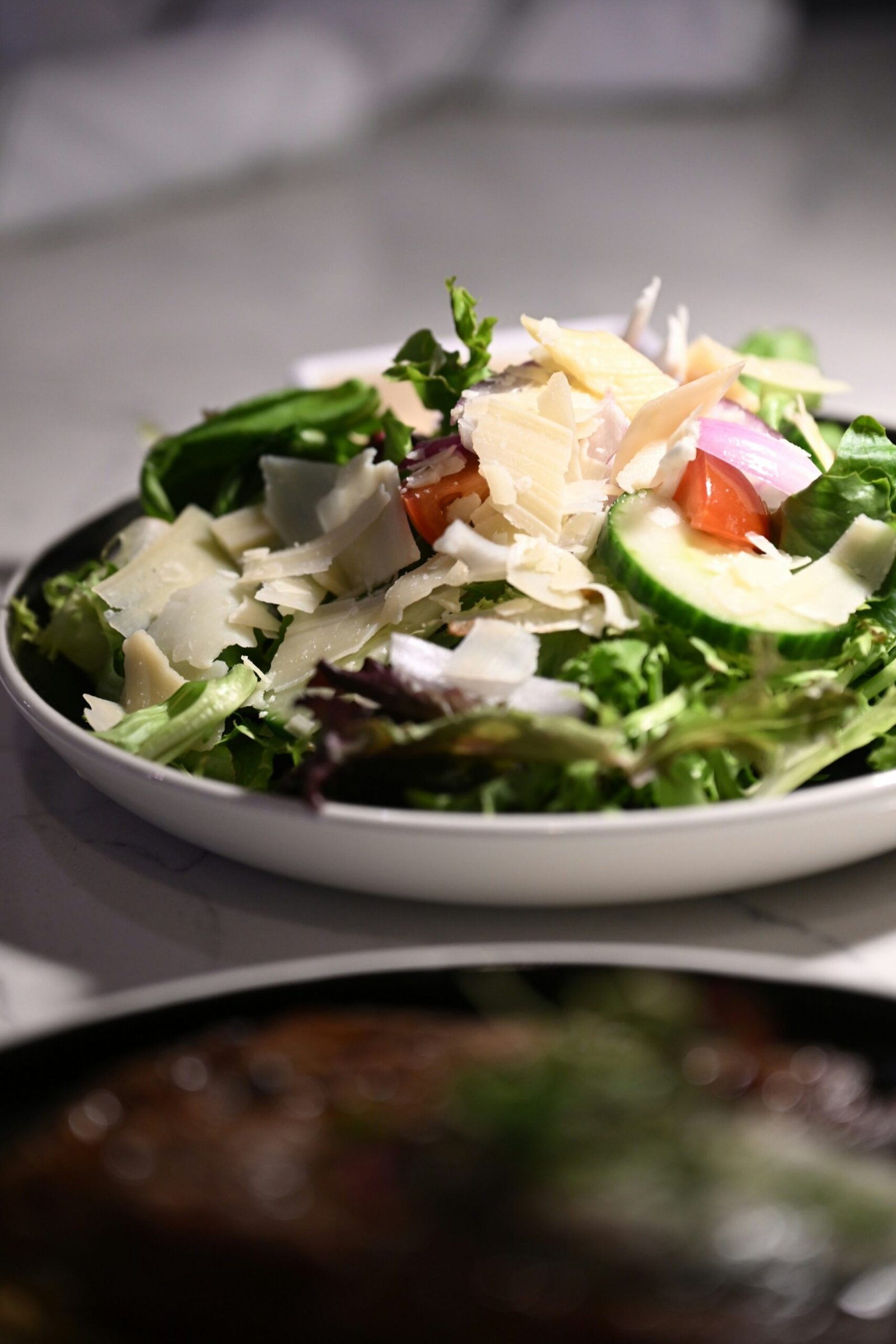
Traditionally, Salade Niçoise comprises a colorful array of components. The foundation typically includes ripe tomatoes, crisp green beans, and tender potatoes, all seasoned with high-quality extra virgin olive oil. Complementing these ingredients are briny olives, which offer a distinct flavor profile, and tuna, the protein source that ties the dish together. Variations may feature additional ingredients such as hard-boiled eggs, anchovies, or even artichokes, making each rendition unique depending on regional influences or personal preferences.
The significance of Salade Niçoise in Mediterranean cuisine cannot be overstated. It exemplifies a harmonious balance of flavors and textures, showcasing the abundance of local produce. Moreover, its versatility allows it to be enjoyed as a main course or a side dish, making it suitable for various dining occasions. The salad’s appeal extends beyond the Mediterranean, as it has garnered popularity worldwide, often seen as a representation of French culinary artistry.
In the following sections, we will delve deeper into the traditional preparation methods, the cultural implications, and the modern interpretations of this beloved dish, providing readers with a comprehensive understanding of what makes Salade Niçoise truly special.
Ingredients and Preparation Methods
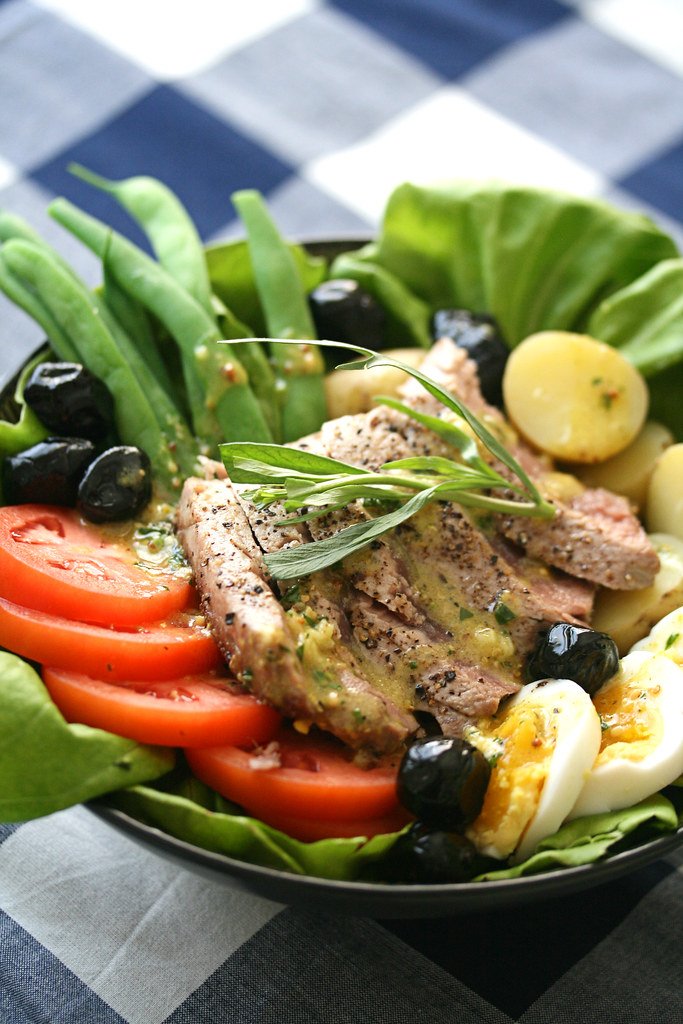
Salade Niçoise is a vibrant and flavorful salad that exemplifies the use of fresh, high-quality ingredients. The classic version typically includes several key components: fresh tuna, green beans, ripe tomatoes, hard-boiled eggs, and olives. Each ingredient not only contributes to the overall flavor profile but also emphasizes the importance of seasonal produce. For optimal taste and texture, sourcing ingredients from local markets is highly recommended.
Fresh tuna is a star ingredient in Salade Niçoise. While some recipes may opt for canned tuna, using premium-quality, freshly caught tuna elevates the dish and mirrors its coastal origins. The choice between these options can significantly affect the overall taste. Similarly, the tomatoes should be vine-ripened, ensuring they are juicy and full of flavor. Cherry tomatoes, while commonly used, can be substituted with larger varieties when in season.
The inclusion of green beans is essential as they add a delightful crunch. Blanching the beans—boiling them briefly before plunging them into ice water to stop the cooking—preserves their vivid color and crispness. Hard-boiled eggs are often quartered or halved and contribute creaminess to the salad; opting for farm-fresh eggs can enhance the richness of the dish.
Olives are another critical component; Niçoise olives are traditional, but Kalamata or any other brined olives can be excellent alternatives depending on availability and personal preference. Lastly, the dressing—a simple mix of olive oil, vinegar, salt, and pepper—should be drizzled over the salad just before serving to prevent wilting. Careful assembly of the ingredients will showcase their colors and textures, creating an enticing presentation. Following these guidelines will ensure that each bite of your Salade Niçoise captures the essence of this classic dish.
Tasting Experience: Flavor Profile and Presentation
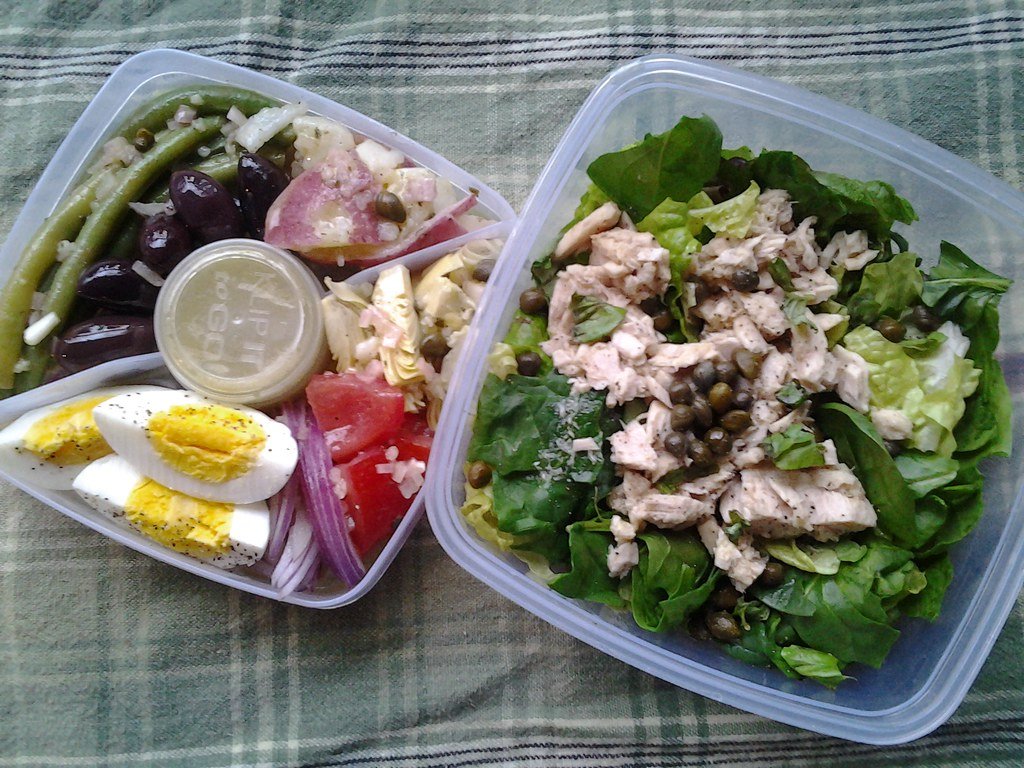
Salade Niçoise presents a visually stunning array of colors and textures that evoke the vibrancy of the Mediterranean. The dish typically features a delightful combination of bright greens from fresh lettuce, deep reds from ripe tomatoes, and striking yellows from hard-boiled eggs. The aesthetic appeal is heightened by the inclusion of olives, which add a dark contrast, and can be complemented by the seasonal addition of green beans and potatoes. This artistic arrangement not only heightens visual interest but also invites the diner to explore the various components that make up this classic salad.
The flavor profile of Salade Niçoise embodies a masterful balance of fresh, briny, and slightly acidic notes. The crispness of the lettuce and vegetables provides a refreshing base, while the umami-rich anchovies and olives impart depth and saltiness. Each ingredient plays a critical role; for instance, the tomatoes contribute a sweet juiciness that harmonizes beautifully with the tangy vinaigrette typically drizzled over the top. This dressing, made from high-quality olive oil and vinegar, enhances the overall freshness of the dish while providing that necessary acidity to cut through the richness of the eggs and tuna.
When indulging in Salade Niçoise, one may consider pairing it with a light, crisp white wine, such as a Sauvignon Blanc or a Provence rosé, to complement the salad’s freshness without overpowering its delicate flavors. For those seeking a more satisfying accompaniment, a slice of artisanal sourdough bread can enhance the sensory experience, allowing diners to savor the salad’s essence. By understanding both the presentation and flavor dynamics of Salade Niçoise, one can truly appreciate the artistry involved in crafting this traditional dish.
Cultural Significance and Variations
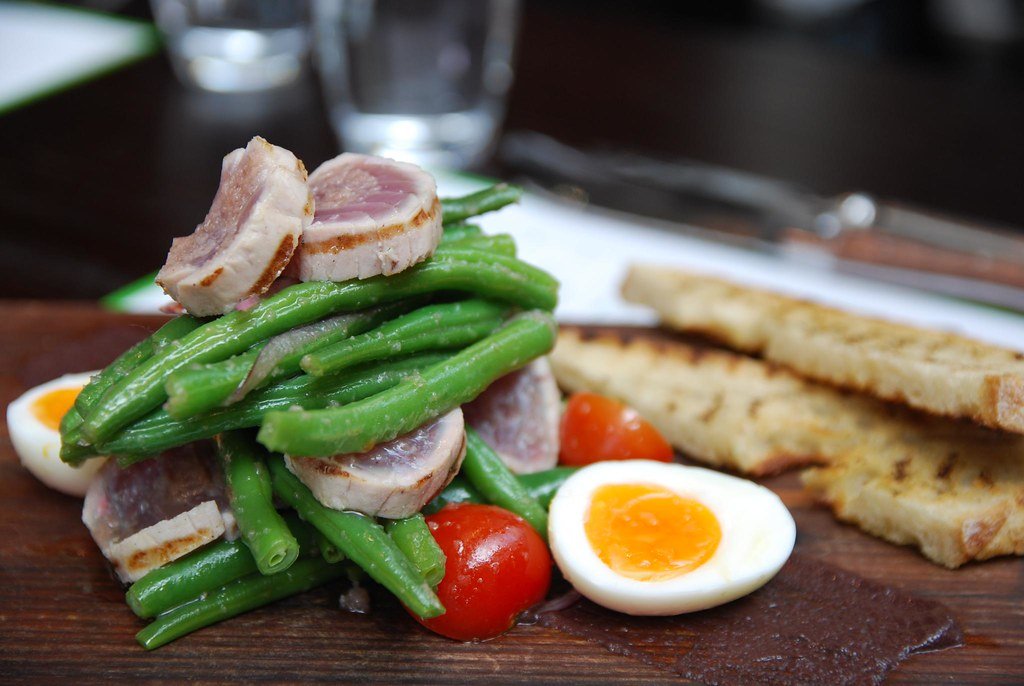
Salade Niçoise holds a prominent place in French cuisine, particularly in the culinary traditions of the Provence region. Originating from Nice, this vibrant salad reflects the area’s rich agricultural heritage and the Mediterranean lifestyle, emphasizing the use of fresh, seasonal ingredients. Its basic composition—a harmonious collection of tomatoes, green beans, boiled eggs, olives, and tuna—exemplifies the philosophy of utilizing local produce, thereby showcasing the flavors and colors of the Riviera.
Over time, Salade Niçoise has evolved beyond its traditional roots. The adaptability of this dish allows it to incorporate a range of ingredients, leading to contemporary variations that cater to diverse dietary preferences. For example, vegetarian adaptations replace tuna with chickpeas or tofu, while vegan versions eliminate eggs and cheese entirely, focusing instead on an array of vibrant vegetables. These adaptations illustrate how Salade Niçoise maintains relevance in today’s culinary landscape, accommodating the increasing demand for plant-based options.
Moreover, Salade Niçoise has transcended the borders of France to become a staple in restaurants worldwide. Its presence in social gatherings underscores its cultural significance as a dish meant to be shared. Whether served at casual family picnics or elegant dining establishments, it encourages communal dining experiences that reflect the Mediterranean tradition of savoring meals together. Additionally, this salad symbolizes the healthful Mediterranean diet, celebrated for its emphasis on fresh produce, olive oil, and seafood. As such, Salade Niçoise not only represents a delectable dish but also embodies a lifestyle that prioritizes wholesome eating.
In conclusion, the cultural significance of Salade Niçoise within both French and global food culture is profound. Its evolution to include various adaptations exemplifies its enduring appeal, solidifying its status as a global icon of gastronomy. Through its celebrated flavors and inclusive nature, Salade Niçoise continues to inspire food lovers around the world.