
Introduction to Fungee: Origins and Cultural Significance
Fungee is a traditional dish that holds a prominent place in the culinary heritage of the Caribbean, particularly in the islands of Antigua and Barbuda. This dish, primarily made from cornmeal, showcases the region’s rich agricultural produce and reflects the cultural influences that have shaped Caribbean cuisine over centuries. The origins of fungee can be traced back to the indigenous peoples of the Caribbean, who utilized local ingredients to create nourishing meals, showcasing the historical tapestry of the islands.
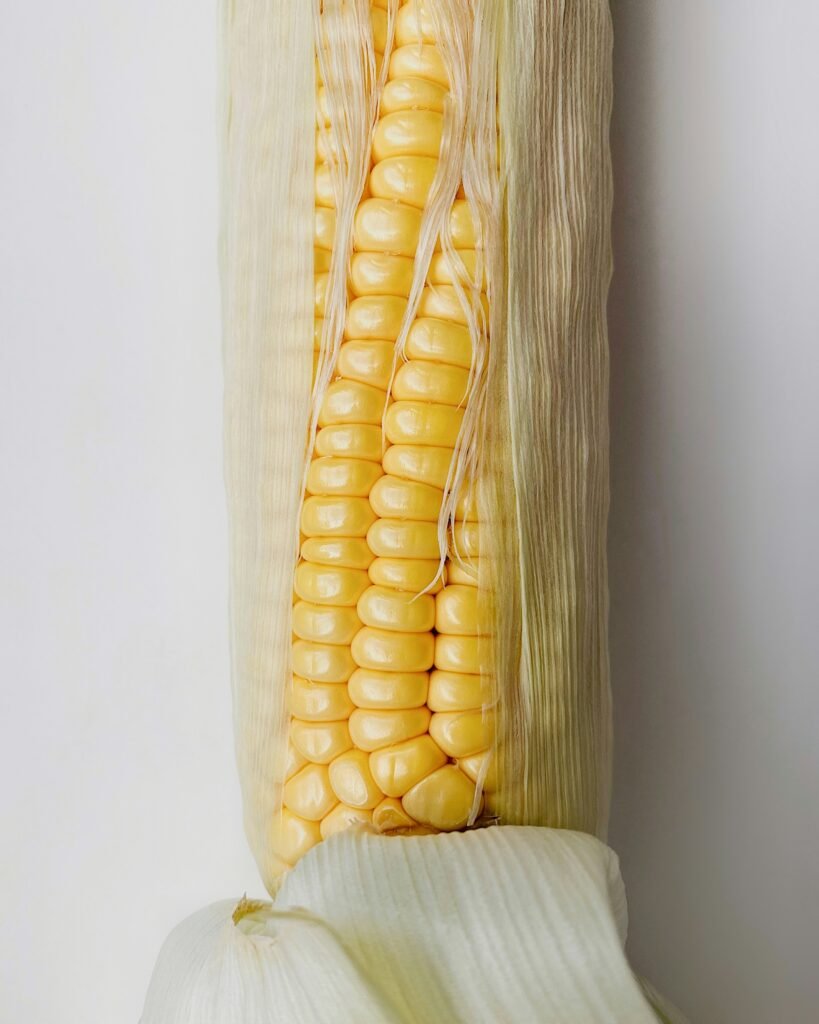
To prepare fungee, cornmeal is mixed with boiling water and stirred continuously until the mixture thickens into a smooth, sticky consistency. This cooking technique has been passed down through generations, demonstrating the communal aspect of Caribbean cooking. Traditionally, fungee is served alongside various proteins, vegetables, and sauces, further enhancing its appeal as a versatile dish. Its texture and flavor make it an excellent accompaniment to stews and grilled meats, offering a fulfilling base for a wide array of flavors.
Culturally, fungee plays a significant role in local festivities and family gatherings. It is often featured during special occasions, such as weddings, holidays, and community events, symbolizing hospitality and the spirit of sharing. The dish serves as a reminder of the shared heritage and culinary practices that unite the people of the Caribbean. In everyday life, fungee remains a staple on dining tables, with many families enjoying it as a comfort food that evokes nostalgia and connection to their roots.
In summary, fungee is more than just a dish; it represents a deep cultural significance and a vibrant history that continues to thrive in the Caribbean. It showcases both the agricultural abundance of the region and the enduring traditions that bring communities together.
Ingredients and Preparation: What Makes Fungee Unique
Fungee is a distinct dish that stands out in Caribbean cuisine, with its most fundamental ingredients being cornmeal and water. The cornmeal serves as the primary base, providing the dish with its characteristic texture and flavor. The type of cornmeal used can vary, with fine or coarse grinds being popular choices depending on regional availability and personal preferences. The process of preparing fungee is relatively straightforward yet requires attention to detail to achieve the ideal consistency.
To begin, water is boiled before slowly incorporating the cornmeal, stirring continuously to prevent clumping. This step is crucial, as it ensures that the mixture reaches a smooth and creamy texture. The key to perfecting fungee lies in its cooking technique, which often involves using a wooden spoon to stir vigorously, allowing the mixture to thicken over time. A gentle simmer is maintained, and the fungee is cooked until it has a somewhat firm yet pliable consistency. This process may take around 15 to 20 minutes, during which the fungee should be stirred periodically to prevent sticking to the pot.
Fungee is versatile, with several variations found in different Caribbean regions. For instance, some may incorporate additional ingredients like salt, butter, or coconut milk, infusing the dish with richness and flavor. These variations often reflect local tastes and available resources. In areas where seafood is readily accessible, fungee may be served alongside dishes like flying fish, further enhancing its appeal. Similarly, personal preferences play a significant role in the final outcome, as cooks often adjust the consistency to suit their desired outcome, ranging from a thicker, firmer texture to a softer, more porridge-like consistency. This adaptability showcases the charm of fungee as not just a dish, but a canvas for culinary creativity within Caribbean gastronomy.
Tasting Experience: What Does Fungee Taste Like?
Fungee offers a unique tasting experience that is difficult to replicate with other dishes. Its distinctive flavor profile predominantly arises from the main ingredient, cornmeal, which underpins its structure. The taste of fungee can be described as slightly sweet and earthy, with nutty undertones that come from the cooking process. This combination makes it a versatile base for accompanying flavors, particularly when served with traditional toppings like pepper sauce or seafood.
In terms of texture, fungee is soft and pliable, often resembling a chewy dough. This quality allows it to absorb flavors well, making it a perfect complement to richer dishes. The smooth surface of fungee contrasts with its hearty consistency, creating a delightful mouthfeel that enhances the overall dining experience. When paired with spicy or savory sauces, fungee’s adaptability shines, as it acts almost like a canvas, melding harmoniously with various flavors while providing a satisfying bite.
Aroma plays an essential role in the enjoyment of fungee, as it carries the scents of the ingredients it is paired with. When served hot, fungee releases steam that is rich with the fragrances of the spices and toppings, setting the stage for a memorable meal. Many individuals who have experienced fungee recount its unique appeal. One enthusiastic diner reflects, “The first time I tried fungee, I was captivated by its subtle sweetness and how well it absorbed the spice from the pepper sauce. It was a perfect match for the grilled fish.” Such testimonials highlight the allure of fungee within Caribbean cuisine, making it a must-try dish that showcases the local flavors in an unforgettable manner.
How to Enjoy Fungee: Pairings and Serving Suggestions
Fungee, a beloved dish from the Caribbean, is often best enjoyed when it’s accompanied by the right sides and beverages. To elevate the dining experience, consider pairing fungee with traditional dishes such as peppered shrimp or callaloo, which can complement the subtle flavors of the fungee. Adding a spicy fish stew or a hearty meat dish can balance the texture and taste, bringing a delightful contrast to the meal. These combinations are not only delicious but also reflect the cultural richness of Caribbean cuisine.
When it comes to beverages, rum punch or a refreshing coconut water are popular choices that enhance the flavors of fungee. Both drinks offer a tropical flair that pairs beautifully with the dish, creating an enjoyable and authentic Caribbean dining experience. Additionally, a light white wine or a sparkling beverage can offer an interesting twist, catering to varied preferences of guests.
Setting the table is another essential aspect of enjoying fungee. To create a warm and inviting Caribbean atmosphere, consider using vibrant tablecloths and colorful tableware that mirror the lively culture of the islands. Incorporating tropical fruits as centerpieces can add a touch of authenticity and festive spirit to your dining table. It is also customary to use utensils for eating fungee, although many enjoy it by hand, mirroring traditional practices. This flexibility allows guests to choose their preferred method while enjoying the culinary experience.
Cultural dining etiquette is important as well; sharing meals among family and friends is a cherished tradition in Caribbean culture, symbolizing unity and community. Encouraging diners to serve themselves and try various sides fosters a more interactive and enjoyable atmosphere, enabling everyone to appreciate the diverse flavors that accompany fungee. By focusing on these pairings and presentation tips, you can enhance the overall enjoyment of this delightful dish, ensuring that it is savored in its authentic setting.