
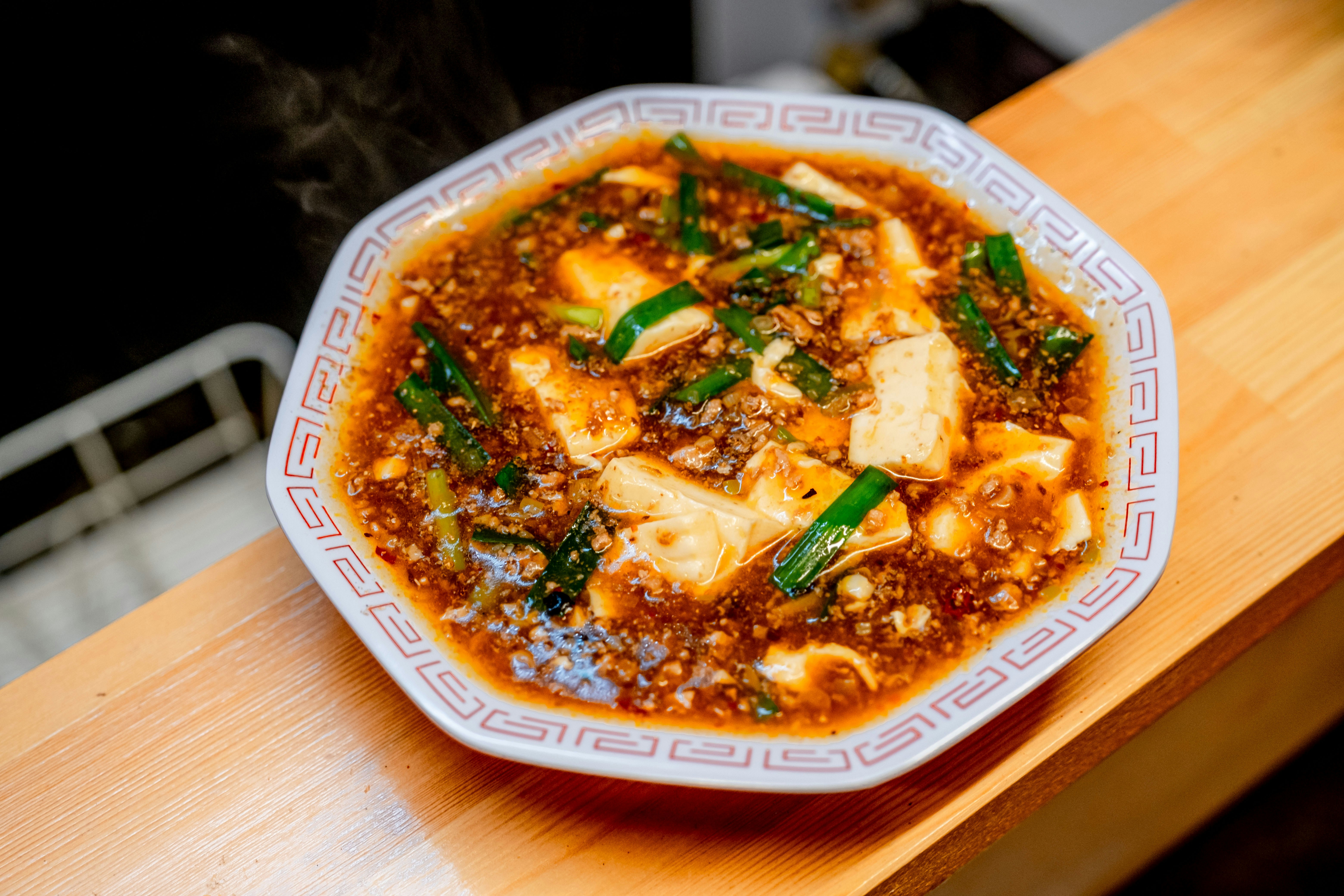
Introduction to Ma Po Tofu
Ma Po Tofu, a renowned dish from the Sichuan province of China, is celebrated for its bold flavors and distinctive textures. The origins of this dish date back to the late Qing Dynasty and are attributed to a woman known as “Po,” who ran a small restaurant in Chengdu. Her creation, which features silken tofu simmered in a rich, spicy sauce, quickly gained popularity and has since become a staple of Sichuan cuisine.
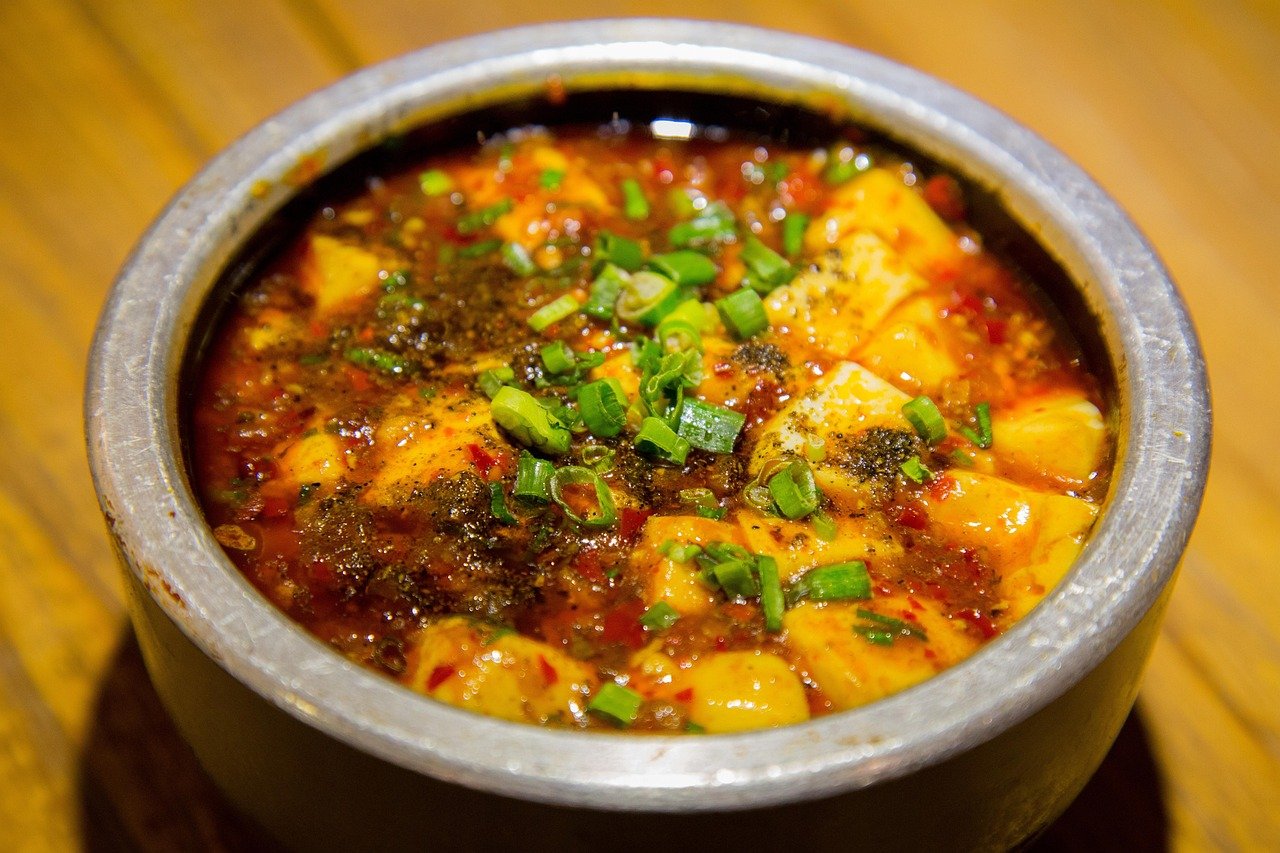
The hallmark of Ma Po Tofu lies in its unique combination of taste profiles. The dish typically combines the numbing heat of Sichuan peppercorns with the spiciness of doubanjiang (fermented broad bean paste). Additionally, the savory depth provided by ground meat, usually pork or beef, elevates the dish, creating a balance that tantalizes the palate. The tofu absorbs these flavors while maintaining its delicate texture, resulting in a mouthwatering culinary experience.
In terms of ingredients, Ma Po Tofu primarily includes soft tofu, ground meat, garlic, ginger, and a variety of seasonings that include soy sauce and chili oil. Variations of the dish may incorporate different proteins, such as chicken or shrimp, or even vegetarian options, showcasing its versatility. Over time, Ma Po Tofu has evolved, with modern interpretations appearing in various cuisines worldwide, yet it remains rooted in traditional preparation methods.
The relevance of Ma Po Tofu in Sichuan cuisine cannot be overstated. It is often served with steamed rice, acting as a comforting counterpart to the dish’s spiciness. Its enduring popularity can be attributed to its delightful balance of flavors, textures, and its embodiment of the communal dining experience that is central to Chinese culinary traditions. Today, Ma Po Tofu continues to be a beloved favorite among food enthusiasts, both in China and beyond.
Tasting Experience: Flavor Profile and Texture
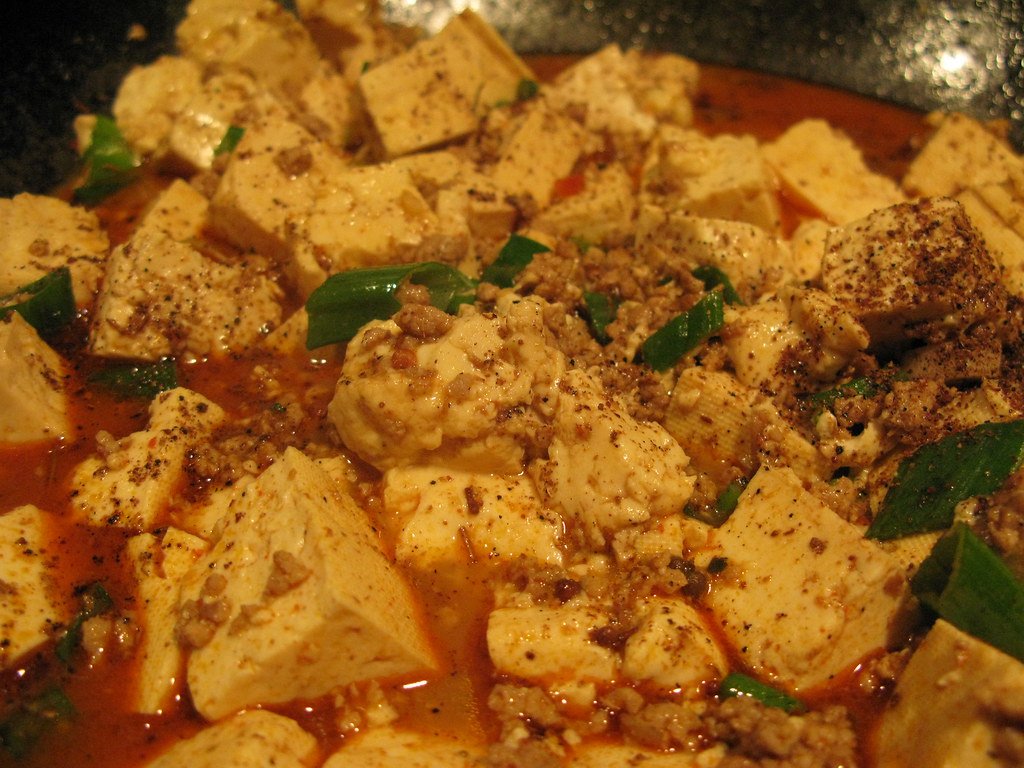
Ma Po Tofu is a delightful dish that encapsulates the quintessential elements of Sichuan cuisine, known for its bold and intricate flavors. The first interaction with this dish often starts with its visually striking presentation, characterized by a rich, red-hued sauce that beckons the palate. Upon tasting, the initial sensation is a subtle warmth that builds; this is attributed to the spicy Sichuan peppercorns, which are not only piquant but also imbue a distinctive numbing quality that is iconic to the region’s culinary traditions. The heat is noteworthy, yet it never overwhelms the palate, allowing the underlying flavors to shine through.
Integral to the flavor profile is the use of fermented black beans, which offer a robust umami depth that complements the vibrant spices. This combination ensures a complexity that is both appealing and satisfying, drawing diners into its bold embrace. Each bite reveals layers of flavor, where the heat from the peppercorns interact seamlessly with the savory notes of the fermented beans, creating a delightful harmony.
The texture of Ma Po Tofu is equally captivating. The tofu is exquisitely soft, with a silky smoothness that contrasts vividly against the crispy scallions sprinkled atop. This burst of crunch not only adds an unexpected layer of texture but also balances the dish’s rich sauce. Furthermore, the tofu’s ability to absorb the surrounding flavors enhances the overall tasting experience, providing a melt-in-the-mouth quality that is both comforting and indulgent. The combination of these elements, from the striking boldness of the spices to the delicate texture of the ingredients, ultimately makes Ma Po Tofu a remarkable adventure for the senses.
Perfect Pairings: What to Serve with Ma Po Tofu
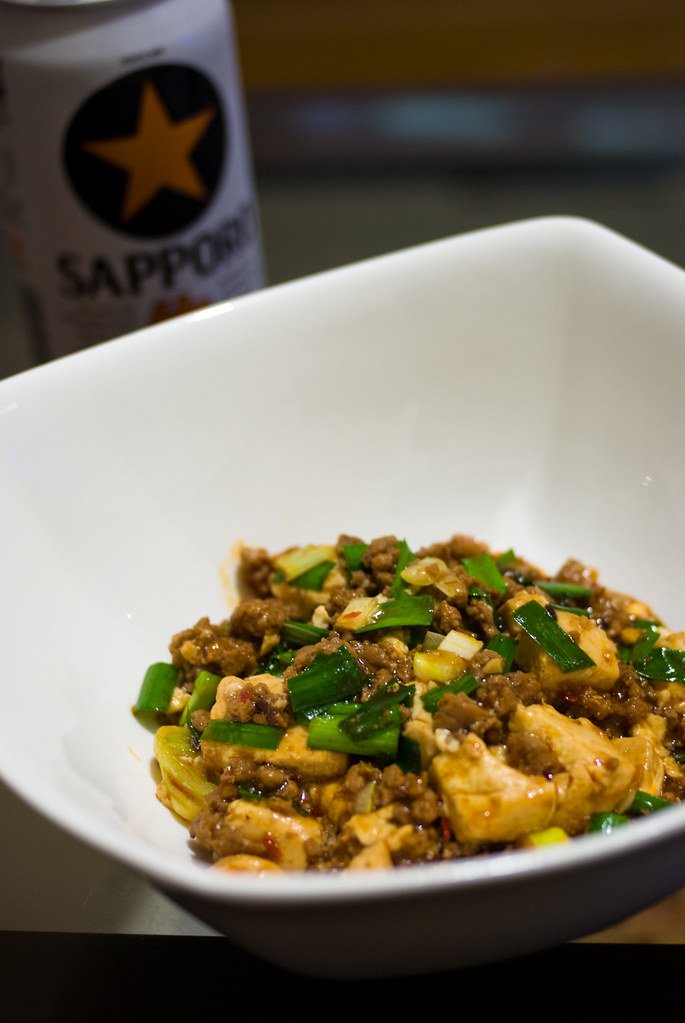
Enhancing the enjoyment of Ma Po Tofu involves careful consideration of complementary dishes and beverages that balance its distinctive flavors. This iconic Sichuan dish is known for its spicy and rich profile, which can be perfectly offset by serving it alongside steamed rice. The neutral taste and fluffy texture of rice help absorb the bold flavors of the sauce, providing a soothing contrast to the heat of the dish.
Besides rice, stir-fried greens serve as an excellent accompaniment when enjoying Ma Po Tofu. Options such as bok choy, Chinese broccoli, or mustard greens not only add a splash of color to the plate but also contribute essential nutrients and a refreshing crunch. The slight bitterness of these greens can lighten the overall richness of the tofu, enhancing the dining experience without overpowering the primary dish. Another delightful option is pickled vegetables; their tanginess interacts harmoniously with the spice of Ma Po Tofu, creating a well-rounded flavor profile.
In addition to side dishes, traditional beverages play an important role in elevating the meal. Jasmine tea, with its fragrant aroma and delicate flavor, can cleanse the palate and balance the robust spices present in Ma Po Tofu. The floral notes of this tea work effectively to mitigate the heat while providing a relaxing backdrop to the savory meal. Alternatively, pairing the dish with Chinese beer, especially those with a mild taste, serves as a refreshing companion to the richness of the dish. The carbonation from the beer can also cut through the heaviness, allowing for a more enjoyable experience.
By thoughtfully selecting these accompaniments, diners can create a balanced and satisfying meal that highlights the complex flavors of Ma Po Tofu while ensuring a pleasant gastronomic journey.
Making Ma Po Tofu at Home: Tips and Recipes
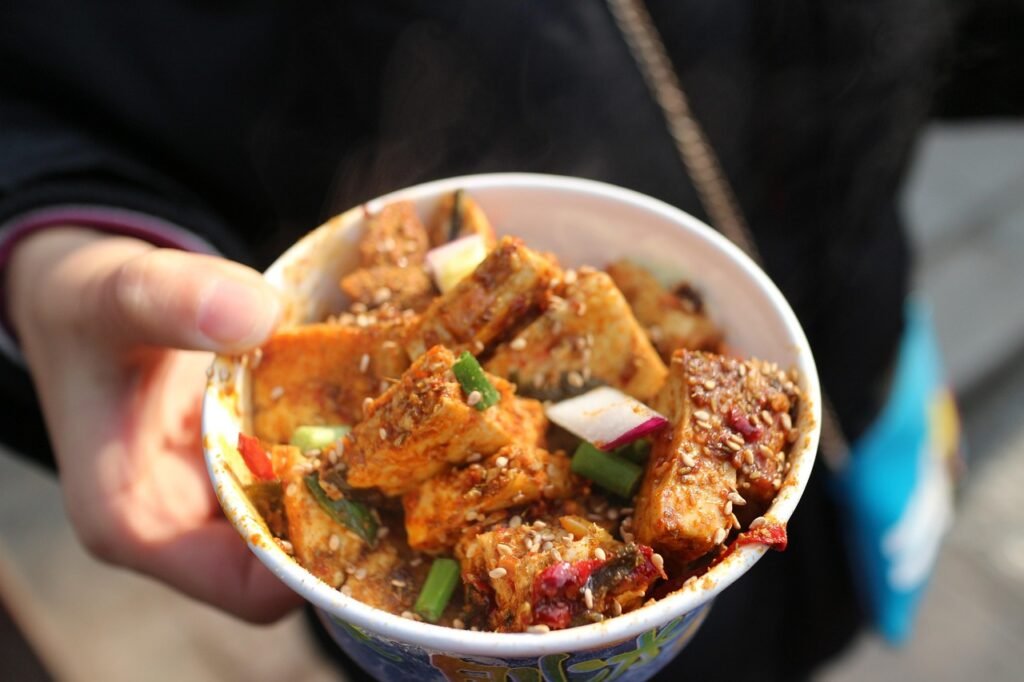
Preparing Ma Po Tofu at home can be a rewarding culinary adventure that allows you to experience the distinctive flavors of Sichuan cuisine firsthand. To achieve an authentic taste, sourcing the right ingredients is vital. Traditional recipes call for silken tofu, which has a delicate texture that perfectly absorbs the bold flavors of the dish. It is important to handle the tofu gently to prevent it from breaking apart during cooking.
Start by gathering essential ingredients: high-quality minced pork, doubanjiang (Sichuan chili bean paste), and douchi (fermented black beans), which are crucial for imparting the dish’s characteristic umami flavor. Additionally, you will need garlic, ginger, green onions, and soy sauce for depth. Spices such as Sichuan peppercorns can enhance the dish’s iconic numbing heat, while vegetable oil helps in sautéing these flavors without overwhelming them.
To make Ma Po Tofu, begin by frying the minced pork until it is browned. Incorporate garlic and ginger, followed by the doubanjiang and douchi, which release a robust aroma. Add water or broth, and carefully place the cubed silken tofu into the mixture, allowing it to simmer and absorb the flavors. As you cook, be mindful to stir gently using a spatula to preserve the tofu’s integrity.
Spice levels can be adjusted to suit individual tastes. If you prefer a milder dish, reduce the amount of doubanjiang initially and incorporate it gradually. Once the tofu is heated through, finish with sesame oil and a sprinkle of chopped green onions for a fresh garnish. This approach not only highlights the vibrant colors but also balances the spiciness, making this dish adaptable to various palates.
In conclusion, with the right ingredients and careful cooking techniques, anyone can recreate this beloved Sichuan dish in their own kitchen. Take the time to experiment with flavors and make adjustments that cater to your preferences, allowing Ma Po Tofu to become a cherished addition to your home cooking repertoire.