

Introduction to Yak Stew
Yak stew is a culinary delight that showcases the unique flavors and textures of yak meat, a staple in various regions, particularly in the Himalayan regions of Tibet, Nepal, and Bhutan. This traditional dish has deep cultural significance, often prepared during festivals and significant gatherings, symbolizing hospitality and communal unity. The richness of yak meat has made it a favored choice among local populations, providing sustenance in the demanding environments where yaks are raised.
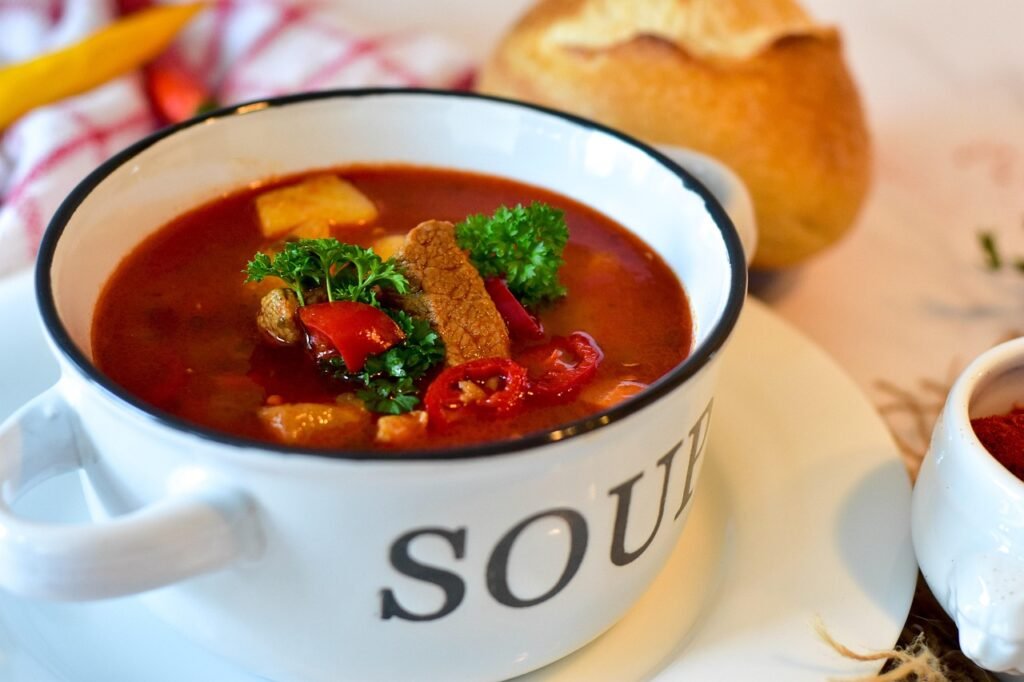
Distinct from more commonly consumed meats, yak meat is renowned for its lean quality and robust flavor. It has a higher nutritional profile than beef, containing lower fat content while being rich in protein, iron, and essential vitamins. This makes yak meat a healthy alternative for those seeking to incorporate lean proteins into their diet. The unique flavor of yak meat can be attributed to the animal’s natural foraging habits, as they graze on high-altitude grasses and herbs, which impart notable characteristics to the meat.
The traditional preparation of yak stew involves slow-cooking the meat, often with a blend of local spices and vegetables, allowing the flavors to develop over time. This method not only tenderizes the meat but also enhances the dish’s savory profile, making it a warm and comforting meal, particularly in colder climates. Various adaptations of yak stew exist, reflecting regional ingredients and cooking techniques, from hearty stews featuring root vegetables to lighter broths infused with aromatic spices.
As modern cuisine evolves, the demand for yak meat and dishes like yak stew has been rising. Chefs worldwide are starting to recognize the versatility and health benefits of yak meat, incorporating it into contemporary menus. This shift highlights a growing appreciation for traditional dishes and the importance of sustainable culinary practices that respect local traditions.
The Ingredients and Preparation of Yak Stew
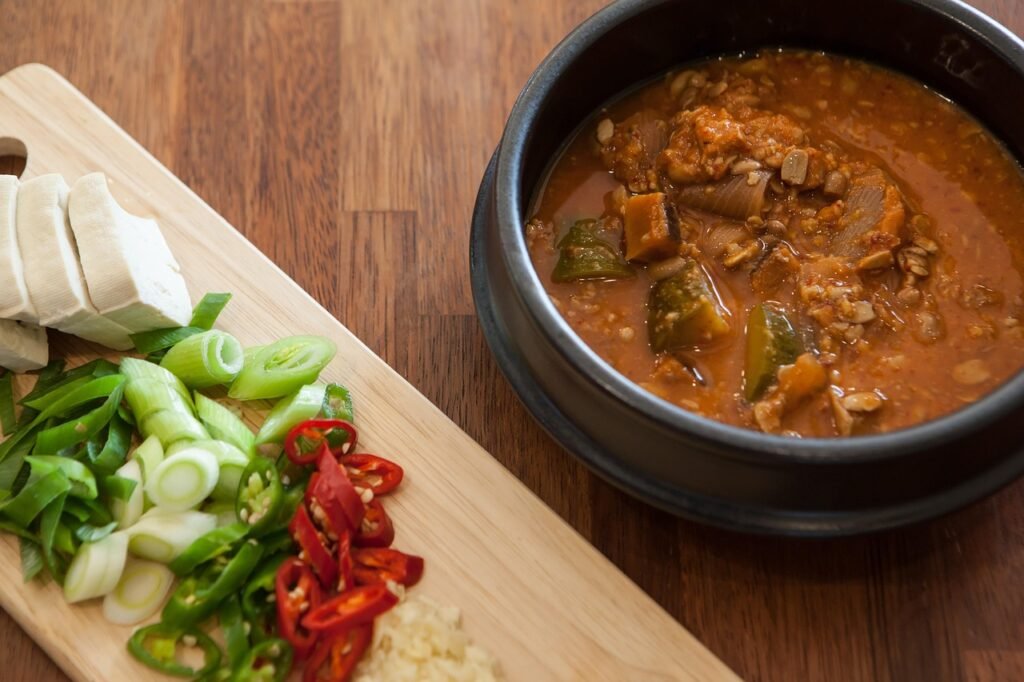
Yak stew is a traditional dish that offers an array of robust flavors, primarily due to its wholesome ingredients. The fundamental component is, of course, the yak meat, which is known for its rich, slightly sweet flavor and firm texture. Cuts such as chuck or shank are ideal, as they benefit from slow-cooking methods that tenderize the meat and infuse it with savory goodness. Moreover, the use of well-marbled cuts ensures that the stew has depth, making it more satisfying.
In addition to yak meat, a variety of spices and herbs are essential for creating the unique flavor profile associated with this dish. Common spices include cumin, coriander, and black pepper, which add warmth and earthiness. Fresh herbs like cilantro and parsley brighten the overall taste, while garlic and ginger introduce a zesty kick. Vegetables such as carrots, potatoes, and onions are frequently used; their natural sweetness balances the hearty flavor of the yak meat and contributes to the stew’s texture.
The preparation of yak stew involves a thoughtfully crafted cooking process. First, the yak meat should ideally be marinated with a mixture of spices, oil, and a touch of vinegar or citrus juice to enhance flavor and tenderness. After marinating for several hours or overnight, the meat is seared in a pot, creating a beautiful caramelization that adds depth to the dish. Following this, the chopped vegetables are added along with stock or water, ensuring that the ingredients are fully submerged. The stew is then simmered slowly, typically over low heat, allowing the flavors to meld beautifully over time.
This meticulous approach to preparing yak stew is necessary not only for flavor but also for achieving the ideal consistency. Proper cooking techniques, such as allowing adequate time for marinating and slow cooking, yield a flavorful and rich stew that is thoroughly enjoyable. Together, these elements contribute to the cherished culinary experience offered by this traditional dish.
Taste Test: Flavors and Textures
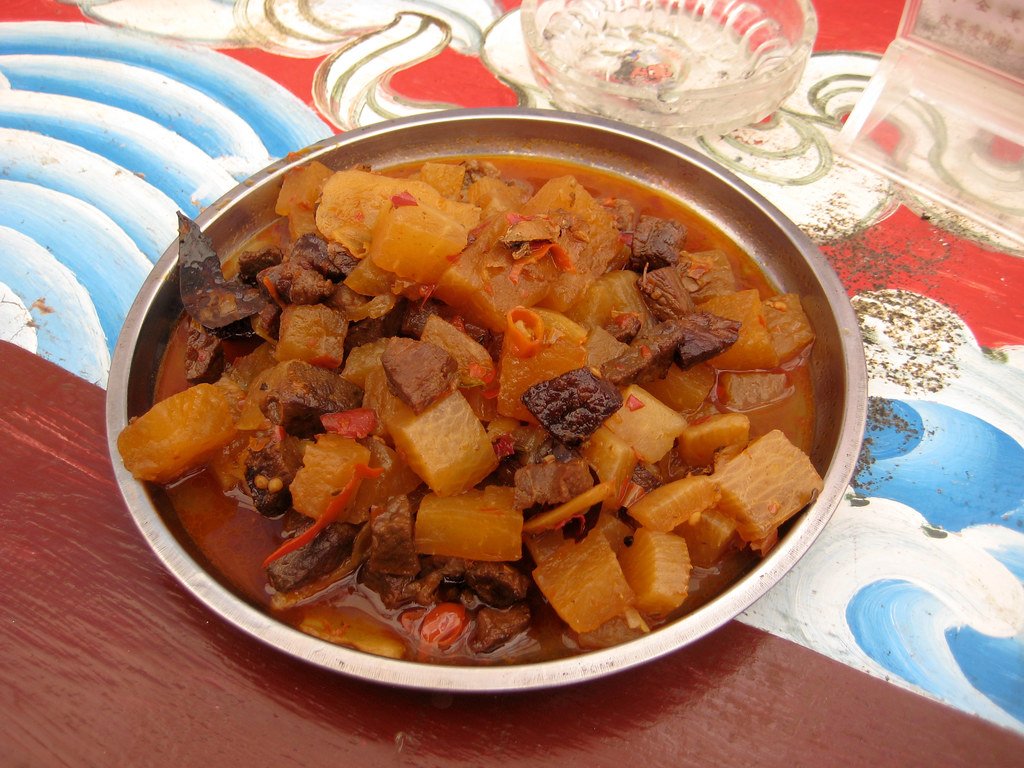
Yak stew presents a delightful amalgamation of flavors and textures that can be both comforting and adventurous. Upon the first taste, one immediately notices the rich, savory depth of the broth. The base is typically formed from slow-cooked yak meat, allowing the natural juices to permeate into the liquid, creating a hearty foundation. The broth boasts a slightly smoky flavor, occasionally enhanced by the addition of spices such as cumin, coriander, and garlic, which contribute to a complex profile that satisfies the palate.
The meat, often cut into tender chunks, is cooked to perfection, yielding a melt-in-the-mouth experience that showcases yak’s unique qualities. Its texture is denser compared to other meats, offering a satisfying chew that harmonizes with the softness of the vegetables included in the dish. Common vegetables may include carrots, potatoes, and onions, each adding their own sweetness and earthy notes to the overall composition. The balance of hearty meat and fresh produce creates a well-rounded dish that is both nourishing and flavorful.
Variations of yak stew can be seen across different regions, each infusing specific local ingredients and techniques. For instance, some recipes may incorporate barley or millet, which adds a slight nuttiness and further enhances the stew’s heartiness. Other preparations might feature a spicier profile, employing local chili varieties that elevate the warmth of each bowl. Furthermore, personal twists—such as the addition of diverse herbs or even a splash of fermented elements—can transform the dish into a unique culinary experience. Each iteration demonstrates the versatility and adaptability of yak stew, solidifying its status as a treasured dish among diverse culinary traditions.
Where to Find the Best Yak Stew
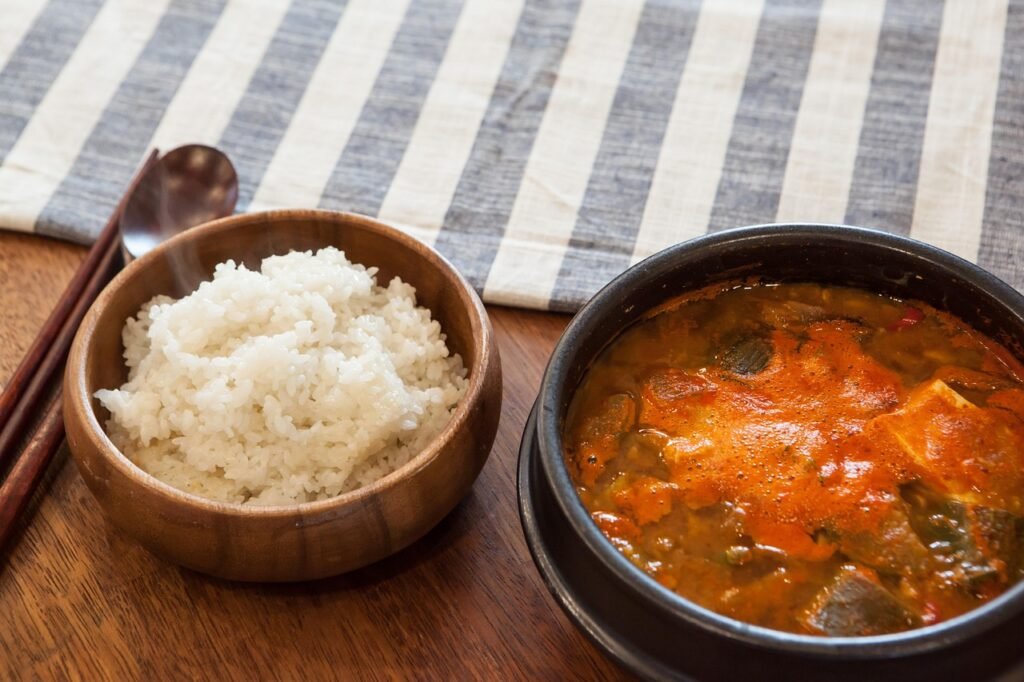
When searching for the finest yak stew, it is essential to look for establishments that prioritize authenticity and quality in their dishes. Restaurants that specialize in Tibetan or Himalayan cuisine are often excellent choices, as they understand the cultural significance and traditional preparation methods of this hearty stew. One popular spot for yak stew is located in the heart of urban centers with diverse culinary offerings, where authentic recipes are honored and preserved. These establishments often rely on seasoned chefs who have expertise in handling yak meat, ensuring the dish is prepared to perfection.
Customer reviews play a crucial role in selecting the right place. Patrons often share their experiences regarding the seasoning balance, texture, and overall flavor profile of the yak stew they enjoyed. Look for eateries that have received consistent praise for their dishes, particularly in aspects like the use of fresh, high-quality ingredients and traditional cooking techniques. Online platforms and food blogs can provide insight into which restaurants are currently trending for serving exceptional yak stew.
For those interested in preparing yak stew at home, there are several trusted recipes available through reputable cooking websites or culinary blogs. When selecting a recipe, consider those that emphasize authenticity by including traditional spices such as juniper berries and ginger, along with fresh vegetables that accompany the meat. Make sure to source high-quality yak meat, which can often be found at specialty butcher shops or online meat purveyors. This approach not only allows for a personalized touch in your cooking but also provides an opportunity to savor the rich flavors of yak stew in the comfort of your home. Ultimately, whether dining out or cooking at home, the goal remains the same: to enjoy the sumptuous, nourishing experience that this dish has to offer.