
Introduction to Ambuyat
Ambuyat is a traditional dish primarily found in Brunei and certain regions of Malaysia, notably Sarawak. This unique food item is made from sago starch, which is extracted from the pith of the sago palm. The process of making ambuyat involves soaking sago in water and then stirring it until it develops a sticky, gelatinous texture. This culinary creation not only showcases the region’s reliance on local ingredients but also reflects a rich cultural heritage tied to the sago palm. The preparation of ambuyat is often considered an art form, requiring skill and patience to achieve the perfect consistency.

Culturally, ambuyat holds a significant place in the daily lives of the local communities. It is commonly consumed with various dips, such as a tangy sambal or a rich, savory sauce made from ingredients like shrimp paste, chili, and lime. This side dish is not just about sustenance; it’s an integral part of family gatherings, communal feasts, and celebrations. The act of eating ambuyat can also foster a sense of togetherness, as it is traditionally enjoyed using bamboo sticks or forks to scoop the dip, encouraging a shared dining experience.
The significance of ambuyat extends beyond mere sustenance; it symbolizes the connection between the people and their land. Sago palms are often referred to as the “bread of the rainforest,” underlining their importance in the local economy and ecosystem. As individuals savor this delicacy, they are also honoring their heritage and the larder of ingredients that their ancestors relied on. Overall, ambuyat is a remarkable representation of Bruneian and Malaysian culinary culture, encapsulating the interplay of tradition, nature, and community in every bite.
The Experience of Eating Ambuyat

Eating ambuyat is an experience that engages multiple senses, offering a unique culinary adventure. The dish is characterized by its distinct texture, which is both sticky and gelatinous. This unique consistency is a result of the sago starch, which provides a smooth and chewy feel on the palate. When consumed, ambuyat requires an intentional method to navigate its unusual nature, often served as a sphere of translucent, glistening goodness on a plate.
Traditionally, ambuyat is accompanied by various dips, with the spicy ikan bilis (anchovy) dip being particularly popular. This savory sauce, typically packed with umami flavor, complements the neutral taste of ambuyat, enhancing its overall appeal. The dip’s spicy notes contrast beautifully with the soft texture of the ambuyat, creating a delightful interplay that pleases the taste buds. The experience of eating ambuyat is not merely about the dish itself but also about how it is consumed.
The proper technique to enjoy ambuyat involves using a bamboo stick or fork. Diners twist the stick into the ambuyat, picking up a small amount before dipping it into the chosen sauce. This method not only adds an interactive element but also allows one to control the amount of dip to complement the ambuyat effectively. Each bite becomes a cohesive blend of flavors and textures, showcasing the harmony between the chewy ambuyat and the flavorful dips.
The experience of eating ambuyat is further enriched by the cultural context in which it is enjoyed. Often shared among family and friends, ambuyat embodies a sense of togetherness, fostering both conversation and connection. The act of preparing and consuming ambuyat paves the way for a memorable dining experience, making it more than just a meal but a cherished tradition that invites exploration and enjoyment.
Flavor Profiles and Pairings
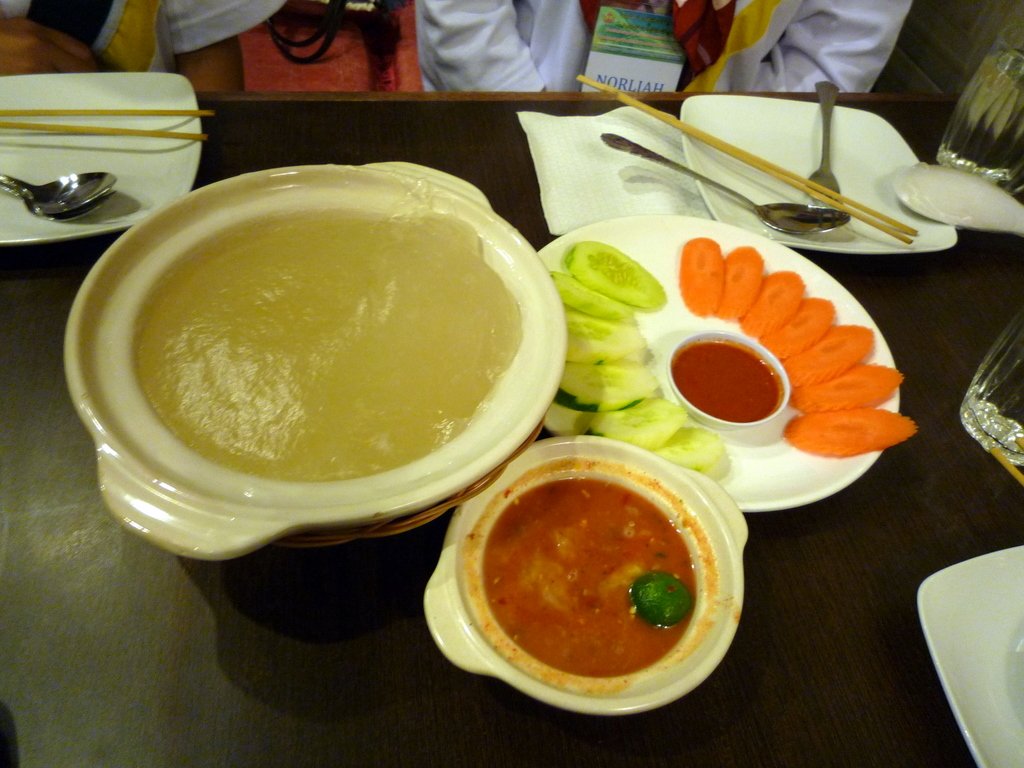
Ambuyat, traditionally consumed in Brunei and parts of Southeast Asia, offers a unique culinary experience characterized by its gelatinous texture and ability to absorb flavors. The base of ambuyat, derived from sago starch, is relatively neutral, providing a perfect canvas for various accompanying sauces and dips. The versatility of ambuyat is particularly evident when it is paired with sauces, which add depth and complexity to its flavor profile.
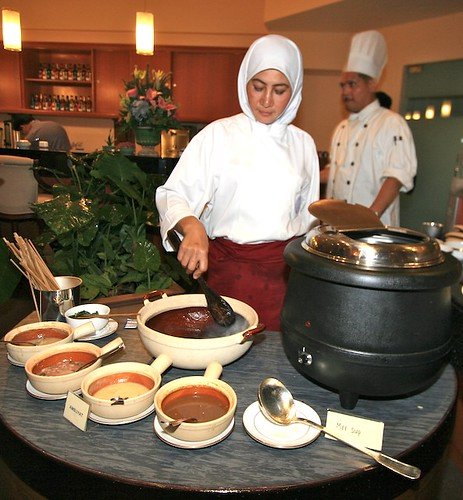
The most common dips served with ambuyat include a traditional sambal, a spicy chili sauce, which often combines elements of sourness and heat. This sauce typically features ingredients like lime, garlic, and red chili peppers, creating a robust flavor that beautifully balances the blandness of the ambuyat. Another favored dip is the sweet and tangy sauce made from fermented durian, which lends a distinct sweetness and aroma that can attract adventurous eaters. The interplay of sour, spicy, and sweet elements in these dips enhances the overall experience of consuming ambuyat, inviting diners to explore a spectrum of tastes.
To elevate the ambuyat experience, it can be paired with various grilled meats, including chicken and fish, whose smoky flavors complement the mild taste of the sago dip. Additionally, fresh vegetables such as cucumber, bitter gourd, and eggplant add crunch and freshness, balancing the richness of the sauces. Traditional side dishes such as rendang or curries further enrich the meal, offering aromatic spices that accentuate the savory depth of the overall dining experience.
Overall, the flavor profiles of ambuyat, in combination with its dips, create an engaging culinary exploration. This unique sago dip can be enjoyed with a variety of complementary dishes, ensuring that every bite is a delightful journey of taste.
Personal Reflections and Final Verdict
In experiencing ambuyat, one cannot overlook the complexity of textures and flavors that this unique sago dip offers. The first bite reveals a subtle, slightly sweet taste, complemented by its signature stretchiness. This distinctive characteristic sets ambuyat apart from many more familiar culinary options, making it a fascinating dish to explore. However, its unusual texture may initially cause hesitation for those accustomed to traditional sauces and dips. To those individuals, I recommend a gradual approach—starting with a small amount and combining it with the accompanying condiments to ease into the experience.
When weighed against popular food preferences, ambuyat presents itself as a polarizing yet intriguing choice. Enthusiasts of adventurous cuisine, as well as those keen on traditional dishes, will likely appreciate the opportunity to delve into the culinary heritage of Borneo. It serves not just as a meal, but as a conversation starter about cultural history. For the best experience, it would be prudent to seek establishments that specialize in Bruneian cuisine, as they often pride themselves on authenticity. Look for local restaurants or markets in Brunei and neighboring regions where ambuyat is central to the menu.
As for my final verdict, ambuyat is undeniably a must-try dish for those who thrive on exploring new gastronomic territories. While it may not suit every palate, its uniqueness renders it a remarkable addition to the dining experience of adventurous foodies and traditional cuisine enthusiasts alike. Embracing ambuyat provides an invitation to celebrate culinary diversity through a dish that transcends mere sustenance, inviting diners to savor its rich cultural context and the artistry of preparation. Thus, if you find yourself with the opportunity, approach ambuyat with an open mind, and enjoy the journey it offers.