
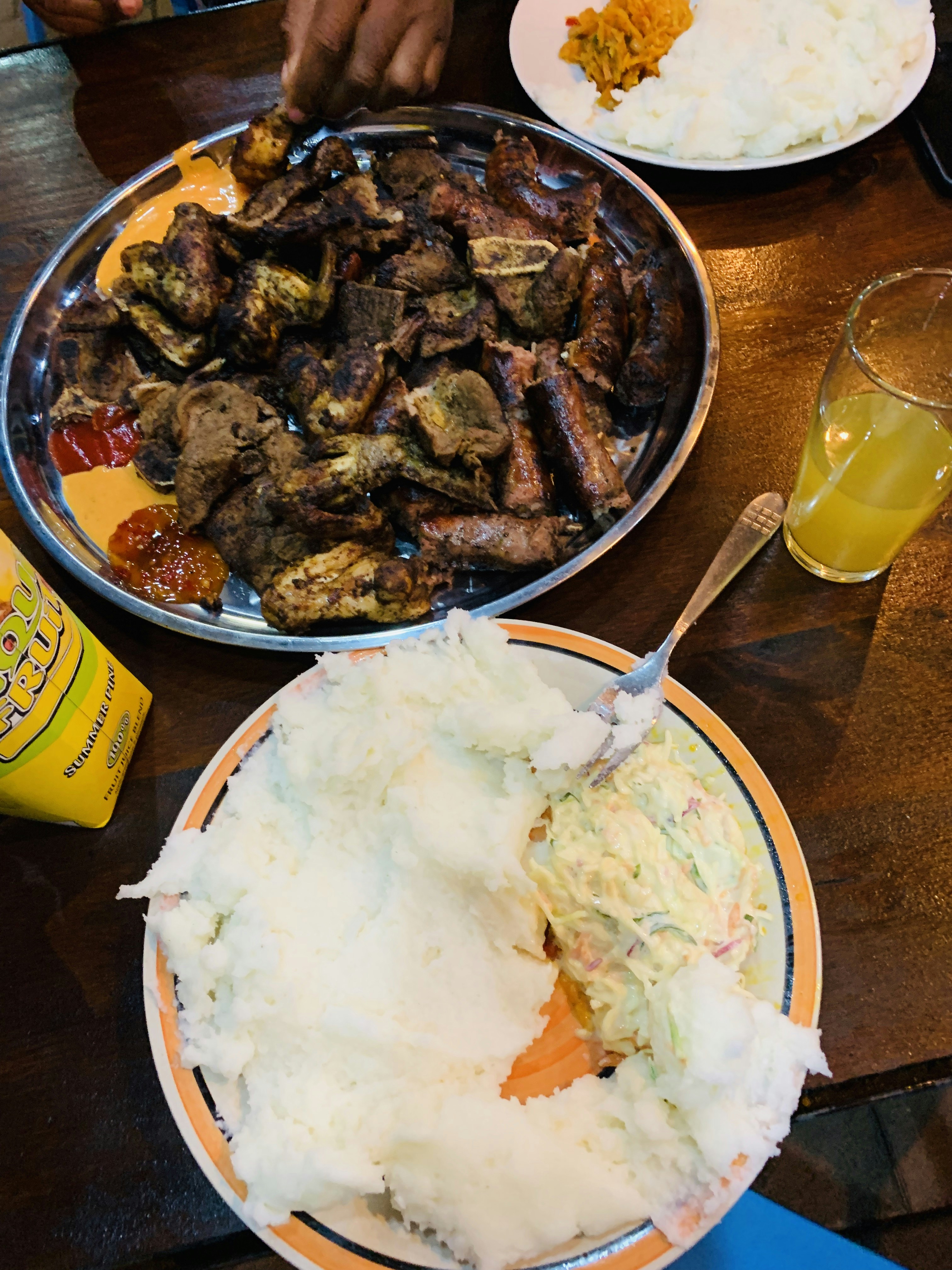
Introduction to Chikwangue
Chikwangue, a traditional food from the Democratic Republic of the Congo, holds a prominent place in the culinary landscape of Central Africa. Derived from cassava, a starchy root vegetable, chikwangue is not only a staple in Congolese households but also an integral part of the country’s cultural identity. The preparation of chikwangue, which involves fermenting and then steaming the finely grated cassava, showcases the importance of traditional cooking methods in Congolese cuisine.
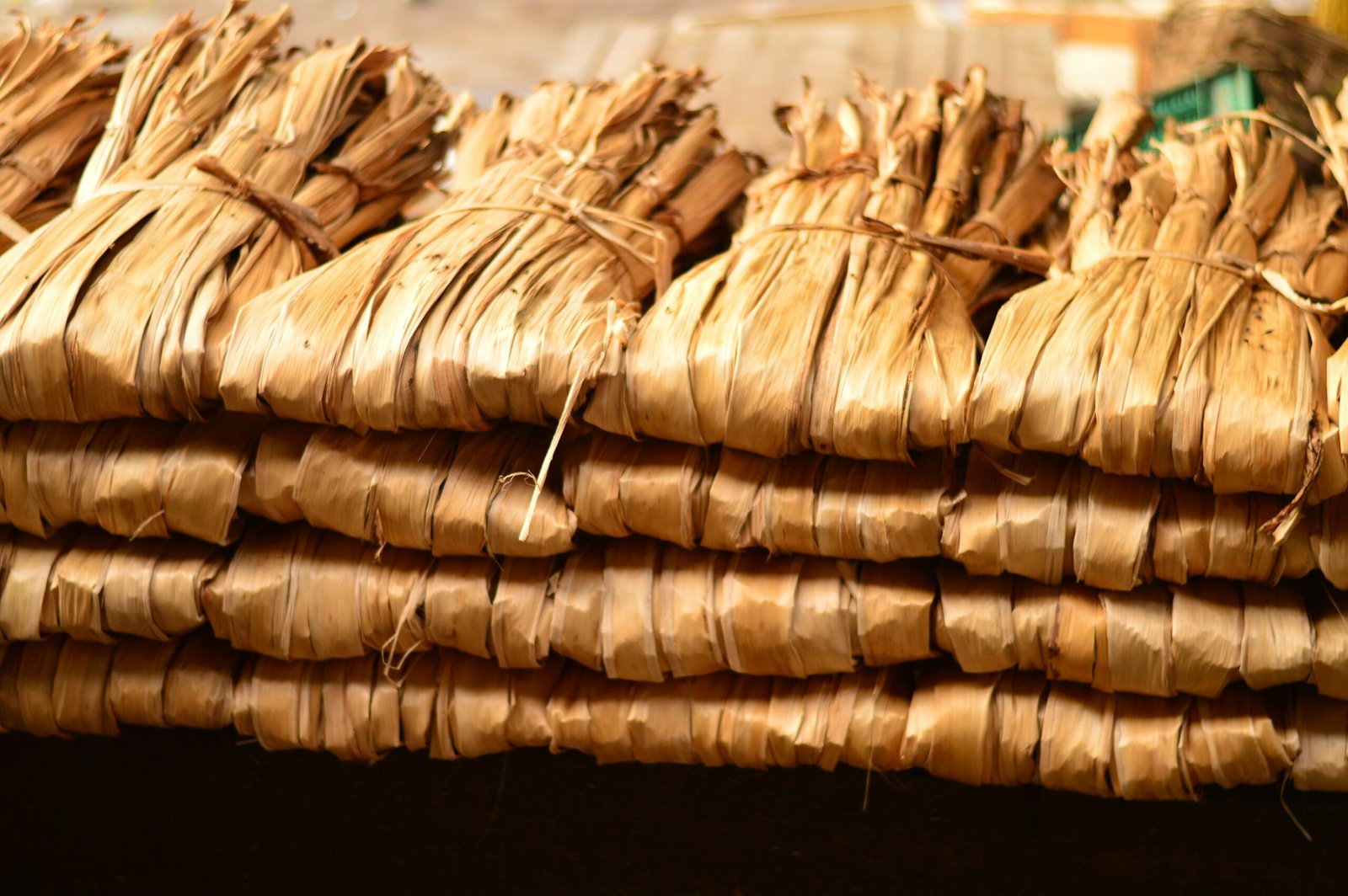
The significance of chikwangue transcends mere sustenance; it is often served during communal events and celebrations, including weddings and family gatherings. Such occasions highlight its role in bringing people together, fostering a sense of community and shared heritage. In Congolese culture, food serves as a medium of connection, and chikwangue stands out as a dish that embodies this ethos.
Historically, the consumption of chikwangue dates back centuries, with its roots traceable to indigenous practices of utilizing cassava, a plant that is well-suited to the regions’ climatic conditions. The plant’s resilience allowed it to thrive even in challenging environments, making it a vital food source for many Congolese communities. Nutritionally, chikwangue is noteworthy for its carbohydrate content, providing significant energy that supports the daily activities of the Congolese populace. However, it is essential to complement it with diverse ingredients to ensure a balanced diet.
In summary, chikwangue serves not only as a staple food but also as a cultural symbol, representing the rich heritage and communal ties within Congolese society. Its preparation, significance, and historical background provide insight into the multifaceted role this dish plays in the daily lives of the Congolese people.
Preparation and Cooking Techniques
Chikwangue is a staple dish in Congolese cuisine, primarily made from cassava. The preparation of chikwangue begins with sourcing high-quality cassava root, which is essential for achieving the desired texture and flavor. The first step involves thoroughly peeling the cassava to remove the tough outer layer. This is crucial, as the skin can be toxic if consumed. Once peeled, the cassava should be cut into manageable sections for further processing.
The next phase in the chikwangue preparation process is soaking. The cut pieces of cassava are typically placed in water for an extended period, often overnight. This soaking helps to soften the tuber while also drawing out any residual toxins. Following the soaking process, the cassava is drained and ready for grinding. Traditionally, this is done with a pestle and mortar, although modern techniques may involve the use of electric grinders to save time and effort. The goal is to create a smooth, fine dough that is pliable yet firm enough to hold its shape.
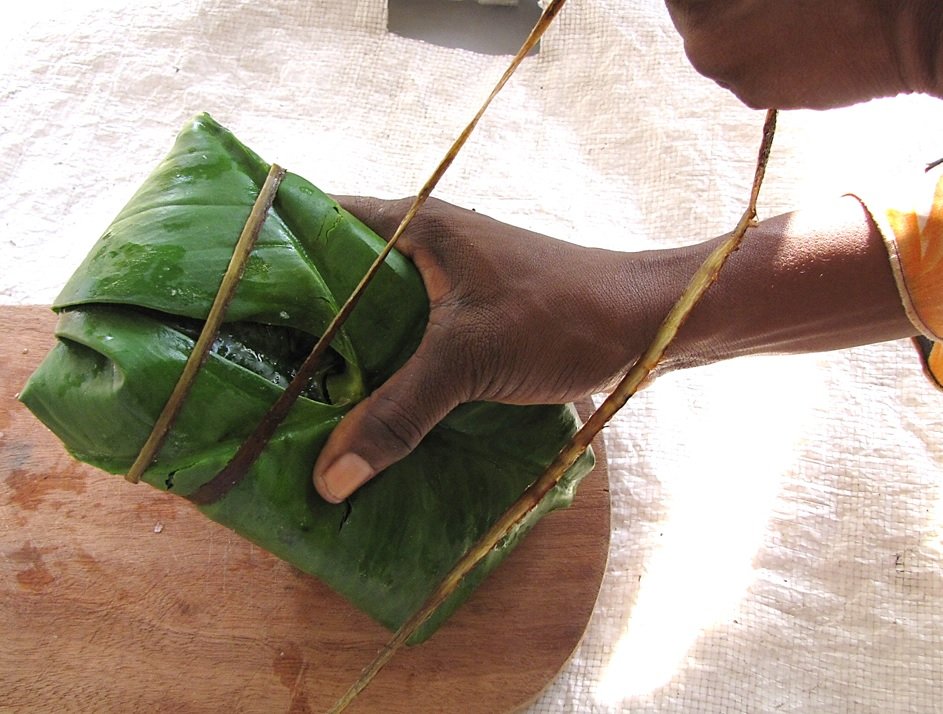
Once ground, the cassava dough is then wrapped tightly in banana leaves. This wrapping not only aids in retaining moisture during the cooking process but also infuses the chikwangue with a subtle aromatic flavor. The wrapped dough must be placed in a steamer and cooked for an extended period, usually around four to six hours, depending on the size of the bundles. Variations in preparation technique can be observed across different regions in the Congo; for instance, some may opt to ferment the cassava before grinding for added flavor complexity.
Aside from steaming, other cooking methods such as boiling or baking are also utilized, particularly in regions with different culinary preferences. To achieve the perfect chikwangue texture, it is advisable to adjust the steaming time based on the thickness of the dough and to ensure that the water level in the steamer is sufficient to prevent burning. The end result should be a soft, flexible dish that serves as an ideal accompaniment to various Congolese stews and sauces.
Flavor Profile and Pairing Suggestions
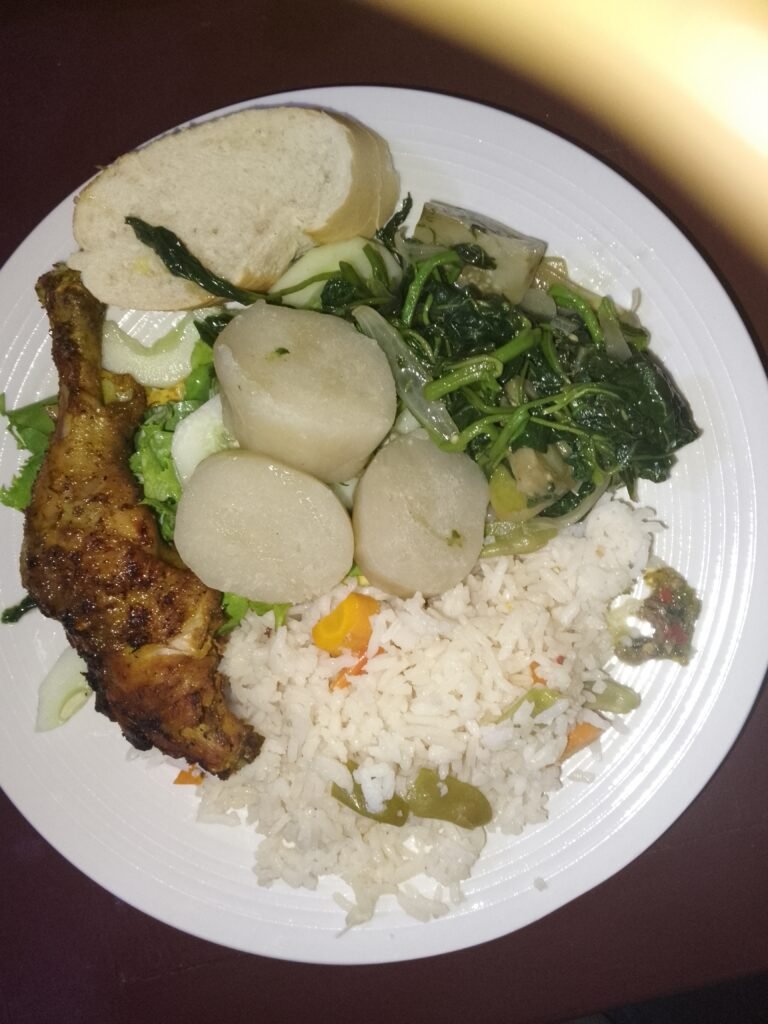
Chikwangue, a staple in Congolese cuisine, captivates with its unique flavor profile and distinctive texture. This dish is typically made from cassava, which is fermented and then wrapped in banana leaves for steaming. The resulting texture is firm and slightly sticky, making it a versatile accompaniment to various dishes. The flavor of chikwangue is subtle and mildly nutty, allowing it to absorb and enhance the flavors of the dishes it is paired with.
When considering pairing suggestions, chikwangue shines in combination with rich sauces and hearty stews. For instance, it is often served alongside savory peanut sauce, which complements its neutral taste perfectly. The semi-sweet and savory notes of the peanut sauce balance nicely with the starchy nature of chikwangue, creating a harmonious dish. Similarly, chikwangue pairs well with tomato-based stews, where the acidity and seasoning of the sauce beautifully contrast with the dish’s delicate flavor.
Grilled meats also find a worthy companion in chikwangue. The firm texture of this cassava dish makes it an ideal side for meats such as beef or chicken, allowing diners to enjoy a satisfying amalgamation of flavors. The charred and smoky notes from grilled meats provide a contrast to the softness of chikwangue, making each bite a delightful experience.
To enhance the enjoyment of this dish, various condiments can be included. A sprinkle of pepper sauce or a side of sautéed vegetables can add an additional layer of flavor. Fermented condiments, such as chili paste, can introduce an enjoyable kick, making the dish more exciting. Thus, with its distinctive texture and subtle flavor, chikwangue is an incredibly versatile component of Congolese cuisine, adaptable to a range of culinary creations.
Cultural Significance and Modern Trends
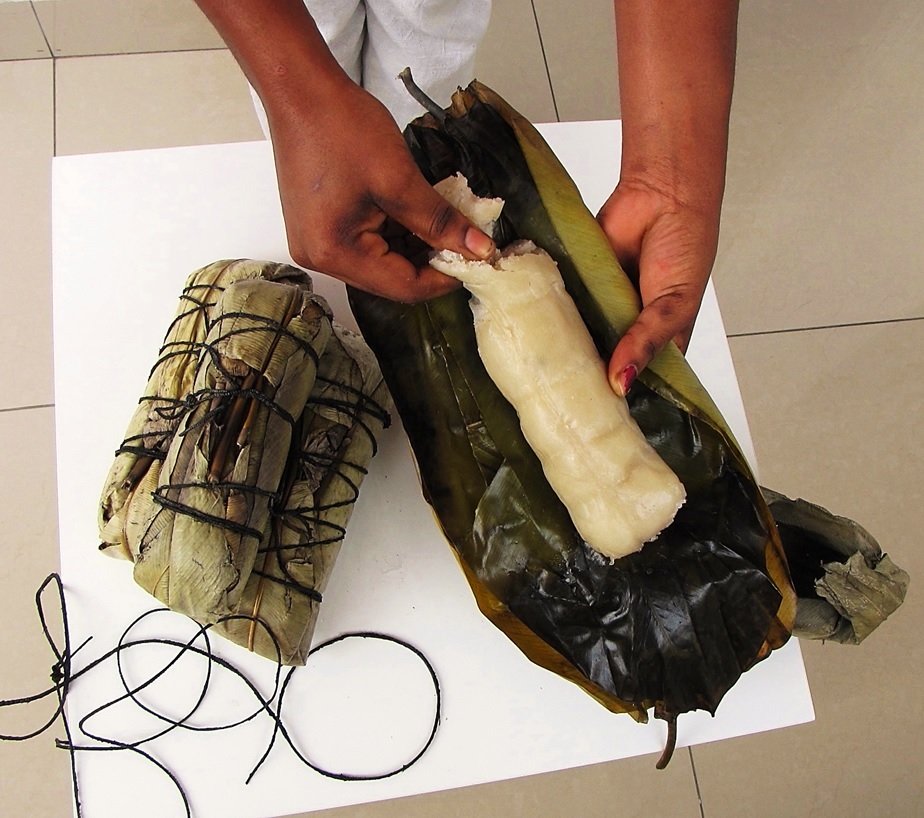
Chikwangue holds a significant place in Congolese culture, serving as more than just a staple food; it embodies community, tradition, and shared identity. Often made from cassava, its preparation is a communal activity, bringing families and friends together during special occasions, such as weddings or community gatherings. This traditional dish symbolizes nourishment and hospitality, showcasing the Congolese value placed on togetherness and the importance of culinary heritage. The preparation and sharing of chikwangue create a deep-rooted connection among generations, linking the past with the present.
As society evolves, so too does the consumption of chikwangue. In contemporary Congolese life, it is not just enjoyed in homes but has also made its way into restaurants and cafes that cater to a younger, global audience. The increasing interest in Congolese cuisine has brought chikwangue into the spotlight, where it is often featured as part of a fusion dish. Chefs are experimenting with various ingredients, pairing chikwangue with international flavors or serving it alongside globally recognized proteins, showcasing its versatility and adaptability. This creative incorporation into modern cuisine highlights chikwangue’s potential to transcend cultural boundaries while retaining its core identity.
Furthermore, the rise of social media and food blogging has facilitated a renewed appreciation for traditional dishes like chikwangue. Influencers and culinary explorers are increasingly highlighting its unique texture and flavor, contributing to its resurgence on the international stage. As more chefs and home cooks alike experiment with chikwangue recipes, the dish is poised for a bright future, blending tradition with innovation. The ongoing dialogue about food sustainability and cultural heritage may further elevate chikwangue, reaffirming its status as a valued component of not just Congolese cuisine but also the broader world of gastronomy.