

What is Rasam? An Introduction to the Dish
Rasam is a traditional South Indian dish known for its tangy flavor and aromatic characteristics. Originating from the states of Tamil Nadu and Karnataka, this soup-like preparation has evolved over centuries, holding a significant place in the culinary landscape of South India. The word “rasam” itself translates to “essence” or “juice” in Tamil, signifying the dish’s vital role in enhancing the overall dining experience.
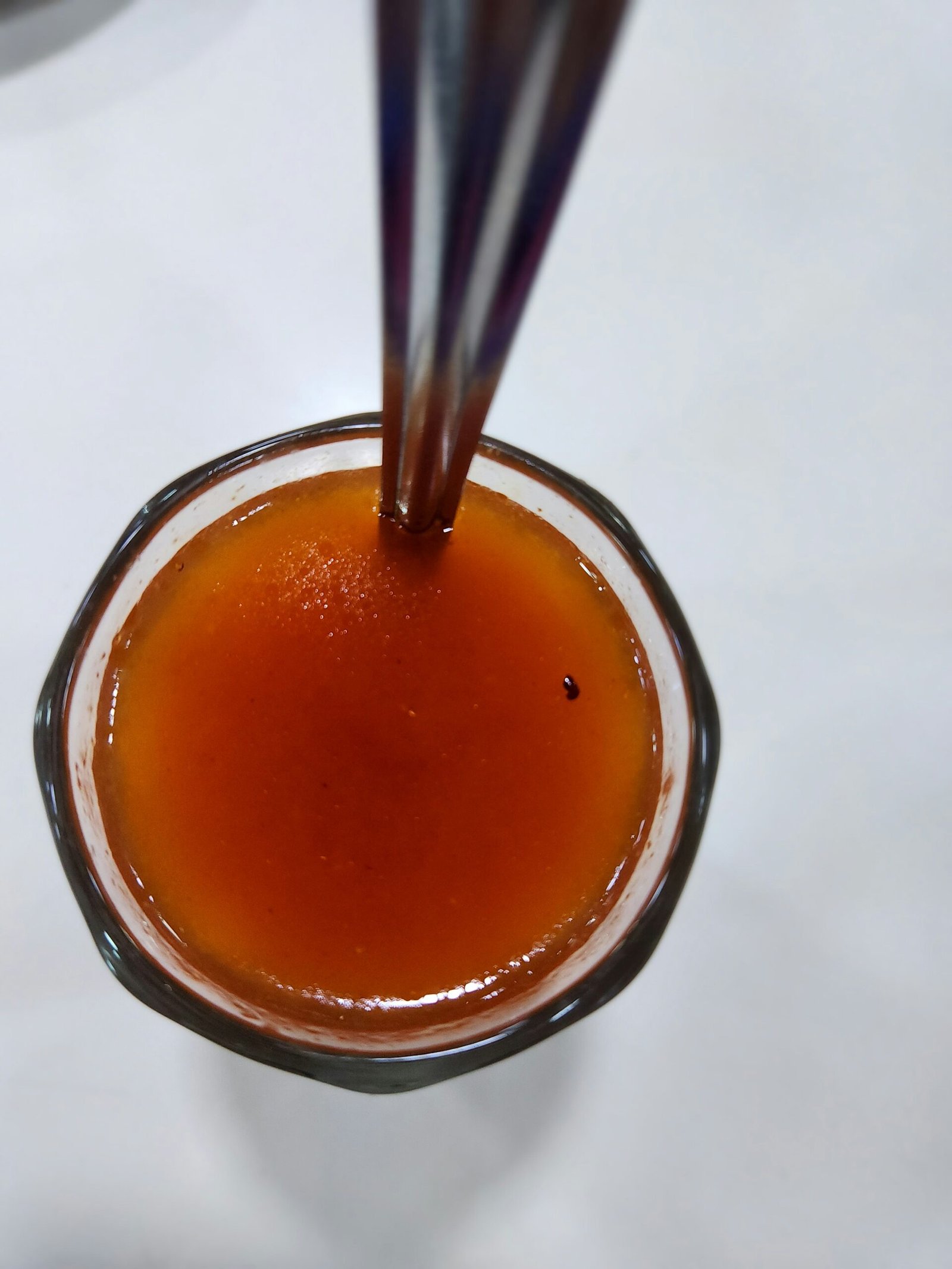
The historical significance of rasam is deeply rooted in South Indian cuisine, where it is often consumed as a comforting soup or served alongside rice. It is believed to have Ayurvedic properties and is often recommended for its digestive benefits. The dish is usually prepared with a combination of tamarind, tomatoes, and a variety of spices, resulting in a flavor profile that is both spicy and tangy. Common ingredients include mustard seeds, cumin, coriander, and black pepper, which not only add to its taste but also contribute to its medicinal qualities.
Variations of rasam can be found in different regions of India, each showcasing unique flavors and ingredients. Karam rasam and pepper rasam are popular in Tamil Nadu, while in Karnataka, one might encounter bisi bele bath rasam. Each version reflects the local culture and culinary preferences, highlighting the versatility of this dish. In traditional South Indian households, rasam is a staple during meals, often paired with rice and served with vegetables, making it an integral part of daily nutrition.
The dish is not just a meal but a celebration of flavors and nutrition, embodying the essence of South Indian culinary traditions. Understanding rasam’s place in the culinary world provides a glimpse into the rich tapestry of flavors that define South Indian cuisine.
Exploring Different Types of Rasam
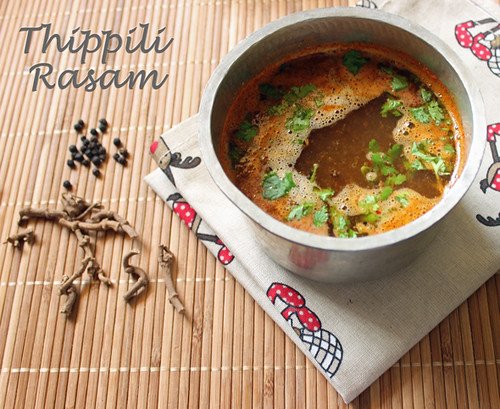
Rasam, a quintessential South Indian dish, comes in a multitude of varieties, each boasting distinct flavors and preparation techniques. Among the most popular types is Tomato Rasam, which features ripe tomatoes as its base ingredient. This variety is known for its tangy flavor, achieved through a blend of tomatoes, tamarind, and spices such as cumin and black pepper. It is often served with rice or enjoyed as a comforting soup during colder months.
Another notable variety is Pepper Rasam, which exemplifies the use of freshly ground black pepper as a prominent ingredient. This variant is particularly appreciated for its warming qualities and is frequently consumed during the monsoon season. The robust flavor of Pepper Rasam is typically enhanced with garlic and coriander, making it a popular choice for those seeking relief from seasonal ailments.
Lemon Rasam offers a refreshing twist on the traditional recipe, utilizing lemon juice for its zesty flavor. This type adapts well to warmer climates and is often served chilled or at room temperature, making it an excellent choice for summer meals. The citrus note invigorates the palate, while the spices keep the dish in sync with the authentic rasam experience.
Regional variations also play a critical role in the preparation of rasam. For instance, in Karnataka, you may find a unique version made with toor dal (pigeon peas), which adds a richness to the dish. Alternatively, in Tamil Nadu, the use of asafoetida lends a distinctive aroma. These variations not only reflect the local agricultural produce but also the cultural significance of rasam in festive occasions and daily meals. Each rasam type is cherished for its adaptability and is a testament to the versatility of this age-old recipe, seamlessly fitting into various culinary contexts across South India.
Health Benefits of Rasam
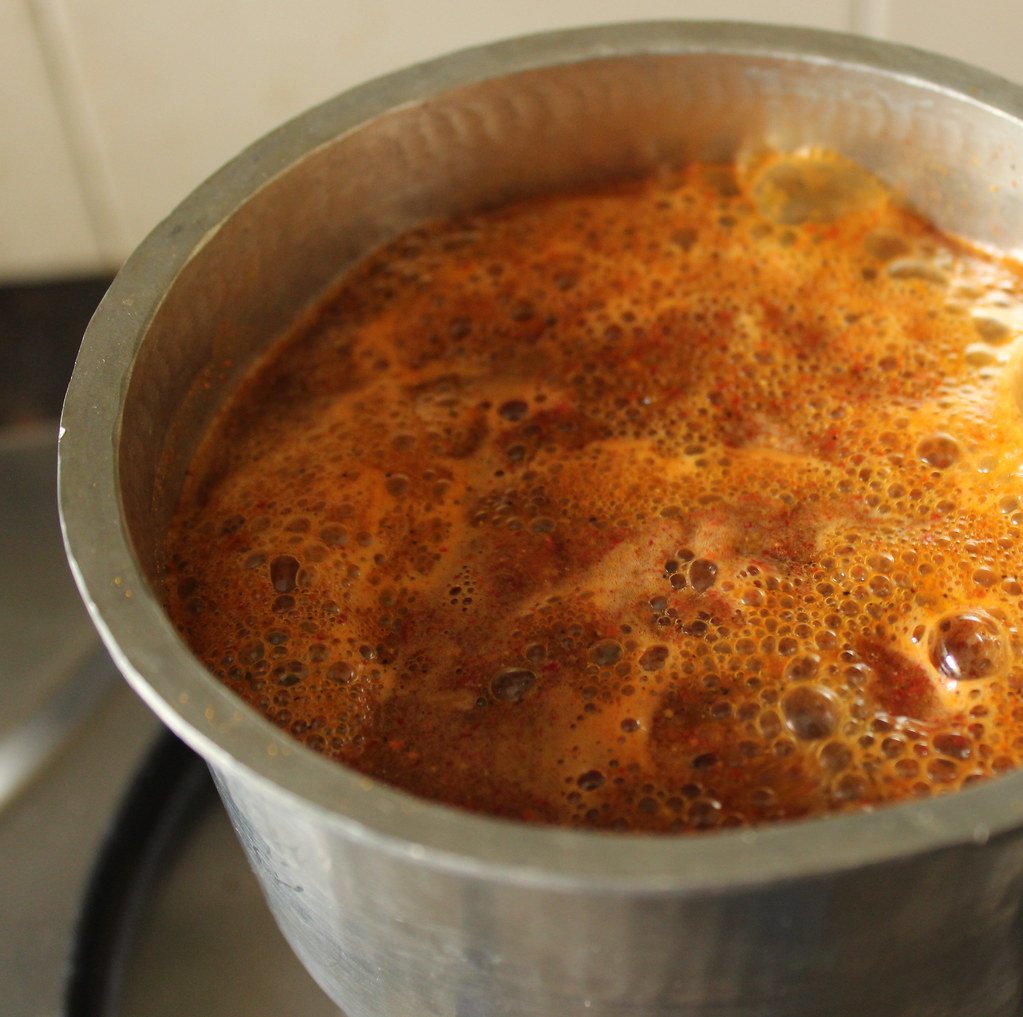
Rasam, a traditional South Indian soup, is not only cherished for its exquisite flavors but also celebrated for its notable health benefits. Packed with nutritious ingredients such as tamarind, tomatoes, and a variety of spices, rasam offers a rich profile of vitamins and minerals that contribute to overall well-being. One of the primary ingredients, tamarind, is renowned for its antioxidant properties, which play a crucial role in neutralizing harmful free radicals in the body. This potent fruit aids in detoxification and has been shown to improve liver function, making rasam a beneficial addition to a balanced diet.
Tomatoes, another essential component of rasam, are a significant source of vitamins C and K, as well as potassium and folate. The lycopene present in tomatoes is known for its heart-protective qualities and its ability to reduce the risk of certain cancers. The combination of these ingredients, along with spices like pepper and cumin, enhances digestive health. Black pepper improves metabolism and aids in the absorption of nutrients, while cumin supports healthy digestion and can alleviate issues such as bloating and gas.
Furthermore, rasam’s warm and comforting nature makes it an excellent remedy for colds and flu. The spices included in the recipe, particularly pepper, have antimicrobial properties that may help combat infections. Many individuals have shared their experiences, indicating that consuming rasam during illness not only provides relief but also bolsters the immune system due to its rich nutrient profile.
Incorporating rasam into one’s diet is an effective way to harness the medicinal properties of its ingredients. Regular consumption can improve digestion, promote liver health, and provide relief from respiratory ailments, making it a worthy dish to include in one’s meal plan. By enjoying rasam as part of a varied diet, individuals can reap its numerous health benefits while savoring its distinctive taste.
How to Prepare the Perfect Rasam: A Step-by-Step Guide
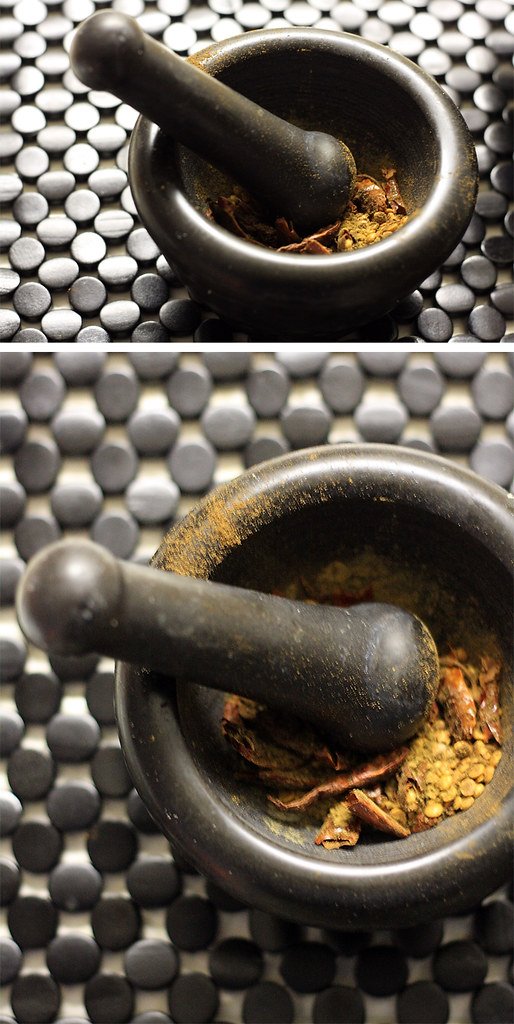
Rasam is a traditional South Indian soup known for its tangy and spicy flavor, making it a delightful addition to any meal. This step-by-step guide aims to equip both beginners and seasoned cooks with the skills needed to prepare this delicious dish at home. We will explore the essential ingredients, cooking techniques, and offer tips for achieving the perfect balance of flavors.
To begin, gather the following ingredients: 1/4 cup of toor dal (pigeon peas), 2 medium-sized tomatoes, 1 tablespoon of tamarind paste, 2-3 green chilies, 1 teaspoon of mustard seeds, 1 teaspoon of cumin seeds, a sprig of fresh coriander, salt to taste, and optional garnishes such as curry leaves and asafoetida.
Start by cooking the toor dal in a pressure cooker with enough water until soft. This usually takes about 4-5 whistles. While the dal cooks, chop the tomatoes and green chilies. In a separate pan, heat a tablespoon of oil, then add mustard seeds and cumin seeds. Allow them to splutter before adding the chopped tomatoes and green chilies. Sauté until the tomatoes are mushy.
Next, dissolve the tamarind paste in a cup of water and add it to the tomato mixture. Incorporate the cooked dal, ensuring a smooth consistency. Adjust the water quantity according to your desired rasam thickness. Season with salt and simmer for about 10 minutes, allowing the flavors to meld.
Common mistakes to avoid include overpowering the dish with too much tamarind or not cooking the dal thoroughly. Achieving a perfect rasam requires balancing the spices; thus, adjusting salt and heat according to personal preference is encouraged.
Pair rasam with steamed rice or crispy dosas for an authentic experience. The combination not only enhances the flavor but also provides a delightful texture contrast. Embrace the process and enjoy creating a comforting bowl of rasam that honors tradition while catering to your personal tastes.