
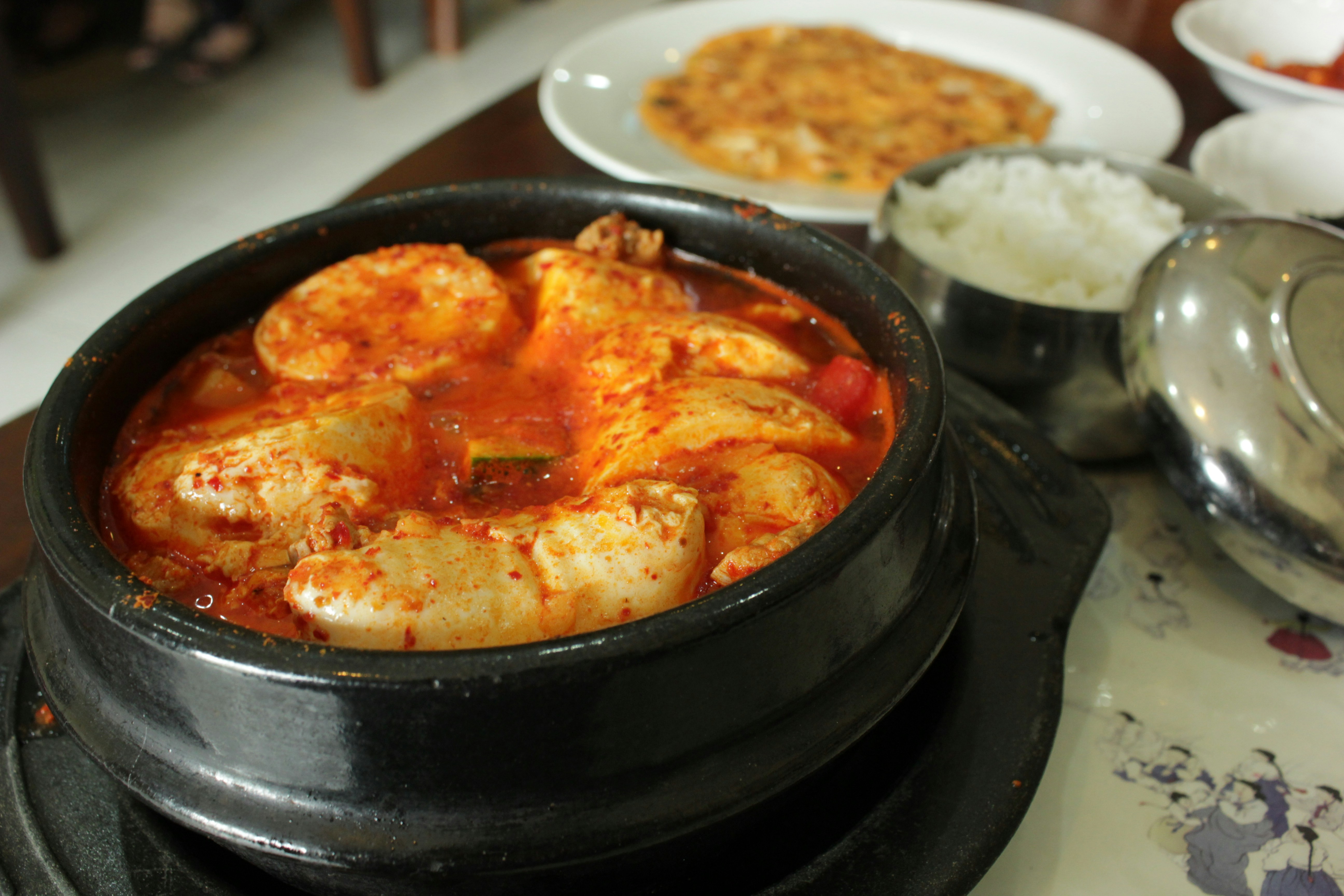
Introduction to Budae Jjigae
Budae jjigae, often referred to as “army stew,” is a significant part of Korean culinary tradition that marries the flavors of traditional Korean cuisine with influences from American food. Its inception dates back to the period following the Korean War in the early 1950s, when the availability of American military rations prompted creative adaptations of local cooking practices. The dish serves as a testament to resilience, evolving in flavor and presentation as it adapted to the challenges of the times.
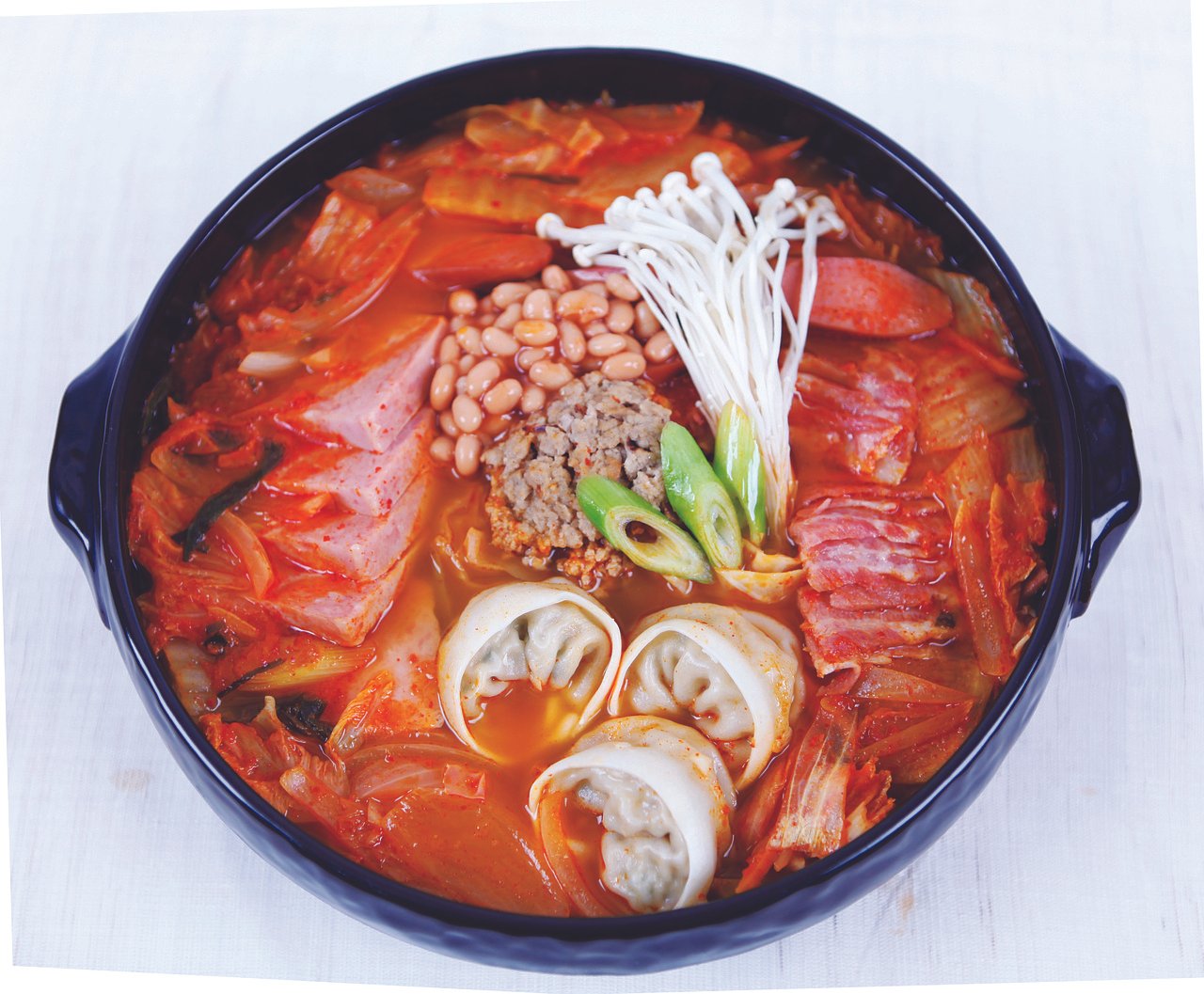
The main components of budae jjigae include a mix of ingredients such as sausages, baked beans, tofu, and various vegetables, all simmered together in a rich, spicy broth. This amalgamation represents not only a fusion of flavors but also a melding of cultures, as it combines the spirit of Korean cooking with unique imported elements. It is peculiar to note that such a robust dish has origins tied directly to scarcity and resourcefulness, where whatever ingredients were available were utilized to create something nourishing and satisfying.
Ingredients and Preparation Methods

Budae jjigae, often referred to as Korean army stew, is a dish characterized by its diversity in ingredients and preparation techniques. The foundation of this hearty stew includes a dynamic blend of components, each contributing to the dish’s unique flavor profile. Central to the recipe is gochujang, a fermented red pepper paste that adds both heat and depth. This ingredient is complemented by a range of proteins, predominantly spam and sausages, which reflect the dish’s historical roots in post-war Korea when rationed foods were creatively repurposed.
In addition to these proteins, kimchi is essential for imparting a tangy bite, while various vegetables such as scallions, mushrooms, and zucchini or other seasonal produce serve to enhance the dish’s textural contrast and nutritional value. Noodles, typically instant varieties, provide a satisfying and filling element that rounds out this comforting meal. The inclusion of tofu is also common, adding an extra layer of protein and a subtle absorption of the stew’s spices.
The preparation of budae jjigae is as significant as its ingredients. To create the dish, one begins by layering flavors in a large pot, ensuring that each ingredient contributes to the overall harmony. Start by sautéing aromatic vegetables, such as garlic and onions, which build a rich base for the stew. Next, add the proteins and allow them to brown slightly, which enhances their flavors before introducing the gochujang and other liquids. The layering technique not only melds flavors together but ensures that each component cooks evenly.
Regional variations reflect local preferences, with some incorporating additional elements like cheese for a fusion twist. Personal touches, such as the choice of specific vegetables or the ratio of broth to solid ingredients, allow chefs to put their distinct spin on this beloved comfort food. The communal nature of budae jjigae enlivens gatherings, making it a cherished dish across diverse settings, whether enjoyed in homes or eateries.
Taste and Presentation: A Sensory Experience
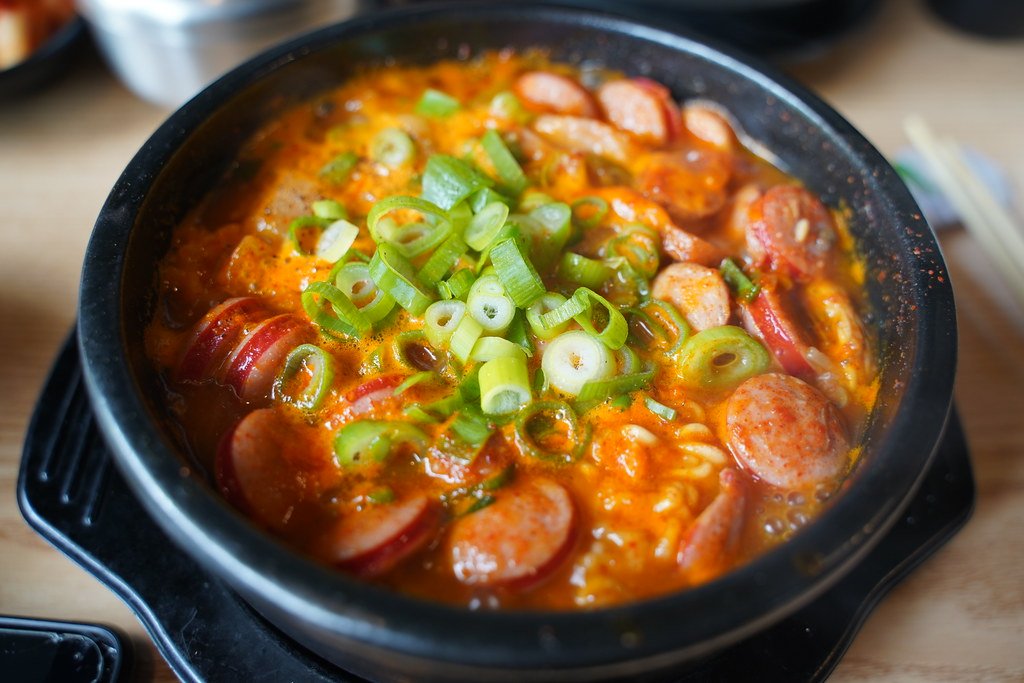
Budae jjigae, often referred to as Korean army stew, is a dish that tantalizes the taste buds with its complex flavor profile. At the heart of its appeal lies the perfect balance between spiciness and umami, achieved through the combination of ingredients such as gochujang (Korean red chili paste), kimchi, various meats, and instant noodles. The dish is known for its rich and hearty broth, which is infused with a depth of flavor that can be further enhanced by the addition of fermented foods and spices.
The interplay of flavors in budae jjigae is remarkable; the heat from the gochujang mingles harmoniously with the savory richness from the meats and vegetables. This diversity not only satisfies the palate but also provides a comforting warmth that is often sought after during cold weather. When served, each bowl showcases a spectrum of vibrant colors, from the deep red of the gochujang to the bright green of scallions and the yellow hue of ramen noodles. Such presentation captivates the eyes and elevates the overall dining experience.
Sharing budae jjigae enhances its enjoyment further, as it is traditionally served in a communal pot, encouraging diners to ladle the stew into their own bowls. This communal style not only fosters camaraderie but also allows each person to customize their dish with additional toppings or ingredients. Personally, one of my most memorable experiences with budae jjigae was during a winter gathering with friends. As the bubbling pot sat center stage, the enticing aroma enveloped us, blending anticipation with excitement. Each ladle revealed an assortment of ingredients, and the laughter shared while scooping out our portions created a warm atmosphere of connection and enjoyment.
In this way, taste and presentation of budae jjigae come together to create not just a meal, but a memorable occasion, leaving a lasting impression on those fortunate enough to partake in its unique appeal.
Where to Enjoy Budae Jjigae: Top Recommendations
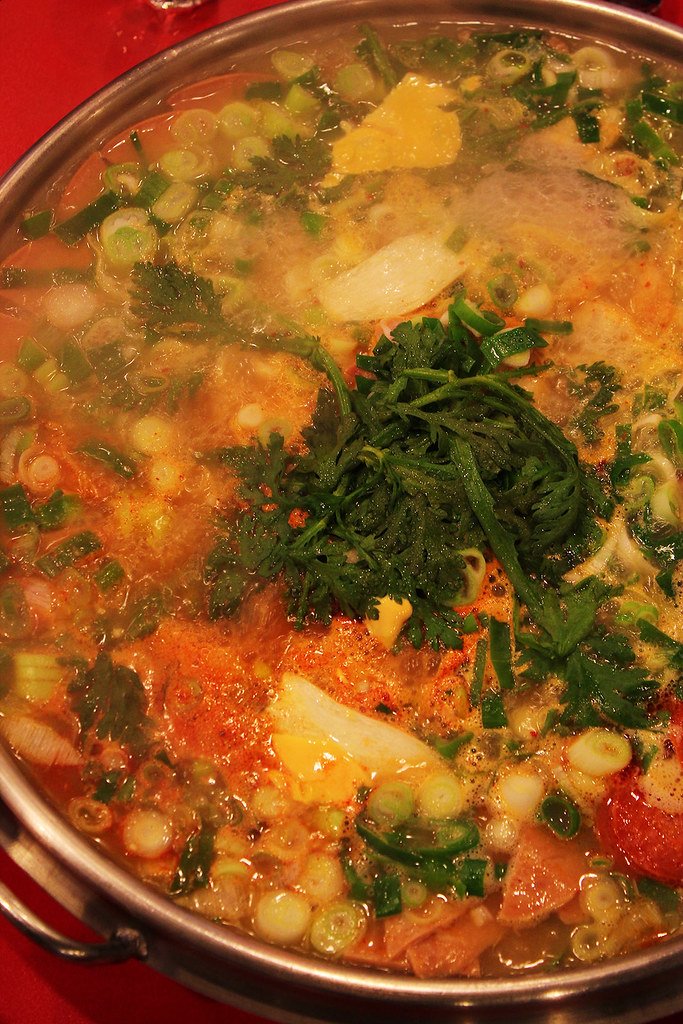
For those looking to experience the rich and savory flavors of budae jjigae, several establishments stand out as top destinations. Each of these restaurants offers its own unique interpretation of this beloved Korean comfort food, appealing to both traditionalists and those seeking a modern twist.
One of the notable traditional restaurants is Wang Bi Jang in Seoul. This iconic eatery has been serving authentic budae jjigae for decades, using a secret family recipe that highlights the dish’s origins. Dine-in customers can enjoy rich stocks simmered for hours, packed with generous portions of sausage, beans, and rice cakes. The bustling atmosphere and camaraderie among diners add to the overall experience, making it a must-visit location.
Modern takes on budae jjigae can be found at Budae Jjigae Myeongdong, where the presentation and flavor profiles are elevated while still maintaining the essence of the dish. This trendy spot allows customers to customize their jjigae, incorporating various proteins and premium ingredients that cater to diverse tastes. The stylish setting attracts a younger crowd looking to enjoy comfort food with a contemporary flair.
For food enthusiasts seeking recommendations from local experts, Seoul Food Guide is an invaluable resource. Their reviews consistently highlight less-known gems, including Jjigae Gukbap, a hidden treasure in the vibrant Hongdae area. This establishment provides a cozy setting and emphasizes quality ingredients, ensuring that diners experience an authentic taste of budae jjigae while interacting with the passionate staff who are knowledgeable about the dish’s ingredients and history.
When selecting a place to enjoy budae jjigae, consider the variety of ingredients offered, the establishment’s history, and customer reviews. Authenticity and flavor should guide your choice, allowing you to have the best experience possible while indulging in this delectable dish.