
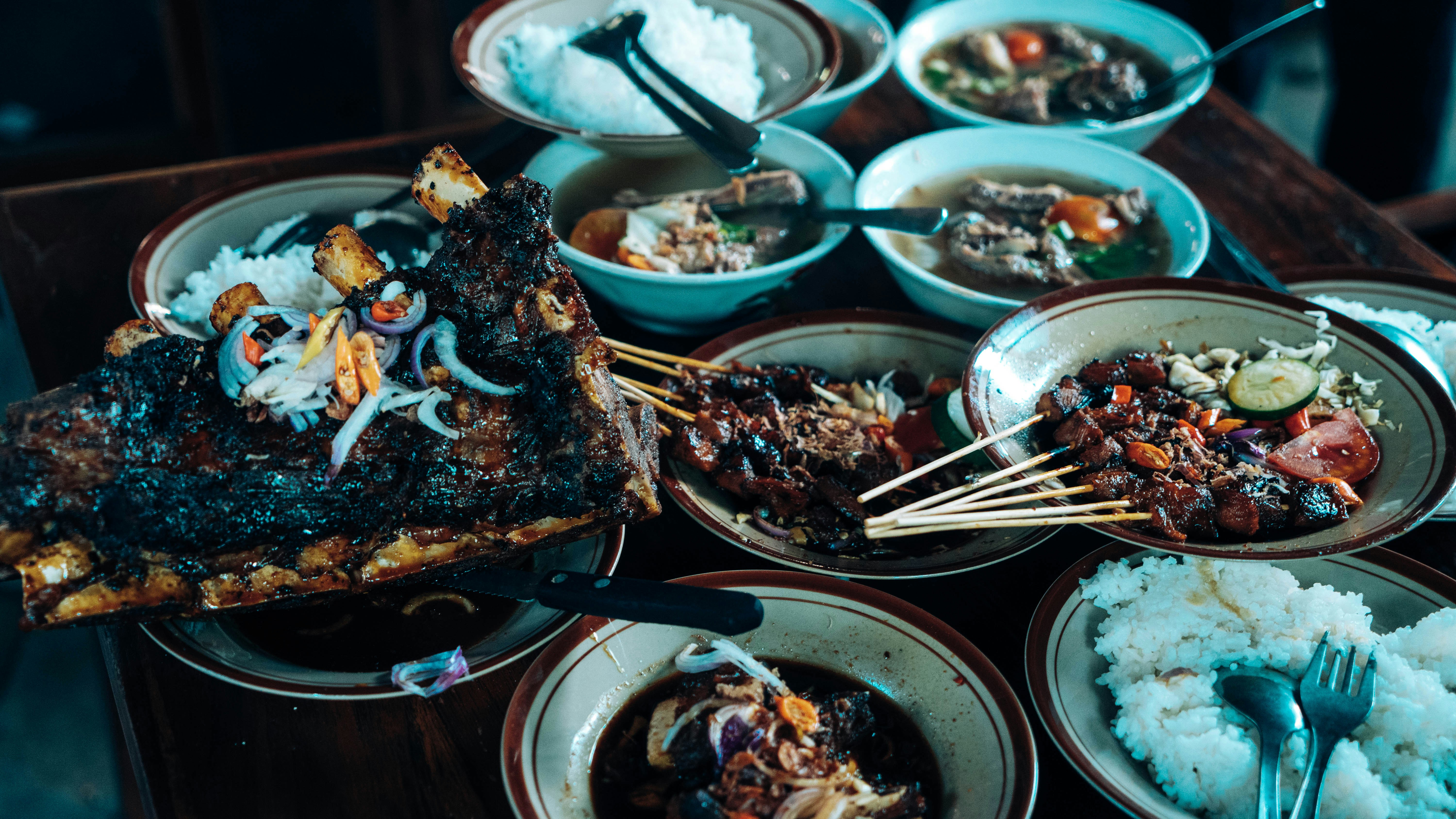
Introduction to Bitoque: A Culinary Heritage
Bitoque, a dish that encapsulates the rich gastronomic traditions of Portugal, is a testament to the nation’s culinary heritage. Originating from the Alentejo region, bitoque has evolved into a beloved staple across various parts of the country. Traditionally, this dish consists of a tender beef steak served with a fried egg on top, accompanied by crispy fries and often a side of rice. The simplicity of ingredients belies its profound flavor and cultural significance.
The preparation of bitoque is steeped in time-honored practices, with many families passing down their secret recipes through generations. Chefs often emphasize the importance of using high-quality, locally sourced meat, which is typically marinated with spices and herbs that enhance its flavor. This emphasis on fresh, regional ingredients reflects a broader trend within Portuguese cuisine, which celebrates the diversity of local produce and traditional cooking techniques.
Regional variations of bitoque exist, showcasing the dish’s adaptability and the unique culinary influences of different areas in Portugal. For instance, in some coastal towns, bitoque may be served with seafood elements or accompanied by a vibrant sauce influenced by Mediterranean flavors. Such adaptations not only highlight the locality of the ingredients but also underline the dish’s versatility as it incorporates elements of both rustic and coastal culinary practices.
In its essence, bitoque serves not only as a meal but also as a cultural emblem. It represents the narratives of generations, the connection to the land, and the love for home-cooked meals that is prevalent in Portuguese culture. As we delve deeper into the complexities of bitoque, we uncover not just flavors, but also stories of heritage, tradition, and community that make this dish a significant part of the gastronomic landscape.
Ingredients and Preparation: The Heart of Bitoque
Bitoque, a traditional dish cherished in various cultures, primarily showcases a select few ingredients that create its distinctive flavor profile. The core ingredient is generally a cut of beef, often resulting in a tender and flavorful experience. In some variations, pork or chicken may also be utilized, but beef remains the most popular choice due to its ability to absorb the rich flavors of the accompanying sauce and ingredients. The quality of the meat plays a pivotal role in the final dish, with well-marbled cuts enhancing tenderness and taste.
Another significant element in preparing bitoque is its signature sauce, commonly made from a base of garlic, onions, and peppers. This combination not only enriches the dish but also reflects the regional flavors prevalent in bitoque recipes. As the sauce simmers, a variety of spices, such as paprika or bay leaf, may be introduced, contributing to the complexity of the dish. The sauce is often drizzled generously over the cooked meat, allowing it to soak in and permeate every bite.
Aside from the meat and sauce, the side dishes accompanying bitoque are essential for creating a balanced meal. Fried eggs and crispy fries are typical accompaniments that provide contrasting textures and flavors. The creamy yolk of the fried egg adds richness, while the fries offer a satisfying crunch, enhancing the overall experience. Preparation techniques vary among cooks, yet it is common to sear the meat at a high temperature to seal in its juices before finishing the cooking process at a lower temperature, ensuring that the final product is both flavorful and tender.
Through the meticulous selection of ingredients and precise cooking methods, the heart of bitoque lies in its ability to reflect tradition while delighting the palate. Each step in the preparation contributes to the authenticity that distinguishes this dish as a culinary treasure.
Taste Test: Flavor Profile and Experience
The bitoque, a traditional dish celebrated in various Portuguese regions, presents a harmonious fusion of flavors and textures. At first glance, the dish typically features a succulent beef steak, delicately seasoned and grilled to perfection, showcasing a wonderfully charred exterior while maintaining a tender, juicy center. The primary flavor profile is characterized by the rich umami notes of the meat, combined with the tanginess introduced by the marinated sauce, often made from garlic, vinegar, and sometimes a hint of paprika. This balance creates a depth of flavor that captivates the palate.
As one delves deeper into the bitoque experience, the incorporation of fried eggs adds a layer of creaminess that harmonizes beautifully with the robust flavors of the beef. The egg yolk, when punctured, creates a luscious sauce that coats each bite, enhancing the overall sensation of enjoyment. Accompanying the dish, one often finds crispy French fries or rice, which provide a satisfying contrast in texture and absorb the vibrant juices, further elevating the meal.
When comparing bitoque to similar dishes, it evokes memories of a classic steak frites but with a distinctly Portuguese twist. Unlike steak frites, which often relies solely on the beef, bitoque stands out with its harmonious melding of flavors and textures. The culinary artistry lies in how the various components interact — the beef’s savory depth, the egg’s creaminess, and the sides’ crunch all collaborate to deliver a memorable dining experience. The sensory elements engaged by bitoque make it not only a meal but also an exploration of traditional Portuguese gastronomy. Savoring this dish is both a journey through flavor and culture, making it an essential experience for any food enthusiast.
Where to Find the Best Bitoque: Recommendations
When searching for the best bitoque, it is crucial to consider various factors, including the establishment’s preparation style, authenticity, and overall ambiance. Many restaurants pride themselves on serving this traditional dish, each offering a unique twist that contributes to its distinct flavor. To ensure a satisfying experience, diners should seek out eateries that prioritize high-quality ingredients and employ traditional cooking methods. Authentic bitoque typically features a perfectly cooked beef steak, accompanied by delicious fried potatoes and a fried egg, often presented with a flavorful sauce.
One highly recommended destination is a local Portuguese restaurant renowned for its dedication to preserving culinary traditions. Here, diners can expect a genuine bitoque experience, complete with the traditional sides and a focus on using local and seasonal ingredients. It is advisable to check reviews and consult food bloggers familiar with Portuguese cuisine to identify establishments that consistently receive praise for their bitoque.
Apart from dining out, preparing bitoque at home can also be highly rewarding. To replicate an authentic experience, consider sourcing fresh, quality ingredients, particularly the beef cut chosen. Techniques such as marinating the meat properly and achieving the perfect fry for the egg can elevate the dish significantly. Depending on individual preference, one might experiment with variations in sauce to enhance richness and depth of flavor.
For those who enjoy a social atmosphere, exploring food festivals or local markets featuring Portuguese vendors may be another opportunity to savor delightful bitoque variations. Often, these events provide a chance to sample dishes prepared by skilled chefs passionate about showcasing traditional recipes. Ultimately, whether dining out or crafting bitoque in one’s kitchen, the emphasis on quality and authenticity will ensure an enriching culinary experience.