
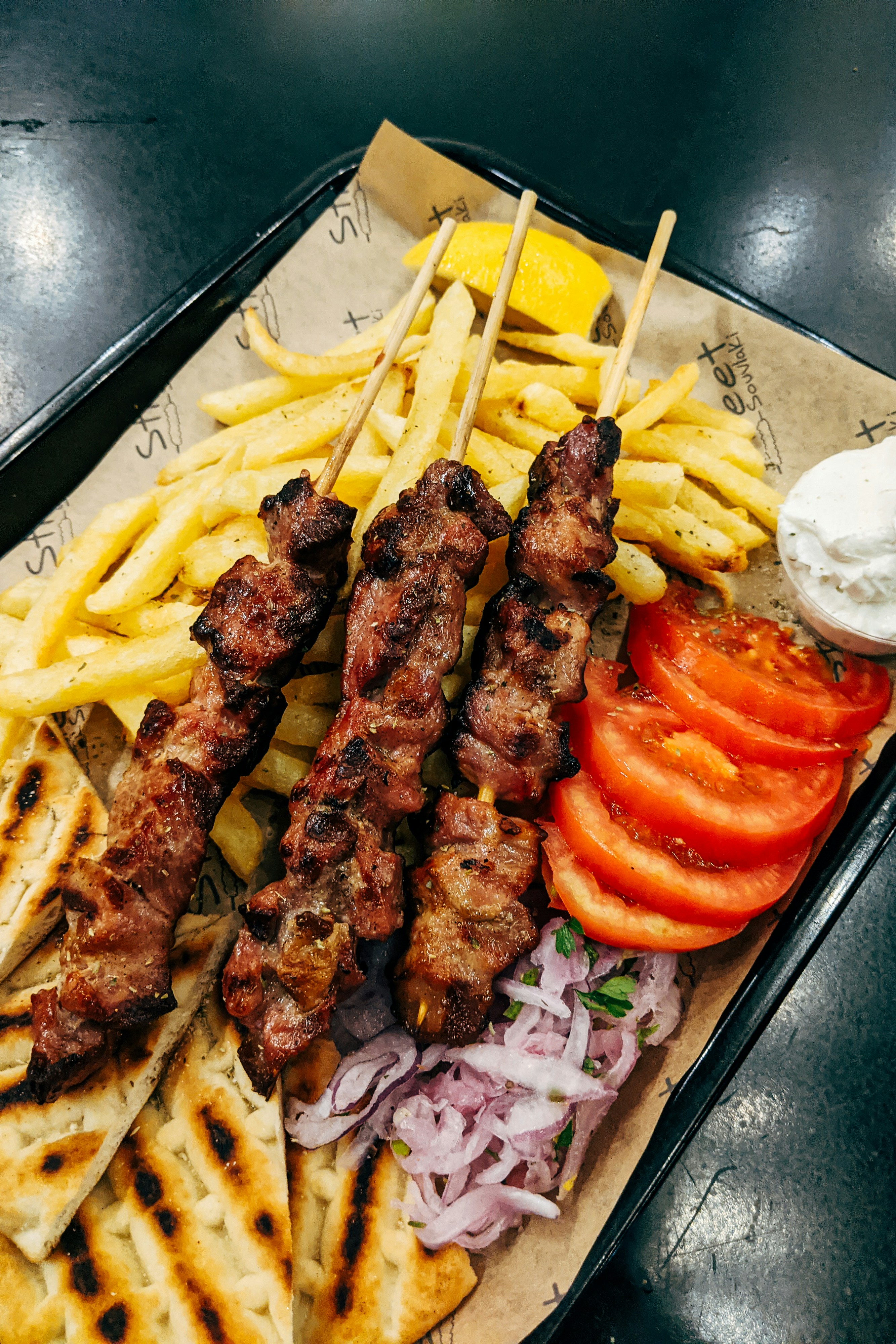
Introduction to Keftedes: A Bite of Tradition
Keftedes, traditional Greek meatballs, hold a significant place in Greece’s culinary heritage. These savory morsels are not merely a meal; they encapsulate a rich tapestry of history and culture that has evolved through centuries. The origins of keftedes can be traced back to ancient times, with roots likely linked to the widespread Mediterranean practice of combining minced meats with various spices and herbs. Ancient Greeks enjoyed meatballs, and references to similar dishes can be found in classical texts, often indicating their importance in both daily meals and special occasions.

In the context of traditional Greek meals, keftedes often serve as a symbol of hospitality and family gatherings. Shared during festive celebrations or enjoyed in simple family dinners, these meatballs embody the essence of Greek communal dining. They are typically seasoned with a blend of aromatic herbs, like oregano and mint, which not only enhances their flavor but also signifies the region’s abundant natural resources. Furthermore, the versatility of keftedes allows for variations in preparation, adapting to available ingredients and family recipes passed down through generations.
Traditional preparation of keftedes involves mixing ground meat, often beef or lamb, with breadcrumbs, onion, garlic, and spices, creating a rich mixture. This is then shaped into balls and either fried or baked until golden brown. The cooking methods can vary by region, reflecting local customs and preferences. Additionally, many families incorporate unique touches into their recipes, such as adding feta cheese or incorporating different spices that yield distinct flavors. This practice showcases the personal connection individuals have with keftedes, making each iteration a unique representation of Greek culinary tradition.
Ingredients that Define Keftedes

Keftedes, the beloved Greek meatballs, are distinguished by their rich flavor and texture, achieved through a careful selection of ingredients. The cornerstone of Keftedes is the type of ground meat used, which can vary regionally. Commonly, lamb, beef, or pork is employed, each contributing a unique taste. For instance, lamb, favored in many parts of Greece, imparts a robust and slightly gamey flavor, while beef is often utilized for a milder profile. The choice of meat greatly influences the meatball’s overall character and appeal.
In addition to the primary protein, a key factor in creating authentic Keftedes is the blend of herbs and spices. Fresh herbs, particularly parsley and mint, are integral in enhancing the flavor profile. Parsley adds a fresh and slightly peppery note, while mint provides a refreshing contrast, making the meatballs more aromatic. Other common spices include oregano, cinnamon, and pepper, which further enrich the symphony of flavors in the Keftedes.
The mixture also often includes breadcrumbs or rice, which serve to bind the ingredients together while adding moisture and texture. This element is crucial in achieving the desired consistency—juicy and tender meatballs that still hold their shape during cooking. The balance of these ingredients is vital, as it directly impacts the outcome of the dish.
Regional variations of Keftedes also introduce unique ingredients, reflecting local culinary traditions. For example, some recipes incorporate various nuts, cheeses, or even vegetables to create distinct twists on the classic preparation. Regardless of the specific ingredients used, the emphasis on high-quality components remains paramount. This pursuit of excellence ensures that each batch of Keftedes delivers an impeccable combination of flavors, making them a celebrated dish in Greek cuisine.
Cooking Techniques: From Kitchen to Table

When it comes to preparing Keftedes, the delightful Greek meatballs, there are several cooking techniques that can be employed to achieve the perfect dish. The traditional methods include frying, baking, and grilling, each offering a unique texture and flavor profile. Regardless of the chosen method, the essential ingredients remain the same—ground meat, herbs, and spices which can be tailored to suit individual tastes.
To start, the most common technique is frying. Begin by mixing together your choice of ground meat, commonly lamb or beef, with finely chopped onions, garlic, breadcrumbs, and fresh herbs like parsley or mint. Season the mixture generously with salt, pepper, and perhaps a hint of oregano for that Mediterranean touch. Once well combined, shape the mixture into small balls. Preheat a generous amount of olive oil in a skillet over medium heat and fry the Keftedes until they achieve a golden brown exterior and are thoroughly cooked inside, which typically takes about 8 to 10 minutes.
Another effective method is baking. This technique is a healthier alternative that requires fewer fats while still delivering delicious results. Preheat your oven to 375°F (190°C) and arrange the meatballs on a parchment-lined baking sheet. For added flavor, drizzle olive oil over the Keftedes before placing them in the oven for approximately 20-25 minutes, turning halfway through.
Grilling imparts a distinct smoky flavor to the Keftedes. After forming the meatballs, skewer them for easier handling on the grill. Preheat the grill to medium-high heat, and cook for about 6-8 minutes per side, ensuring they don’t dry out. Pairing Keftedes with tzatziki sauce—a mix of yogurt, cucumber, garlic, and herbs—can significantly elevate the dish’s flavors. This cooling sauce complements the rich meatballs exceptionally well, making for an unforgettable dining experience.
Taste Testing and Final Thoughts

In our quest to explore the exquisite world of Keftedes, we undertook a thorough taste test that encompassed selections from a variety of Greek restaurants and home kitchens. The results were impressive and underscored the culinary prowess inherent in the preparation of these delightful meatballs. Each sampling provided unique offerings, allowing us to evaluate the dish on multiple dimensions such as flavor, texture, presentation, and overall experience.
Flavor, undeniably, plays a pivotal role in the enjoyment of Keftedes. Most variations we encountered showcased a harmonious blend of spices and herbs, with common ingredients including garlic, oregano, and mint. Some establishments added a creative twist, incorporating feta cheese or pine nuts, enhancing the traditional flavor profile. The result was a delightful infusion that paid homage to the classic while also providing a fresh perspective.
Texture was another crucial aspect of our evaluation. Well-prepared Keftedes displayed a perfect balance between crispiness on the exterior and a moist, tender interior. This contrast contributed significantly to the eating experience, making each bite appealing. In certain instances, the use of alternative meat, such as lamb, introduced a different texture and taste, which some diners appreciated as an exciting departure from the classic ground beef or pork variants.
Presentation also merits discussion, as Greek cuisine often emphasizes aesthetics. Keftedes were served in various styles, from elegant platters to casual street food arrangements, each reflecting their culinary context. Most often garnished with fresh herbs or a drizzle of sauce, these meatballs were undeniably appetizing.
Ultimately, our exploration of Keftedes has highlighted the versatility and widespread appeal of this beloved dish in Greek culinary tradition. We encourage readers to seek out these delightful meatballs in local restaurants or attempt preparing them at home, discovering firsthand the rich flavors and textures that characterize Keftedes. Each taste offers a glimpse into the heart of Greek gastronomy, making every bite an invitation to explore further.