
The Origins of Rabo de Toro
Rabo de toro, or oxtail stew, has rich historical roots that intertwine with the culinary traditions of Spain, particularly in the southern region of Andalusia. Its origins can be traced back to the days of bullfighting, where the tail of the bull was left as a culinary offering after the bull was fought. This practice led to the creation of a hearty dish that became a staple for many households, transforming what was once a discarded cut of meat into a beloved delicacy. The dish reflects the resourcefulness of Spanish culture, using every part of the animal in a time when frugality was vital.
As the years passed, rabo de toro evolved from a rustic, countryside meal into a treasured item in Spanish gastronomy. The recipe varies from region to region, with some traditional versions emphasizing the use of local wines and spices to enhance the flavor profile. It is often slow-cooked for several hours, allowing the oxtail meat to become tender and infused with the rich flavors of vegetables, herbs, and spices. This cooking method not only makes the dish delicious but also exemplifies traditional Spanish cooking techniques that value time and patience.
The cultural significance of rabo de toro extends beyond mere sustenance; it is often associated with communal gatherings and special celebrations. In Andalusia, festivals and family gatherings regularly feature this dish, reinforcing its status as a celebration of tradition and community. The preparation and shared consumption of rabo de toro unite families and friends, showcasing the importance of food in building social bonds. Today, rabo de toro continues to be celebrated across Spain, symbolizing the enduring connection between culinary heritage and local identity.
Ingredients and Preparation

Rabo de toro, a traditional Spanish dish celebrated for its rich flavors and comforting essence, hinges on a carefully curated selection of ingredients. The primary component is, of course, oxtail, which must be of the highest quality. The choice of meat is crucial, as well-marbled oxtail ensures a tender and flavorful outcome. Selecting cuts from healthy cattle will provide the necessary gelatin, transforming the broth into a luscious sauce when slow-cooked.
To complement the oxtail, a medley of aromatic vegetables forms the base of the dish. Onions, carrots, and celery are deftly sautéed, providing depth and sweetness to the overall flavor profile. Furthermore, a combination of garlic and tomatoes infuses the dish with a savory note. The addition of red wine not only enhances the umami but also helps to tenderize the meat, adding complexity to the sauce.
Herbs and spices are equally important in achieving that authentic rabo de toro flavor. Bay leaves, thyme, and even a touch of paprika are often included to elevate the dish. These ingredients work synergistically to create a well-rounded profile, enhancing the meat’s natural taste. The meticulous balance of these elements is what distinguishes a remarkable rabo de toro from an average one.
The preparation of rabo de toro requires patience, as slow-cooking is a vital technique that allows flavors to meld beautifully. Generally, this dish is simmered for several hours, either in a pot on the stovetop or in a slow cooker, ensuring the oxtail becomes meltingly tender. Variations of the recipe may include different vegetables, or even the substitution of oxtail with beef shank for a different twist. For home cooks eager to recreate this dish, the key is to allow adequate cooking time, as well as to taste and adjust the seasoning throughout the process.
The Tasting Experience

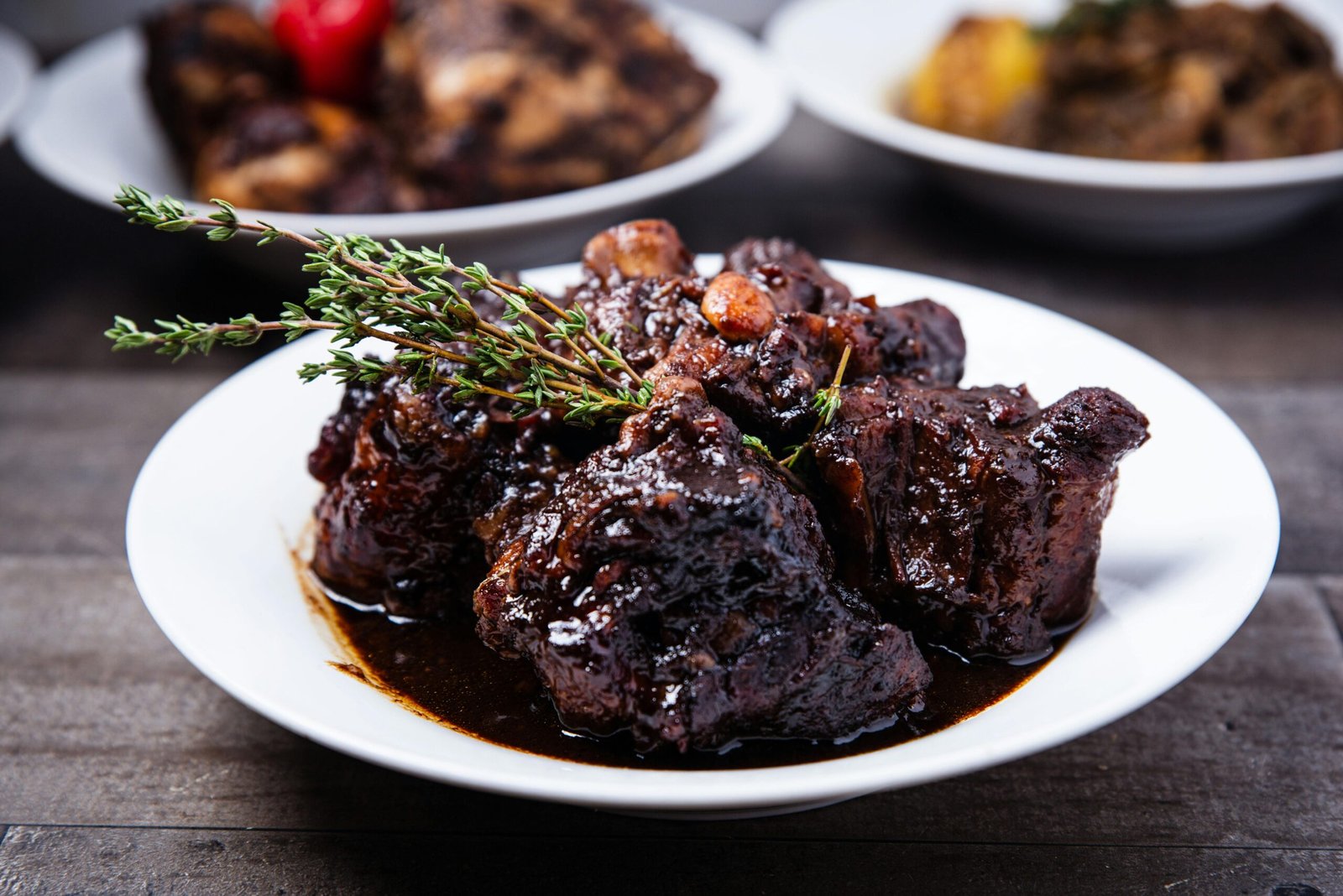
Rabo de toro, or oxtail stew, is a dish deeply rooted in Spanish culinary tradition, particularly within Andalusian cuisine. This dish is notable for its rich and complex flavors, which combine to offer a truly memorable tasting experience. When served, the oxtail presents a deep, rich brown color, hinting at the slow cooking that defines its preparation. The visual appeal is complemented by an aromatic profile that is both robust and inviting, characterized by the earthy notes of toasted spices, and the sweet undertones of caramelized onions.
Upon the first bite, the texture of the tender meat is striking. The slow-cooked oxtail falls effortlessly off the bone, revealing a gelatinous quality that adds a luscious mouthfeel. Each piece is enveloped in a thick, savory sauce, made from a combination of tomatoes, red wine, and a selection of herbs such as thyme and bay leaves. This depth of flavor is elevated by the presence of garlic, which delivers a warm, aromatic kick without overpowering the dish’s essence.
For those who have experienced rabo de toro firsthand, it often sparks nostalgic recollections of shared meals with family and friends. One diner might recall savoring the dish during a festive gathering, while another might reminisce about its comforting presence on cold winter nights. The stew is frequently paired with hearty sides, such as creamy mashed potatoes or a rustic country bread, both of which help to soak up the delectable sauce. The ideal accompaniment is a garnet-hued Spanish red wine, which enhances the stew’s flavors without overshadowing them.
In conclusion, the tasting experience of rabo de toro is a celebration of rich flavors, tender textures, and evocative aromas, making it an essential dish for any food enthusiast seeking to explore the depths of Spanish cuisine.
Where to Find Authentic Rabo de Toro
Rabo de toro, a quintessential dish of Spanish cuisine, is celebrated for its rich flavors and tender texture. To truly appreciate this culinary delight, it is essential to know where to find the best renditions of this traditional dish, especially in Spain and around the globe. In the heart of Spain, Andalusia, specifically cities like Seville and Córdoba, are famous for their authentic rabo de toro offerings. Local establishments such as Restaurante Casa Juanito in Córdoba are renowned for their expertly prepared rabo de toro, often slow-cooked with flavorful ingredients, resulting in a dish that is both hearty and aromatic.
Beyond traditional options, modern eateries have begun to embrace and innovate on this classic recipe. A restaurant like La Bodega de los Secretos in Madrid not only preserves the traditional preparations but also incorporates contemporary culinary techniques, presenting a unique take on rabo de toro. Their version often features innovative side dishes that complement the slow-braised oxtail beautifully, appealing to both purists and culinary adventurers alike.
If you’re looking to experiment with rabo de toro at home, sourcing high-quality ingredients is crucial. Opt for a good cut of oxtail, preferably from your local butcher or an organic grocery store. Accompanying ingredients such as red wine, aromatic vegetables, and spices will help recreate the depth of flavor found in authentic dishes. There are numerous recipes available online that provide insights into the traditional methods of preparation, helping you to craft your own version of this exquisite dish.
When dining out, look for establishments that prioritize quality ingredients and traditional cooking methods in their rabo de toro preparations. Authenticity often shines through in the rich flavor profile and the tenderness of the meat. Embarking on a culinary adventure to taste rabo de toro is sure to be a memorable experience, whether enjoyed at a local taqueria or in the comfort of your own kitchen.