

What is Duqqa? A Brief Introduction
Duqqa is a traditional Middle Eastern condiment, particularly renowned in Egyptian cuisine, that combines an array of flavorful ingredients, primarily nuts, seeds, and spices. The word “duqqa” itself is derived from the Arabic term meaning “to pound,” which reflects the method of preparation that involves grinding or crushing the ingredients together to create a coarse, aromatic blend. Typically, duqqa incorporates a variety of nuts, such as hazelnuts or walnuts, along with seeds like sesame and cumin, which contribute to its distinctive taste profile.
Historically, duqqa serves not only as a flavor enhancer but also as a nutritional component in everyday meals. Its versatility allows it to be paired with various dishes, enhancing flavor and texture, particularly when enjoyed with bread and a drizzle of olive oil. This simple yet indulgent combination highlights duqqa’s place in the Mediterranean diet, promoting a communal eating experience that emphasizes sharing and hospitality.
In preparing duqqa, the ingredients are meticulously selected to achieve a balance of flavors, often incorporating herbs and spices such as coriander and paprika. This combination reflects the cultural significance of duqqa, showcasing local agricultural practices and regional cuisines. Duqqa is typically used as a dip, where fresh bread is torn and dipped into olive oil before being rolled in the aromatic mixture, allowing diners to savor the rich flavors and textures that this condiment offers.
Today, duqqa has transcended its traditional roots and gained popularity globally, embraced by gourmet chefs and home cooks alike. It is now found in various culinary contexts, extending beyond its Egyptian origins to make a mark in modern cuisine. Understanding duqqa’s history and preparation provides a valuable foundation for appreciating its unique contribution to the rich tapestry of Middle Eastern gastronomy.
The Art of Making Duqqa: Ingredients and Preparation
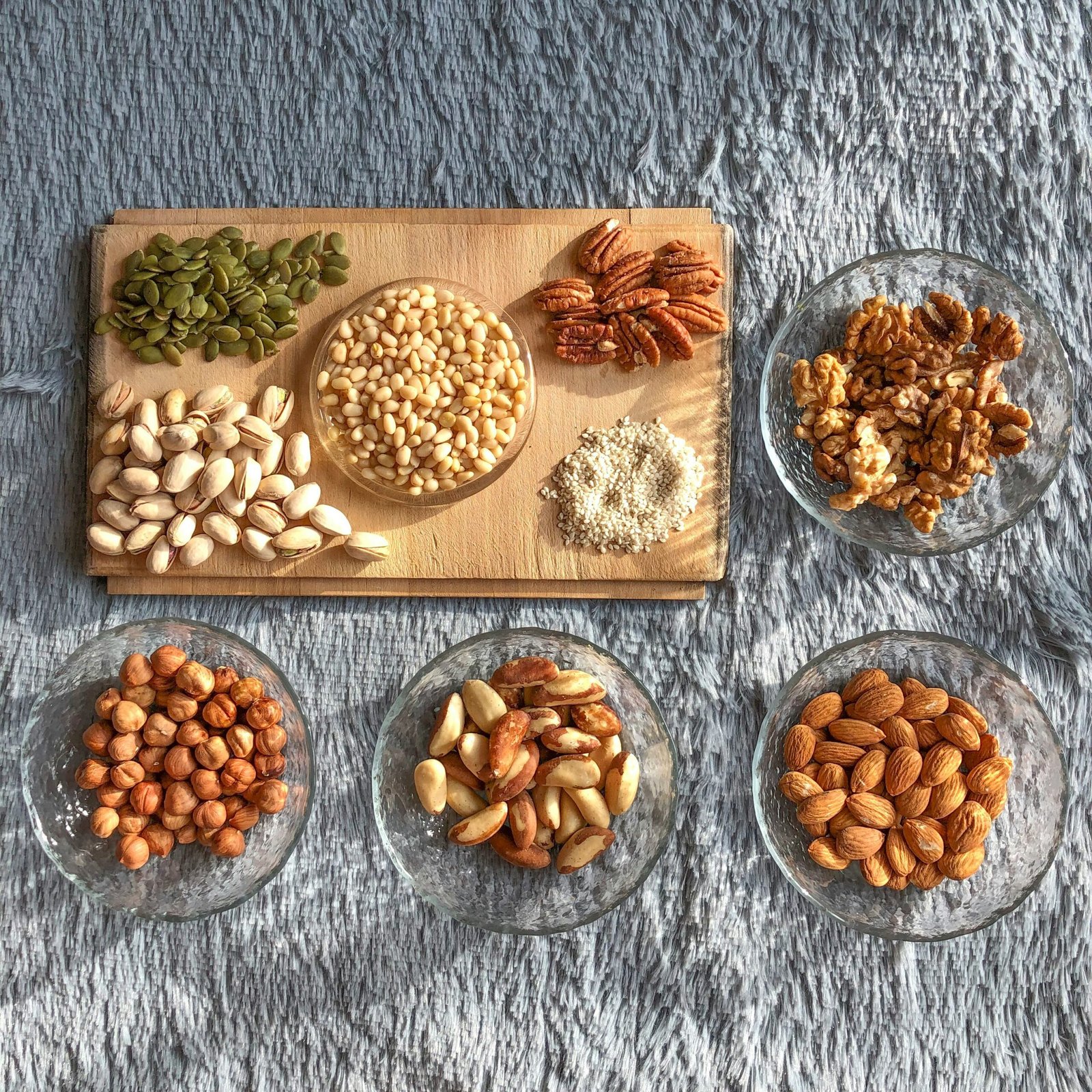
Duqqa, a traditional Middle Eastern dip, showcases a unique blend of flavors and textures that are influenced by individual and regional preferences. The core ingredients typically include a mix of nuts, seeds, and spices, with variations often reflecting local availability and personal taste. Most commonly, duqqa is made using hazelnuts or almonds, sesame seeds, and a variety of spices such as cumin, coriander, and sometimes black pepper. While these ingredients are fundamental, variations can include other nuts like walnuts or pistachios, which introduce distinct flavors and textures.
The preparation of duqqa begins with toasting the nuts and seeds. Toasting not only intensifies their flavor but also enhances the overall aroma of the dish. This crucial step often involves pan-roasting the nuts over medium heat until they are golden brown, while the seeds may require a slightly shorter toasting time to prevent them from burning. Once toasted, the ingredients need to cool before moving onto the grinding process.
Grinding the toasted mixture is where the desired texture of duqqa is established. Some prefer a coarser texture, allowing for more crunch, while others may opt for a finer consistency. A mortar and pestle or a spice grinder can be utilized, emphasizing the importance of a method that best aligns with one’s preference. To achieve a well-rounded flavor profile, it is advisable to experiment with the proportions of each ingredient. Balance is key; a dominant nut flavor should harmonize with the spices added, thus creating a truly delightful experience.
This versatile mixture can be enjoyed in numerous ways, often served with olive oil for dipping or as a seasoning for various dishes. The distinct taste of homemade duqqa not only delights the palate but also embodies the cultural richness of Middle Eastern cuisine, providing an excellent reason to craft this dish at home.
Tasting Notes: The Flavor Profile of Duqqa
Duqqa, a traditional Egyptian condiment, presents a remarkable amalgamation of flavors and textures that captivates the palate. At its core, duqqa is primarily a blend of coarsely ground nuts—often hazelnuts or almonds—combined with a variety of spices and herbs such as coriander, cumin, and sesame seeds. This unique combination results in a flavor profile that is both earthy and aromatic, making it an appealing addition to various dishes.
The earthiness imparted by the nuts serves as a foundation upon which the more vibrant spices build. Coriander and cumin contribute warm, slightly citrusy notes that invigorate the taste buds, while sesame seeds add a nutty sweetness that enhances the overall experience. When tasting duqqa, one is likely to notice the crunchy texture that complements the smoothness of oils typically used for dipping. This contrasts not only in texture but also in flavor, allowing the individual ingredients to shine while harmonizing beautifully.
Duqqa’s versatility means it pairs well with an array of culinary creations. As a dipping condiment, it is often enjoyed with warm bread, especially when accompanied by olive oil, creating a rich and flavorful appetizer. Furthermore, it enhances roasted vegetables, grilled meats, or fish by providing a complex taste that can elevate these dishes. By sprinkling duqqa on salads or soups, one can introduce depth and crunch, transforming a simple meal into a gourmet experience.
In culinary applications, the possibilities for duqqa are diverse. Its unique flavor profile complements Mediterranean dishes, Middle Eastern specialties, and even Western fare, effectively bridging culinary gaps and enriching the dining experience. Through its intricate blend of textures and flavors, duqqa stands out as a delightful addition to any table, inviting diners to explore its many facets while savoring every bite.
Duqqa in the Modern Culinary Scene: Variations and Pairings
In recent years, duqqa has emerged as a beloved condiment, seamlessly transcending its traditional Middle Eastern roots to occupy a prominent role in modern cuisine. Chefs and home cooks alike are reimagining this ancient mixture of nuts, spices, and herbs, integrating it into diverse culinary contexts that highlight its multifaceted flavor profile. The versatility of duqqa means it can be paired with a variety of dishes, moving beyond the classical accompaniment of bread and olive oil, and establishing itself as a key player in contemporary gastronomy.
Innovative culinary techniques have catalyzed the elevation of duqqa from a simple dip to a gourmet enhancer for many modern dishes. For example, it can be sprinkled over roasted vegetables, enhancing their natural sweetness with its aromatic crunch. Additionally, duqqa serves as an excellent crust for meats, lending a rich texture and depth of flavor that complements everything from chicken to lamb. Furthermore, its incorporation into salads, where it can be used as a garnish or mixed into dressings, showcases the spice blend’s adaptability and the intriguing dimension it brings to fresh ingredients.
Several notable chefs and restaurants have begun to showcase elevated duqqa dishes, highlighting the blend’s rising status in contemporary cuisine. These culinary innovators experiment with various nut and spice combinations, introducing unique flavors that appeal to modern palates. Establishments such as Ottolenghi in London have popularized duqqa-infused offerings, encouraging diners to explore its unexpected pairings with dishes like roasted fish or contemporary grain bowls. This newfound prominence in menus across the globe signifies the growing appreciation for duqqa, as food enthusiasts seek to indulge in its rich taste while experimenting with its applications. As duqqa carves its niche in the modern culinary landscape, it continues to inspire creativity, encouraging cooks at every level to explore this flavorful Middle Eastern delight.