
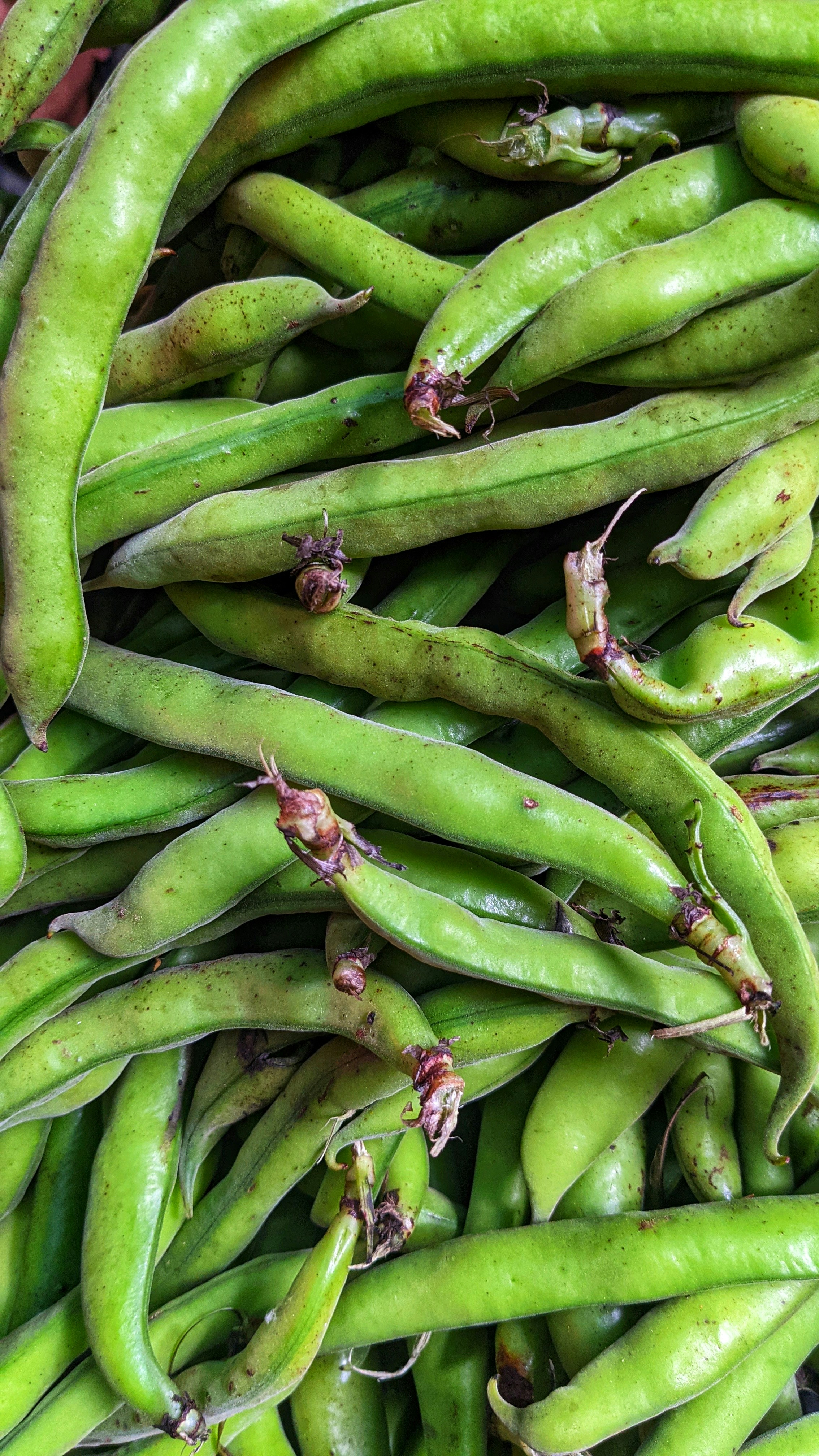
Introduction to Fava Beans
Fava beans, scientifically known as Vicia faba, are broad, flat legumes that have been cultivated since ancient times, making their historical roots profound and extensive. Indigenous to the Mediterranean region, these beans have transcended geographical boundaries and are commonly found in various cuisines worldwide, from Italian to Middle Eastern dishes. Their rich history can be traced back over 6,000 years, reflecting the significant role they have played in agriculture and dietary practices through the ages.
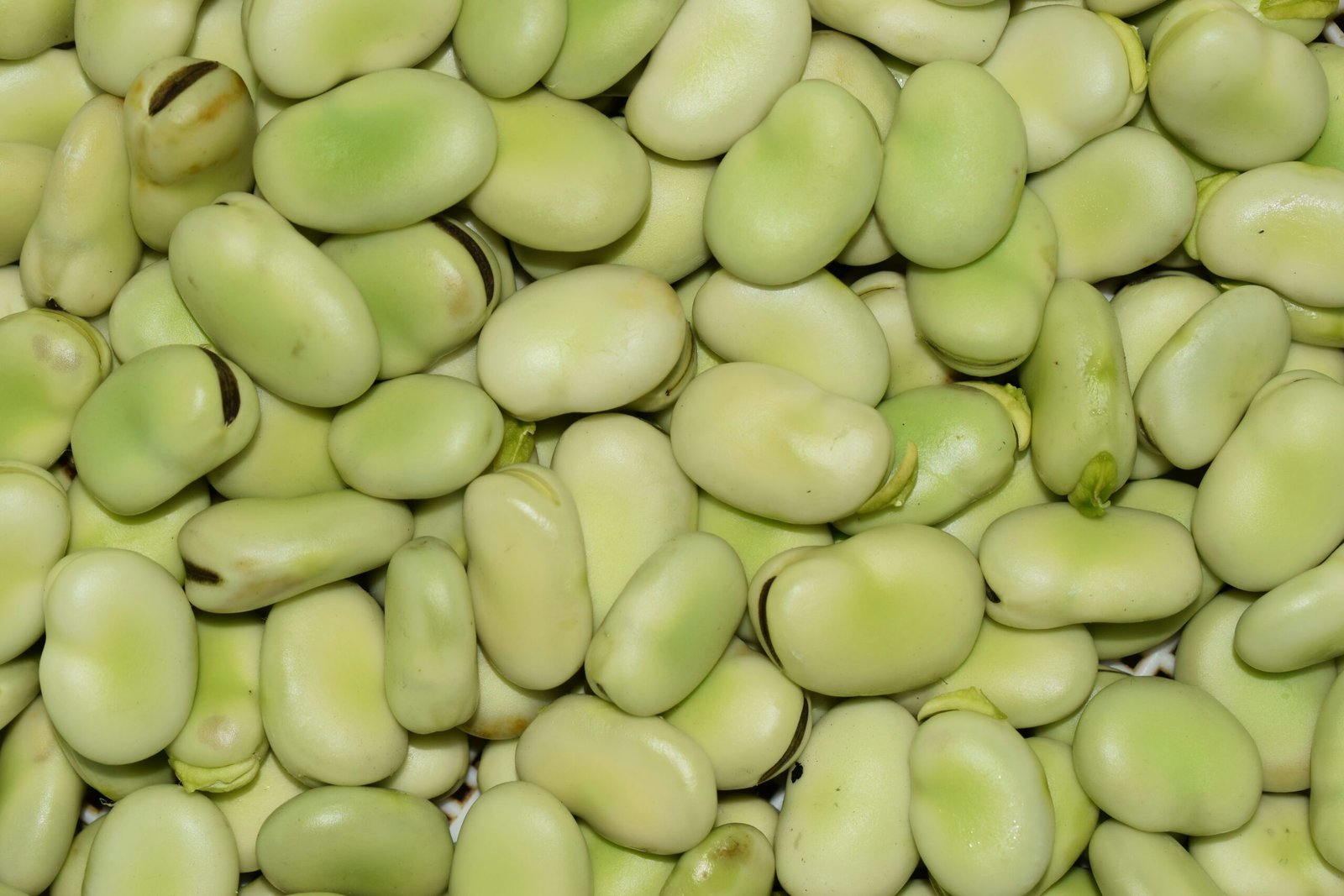
The cultivation of fava beans primarily flourishes in temperate climates, with major production regions including countries such as Egypt, China, and Italy. These beans are typically sown in the fall and harvested in the spring, aligning their seasonality with cooler weather conditions. Through careful storage and preparation methods, fava beans have maintained their popularity across generations, adapting to diverse culinary habits and local ingredients.
In terms of cultural significance, fava beans have earned notable standing in various societies. For example, in Italy, they are celebrated during festivals and are often featured in traditional dishes, reflecting both historical and agricultural importance. Similarly, in Middle Eastern cuisine, fava beans serve as the base for popular dishes such as falafel and ful medames, highlighting their versatility and nutritional value. Furthermore, different varieties of fava beans, including the large, flat beans and smaller, more tender options, showcase the diversity within this legume family.
With their rich history and cultural significance, fava beans offer an excellent introduction to the broader discussion of their health benefits and culinary applications. As we delve deeper, we will explore the specifics of their nutritional profile, cooking methods, and tasting notes, revealing why these beans deserve a place in contemporary diets.
Nutritional Profile of Fava Beans

Fava beans, also known as broad beans, are nutrient-dense legumes that offer a variety of health benefits. They are particularly high in protein, with a cooked serving containing approximately 7-8 grams. This makes fava beans an excellent plant-based protein source for vegetarians and vegans, contributing significantly to muscle repair and growth. Moreover, these legumes are rich in dietary fiber, which is crucial for digestive health, helping to maintain regular bowel movements and prevent constipation.
In terms of micronutrients, fava beans are an excellent source of iron and folate. Iron is essential for the formation of red blood cells and preventing anemia, while folate plays a vital role in DNA synthesis and repair, as well as promoting healthy fetal development during pregnancy. A significant benefit of consuming fava beans is their high antioxidant content. Antioxidants help combat oxidative stress in the body, potentially reducing the risk of chronic diseases such as heart disease and cancer.
Regular consumption of fava beans may also support heart health. The combination of fiber, potassium, and antioxidants contributes to cardiovascular health by regulating cholesterol levels and lowering blood pressure. Furthermore, fava beans are low in calories and have a low glycemic index, making them a suitable addition to a weight management plan. However, individuals with certain health conditions, such as favism or certain allergies, should exercise caution when consuming fava beans, as they may trigger adverse reactions. It is advisable for those with specific dietary concerns to consult healthcare professionals before including fava beans in their diet.
Culinary Uses of Fava Beans

Fava beans, also known as broad beans, are highly versatile legumes that can be prepared in numerous ways, making them a favorite in various culinary traditions worldwide. One of the most common methods of cooking fava beans is boiling. To begin, the beans are typically shelled and briefly boiled in salted water until tender, which takes about 5 to 10 minutes depending on their size. Once cooked, they can be used in salads or served as a delightful side dish.
Steaming is another excellent method for preparing fava beans. This technique preserves the beans’ vibrant color and enhances their natural flavors. Simply place the shelled beans in a steamer basket over boiling water and cook for about 6 to 8 minutes. Steamed fava beans can provide a nutritious addition to various dishes or can be tossed with olive oil, lemon juice, and fresh herbs for a simple, healthy dish.
Roasting fava beans offers a different flavor profile, creating a smoky, nutty taste. To roast, wash and remove the outer skins from the beans (this enhances texture and flavor absorption) and toss them in olive oil, salt, and your favorite spices. Spread them on a baking sheet and roast at 400°F (200°C) for 15-20 minutes, shaking the pan occasionally for even cooking. Roasted fava beans make for an enticing snack or an excellent salad topping.
In global cuisine, fava beans can be found in various recipes, from Mediterranean dishes such as fava bean dip to Arabic favorites like foul medames. They can also be incorporated into soups, stews, and even desserts. Complementing fava beans with fresh herbs like mint and dill or spices such as cumin and coriander further enhances their flavor. Whether you are preparing a hearty main dish or a light appetizer, fava beans can add both nutritional value and an exquisite flavor, making them a worthy addition to any culinary repertoire.
Tasting Notes: Flavor and Texture of Fava Beans

Fava beans, also known as broad beans, are celebrated not only for their nutritional benefits but also for their distinctive taste and texture. When it comes to flavor, these beans offer a unique combination of sweetness and earthiness. The initial bite presents a gentle, slightly sweet taste that is reminiscent of fresh green peas. As one chews through the creamy flesh, a rich, earthy flavor emerges, providing a satisfying depth that complements various dishes.
The texture of fava beans is another highlight. When cooked properly, they are tender yet hold a slight firmness, which lends a pleasing mouthfeel. Fresh fava beans, when eaten raw, present a crispiness that is both refreshing and enjoyable. In contrast, overcooked beans become mushy, which can detract from their appeal. Therefore, it is essential to master the cooking time to retain their delightful texture while enhancing their flavors. Ideally, fava beans should be steamed or sautéed just until tender, preserving their buttery consistency and vivid green color.
Fava beans shine in a multitude of culinary applications. They can be enjoyed as a standalone dish, often prepared as a simple side with a drizzle of olive oil and a sprinkle of salt. Additionally, these beans can be integrated into salads, soups, and stews, where their flavor enhances the overall dish without overpowering other ingredients. For a unique treat, consider making a fava bean dip, similar to hummus, which can be served with pita or fresh vegetables.
Engaging in your own tasting of fava beans can be an enlightening experience. Experiment with various cooking methods and pairings, and take note of your personal preferences. By sharing your discoveries with others, you contribute to a growing appreciation for the nuances of this versatile legume.