
Introduction to Litti Chokha
Litti Chokha is a traditional dish hailing from the Indian state of Bihar, renowned for its rich cultural heritage and culinary delights. This dish serves as a quintessential representation of rural Bihari cuisine, often prepared during festivals and family gatherings, reflecting the community’s culinary history and social bonding. The main components of Litti Chokha consist of litti, which are baked wheat balls stuffed with a spiced mixture of roasted gram flour, and chokha, a flavorful side dish typically made with mashed vegetables such as eggplant, tomato, and potatoes.
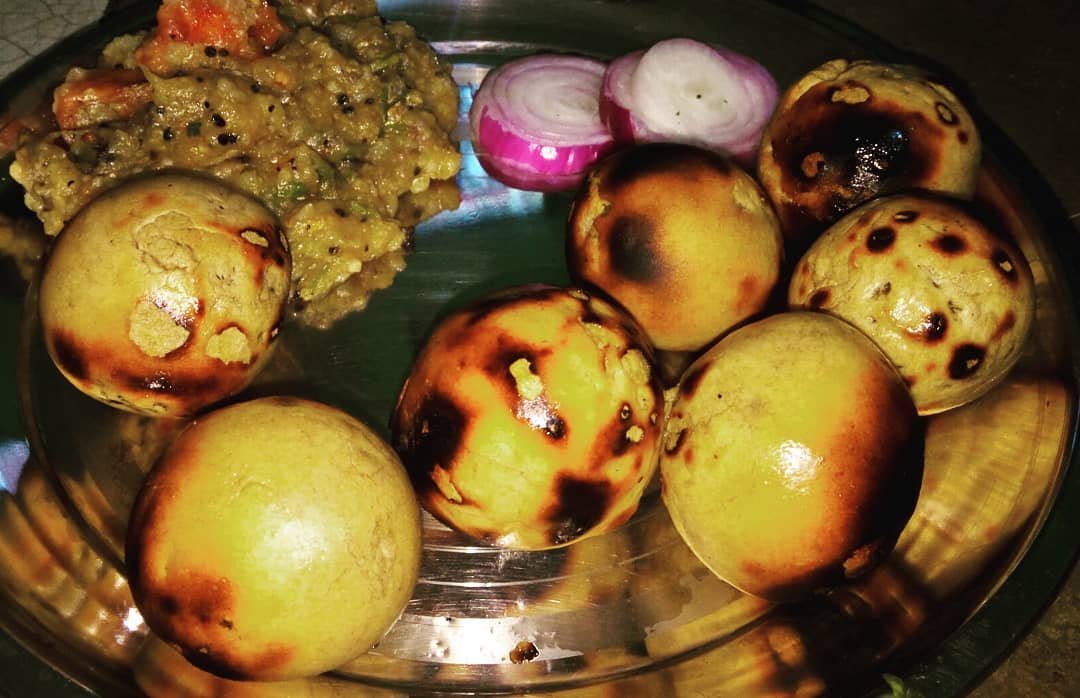
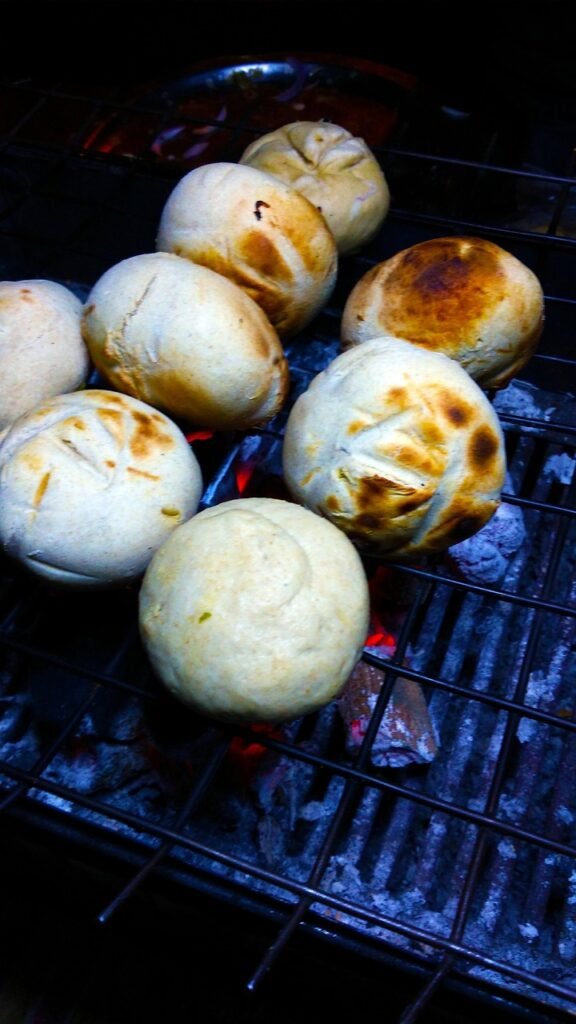
The preparation of litti begins with making a dough from whole wheat flour, which is then rolled into small balls and filled with a well-seasoned stuffing, often enhanced with garlic, ginger, and various spices. These balls are traditionally cooked in a tandoor or an open fire, imparting a unique smoky flavor that distinguishes litti from other similar dishes. On the other hand, chokha is prepared by roasting the vegetables over an open flame until they are charred, after which they are mashed and mixed with mustard oil, onions, and spices to create a tantalizing accompaniment.
Litti Chokha not only embodies the essence of Bihar’s culinary traditions but also showcases the resourcefulness of its people, who have evolved this dish over time to include diverse ingredients based on availability. While the dish has its rustic roots, it has gained popularity across India, being appreciated for its unique flavors and wholesome ingredients. Today, variations of Litti Chokha can be found in restaurants and homes alike, allowing people outside of Bihar to relish this authentic taste of Indian heritage. The dish serves as a symbol of Bihar, representing both its cultural significance and the community’s identity.
Ingredients and Preparation of Litti Chokha
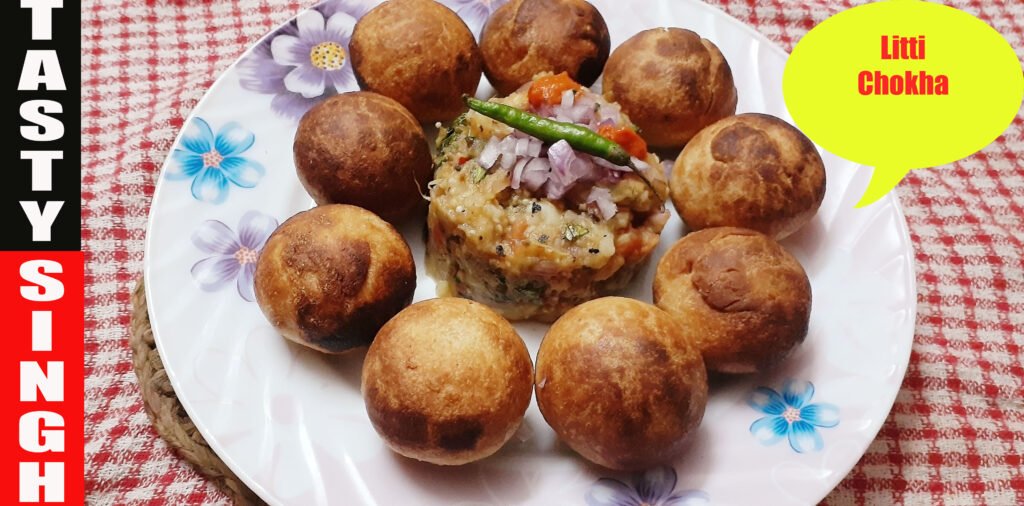
Litti Chokha, a traditional dish from the state of Bihar, India, is known for its rich flavors and unique textures. The dish comprises two main components: litti and chokha. Understanding the specific ingredients that constitute these components is crucial for an authentic culinary experience.
The primary ingredient for litti is whole wheat flour, which forms the outer dough. This dough is typically mixed with a blend of roasted gram flour (sattu), which serves as the filling, along with spices such as cumin seeds, coriander powder, and a dash of green chili for heat. Additionally, chopped onion, garlic, and fresh coriander leaves elevate the flavor profile. The perfect litti requires the dough to be kneaded until smooth, and the filling must be adequately spiced to ensure a balance of flavors.
Chokha, on the other hand, is a mashed vegetable dish usually made from roasted eggplant, boiled potatoes, and ripe tomatoes. Each of these vegetables contributes to the complexity of the dish. The eggplant is roasted over an open flame until the skin blackens, which imparts a smoky flavor. The potatoes are boiled and mashed to create a creamy texture, while fresh tomatoes add acidity. To enhance the taste, ingredients like mustard oil, green chilies, garlic, and chopped onions are mixed in, providing a delightful contrast to the litti.
To prepare litti, the dough is rolled into balls, which are then stuffed with the sattu filling and shaped into rounds. The litti can be baked or roasted until golden brown. The chokha is prepared by roasting the vegetables, peeling them, and then mashing them together with the remaining ingredients. A key cooking technique is to ensure all components are well-cooked yet flavored individually, allowing them to harmonize when served together. Following these guidelines will yield a dish that captures the essence of traditional Litti Chokha.
Taste Profile and Pairing Suggestions
Litti Chokha is a distinguished dish originating from the Bhojpuri region of India, known for its rich and robust flavors that tantalize the palate. The primary component, litti, consists of whole wheat dough balls filled with a spicy mixture of roasted gram flour and an assortment of spices. The outer crust acquires a beautifully smoky flavor when cooked over an open flame or in a tandoor, contributing to its distinct taste profile. This smokiness is complemented by the soft, earthy flavors of the chokha, which is made from mashed vegetables, typically consisting of eggplant, tomatoes, and potatoes, all seasoned with spices like mustard oil, garlic, and green chilies.
The contrast between the crispy exterior of the litti and the creamy texture of the chokha enhances the overall dining experience. The spices used in the preparation serve not only to elevate the flavor but also to create a harmonious balance between the dish’s various components. Each bite encapsulates a blend of smokiness, richness, and a hint of heat, making it a rewarding culinary experience.
Furthermore, variations of litti chokha can be explored, incorporating different ingredients or alterations in preparation methods to suit personal tastes. For instance, some variations include adding fresh herbs or using different types of lentils, which impart new flavors and textures. To complement the dish, it is recommended to serve litti chokha with traditional accompaniments such as tangy pickles, fragrant green chutney, or a side of cool yogurt. These additions not only enhance the overall flavor but also provide a refreshing contrast, enriching the gastronomic journey of enjoying litti chokha. Pairing the dish with a hot cup of chai can further elevate the dining experience, making it satisfying and memorable.
Cultural Significance and Popularity of Litti Chokha
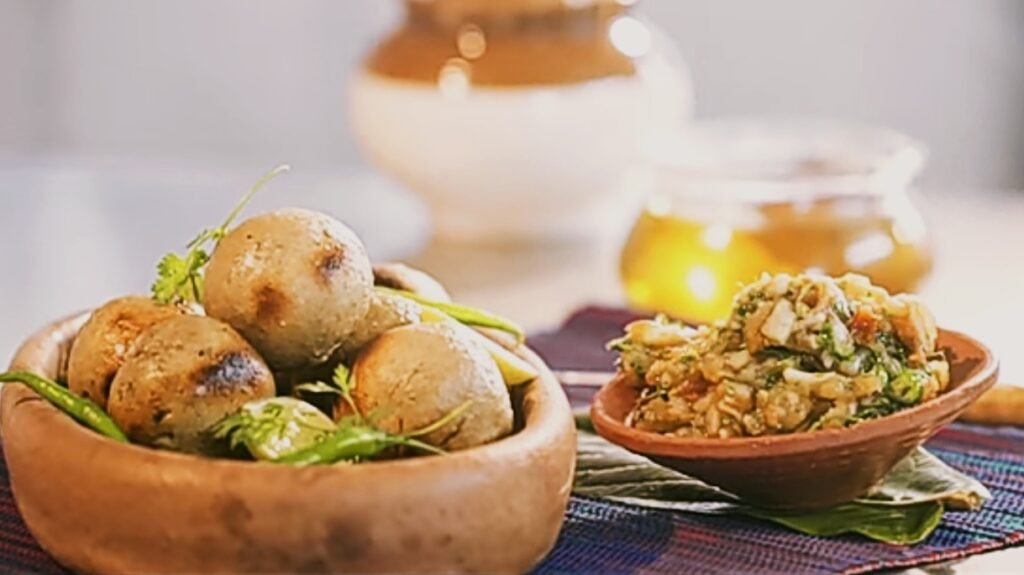
Litti Chokha holds a cherished place in the culinary traditions of India, particularly in the state of Bihar. This dish is not just a meal; it symbolizes a rich heritage and is often associated with various cultural practices. Traditionally, litti, which consists of wheat flour balls stuffed with a spiced mix of roasted gram flour, is served alongside chokha, a preparation made from roasted eggplant, tomatoes, and potatoes. The dish is especially popular during festivals, family gatherings, and other significant occasions, where it serves as a catalyst for social interactions and community bonding.
The preparation and sharing of litti chokha is a festive affair, often marking moments of celebration such as weddings, religious festivities, and harvest celebrations. Families come together to prepare the dish, engaging in age-old culinary practices that have been passed down through generations. In these settings, litti chokha is not just food but a means of storytelling, imparting cultural values and traditions related to communal harmony and hospitality.
In conclusion, the cultural significance of litti chokha transcends its status as merely a food item. It encapsulates the essence of community celebration, preserving traditions while embracing modern culinary trends. This dish is not only emblematic of Bihar’s rich culture but also serves as a unifying force amongst diverse communities, making it an essential part of India’s gastronomic landscape.