
What is Natto?
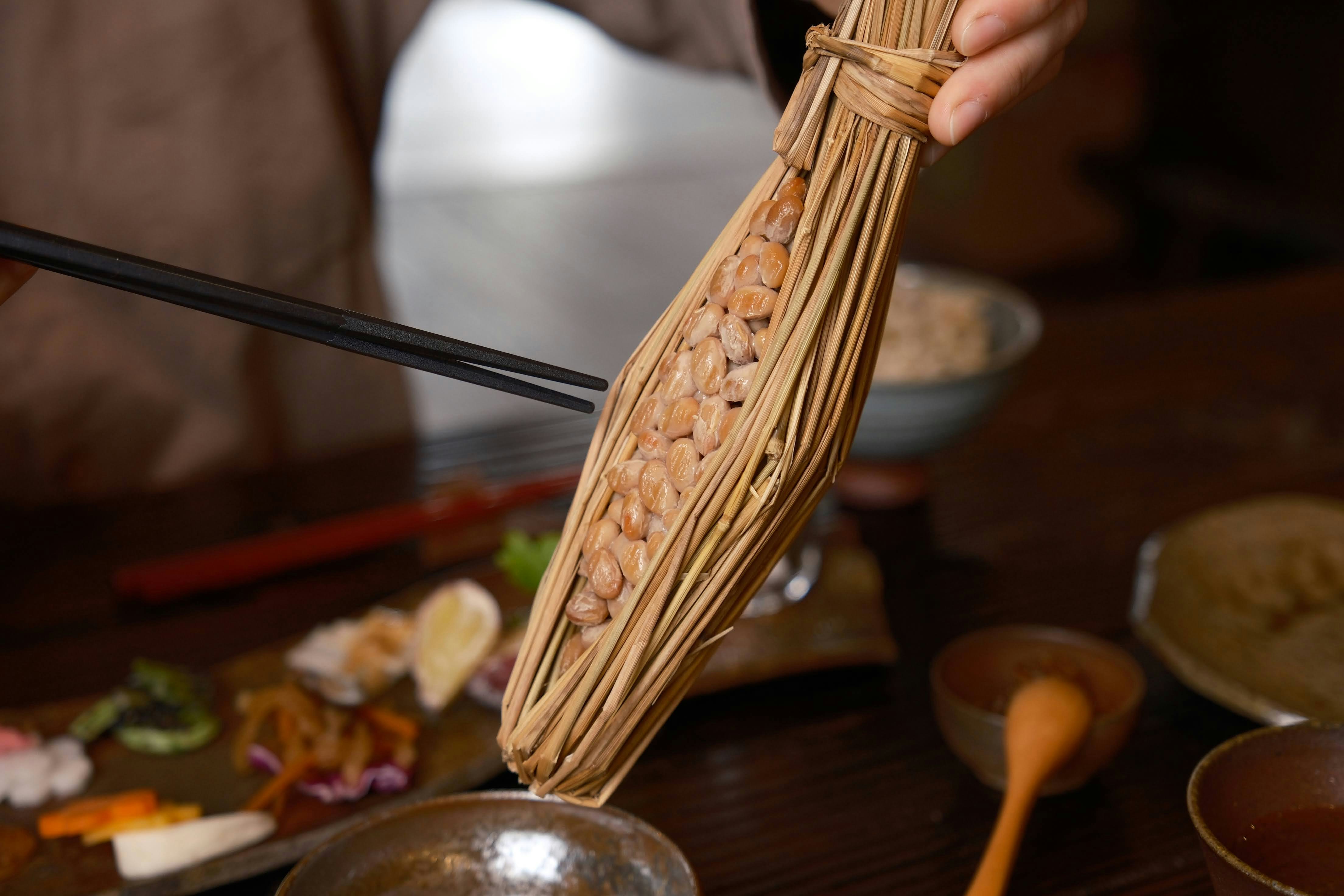
Natto is a traditional Japanese food that has been enjoyed for centuries, tracing its origins back to ancient Japan. This uniquely fermented soybean product is made by fermenting cooked soybeans with a specific strain of probiotic bacteria known as Bacillus subtilis. The fermentation process not only enhances the nutritional profile of the soybeans but also imparts a distinctive flavor, aroma, and texture that is often described as pungent and sticky.
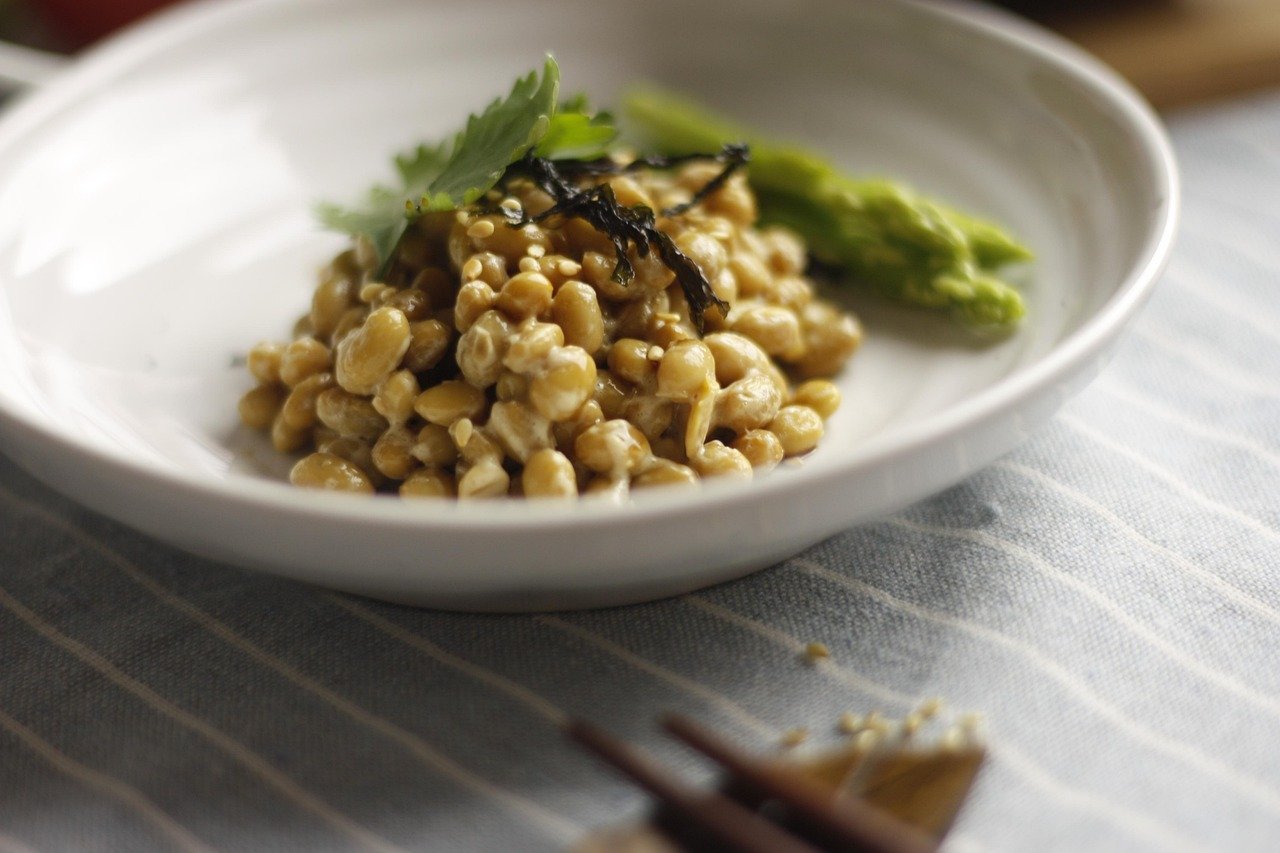
The making of natto involves steaming soybeans, which are then inoculated with the spores of Bacillus subtilis. This fermentation occurs typically at a warm temperature for about 24 hours, allowing the bacteria to thrive and produce a network of sticky strands, known as natto-kin, that bind the soybeans together. The end result is a dish that features both a unique texture and a rich source of nutrients, including protein, fiber, vitamins, and minerals, as well as beneficial probiotics that can contribute to gut health.
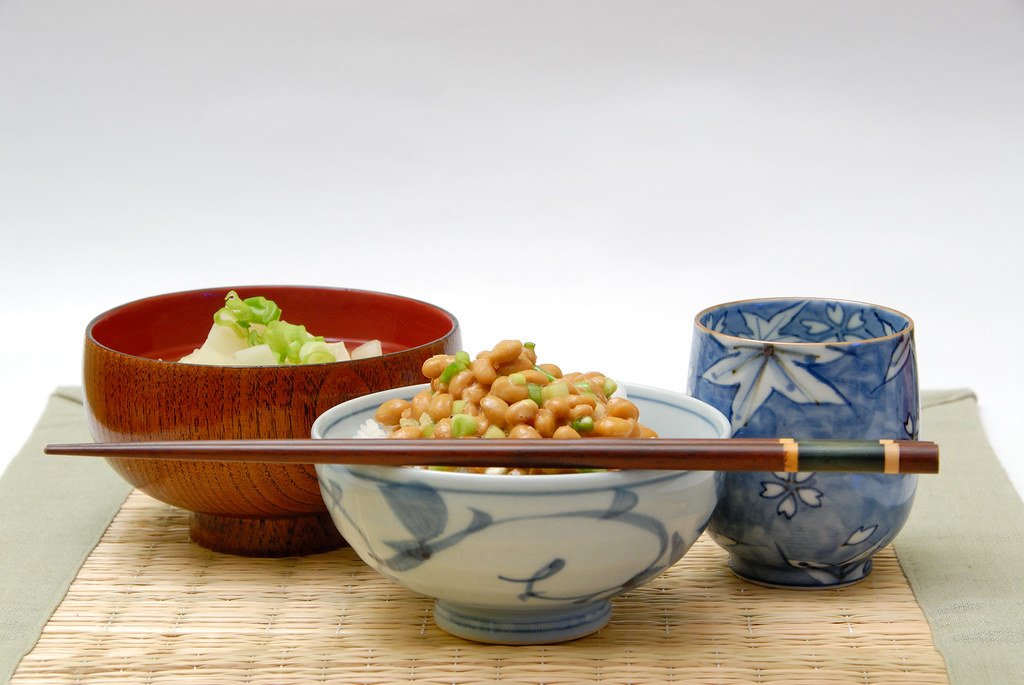
Culturally, natto holds significance in Japanese cuisine. It is commonly eaten for breakfast, often served over rice with toppings such as green onions, soy sauce, or mustard. Its versatility allows it to be incorporated into various dishes, including sushi rolls, stir-fries, and salads. Over the years, natto has gained popularity beyond Japan, recognized for its health benefits and unique culinary qualities. Despite its acquired taste, many who appreciate natto enjoy it not only for its nutritional value but also for its connection to Japanese heritage and tradition.
Nutritional Benefits of Natto
Natto is renowned for its impressive nutritional profile, making it a valuable addition to various dietary regimens. This traditional Japanese food is primarily composed of soybeans, which are rich in high-quality protein, providing all essential amino acids necessary for human health. The protein content in natto plays a crucial role in muscle maintenance, immune function, and overall body repair.
A notable highlight of natto is its significant concentration of vitamins, particularly Vitamin K2. This vitamin is critical for bone health, as it assists in the regulation of calcium in the body, promoting bone density and reducing the risk of fractures. Additionally, Vitamin K2 may improve cardiovascular health by preventing arterial calcification, thus contributing to overall heart wellness.
Natto is also a source of various essential minerals, including iron, magnesium, calcium, and zinc. These minerals support a myriad of bodily functions, such as oxygen transport, enzymatic reactions, and immune responses. Furthermore, the fermentation process that natto undergoes enriches its probiotic content, fostering a healthy gut microbiome. The probiotics found in natto can enhance digestion, alleviate gastrointestinal disorders, and bolster the immune system.
One of the most discussed components of natto is the enzyme nattokinase, which is produced during fermentation. While research on nattokinase is still developing, it has been associated with potential cardiovascular benefits, such as promoting healthy blood circulation and reducing blood clot formation. This enzyme may provide protective effects against conditions like hypertension and heart disease, although more studies are needed to substantiate these claims fully.
Overall, incorporating natto into one’s diet can offer a myriad of health benefits, ranging from improved gut health to enhanced bone strength. With its unique nutritional attributes, natto serves as an excellent functional food that complements a balanced and health-conscious lifestyle.
Taste and Texture: What to Expect
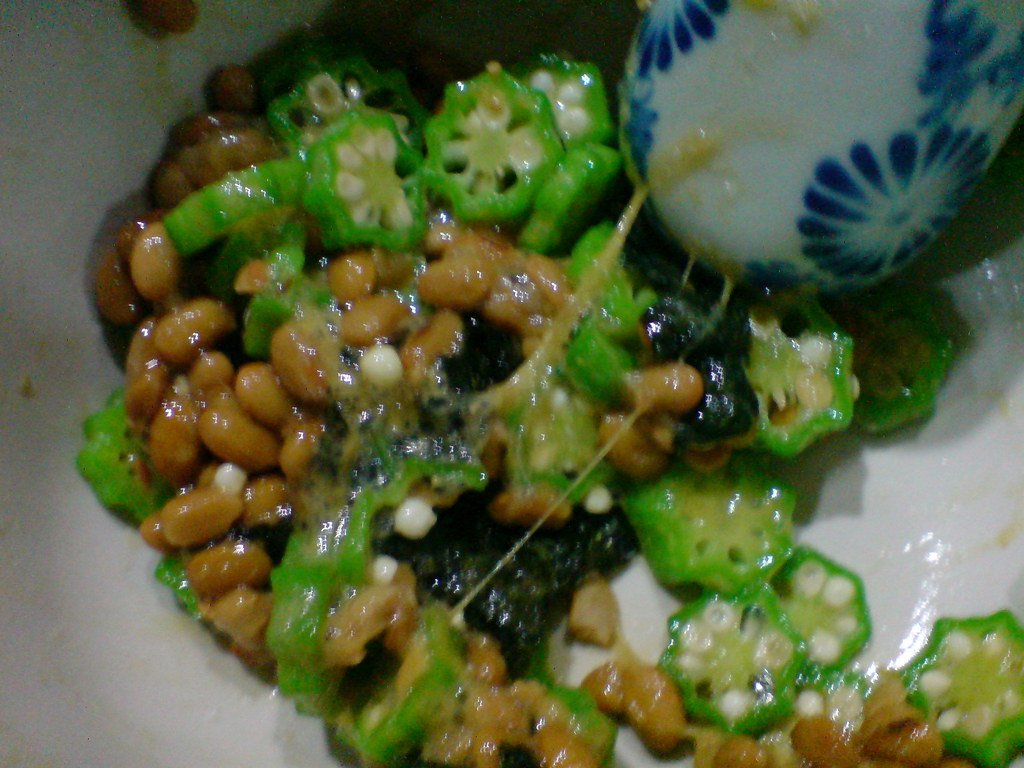
Natto, a traditional Japanese dish made from fermented soybeans, presents a culinary experience that is as unconventional as it is nutritious. When first encountering natto, one might notice its distinct slimy and sticky texture. This unique consistency arises from the fermentation process, wherein the bacteria Bacillus subtilis transform the soybeans, creating a viscid coating that can be off-putting for some. The slippery nature of natto requires an acquired taste, often resulting in mixed reactions from those trying it for the first time.
The flavor profile of natto is notably complex, characterized by earthy, umami notes that are complemented by a slight nuttiness. The fermentation process enhances these flavors, imparting an aromatic presence reminiscent of aged cheeses or other fermented delicacies. Although those unfamiliar with natto may find its taste challenging, many enthusiasts appreciate its depth and savoriness. To enhance the flavors of natto, it is advisable to serve it alongside staples like freshly steamed rice. This pairing not only balances the dish but also makes it more palatable for those in the early stages of exploring its unique properties.
In addition to rice, incorporating a drizzle of soy sauce can elevate the overall taste experience. The salty tang of soy sauce harmonizes beautifully with the umami richness of natto. For those seeking a fresh twist, garnishing with finely chopped green onions or other herbs can introduce a burst of flavor, enhancing the dish’s appeal. Some individuals even add a dash of mustard or a sprinkle of sesame seeds to further enrich the taste profile. By experimenting with these combinations, one can discover an enjoyable way to appreciate this traditionally fermented soybean dish.
How to Incorporate Natto into Your Diet
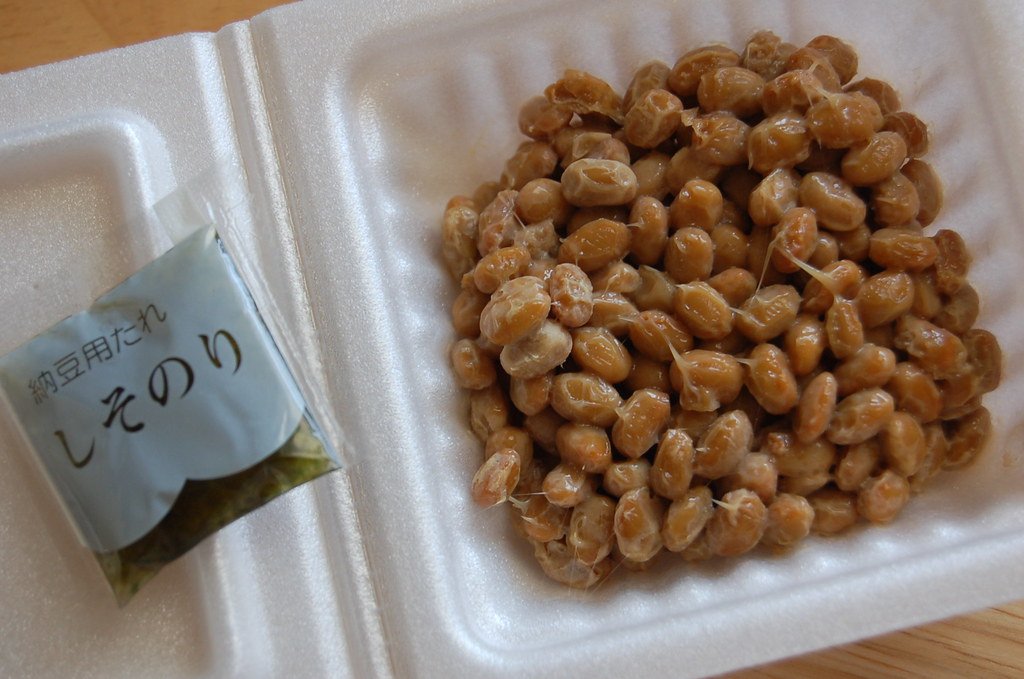
Incorporating natto into your diet can be a rewarding experience, providing not only nutritional benefits but also a unique taste profile. For those who are new to natto, it may be helpful to start with simple preparations to ease into its distinctive flavor and texture. One popular way to enjoy natto is through natto sushi rolls. To make these, simply spread a layer of natto over sushi rice, wrap it in nori, and add your favorite ingredients such as cucumber or avocado for additional freshness. This method presents natto in a familiar context, making it less intimidating for first-time eaters.
Another versatile option is to use natto as a topping for toast. Start with a slice of whole-grain bread, and spread a thin layer of natto on it. For added flavor, consider drizzling soy sauce, sesame oil, or a sprinkle of green onions. This quick preparation offers a nutritious breakfast or snack while allowing the unique flavors of natto to shine through without overwhelming the palate.
Salads are also a fantastic medium to include natto. Mixing it with leafy greens, cherry tomatoes, and a zesty vinaigrette can enhance your salad’s nutritional value. The natural fermentation process boosts its probiotic content, contributing positively to gut health. Furthermore, natto can conveniently be added to soups, which can provide warmth and depth to your favorite recipes. Try stirring natto into miso soup for an authentic Japanese experience or using it in a hearty vegetable broth.
For those hesitant to embrace the allure of natto, experimentation is key. It is advisable to try different flavors and combinations, such as spicy or sweet condiments, to discover what best suits your individual tastes. Through these various methods, natto can be smoothly integrated into everyday meals, opening up a world of culinary exploration.