
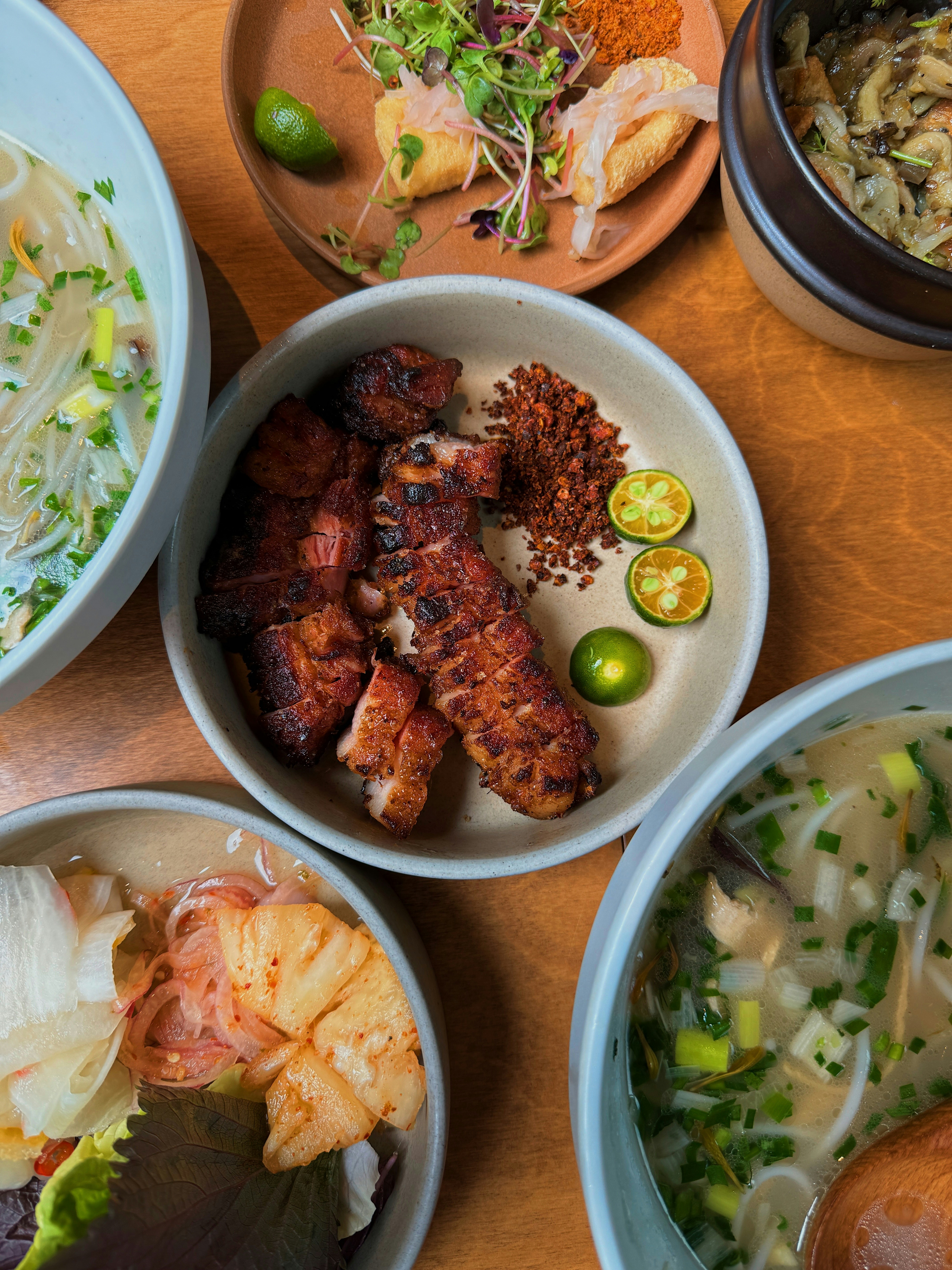
Introduction to Adobo: A Filipino Culinary Treasure
Adobo is not merely a dish; it is a culinary symbol deeply ingrained in Filipino culture and heritage. This traditional recipe showcases the unique blend of flavors that the Philippines has to offer, courtesy of its diverse regional influences and variations. The origins of Adobo can be traced back to the Spanish colonial period, where the term itself derives from the Spanish word “adobar,” which means to marinate. While the Spanish influenced the cooking technique, Filipinos have innovated upon it, transforming Adobo into a dish that reflects the country’s local tastes, ingredients, and customs.
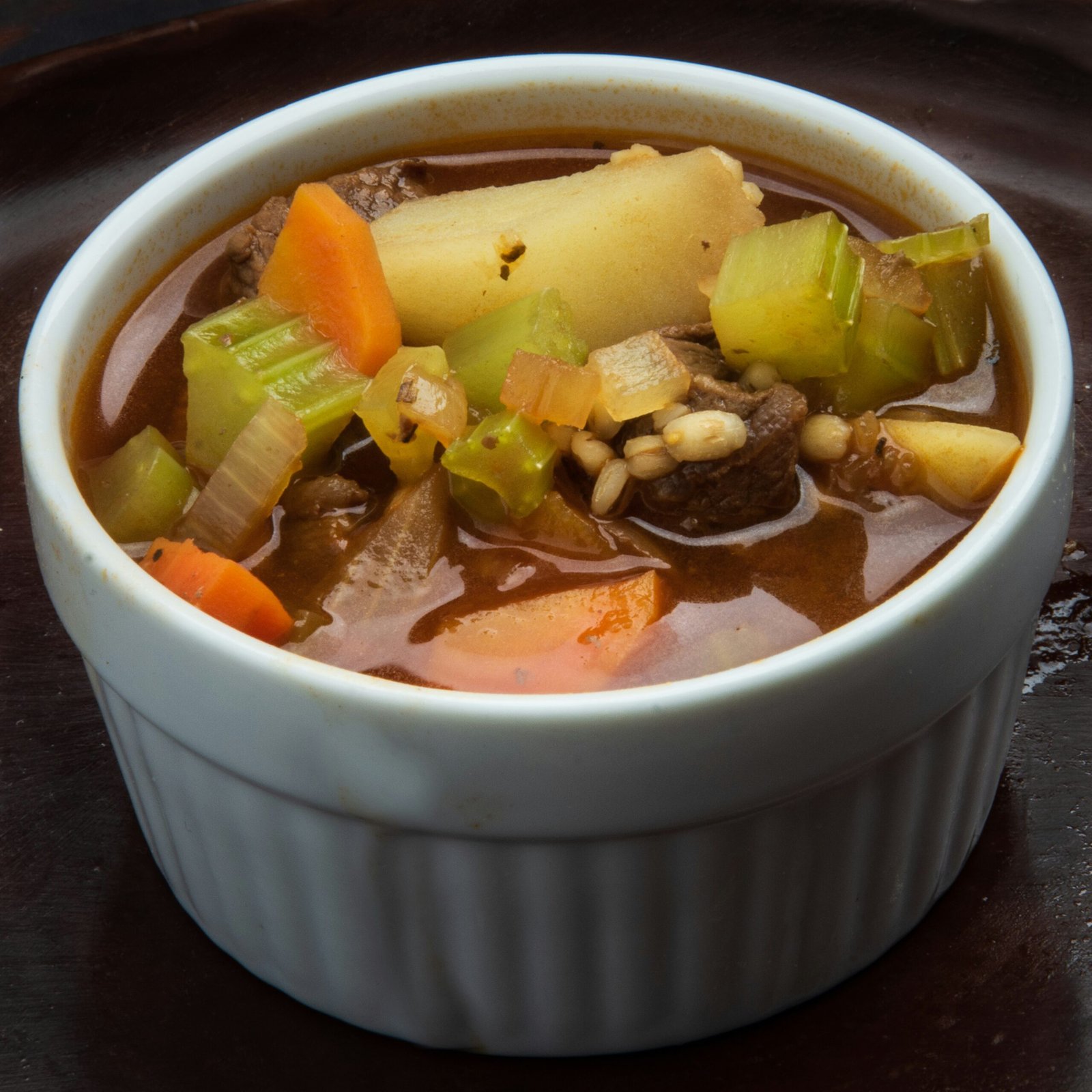
This beloved Filipino dish typically consists of meat, often chicken or pork, marinated in a mixture of vinegar, soy sauce, garlic, and spices, resulting in a tender and flavor-packed meal. The use of vinegar not only provides a unique tang but also acts as a preservative, allowing the dish to maintain its freshness longer, which was advantageous in pre-refrigeration times. Variations of Adobo abound across the archipelago, differing in ingredients, marinade proportions, and cooking methods. Regions such as Luzon, Visayas, and Mindanao all boast their distinct takes on the recipe, often incorporating local ingredients, be it coconut milk, fruits, or various spices.
Adobo holds a central position in Filipino home cooking. It is a staple at family gatherings, celebrations, and everyday meals, embodying the communal spirit and warmth of Filipino hospitality. The preparation often becomes a family affair, where recipes are passed down through generations, making it not just a dish but a cherished tradition. Through its rich flavors and cultural significance, Adobo captures the heart and soul of Filipino cuisine, loved by many both within the Philippines and around the world. Its enduring popularity highlights the dish’s ability to adapt and resonate across different cultures, firmly establishing Adobo as a true culinary treasure of the Philippines.
Ingredients and Preparation: The Heart of Adobo
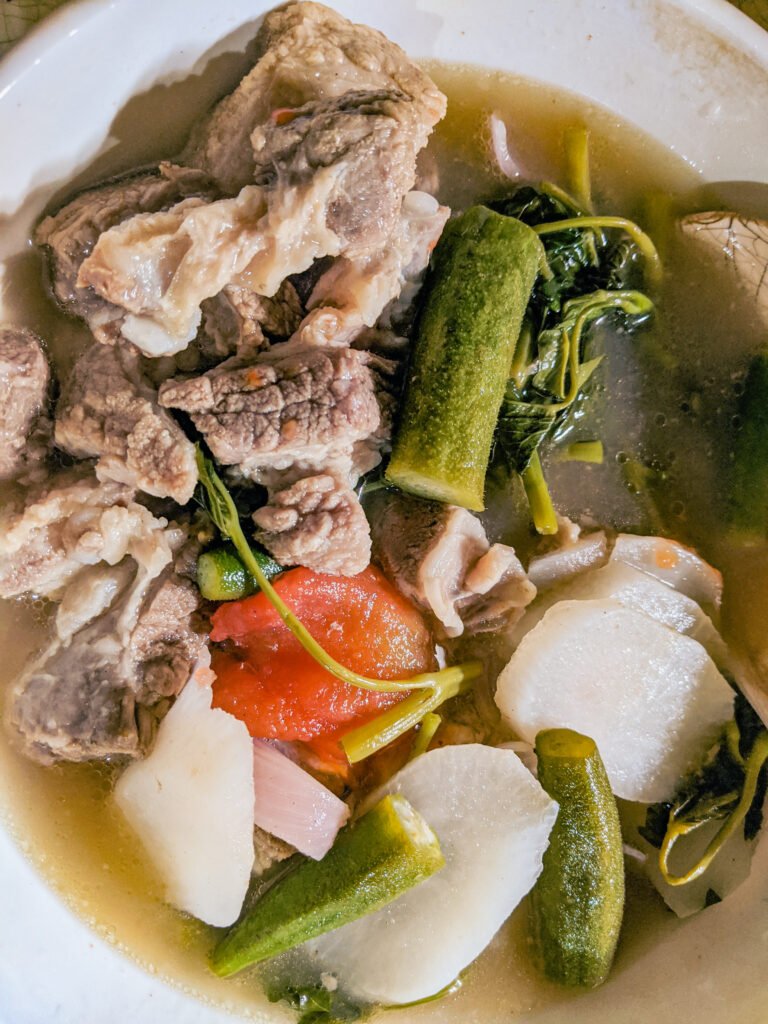
Adobo, a cherished Filipino dish, is distinguished by its unique and vibrant flavors, primarily derived from its key ingredients. The cornerstone of this dish is tamarind, a fruit renowned for its tangy and slightly sweet profile. Tamarind not only provides the distinctive sourness integral to Adobo but also pairs remarkably well with various types of meat, enhancing the overall flavor profile. When preparing Adobo, one typically opts for either chicken or pork; however, other proteins like beef or even seafood can be utilized, depending on personal preference or regional variations.
In sourcing these ingredients, freshness is paramount. When selecting tamarind, look for firm pods that are slightly pliable. Dried tamarind can also be used as a convenient alternative. For the meats, ensure that the cuts are fresh and of high quality, as this significantly influences the final taste. Various spices contribute to the complexity of Adobo, including garlic, onions, and peppercorns, which should be finely chopped or crushed to release their full flavors during cooking.
The preparation process for Adobo begins with marinating the chosen meat in a mixture of tamarind paste, soy sauce, and vinegar. This marinade not only adds depth but also tenderizes the meat. After marination, browning the meat in oil creates a rich base that enhances the dish’s flavors. The subsequent addition of water allows the ingredients to simmer together, melding the varied flavors into a cohesive whole. For those seeking alternatives, vegetarian options can involve the use of tofu or vegetables, maintaining the integrity of the dish while accommodating dietary preferences. Additionally, regional variations may incorporate local ingredients, offering unique spins on this timeless recipe.
Flavor Profile: Understanding the Taste of Adobo
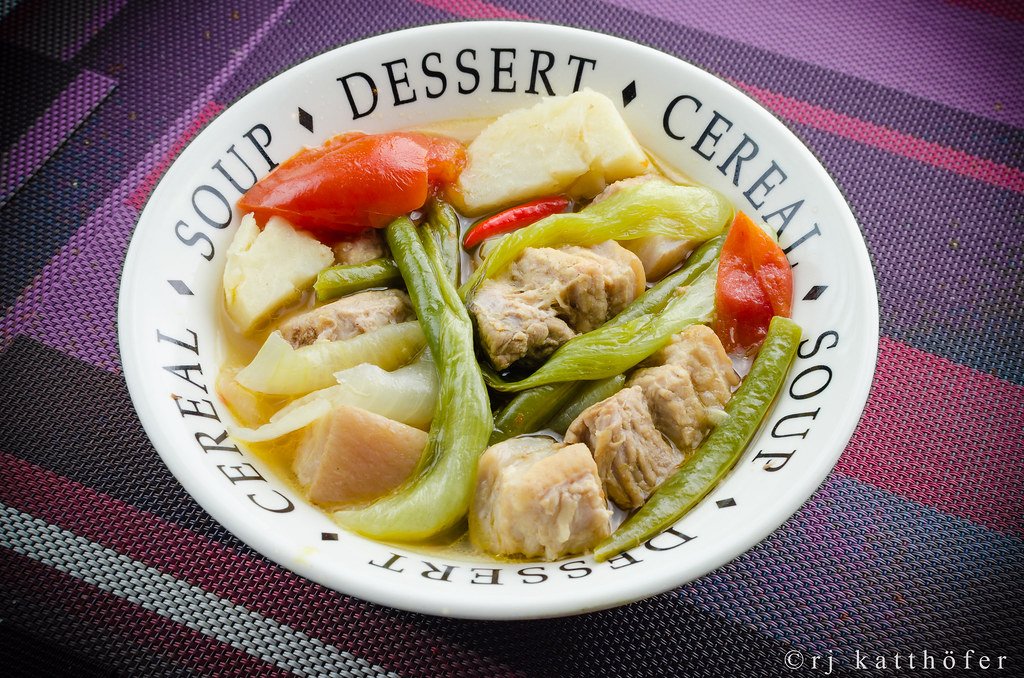
The flavor profile of Adobo is a delightful tapestry woven from a range of culinary influences, primarily reflecting the unique characteristics of Filipino cuisine. At the heart of this dish lies the primary ingredient: tamarind. The natural tartness of tamarind provides a tangy and slightly sour note that is essential to Adobo’s signature flavor. This acidity sets the stage for a harmonious integration of savory elements derived from meats, typically pork or chicken, that absorb and deepen the overall taste.
The savory base contributes to the umami layer of the dish, which is further enhanced through the addition of various spices such as garlic, onions, and peppercorns. This combination creates a comforting depth that balances with the tartness of the tamarind. Additionally, the cooking process plays a significant role in shaping the mouthfeel of Adobo. Traditionally, the meat is marinated and then simmered, allowing the flavors to meld and the textures to become tender and succulent. Longer cooking times result in a richer, more concentrated broth, while shorter durations might yield a lighter soup that highlights the freshness of the ingredients.
Pairing Adobo with sides such as steamed rice elevates the culinary experience. The simple, neutral flavor of the rice contrasts beautifully with the dynamic and bold taste of Adobo, allowing each bite to showcase the complexity of flavors. It is not uncommon to see Adobo served alongside other Filipino staples like lumpia or pancit, which further enhances the meal with varied textures and tastes. The interplay of these elements contributes to a delightful dining experience, ensuring that Adobo remains a cherished dish in Filipino households.
Conclusion: The Experience of Enjoying Adobo

Adobo, a renowned dish in Filipino cuisine, offers a rich tapestry of flavors and a delightful culinary experience that resonates with many. Its unique combination of tanginess from tamarind and savory notes ensures that each bite is a journey into the heart of Filipino culture. The distinct aroma wafting through homes during mealtimes often leaves a lasting impression, making it a centerpiece for family gatherings and celebrations. Many individuals recount fond memories of sharing Adobo around a table, where conversations flow as freely as the laughter, emphasizing its role in promoting togetherness.
Across various settings, whether it be a cozy family dinner or a bustling restaurant, the experience of enjoying Adobo remains consistently gratifying. Diners often express how the dish transcends mere nutrition; it encapsulates a story of tradition and heritage. Testimonials highlight moments of joy and connection that arise during the consumption of Adobo, with each anecdote revealing a personal journey tied to this beloved soup. The shared experience of savoring Adobo often leads to discussions about its origins, ingredients, and personal twists that families impart to the recipe, thereby enriching the communal aspect of dining.
For those unfamiliar with this quintessential Filipino dish, venturing to concoct or savor Adobo for the first time is strongly encouraged. The act of preparing this soup can cultivate a deeper understanding of the rich culinary landscape of the Philippines, featuring elements such as local spices and seasonal produce. As you explore this dish, you will not only delight your taste buds but also gain insights into the cultural significance that foods like Adobo hold within society. Embracing the flavors of Adobo is an invitation to experience the warmth of Filipino hospitality and the diverse narratives that fuel this vibrant culture.