
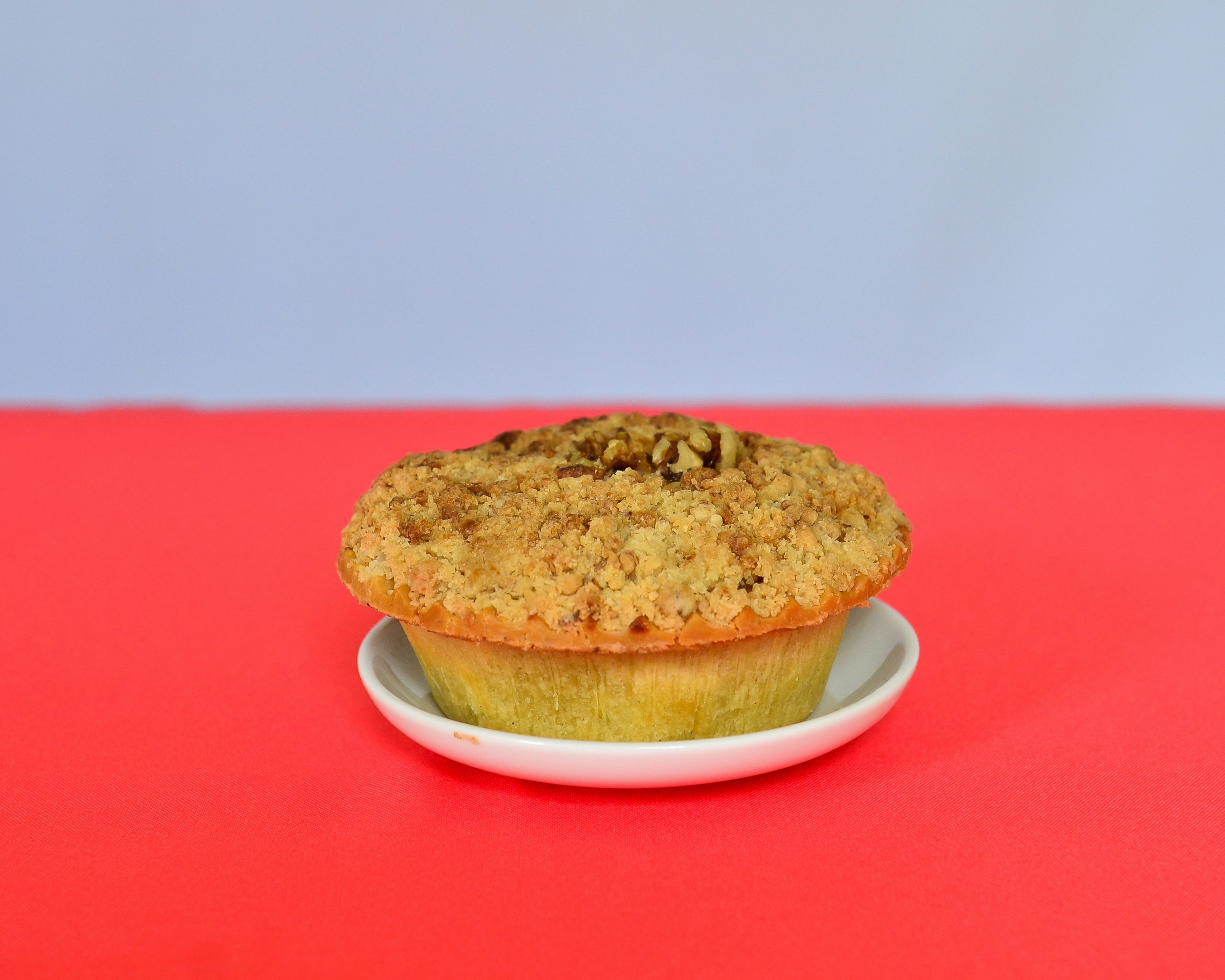
The History of Crumpets
Crumpets, a beloved staple of British cuisine, boast a rich history that dates back to the 17th century. Originating in England, these deliciously soft and spongy bread products were initially known as “pikelets,” a term that continues to be used in certain regions. The traditional method of making crumpets involves a batter comprised primarily of flour, water, yeast, and a touch of salt, allowing for the characteristic holes to form during the cooking process, which makes them ideal for soaking up butter or jam.
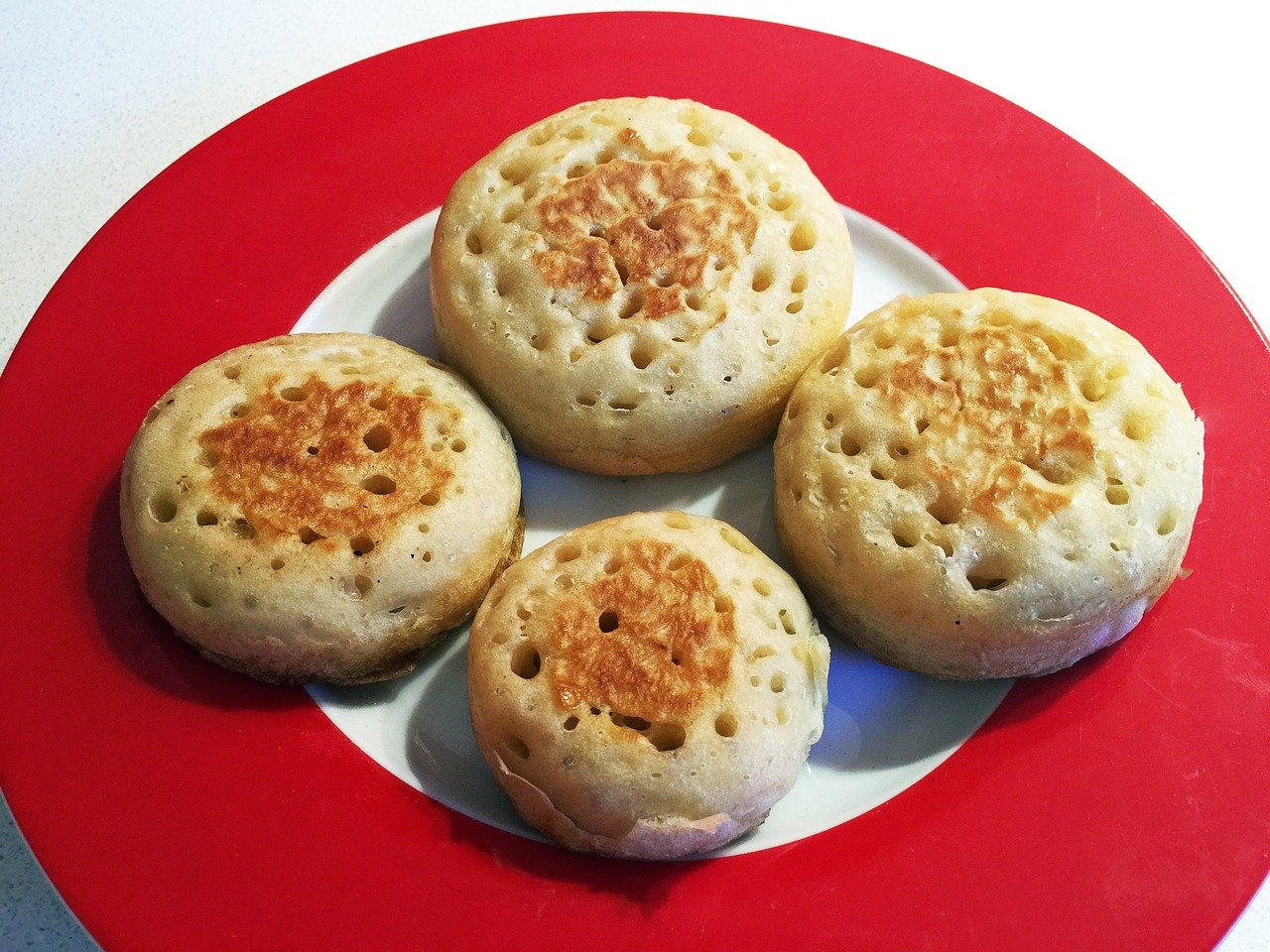
As the culinary landscape evolved, so too did the crumpet. By the 19th century, it had become a common feature in British households. Their rise in popularity coincided with the development of new cooking technologies and the advent of mass production techniques, which allowed crumpets to be baked in large quantities and distributed widely. The introduction of griddles and, later, electric toasters further facilitated the preparation of crumpets, making them accessible to a broader audience.
Regional variations emerged, with areas like Wales adopting their unique spin on the crumpet, showcasing the versatility of this beloved food. The cultural significance of crumpets must also be acknowledged—they are often associated with afternoon tea, a quintessentially British tradition, and are a staple at breakfast tables across the country. In contemporary society, crumpets have retained their status as a cherished snack, often enjoyed with various toppings. From the traditional spread of butter or honey to more adventurous combinations involving cheese or avocado, the evolution of crumpets reflects a broader trend in culinary innovation, ensuring their place in British food culture for generations to come.
Perfecting the Crumpet: Production Process

To embark on the journey of creating the perfect crumpet, one must begin with the selection of high-quality ingredients. The foundation typically includes strong flour, yeast, warm water, and a pinch of salt. The choice of flour plays a vital role, as strong flour contributes to the optimal structure required for the crumpet’s characteristic texture. Once the ingredients are gathered, the next step is to prepare the batter by creating a smooth paste through mixing, ensuring that all dry ingredients are adequately incorporated. This stage is crucial, as it lays the groundwork for the subsequent fermentation process.
Following mixing, the batter should be left to rest in a warm environment for about one hour. This period allows the yeast to activate and produce carbon dioxide, which results in the formation of bubbles that give crumpets their unique airy texture. Expert bakers often recommend an appropriate resting period to ensure that the bubbles are maximized. During this phase, it is essential to monitor the batter’s consistency, as an overly runny or thick batter will affect the final product negatively.
When it comes to cooking techniques, crumpets can be prepared either on the stovetop or in the oven. For stovetop cooking, metal rings can be used to contain the batter, allowing it to rise uniformly. Pouring the batter into preheated rings will produce a beautifully golden bottom, while the moisture inside creates the signature bubbles. Alternatively, the oven method provides a different style of cooking, allowing a more evenly distributed heat. It is important to avoid common mistakes such as overcrowding the pan or using ingredients that are past their prime, as these can critically impact the finished crumpet. By adhering to this comprehensive process and utilizing expert tips, one can achieve crumpets with an impeccable texture and delightful taste.
Crumpets Around the World: Variations and Flavors
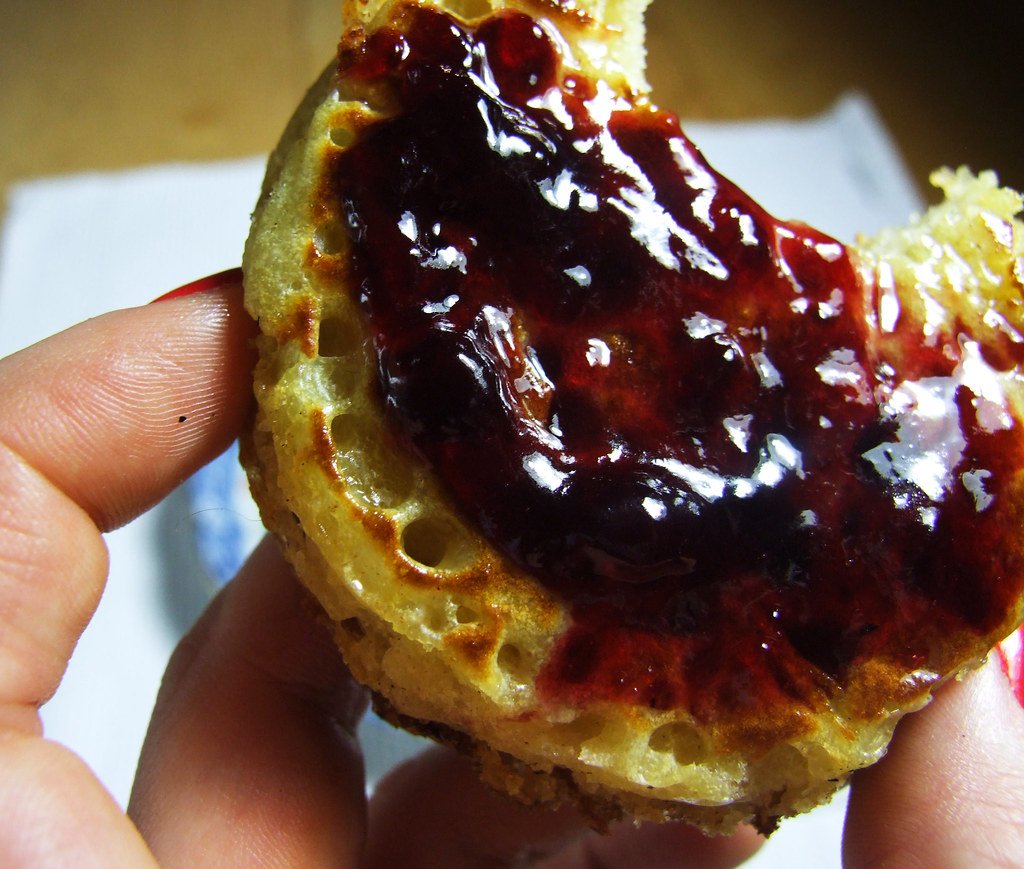
Crumpets have transcended their British origins, adapting to various cuisines and cultures worldwide. These delightful baked goods have become a versatile culinary canvas, allowing for an array of toppings and fillings that cater to diverse palates. In different countries, crumpets might don unique flavors or pair with distinct ingredients, enhancing the overall experience.
One popular interpretation is found in Australia and New Zealand, where crumpets are often served with sweet toppings such as golden syrup, honey, or jam. The delightful contrast of soft crumpets with such sweet spreads creates a comforting dish perfect for breakfast or tea. In these regions, crumpets can also be paired with a robust cup of coffee, adding to the indulgence.
In some Asian cultures, crumpets are reimagined with savory fillings. For instance, a popular twist features crumpets topped with grilled meats, pickled vegetables, and spicy sauces. This savory rendition stands in stark contrast to the traditional, sweet approach and showcases crumpets’ adaptability to local flavors.
For an innovative fusion approach, one can experiment with crumpets by incorporating global ingredients. A Mediterranean-inspired crumpet might feature toppings like hummus, feta cheese, and olives, while a Thai version could incorporate sweet chili sauce and fresh herbs. Such recipes demonstrate the boundless creativity crumpets can inspire, merging their British roots with international flavors.
Ultimately, the variations and toppings applied to crumpets not only highlight their versatility but also create a gateway for exploration in culinary experiences. As crumpets are enjoyed in myriad ways, they serve not just as food, but as a bridge between cultures, inviting everyone to join in the appreciation of this delightful treat.
Taste Testing: The Best Crumpets on the Market
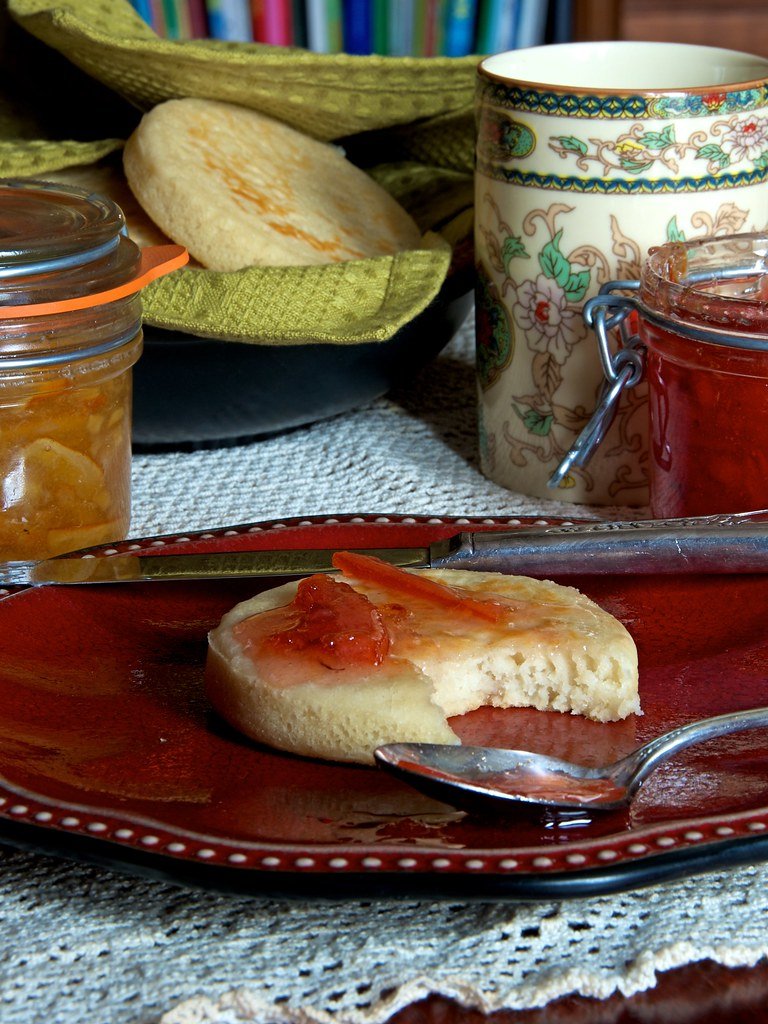
The crumpet, a quintessentially British delicacy, has seen a surge in popularity, leading to a plethora of commercially available options. In our comprehensive taste test, we evaluated several brands alongside local artisan crumpets to provide readers with a well-rounded assessment of the best offerings available today.
First, we sampled two well-known brands: Brand A and Brand B. Brand A presented a crumpet that boasted a light, airy texture, with a subtly sweet flavor that paired well with both savory and sweet toppings. Its aroma, reminiscent of freshly baked bread, added to the overall appeal. Conversely, Brand B’s crumpets had a denser texture, which some found less appealing. However, the robust flavor profile—earthy and slightly nutty—held its own and could stand up to richer toppings like butter and honey.
Moving on to local artisan options, we tested Crumpet Co. and The Crumpet Kitchen. Crumpet Co.’s product was a standout due to its unique recipe that included whole grains. This resulted in a slightly chewy texture that some consumers might find delightful. The taste was exquisite—nutty with hints of caramelization from the cooking process. The aroma was wholly distinct, evoking images of a cozy bakery. In contrast, The Crumpet Kitchen delivered an excellent balance of fluffiness and a crisp exterior that provided a satisfying bite. The flavor was subtly tangy, which is attributed to the fermentation process used in their preparation.
In our recommendations, we suggest Brand A for those seeking a classic experience, while Crumpet Co. offers an innovative twist that health-conscious consumers might appreciate. For an artisanal touch, The Crumpet Kitchen stands out as a must-try. These selections cater to a variety of palates and preferences, making it easier for crumpet lovers to find their ideal match. Pair these crumpets with a choice of jams, butter, or even savory spreads for an optimal tasting experience.