
Introduction to Kibbeh: History and Variants

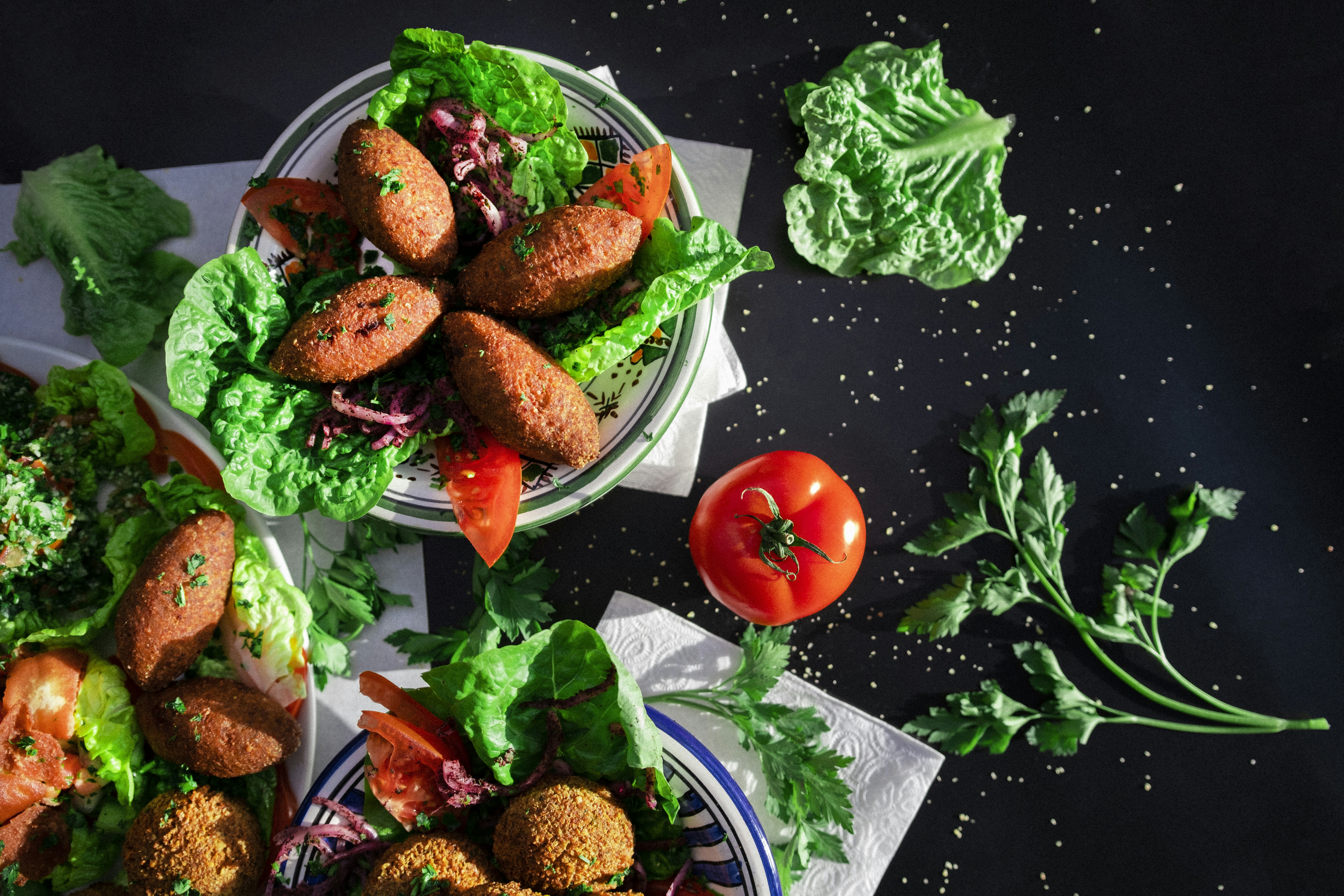
Kibbeh, a cornerstone of Middle Eastern cuisine, boasts a rich history that dates back thousands of years. Believed to have originated in the Fertile Crescent, its earliest mentions appear in ancient Assyrian texts, suggesting that this dish has been valued across cultures for its culinary versatility. Traditionally, kibbeh is made using a combination of bulgur wheat and minced meat, typically lamb or beef, blended with spices and herbs. This pairing of ingredients not only showcases the agricultural abundance of the region but also highlights the culinary ingenuity of its people.
Throughout the Middle East, different regions have adopted and adapted kibbeh, leading to various regional variants that boast unique flavors and textures. For instance, in Lebanon, one may encounter kibbeh nayyeh, a beloved raw variant served with fresh herbs and olive oil, whereas in Syria, a baked version called kibbeh bil sanieh is commonly enjoyed. These adaptations reflect local tastes, available ingredients, and cultural preferences, ensuring that kibbeh remains a dynamic and evolving dish.
Kibbeh can be prepared in several different ways, with each method enhancing the dish’s distinct qualities. The raw variant, as mentioned, relies on the freshness of the ingredients and is often accompanied by spices such as allspice and cinnamon, providing a delicate balance of flavors. Conversely, the baked and fried variations offer a hearty alternative, with the baking process creating a crunchy exterior encapsulating a moist and flavorful filling. The frying method, popular in many households, delivers a golden brown crust that adds to the overall sensory experience of the dish.
As a cultural symbol, kibbeh transcends mere nourishment; it represents familial bonds and communal gatherings, often being prepared for special occasions and celebrations. The delicacy of kibbeh serves to connect people and preserve traditions, allowing generations to share their culinary heritage and love for this iconic dish.
The Ingredients that Make Kibbeh Stand Out
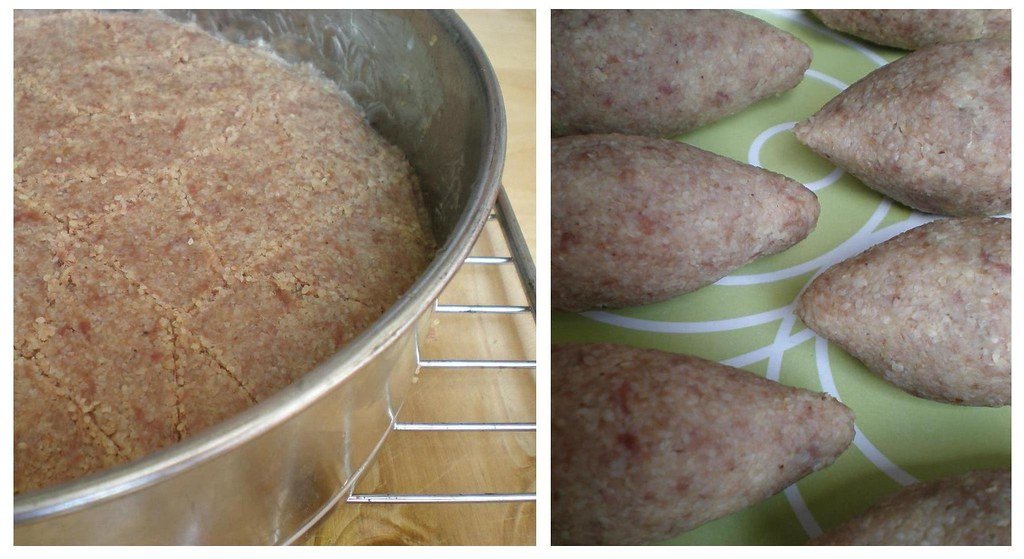
Kibbeh, a traditional dish originating from the Levant region, is renowned for its distinctive flavor and texture, both of which are largely influenced by its core ingredients. The primary component is bulgur wheat, a whole grain that serves as the foundation for kibbeh. This nutritious grain is produced from whole wheat kernels that are soaked, dried, and cracked into various sizes, with finer grains typically used for making kibbeh. The bulgur not only provides a unique texture but also absorbs the flavors of the accompanying ingredients, making it essential in achieving the dish’s characteristic taste.
Another pivotal element in kibbeh is the choice of meat, which is typically lamb or beef, although other alternatives may be used depending on regional preferences or dietary restrictions. The meat is often finely ground and mixed with bulgur, creating a cohesive mixture that can be shaped into various forms, such as balls or patties. The quality of the meat plays a significant role in the final product; fresh, high-quality meat yields a richer flavor and enhances the overall enjoyment of the dish. For those adhering to dietary restrictions, plant-based options, such as lentils or mushrooms, can serve as effective substitutes without compromising the spirit of kibbeh.
Spices are crucial to achieving the authentic kibbeh flavor profile. Common spices include cinnamon, allspice, and nutmeg, each adding its distinct nuance to the dish. The precise blend of spices can vary by recipe and region, allowing for a range of flavor experiences. Freshness of the spices is paramount; using whole spices that are ground just prior to use can elevate the flavor significantly. This careful selection and application of quality ingredients not only make kibbeh stand out but also emphasize the cultural significance of this culinary masterpiece.
Cooking Techniques: Traditional vs. Modern Approaches
Kibbeh, a cornerstone of Middle Eastern cuisine, showcases a variety of cooking techniques that enhance its distinct flavors and textures. Traditional methods often revolve around the preparation of three primary styles: kibbeh nayeh, kibbeh bil sanieh, and kibbeh maqli. Each method not only impacts the resulting dish but also reflects cultural practices and regional variations.
Kibbeh nayeh is perhaps the most celebrated style, consisting of raw minced lamb mixed with finely crushed bulgur, onions, and an assortment of spices. This preparation requires utmost attention to hygiene and quality of ingredients, as it serves as a dish that is not cooked. The mixture is shaped into small balls or presented in a layered format. To achieve the best results, using well-chosen meats and allowing them to rest prior to serving can significantly elevate the flavor profile.
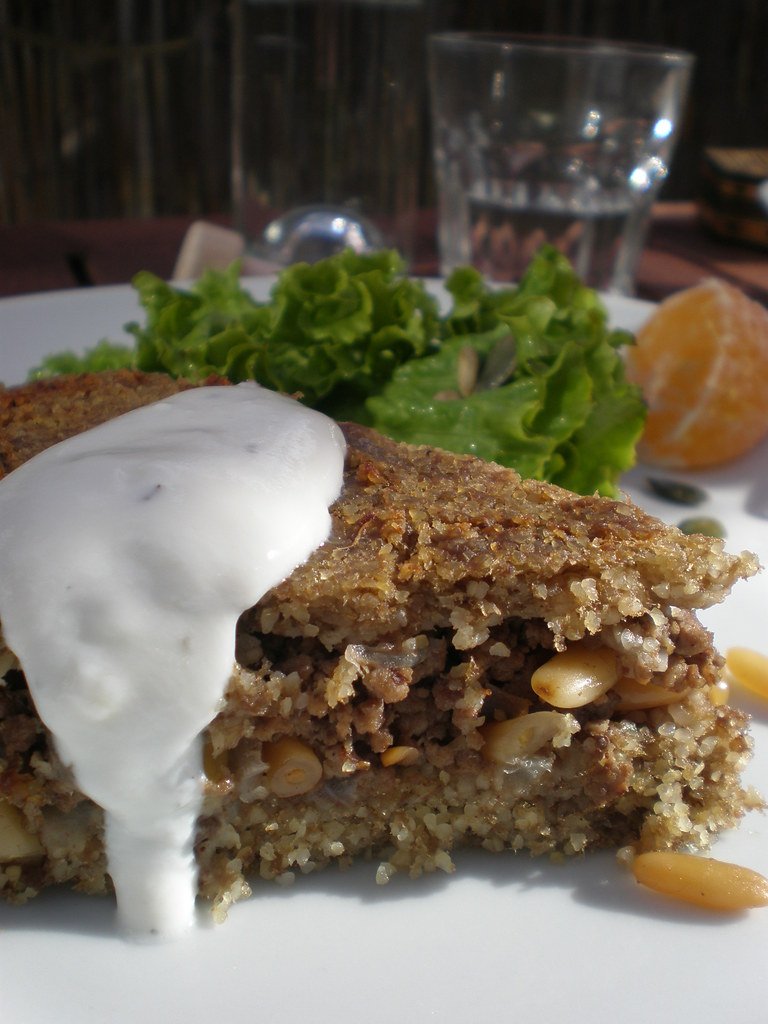
In contrast, kibbeh bil sanieh involves a baking process that lends a crisp exterior to the ground meat mixture while maintaining a juicy interior. This style is generally placed in a dish, layered with filling ingredients such as pine nuts and spices, and baked until golden brown. The choice of baking pans and the oven temperature plays a crucial role in ensuring even cooking, resulting in a deliciously aromatic dish that resonates with many households.
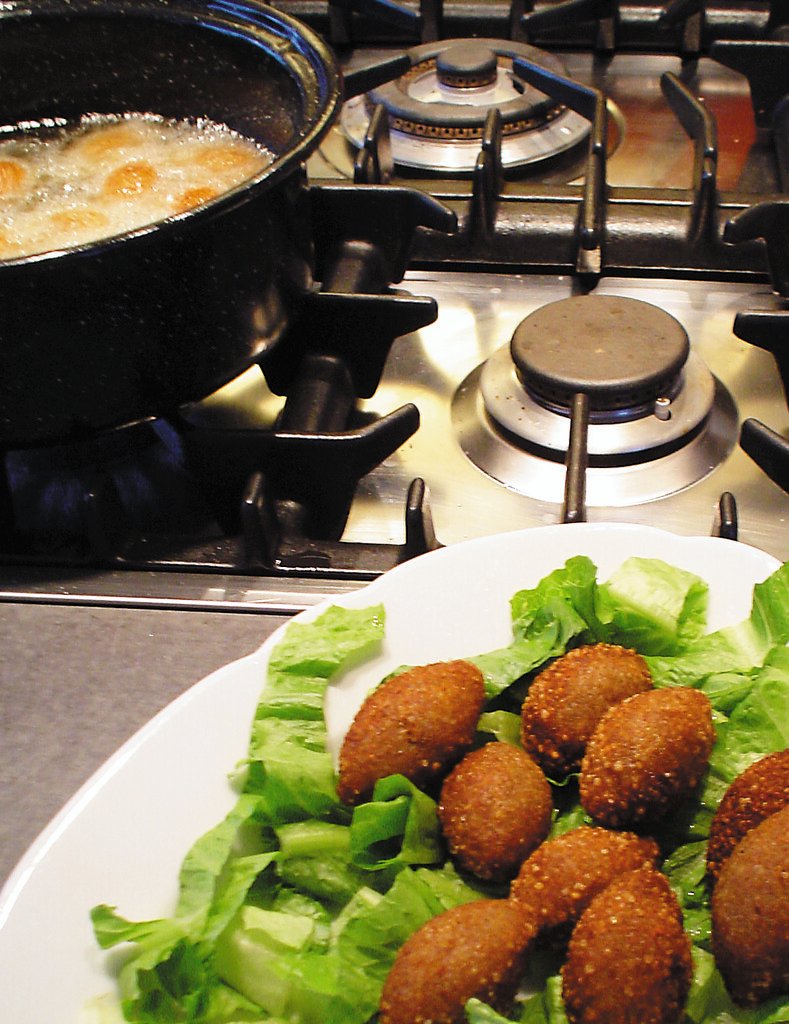
On the other hand, kibbeh maqli is prepared by frying the kibbeh balls to create a crunchy outer layer. This method introduces a delightful contrast to the soft and savory interior. Frying can also be accomplished in healthy oils, such as olive or sunflower oil, which enhance the overall flavor without compromising health. Contemporary adaptations of kibbeh have also emerged, introducing innovative ingredients and fusion techniques. Chefs now creatively explore alternatives like baking instead of frying to reduce calorie content while maintaining flavor integrity.
Ultimately, whether opting for traditional or modern techniques, the art of preparing kibbeh requires both skill and a deep appreciation for its cultural heritage. Each cooking method brings forth a unique interpretation that continues to evolve while honoring its roots.
A Personal Taste Test: Restaurant Reviews and Recommendations
Exploring the rich diversity of kibbeh dishes across various eateries provides a fascinating insight into this culinary masterpiece. Recently, I had the opportunity to sample kibbeh from several distinguished restaurants, and the results were quite enlightening. Each establishment has its unique approach to this traditional dish, resulting in varied flavors, presentations, and overall authenticity.
One noteworthy experience was at a local Lebanese restaurant renowned for its kibbeh nayyeh, a raw version prepared with finely ground lamb and aromatic spices. The freshness of the ingredients was palpable; the dish was served with a side of freshly baked pita and garnished with mint and onion, enhancing its appeal. This restaurant not only showcased superb skill in flavor balance but also maintained a commitment to authentic preparation techniques, making it a top contender for the best kibbeh in town.
In contrast, a popular Mediterranean diner offered a baked kibbeh dish that left a lasting impression. The outer layer was crispy, encasing a rich and savory filling that included a blend of ground meat, bulgur, and pine nuts. The presentation was striking, plated beautifully to appeal to both the eye and palate. While this iteration strayed slightly from traditional recipes, its creativity and taste truly shone, making it an excellent option for those seeking a twist on a classic.
For those keen on complementary pairings, consider enjoying your kibbeh with a refreshing mint lemonade or a robust arak to enhance the dining experience. As for side dishes, tabbouleh and hummus are classic accompaniments that beautifully complement the flavors of kibbeh. After sampling various versions, it is clear that the best kibbeh can be found at eateries that honor traditional methods while also embracing slight innovations, providing a unique tasting journey that enthusiasts of this dish will surely appreciate.