

Introduction to Sushi
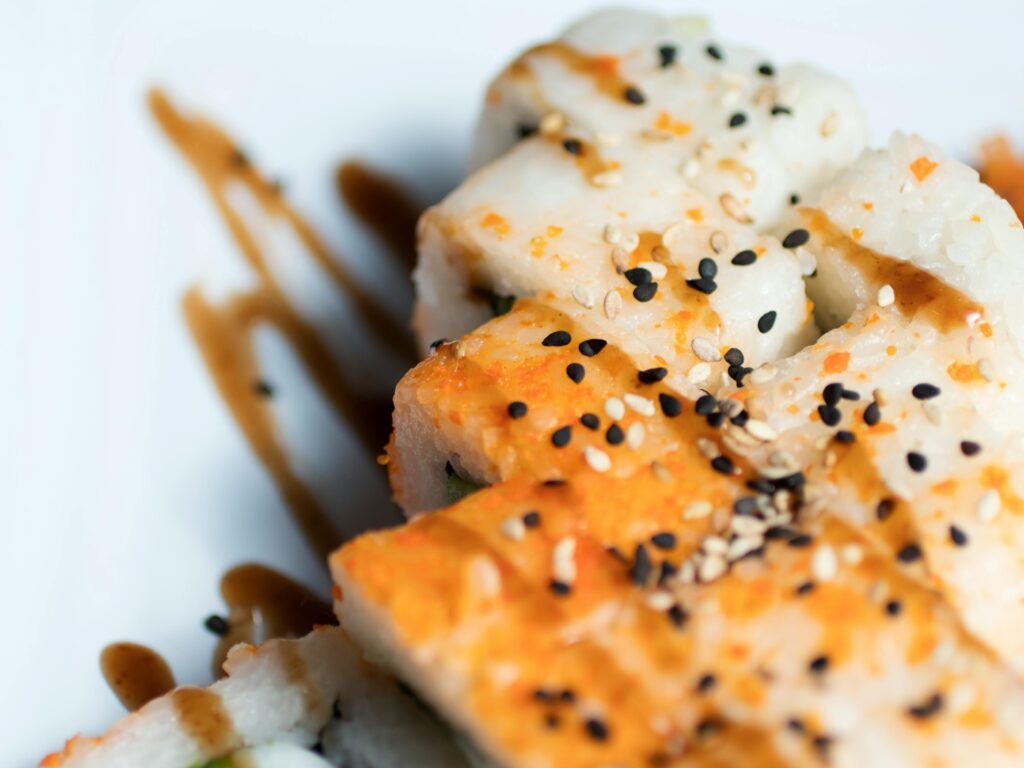
Sushi is a quintessential element of Japanese cuisine, renowned for its artistry, variety, and cultural significance. The origins of sushi can be traced back to ancient times when fish was preserved using fermented rice. This traditional method, known as narezushi, allowed fish to be stored for extended periods, while the rice acted as a means of preservation. Over time, this technique evolved, leading to new forms of sushi that reflect the culinary innovations and preferences of different eras.
The transition from narezushi to modern sushi, which we commonly enjoy today, occurred during the Edo period (1603-1868). This period marked a significant transformation in many aspects of Japanese life, including food. The dish began to take on its contemporary form with the introduction of nigiri-zushi, where fresh fish is placed atop small mounds of vinegared rice. This method not only minimized the fermentation process but also highlighted the freshness of the ingredients, which remains a key characteristic of sushi today.
The cultural significance of sushi extends beyond mere sustenance; it embodies traditions of hospitality and seasonal awareness. Skillfully crafted sushi reflects the Japanese philosophy of using fresh, high-quality ingredients and presenting them in an aesthetically pleasing manner. Sushi chefs, often known as itamae, undergo extensive training to master the delicate balance of flavors and presentation, making the sushi experience not just a meal, but an art form.
In recent years, sushi has gained remarkable global popularity, transcending its origins as a local Japanese dish. Variations such as maki rolls and sushi burritos have emerged, adapting traditional elements to cater to various tastes and preferences across cultures. This widespread acceptance and adaptation highlight sushi’s versatility and timeless appeal in the culinary world.
Types of Sushi and Ingredients
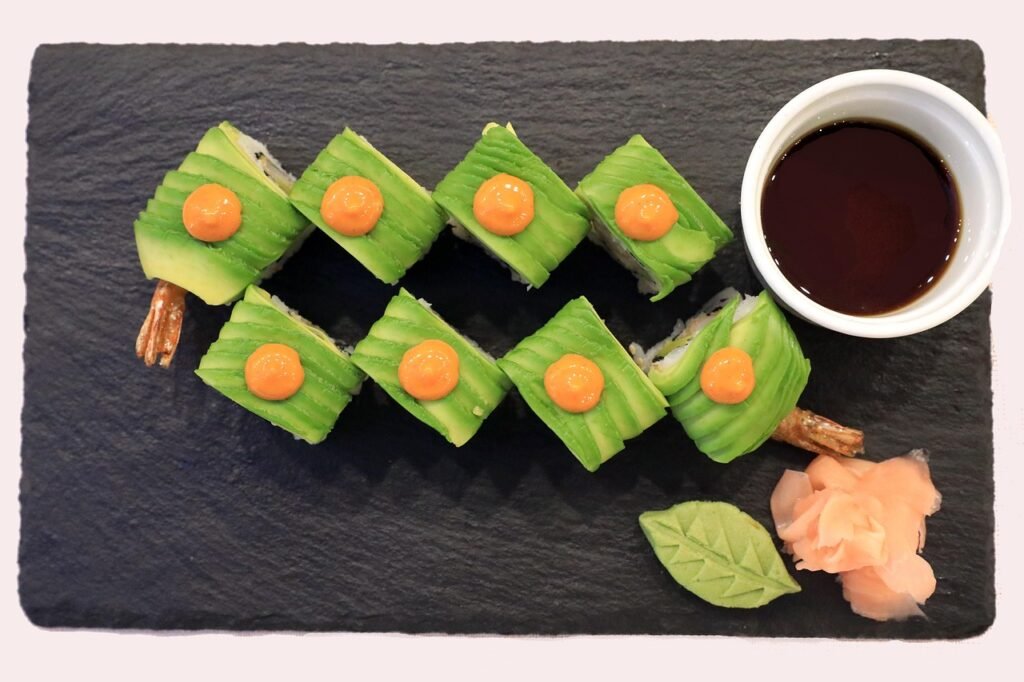
Sushi, a traditional Japanese dish, encompasses a variety of forms and flavors, each characterized by specific ingredients that contribute to its unique appeal. Among the most widely recognized types are nigiri, sashimi, maki, and temaki, each offering a distinct culinary experience.
Nigiri is a simple yet elegant type of sushi that features a hand-formed mound of vinegared rice, typically topped with a slice of fresh fish or seafood. Commonly used ingredients for nigiri include tuna, salmon, and eel. The freshness of the fish is crucial, as it directly influences the taste and quality, while the rice must be sticky enough to hold its shape yet tender enough to melt in one’s mouth. Wasabi is often added for flavor, providing a spicy kick that complements the delicate taste of the seafood.
Sashimi, while often associated with sushi, technically refers to slices of raw fish or seafood served without rice. Sashimi showcases the quality of the ingredients, emphasizing freshness and slicing techniques. Varieties like yellowtail, octopus, and mackerel are popular choices for sashimi, served alongside garnishes such as shredded daikon or shiso leaves, enhancing the dish’s presentation and flavor profile.
Maki, or rolled sushi, consists of vinegared rice and fillings encased in sheets of nori (seaweed). The fillings can range from vegetables to a variety of fish, with cucumber, avocado, and crab being common ingredients. The balance of flavors in maki relies on the quality of these components; freshness is key, especially regarding the seafood, since the roll must provide a harmonious taste experience.
Temaki, or hand rolls, is a more informal sushi experience, where ingredients are rolled into a cone of nori by hand. Filled with rice, fish, and vegetables, temaki allows diners to customize their rolls. Freshness of all ingredients, particularly seafood and vegetables, plays a significant role in the taste of this type of sushi.
The significance of ingredient sourcing cannot be overstated, as it determines the overall flavor, quality, and presentation of sushi dishes. Whether enjoyed in a refined dinner setting or a casual sushi bar, the types and ingredients of sushi offer a culinary journey that reflects the dedication to freshness and craftsmanship within Japanese cuisine.
The Experience of Dining on Sushi
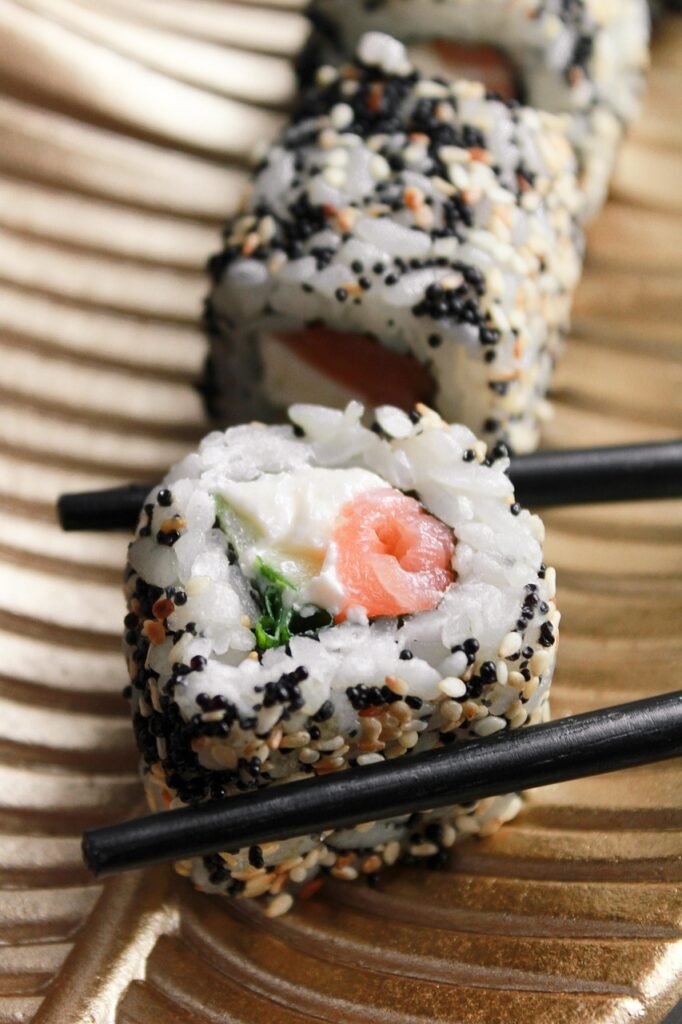
Dining on sushi is an experience that transcends mere consumption; it is a culinary art form that engages all the senses. Upon entering a sushi restaurant, one is often greeted by both a serene and vibrant atmosphere. Many establishments emphasize minimalist décor, allowing the craftsmanship of the sushi itself to take center stage. This aesthetic approach is not just for show; it reflects the meticulous attention to detail that characterizes sushi-making. Ambient lighting and soothing music further enhance the atmosphere, creating an environment conducive to savoring each bite.
Presentation plays a crucial role in the sushi dining experience. Each piece is carefully crafted, not only for taste but also for visual appeal. Sushi chefs often spend years honing their skills, understanding that the arrangement of ingredients can significantly impact the diner’s anticipation and enjoyment. The colors, shapes, and artful plating collectively contribute to the overall impression, elevating the meal from simple food to a feast for the eyes. As one chef famously stated, “The beauty of sushi lies in its balance between art and science.”
Furthermore, sushi etiquette contributes to the immersive experience. Understanding how to properly eat sushi—whether by hand or with chopsticks, for instance—can enhance the appreciation of the dish. Traditional practices, such as the order of consumption and the regional nuances of sushi styles, also influence the dining experience. Pairing sushi with beverages like sake can further enrich the meal. The delicate flavors of sake complement the umami notes found in fish, enhancing the overall experience. When done well, this pairing can create harmonious interactions between food and drink that delight the palate.
Overall, dining on sushi is more than just a meal; it is an exploration of culture, craftsmanship, and an appreciation for the artistry behind each piece crafted by skilled chefs.
Conclusion: The Art and Appreciation of Sushi
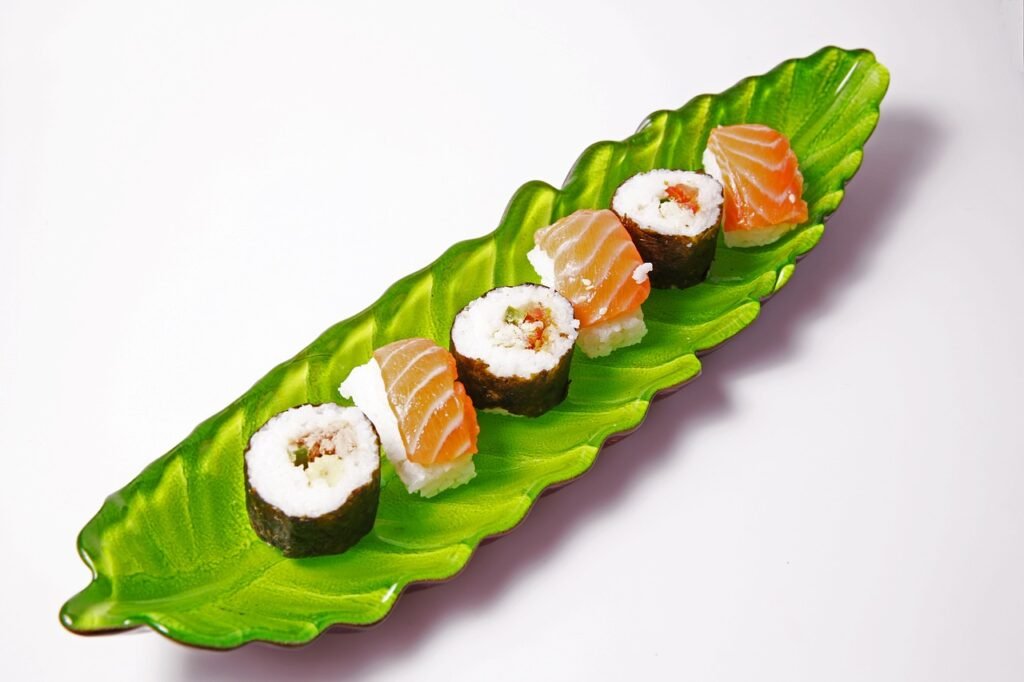
As we reflect on the intricate world of sushi, it becomes evident that this culinary delight transcends mere sustenance; it embodies a profound art form steeped in tradition and cultural significance. Sushi, originating from Japan, is not only about the combination of rice and fish but also involves a meticulous process that demands precision, skill, and a deep understanding of ingredients. Each piece of sushi tells a story, reflecting regional variations, seasonal ingredients, and the chef’s expertise, making every bite an experience to savor.
The craft of sushi-making has evolved over centuries, resulting in various techniques and styles that showcase the artistry involved. From the selection of fresh seafood to the careful preparation of vinegared rice, the attention to detail is paramount. Sushi chefs, or itamae, devote years honing their craft, mastering the subtle balance of flavors and visual presentation. This painstaking approach elevates sushi into something truly remarkable, worthy of appreciation beyond its flavorful components.
Moreover, sushi plays a vital role in social and ceremonial occasions. It serves as a centerpiece for gatherings, celebrations, and significant life events, fostering a sense of connection and communal experience. Sharing sushi often symbolizes hospitality and a rich tapestry of cultural exchange. As diners engage with this art form, they are encouraged to appreciate the thought and dedication embedded in each creation.
As we conclude this exploration of sushi, it is essential to invite readers to delve deeper into this culinary journey. Seek out experiences that illuminate the history and craftsmanship behind sushi. Whether through dining at a traditional sushi bar, attending a culinary workshop, or celebrating with loved ones over a sushi platter, embracing these opportunities enhances the understanding and appreciation of sushi as not just a meal, but as an enduring cultural legacy.