

Introduction to Callaloo
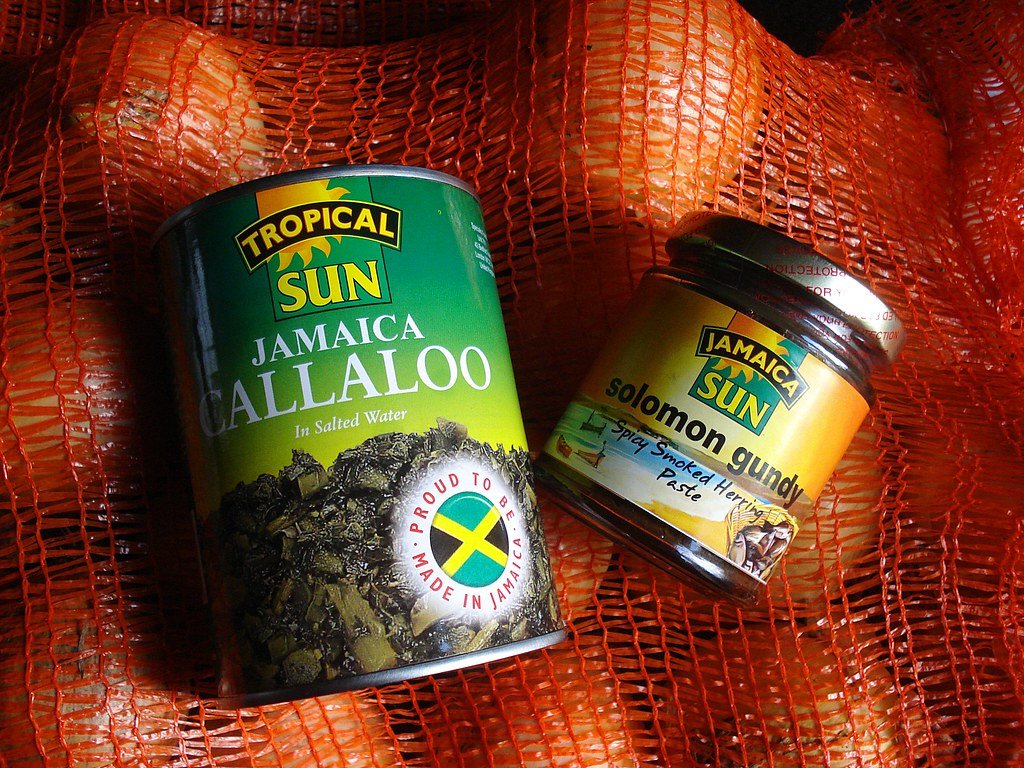
Callaloo, a vibrant green dish, is widely recognized as an essential staple within Caribbean cuisine, enjoyed for both its flavors and nutritional value. Originating from West Africa, the term “callaloo” refers to a variety of leafy greens commonly used in its preparation. Over the years, the dish has transcended its geographical roots, evolving into a cherished culinary tradition throughout the Caribbean, especially in Jamaica, Trinidad and Tobago, and the Virgin Islands, each adding its regional twist.
Traditionally, the greens used in callaloo are comprised of different varieties such as Amaranth, taro leaves, and, in some areas, even common spinach. This versatility allows for local adaptations, showcasing an array of flavors and textures unique to each island. Callaloo is typically sautéed with onions, garlic, and various spices, creating a rich and savory dish that complements many meals. Its significance extends beyond the dining table; it reflects the cultural heritage and agricultural practices intrinsic to Caribbean communities.
From a historical perspective, callaloo has undergone transformations, influenced by the colonization of the Caribbean and the African diaspora. As cooking techniques and ingredients were shared among cultures, callaloo evolved, absorbing new flavors and methods while retaining its essential character. Moreover, the dish is renowned for its nutritional benefits, being rich in vitamins A and C, calcium, and iron, making it not only a delicious option but a healthy one as well.
In contemporary cuisine, callaloo enjoys tremendous popularity, appearing in various adaptations such as soups, stews, and vegetarian entrees. Its growing recognition in global culinary circles reflects a broader interest in diverse, health-conscious eating. As people explore traditional Caribbean dishes, callaloo stands out, offering not only nourishment but also a taste of cultural history.
Preparation and Cooking Methods
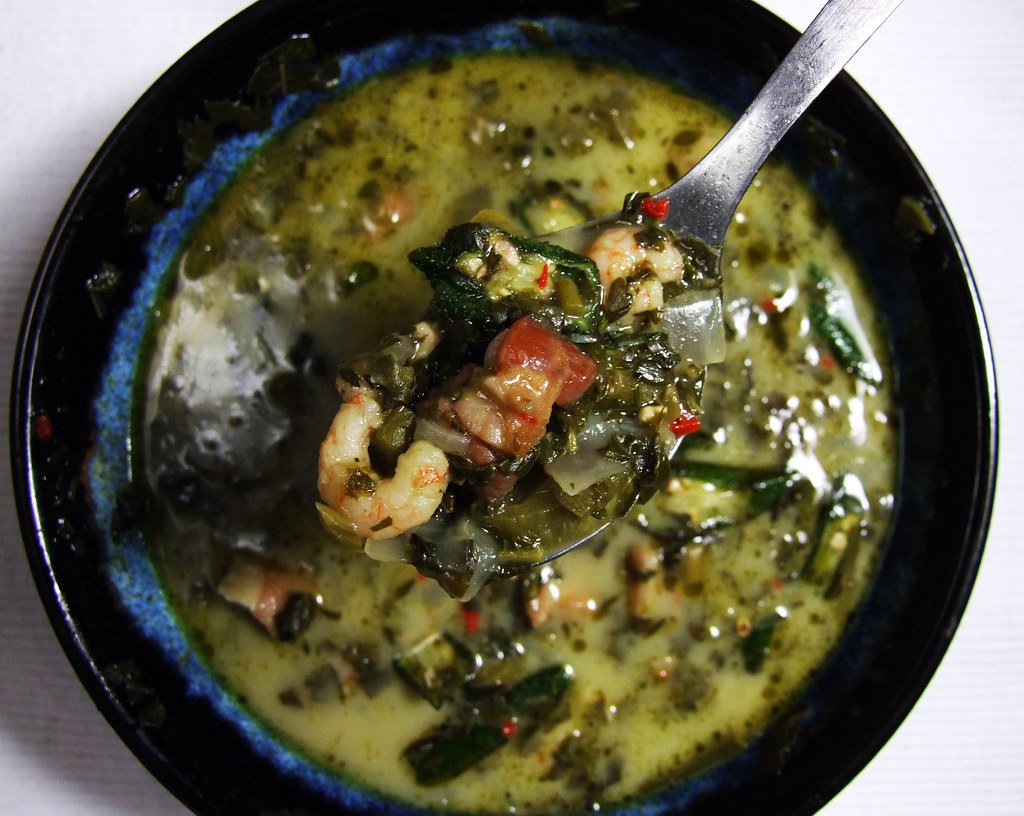
Callaloo, a highly nutritious leafy green, offers various preparation and cooking methods to enhance its natural flavors while maintaining its health benefits. Traditionally, callaloo is often prepared through methods such as sautéing, steaming, and incorporating it into stews or soups, which allows the greens to retain their vibrant color and tender texture.
Sautéing is a popular technique that involves cooking callaloo quickly in a small amount of oil over medium heat. This method helps to preserve the vegetable’s nutrients while enhancing its flavor when combined with garlic, onions, and spices. A simple sauté can be made by heating olive oil, adding minced garlic, and incorporating chopped callaloo until wilted. This dish can serve as a side or a filling for wraps or omelets.
Another effective cooking method is steaming, which retains more vitamins and minerals compared to boiling. To steam callaloo, simply place the washed leaves in a steamer basket over boiling water. Steam for about 5-7 minutes until just tender, then season with lemon juice, salt, and pepper for added zest.
For heartier dishes, callaloo can be used in stews and soups. A popular Caribbean recipe involves simmering callaloo with vegetables, coconut milk, and seasonings such as thyme, allspice, and peppers. This method not only infuses the greens with flavor but also allows them to absorb the spices, creating a rich, savory dish.
Before cooking, it is essential to clean callaloo thoroughly to remove any dirt or insects. Rinse the leaves under cold running water and soak them in a vinegar-water solution for a few minutes to ensure thorough cleaning. By employing these preparation and cooking methods, one can maximize both the flavor and nutritional value of callaloo in various dishes.
Tasting Callaloo: Flavor Profile and Pairings

Callaloo, a leafy green vegetable often likened to spinach or kale, presents a unique flavor profile that can vary significantly depending on its preparation. Generally, callaloo boasts a subtle earthiness, complemented by a mild bitterness that is characteristic of many leafy greens. When cooked, callaloo becomes tender and takes on a softer texture, enhancing its ability to absorb accompanying flavors from spices and other ingredients. This versatility allows for a wide range of culinary applications, from stews to stir-fries.
In personal experiences, cooking callaloo provides an opportunity to experiment with various seasonings and combinations. For instance, sautéing callaloo with garlic, onion, and tomatoes can create a rich and savory dish that highlights its intrinsic qualities. The addition of ingredients such as coconut milk or butter can further elevate its creamy texture, establishing a luxurious mouthfeel. In contrast, if prepared with a heavier dose of spices, the earthy notes of callaloo can be beautifully juxtaposed against the aromatic presence of pepper, thyme, or allspice, allowing for an exciting taste experience.
Furthermore, callaloo harmonizes exceptionally well with a variety of proteins and starches. Traditional pairings include salted codfish or crab, which add a savory depth and enhance the dish’s complexity. Alternatively, serving callaloo with rice or boiled provisions, such as yams or plantains, creates a satisfying balance of flavors and textures, making it a delightful complement to any main course. Overall, callaloo’s intriguing flavor and adaptability make it a celebrated ingredient in many culinary traditions, inviting exploration and creativity in both professional and home kitchens.
Cultural Impact and Contemporary Popularity
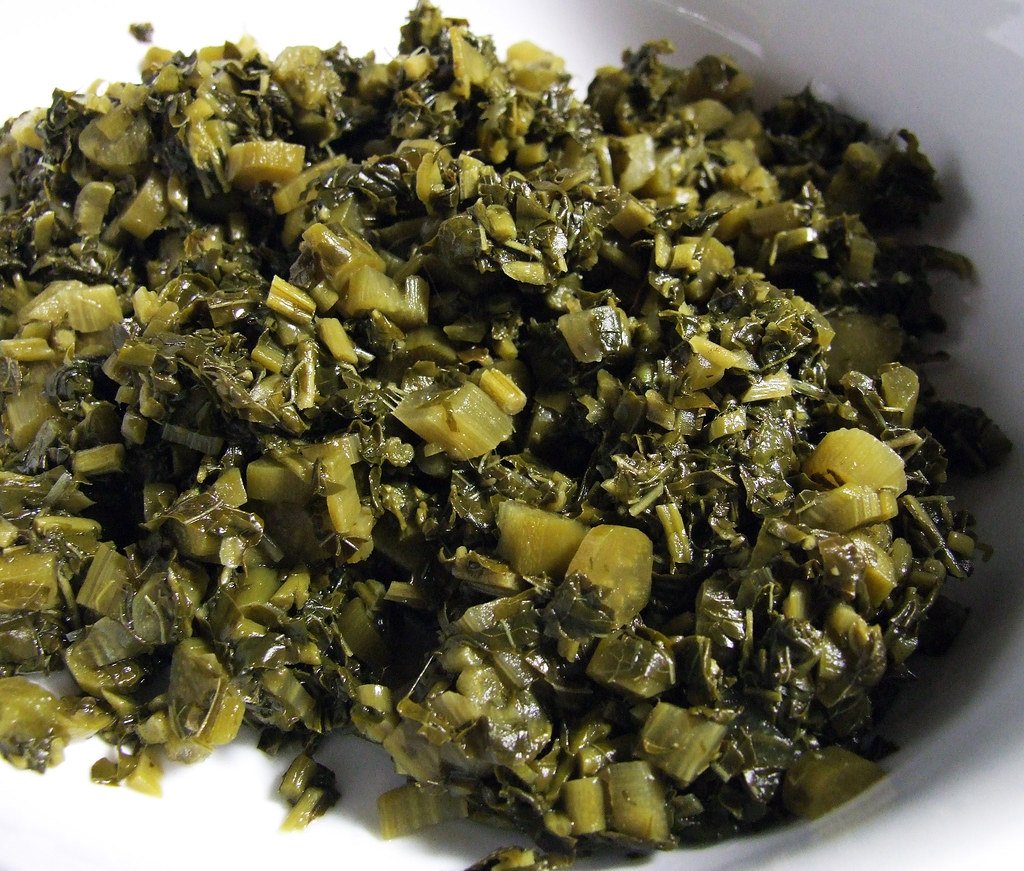
Callaloo, a vibrant green leafy vegetable, holds significant cultural relevance in various communities, particularly in the Caribbean and parts of West Africa. Traditionally, callaloo has been a staple in these regions, often used in a plethora of dishes that showcase its versatility and nutritional benefits. In recent years, this once underestimated vegetable has garnered renewed attention, carving out a prominent place in contemporary cuisine and dietary trends.
With the rise of vegetarian and vegan lifestyles, callaloo has emerged as a favored ingredient due to its rich flavor and exceptional health benefits. Packed with vitamins A, C, and E, alongside essential minerals, callaloo contributes to a well-rounded and nutrient-dense diet. As chefs and home cooks alike embrace plant-based diets, callaloo’s incorporation into salads, stir-fries, and smoothies demonstrates its adaptability to modern culinary practices.
The resurgence of callaloo can also be attributed to its presence in social gatherings and celebratory events. In Caribbean cultures, callaloo is often featured during communal meals, bringing families and friends together over shared dishes. Its preparation and enjoyment during festive occasions serve as a reminder of cultural heritage, creating a sense of connection and belonging. Additionally, callaloo has gained traction in culinary tourism, as visitors to Caribbean nations seek authentic experiences that highlight local produce, including this beloved green delight.
Moreover, the global culinary landscape has witnessed chefs experimenting with callaloo to create innovative dishes that marry traditional flavors with contemporary techniques. This creative fusion further solidifies callaloo’s place in modern gastronomy, appealing to both locals and international audiences. The appreciation for callaloo not only reinforces its cultural significance but also positions it as a staple in today’s ever-evolving food scene.