

The History and Origin of Cassoulet
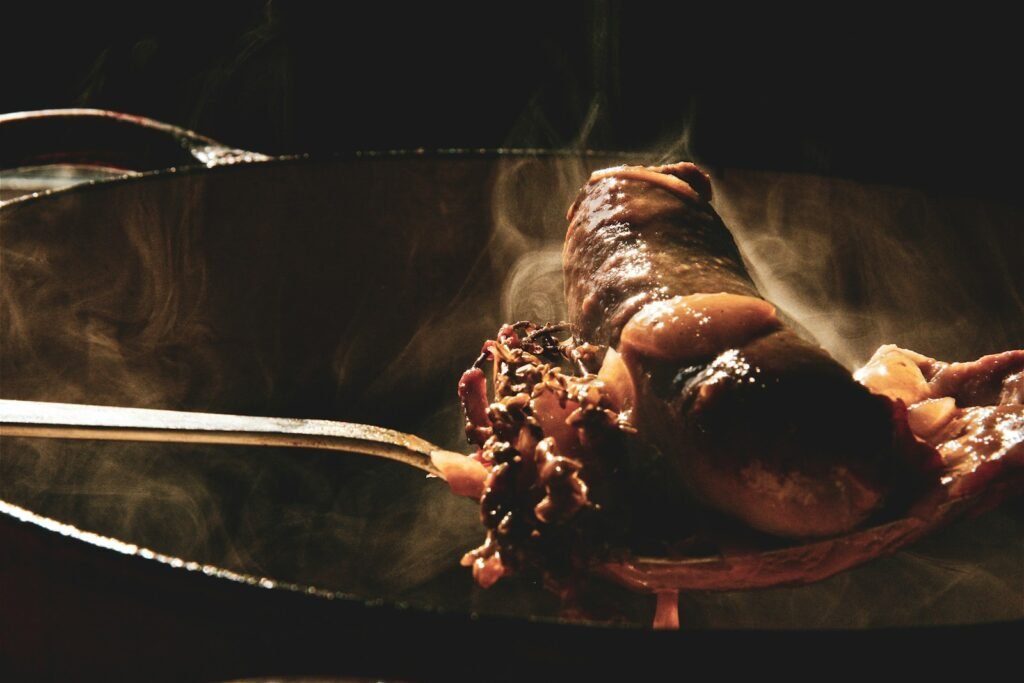
Cassoulet, a quintessential dish of French cuisine, has a storied history that reflects the agricultural practices, social customs, and regional diversity of the Occitan region in southern France. This hearty casserole is believed to have originated around the medieval period, with its roots linked to the towns of Carcassonne and Castelnaudary. Historical accounts suggest that cassoulet was a way to utilize a variety of local ingredients, particularly the beans grown in the region and the meats raised by its farmers. Over time, this rustic dish became a staple among the rural populations, celebrated for its ability to provide sustenance through the long winters.
The earliest documented references to cassoulet date back to the 14th century, although the dish has likely been prepared in informal settings for much longer. Originally, the components varied significantly based on the available produce and livestock, with families and communities adapting the recipe to suit their tastes and resources. This flexibility led to the emergence of various regional adaptations of cassoulet, each showcasing local flavors and ingredients. For instance, the version from Castelnaudary typically features duck and sausage, while the Toulouse variant may include a broader array of meats.
As cassoulet evolved, it transformed from a home-cooked staple to a dish associated with more refined dining experiences. The industrial revolution and subsequent urbanization introduced new methods of preservation and transportation, allowing the dish to reach wider audiences beyond its regional confines. Today, cassoulet enjoys a revered status, not only as a beloved French classic but also as a reflection of the cultural significance of communal cooking and the importance of local sourcing in gastronomy. This culinary journey through the history of cassoulet reveals not only the evolution of a dish but also a deeper understanding of the region’s identity and agricultural heritage.
Ingredients that Make Cassoulet Unique
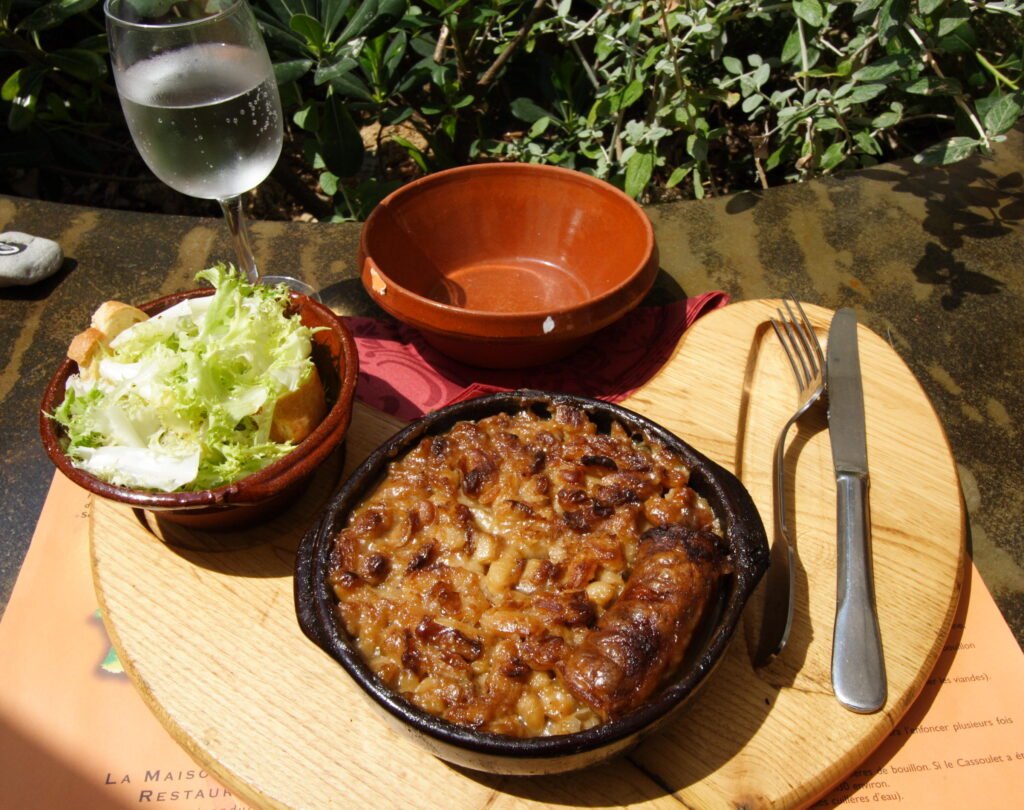
Cassoulet, a quintessential dish hailing from the southwest of France, is celebrated not just for its hearty texture but also for its rich tapestry of ingredients that contribute to its distinctive flavor. At the heart of this rustic casserole are white beans, typically varieties such as Tarbais or Cannellini. These legumes are prized for their creamy consistency and ability to absorb flavors, serving as the perfect canvas for the array of meats and herbs that accompany them.
The protein component of cassoulet is where personal and regional interpretations truly shine. Commonly used meats include duck, often in the form of confit, which lends a deep, savory flavor; sausages, particularly the garlicky Toulouse sausage; and various cuts of pork, such as shoulder or belly. Each of these meats contributes its own unique texture and taste, resulting in a harmonious blend that makes cassoulet a standout dish.
Aromatic herbs and spices are also pivotal in crafting the character of cassoulet. Thyme, bay leaves, and parsley are frequently incorporated, infusing the dish with an earthy aroma that enhances the overall dining experience. Traditionally, some recipes call for a hint of garlic, pepper, and even a touch of nutmeg—each ingredient adding depth and complexity to the final result.
The sourcing of these ingredients plays a crucial role in the authenticity of cassoulet. Utilizing high-quality, local components not only elevates the dish but respects the culinary traditions of its origins. Artisanal butchers and local farmers provide the freshest meats and produce, ensuring that the cassoulet not only reflects the true spirit of France’s gastronomic heritage but also supports sustainable practices. It is this combination of thoughtfully selected ingredients that ultimately defines the uniqueness and richness of cassoulet, rendering each serving a heartfelt homage to this beloved dish.
The Cooking Process: Techniques and Tips
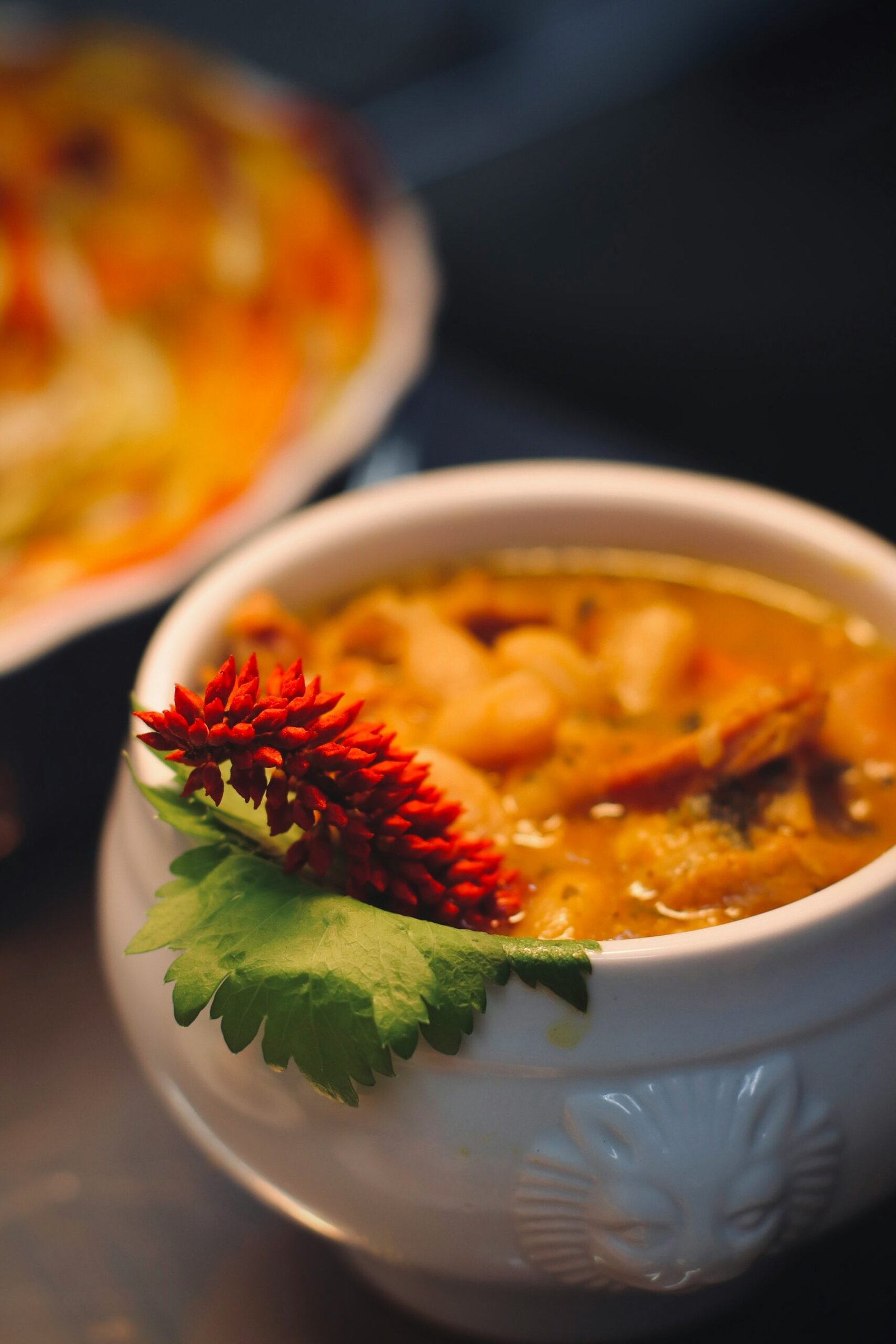
Cassoulet, a quintessential French dish, is renowned for its rich flavors and hearty ingredients. To achieve the perfect consistency and taste, a careful cooking process is essential. The traditional method involves slow cooking, which enhances the depth of flavor and allows the ingredients to meld together beautifully. A well-crafted cassoulet requires patience, as the delicate balance between timing and temperature plays a vital role in the final outcome.
Layering ingredients is a crucial technique in preparing cassoulet. Begin with a base of aromatic vegetables, such as onions, carrots, and garlic, which are sautéed to release their essential oils. This is followed by layering proteins, typically featuring a combination of sausages, duck, and white beans. Each layer should be thoughtfully placed to facilitate even cooking and flavor infusion. The beans, in particular, should be pre-soaked to ensure they cook evenly and absorb the surrounding flavors during the lengthy cooking process.
Slow cooking, often done in a heavy pot like a Dutch oven, is essential. Cooking at low temperatures allows the dish to simmer gently, preventing the ingredients from becoming overcooked or losing their individual characteristics. It is recommended to cook cassoulet for several hours, often up to eight, stirring occasionally to prevent sticking. This gradual method not only develops the flavors but also ensures that the proteins remain tender and succulent.
When it comes to timing, it is vital to monitor the progression of the dish as it cooks. Taste testing at various stages can help determine the need for additional seasoning or adjustments in texture. Moreover, allowing the cassoulet to rest after cooking can be beneficial, as it allows the flavors to mature further. By following these techniques and tips, home cooks can successfully recreate this classic dish, honoring its traditional roots while making it enjoyable for their families and guests.
Tasting Notes and Pairing Recommendations
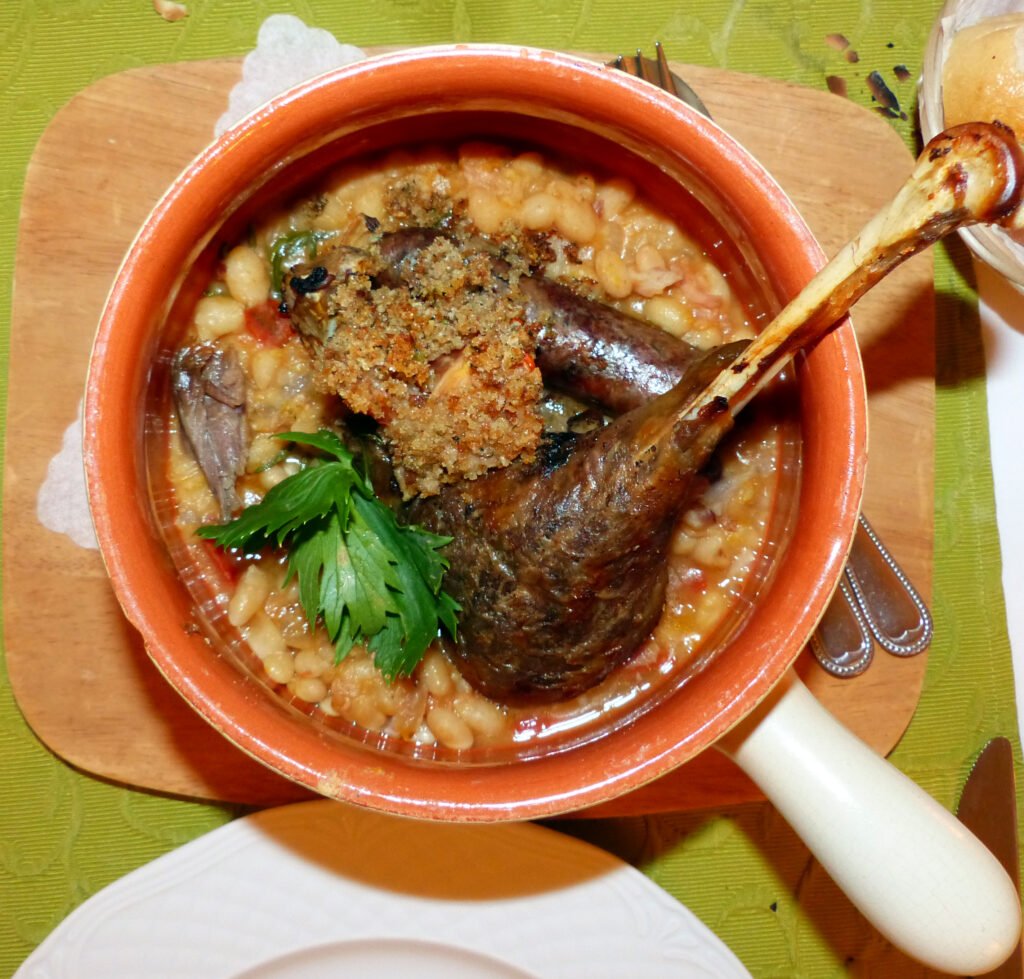
Cassoulet, a classic French dish, is a tapestry of flavors and textures that truly defines comfort food. The initial aroma that wafts from a freshly prepared cassoulet is a melange of herbs, smoky meats, and slow-cooked beans, inviting those nearby to partake in its deliciousness. The rich scent of garlic and fresh thyme permeates the air, setting the stage for a memorable culinary experience.
Upon tasting, the first sensation is the gentle heat and creaminess from the slow-cooked white beans, which act as a perfect base for the various meats. The combination of duck confit, sausage, and sometimes even lamb or pork creates a hearty, savory depth that envelops the palate. Each bite delivers a nuanced contrast: the crispiness of the crust from the top layer and the tenderness of ingredients beneath. Subtle notes of herbs and spices come alive, with rosemary and bay leaves offering hints that linger pleasantly after each mouthful.
To enhance this delightful dish, wine pairing is crucial. A full-bodied red wine, such as a robust Cahors or a rich Bordeaux, works harmoniously with cassoulet, its tannins complementing the meaty richness of the dish. The wine’s acidity balances the robust flavors, elevating the dining experience. Additionally, a light-bodied white such as a Chenin Blanc can provide a refreshing contrast if you prefer a different approach.
When considering side dishes, a simple green salad dressed with a light vinaigrette serves to cleanse the palate between bites. Crusty artisan bread also makes for an excellent companion, ideal for scooping up every last bit of the cassoulet. Such thoughtful pairings not only celebrate the dish but also encourage an immersive, enjoyable meal that reflects the true essence of French culinary tradition.