
Introduction to Fiskesuppe
Fiskesuppe, or Norwegian fish soup, holds a prominent position within Norway’s rich culinary landscape, representing both tradition and culture. Its origins can be traced back to the coastal communities, where the abundance of fresh fish and the necessity to utilize available resources shaped local cuisine. This dish not only reflects a practical approach to cooking but also showcases the deep-rooted maritime heritage of Norway, where fishing has been an essential aspect of sustenance and commerce for centuries.
Traditionally, fiskesuppe features a remarkable array of fresh seafood, such as cod, salmon, or haddock, combined with a medley of vegetables. Common ingredients include carrots, leeks, and onions, which together enhance the soup’s flavor profile. The use of cream and fish stock lends a velvety texture, making each spoonful comforting and rich. While recipes may vary from one region to another, the essence of this dish remains consistent, embodying the simplicity and freshness that characterizes Norwegian cuisine.
Culturally, fiskesuppe is not only enjoyed as a warming meal during the colder months but also features prominently at festive gatherings and special occasions. Its popularity extends beyond Norway, as it has been embraced worldwide by culinary enthusiasts seeking hearty and wholesome fish-based dishes. This soup epitomizes more than mere sustenance; it signifies the bond between the Norwegian people and their environment, as well as their appreciation for high-quality local ingredients. Each bowl of fiskesuppe brings to the table not only its unique flavors but also a narrative of tradition and community, establishing its significance far beyond its simple composition.
Ingredients and Preparation: The Heart of Fiskesuppe
Fiskesuppe, a traditional Norwegian fish soup, has a reputation for its rich flavors and comforting qualities. The key ingredients of this alluring dish typically include a variety of fresh fish, such as cod, salmon, or haddock, which serve as the foundation for its distinct taste. Along with the fish, a well-prepared broth is essential, often made from fish stock, cream, or vegetable stock, imparting a velvety texture that complements the seafood perfectly.
Vegetables play a significant role in the preparation of fiskesuppe as well. Commonly used vegetables include leeks, carrots, and potatoes. These ingredients are not only nutritious but also enhance the overall flavor profile of the soup. Additionally, fresh herbs like dill and parsley are often incorporated into the dish, bringing a refreshing element that balances the richness of the broth.
To prepare this delicious soup, begin by making the broth. Start by sautéing chopped leeks, carrots, and potatoes in a pot with a bit of butter, allowing them to soften and release their flavors. Once the vegetables are ready, add your chosen fish stock or vegetable broth and bring it to a gentle simmer. It is vital to use high-quality stock to enhance the final taste of your fiskesuppe.
After the broth has infused with the flavors of the vegetables, the next step is to add the cubed fish. Cook the fish gently, allowing it to poach in the simmering liquid. This method ensures that the seafood remains tender and does not overcook. For those interested in variations, regional preferences dictate the addition of seasonal ingredients, such as shellfish during summer or root vegetables in winter.
Finally, enrich the soup with a splash of cream for an indulgent consistency. Serve it piping hot, garnished with fresh herbs, to appreciate the warmth and authenticity of this beloved Norwegian dish. Making adjustments to one’s fiskesuppe recipe allows individual flavor preferences to shine through, ensuring that each bowl is uniquely satisfying.
Tasting Experience: Flavor Profile and Presentation
The tasting experience of fiskesuppe is a delightful journey through a complex yet harmonious flavor profile. This Norwegian fish soup is characterized by its delicate balance of freshness and depth, primarily derived from high-quality, freshly caught fish, such as cod, haddock, or salmon. The initial aroma is inviting—bright and briny, with hints of the sea that set the stage for what lies ahead. Once served, the delightful scent of aromatic herbs and spices melds with the fish, revealing layers of flavor that capture the essence of Norway’s coastal cuisine.
Upon tasting, the palate is greeted with a gently savory note, produced by the delicate simmering of fish alongside vegetables like leeks, carrots, and celery. These ingredients not only contribute to the dish’s flavor but also provide a satisfying texture. The creamy broth, often enhanced with a splash of cream or milk, envelops the fresh fish and vegetables, creating a luxurious mouthfeel that comforts the senses. The addition of spices, such as dill, bay leaves, and white pepper, further elevates the dish, delivering subtle aromatic nuances that dance upon one’s taste buds.
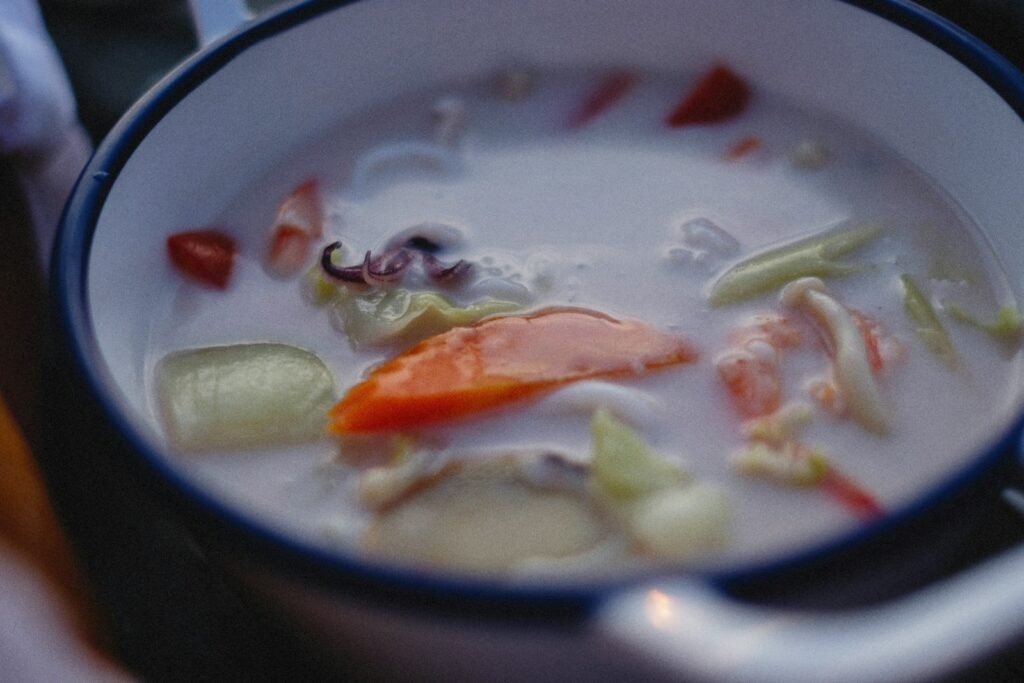
Presentation plays a vital role in the overall dining experience of fiskesuppe. Traditionally served in a deep bowl, the soup’s vibrant colors—the rich whites of the fish, the jeweled hues of vegetables, and the glistening broth—create an enticing visual appeal. To enhance this, a sprinkle of fresh herbs as a garnish not only adds a pop of color but also reinforces the freshness that the dish embodies. Ideal serving suggestions include pairing fiskesuppe with crusty bread or traditional Norwegian flatbread, which complements the soup’s flavors and adds a delightful crunch. The overall experience, from aroma to taste and visual appeal, makes fiskesuppe an alluring dish worthy of exploration and enjoyment.
Conclusion: The Legacy of Fiskesuppe in Modern Cuisine
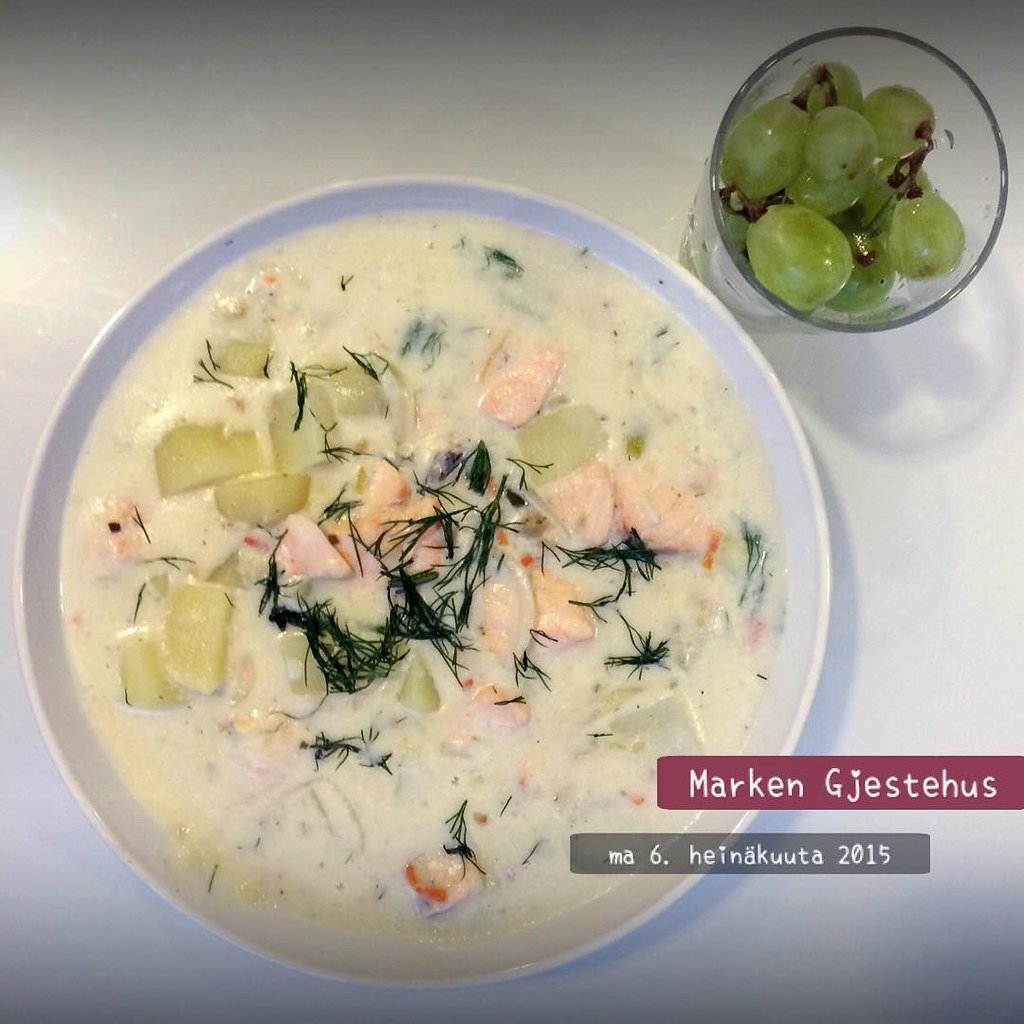
Fiskesuppe, a traditional Norwegian fish soup, carries with it a rich history that embodies the culinary heritage of Norway. Over the years, this beloved dish has not only remained a staple in Norwegian households but has also found a place in the broader tapestry of modern cuisine worldwide. The enduring appeal of fiskesuppe lies in its balance of simple yet flavorful ingredients, showcasing the bounty of Norway’s coastal waters while allowing the versatility of the dish to shine through.
Historically, fiskesuppe was crafted using the freshest catches of the day, incorporating local herbs and vegetables to create a comforting and nourishing meal. As culinary practices evolved, so too did the preparations of this iconic soup. Contemporary chefs have embraced the traditional recipes and infused them with innovative techniques and flavors, leading to a delightful array of interpretations that cater to diverse palates. The resurgence of interest in traditional dishes has also played a significant role in this evolution, fostering a renewed appreciation for heritage recipes among food enthusiasts and restaurant-goers alike.
Moreover, the global culinary landscape has seen the emergence of Nordic cuisine, where dishes like fiskesuppe are celebrated for their simplicity and sustainability. Elevated by modern culinary trends, such as farm-to-table movements and the emphasis on seasonal ingredients, fiskesuppe is now gaining recognition beyond Norway’s borders. Food lovers are increasingly drawn to this dish, inspired by its heartwarming nature and its connection to the traditions of the past.
In conclusion, fiskesuppe remains a cherished part of Norway’s cultural identity, exemplifying how traditional recipes can adapt and thrive in changing times. Its legacy endures through various adaptations, capturing the hearts and palates of those who seek comfort and flavor in a bowl, bridging the gap between past and present in the culinary world.