

Introduction to Sichuan Cuisine
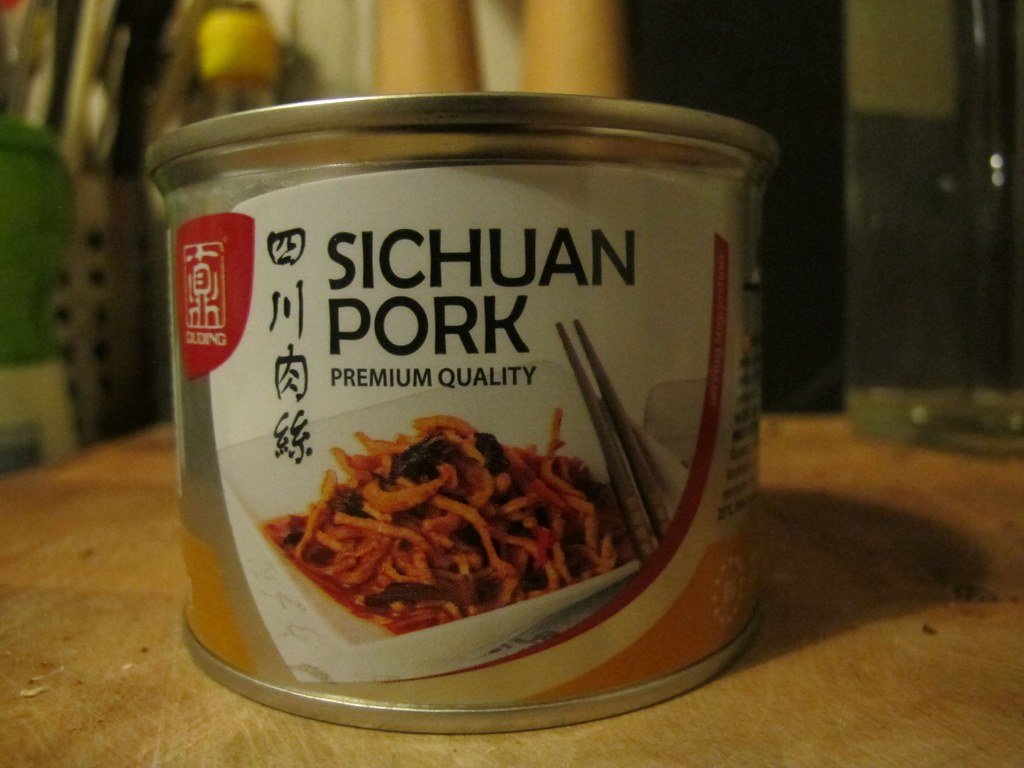
Sichuan cuisine, originating from the Sichuan Province in southwestern China, is renowned for its bold flavors, unique cooking techniques, and cultural significance. The region’s culinary practices date back thousands of years, deeply intertwined with its vast geography, climate, and rich history. This cuisine is celebrated for its bold and complex flavors, often characterized by the liberal use of spices and seasonings, particularly the famous Sichuan peppercorn. This unique spice is a hallmark of the cuisine, imparting a distinctive numbing and tingling sensation that enhances the overall dining experience.
Key techniques in Sichuan culinary tradition include stir-frying, steaming, braising, and pickling, which contribute to the depth and variety of dishes. One of the notable aspects of Sichuan food is the balance of flavors; sweet, sour, salty, bitter, and spicy elements are often combined to create harmonious and multifaceted dishes. This reflective balance offers a sensory journey that captivates the palate of food enthusiasts and casual diners alike. Historic influences, including collaboration with neighboring culinary traditions, have further enriched the region’s flavor profiles.
The popularity of Sichuan cuisine extends beyond China, having garnered a dedicated following worldwide. Dishes such as Kung Pao Chicken and Mapo Tofu are frequently found in international restaurants, showcasing the distinct characteristics of this exceptional culinary style. Within this context, Sichuan pork occupies a prominent position. The dish exemplifies the essence of Sichuan cuisine, featuring succulent pork combined with the bold flavors and distinctive spices characteristic of the region. This introduction to Sichuan cuisine not only sets the stage for the exploration of Sichuan pork but also highlights its significance amongst food enthusiasts who seek to experience rich, authentic flavors.
Ingredients and Preparation of Sichuan Pork
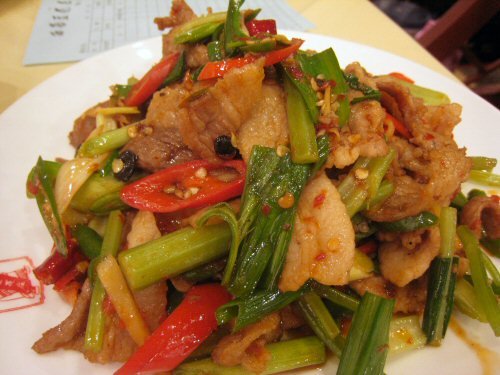
Sichuan pork is distinguished by a vibrant array of ingredients that are vital in creating its bold flavors. The primary protein used in this dish is pork, often chosen for its rich, juicy texture. Different cuts can be utilized, such as pork belly or tenderloin, each contributing uniquely to the dish’s overall flavor profile. Accompanying the pork, the use of fresh vegetables like bell peppers, onions, and garlic is prevalent to provide freshness and balance to the dish. Additionally, the incorporation of Sichuan peppercorns is essential, as they impart a distinctive numbing spiciness, characteristic of the region’s cuisine. Fresh herbs, particularly scallions and cilantro, are typically added right before serving to elevate the aroma and taste.
The preparation of Sichuan pork involves a range of cooking techniques that enhance its flavor and texture. Stir-frying is one of the most common methods, allowing for quick cooking that retains the moisture and tenderness of the pork. This method often involves marinating the meat beforehand, typically with soy sauce, rice wine, and a blend of spices, ensuring that the pork is flavorful throughout. Braising is another popular technique, especially in variations where the flavors need to penetrate deeply. This method involves cooking the pork slowly in a seasoned broth, allowing the meat to become tender while absorbing the surrounding flavors.
It’s worth noting that regional variations exist within Sichuan pork recipes, as different areas may substitute local ingredients or adjust flavor profiles. For instance, some regions may use chili paste for an extra kick, whereas others might lean towards more subtle flavors. These regional differences not only affect the overall taste but can also alter the presentation of Sichuan pork, showcasing the diversity of this beloved dish across various locales.
Tasting Experience: Flavor Profile and Texture
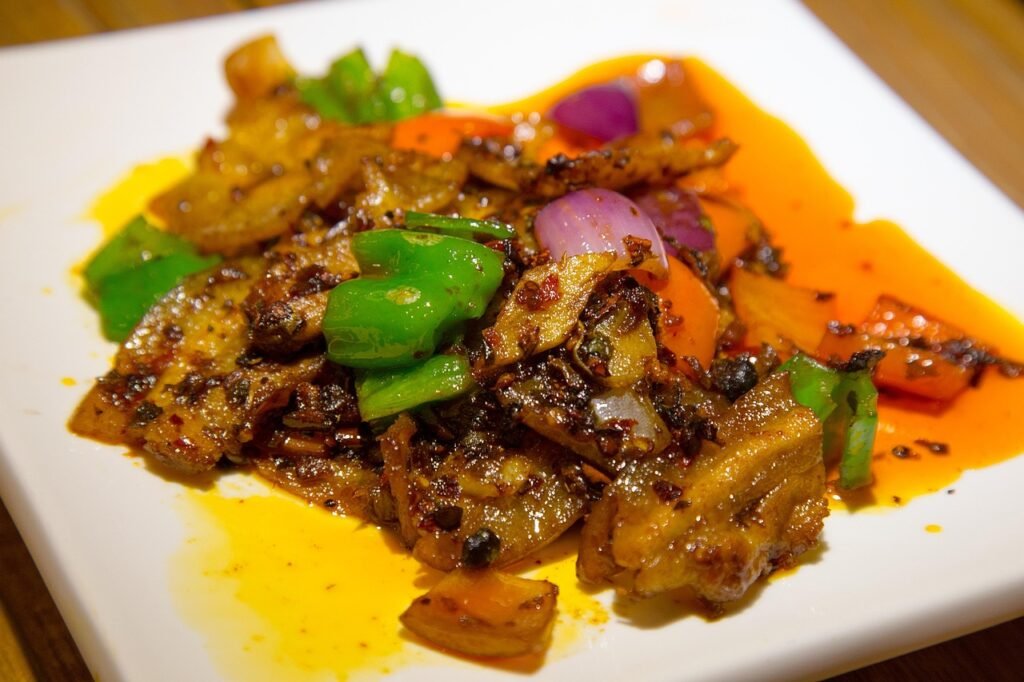
The tasting experience of Sichuan pork is a remarkable journey for the palate, where a balanced interplay of flavors shines through. This dish is well-known for its complex flavor profile that harmonizes spicy, sweet, savory, and umami elements. One of the defining characteristics of Sichuan cuisine is its bold use of spices, particularly Sichuan peppercorns that introduce a distinctive numbing heat. As one takes a bite of this succulent pork, the initial impact is characterized by a gentle heat that gradually builds, stimulating the senses. This fiery element is skillfully counterbalanced by a subtle sweetness, often enhanced by ingredients such as sugar or honey, which elevate the taste experience.
The savory undertones are exceptionally rich, owing to the marinating process, wherein the pork absorbs flavors from soy sauce, garlic, and ginger. These ingredients contribute to a depth of flavor that elevates the dish above typical pork offerings. The umami notes, derived from the use of fermented bean paste and various sauces, add a rich complexity that keeps the taste buds intrigued bite after bite.
Comparatively, Sichuan pork may resonate with other popular pork dishes, yet its unique combination of flavors and textures sets it apart. Whether one has indulged in traditional barbecued pork or a sweet and sour variant, the distinctiveness of Sichuan pork lies in its meticulous balance of taste and mouthfeel, marking it as a quintessential representation of Sichuan cuisine.
Pairing Suggestions and Conclusion
When it comes to enjoying Sichuan pork, the right pairings can elevate the experience significantly. The bold flavors and spiciness of Sichuan pork call for dishes that can either complement or provide a counterbalance to its rich taste. A classic choice is steamed jasmine rice, which acts as a neutral base, absorbing the robust sauces and spices. This pairing not only rounds out the meal but also makes the spiciness more manageable, allowing the diner’s palate to fully appreciate the complexity of flavors in the pork.
Another excellent accompaniment is a plate of hand-pulled noodles. Their chewy texture and mild flavor provide a satisfying contrast to the tender and spicy Sichuan pork. Whether served in a broth or tossed with sesame oil, the noodles serve to enhance the meal without overshadowing the main dish. Vegetables, such as stir-fried bok choy or green beans, can also add a refreshing crunch, contributing to a well-rounded dining experience.
In terms of beverages, tea is a traditional pairing that is both refreshing and beneficial for digestion. Oolong tea, with its floral notes and robustness, works particularly well, enhancing the meal without overwhelming the palate. For those seeking an alcoholic option, a light cocktail, such as a gin and tonic, can offer a crisp and refreshing contrast to the savory elements of the dish.
In conclusion, Sichuan pork is a remarkable dish characterized by its complex flavors and unique spicy profile. To fully appreciate this culinary delight, it is recommended to explore various pairing options that can enhance your dining experience. Whether you choose to visit an authentic restaurant or try your hand at recreating this dish at home, there are countless opportunities to enjoy Sichuan pork. For those interested in the best venue to experience this dish, look for establishments specializing in Sichuan cuisine in your area, as they often deliver the most authentic flavors and preparations. By engaging with this dish, you can immerse yourself in the rich tapestry of Sichuan culinary traditions.