
Introduction to Cauliflower Shawarma
Cauliflower shawarma has emerged as a popular plant-based alternative to traditional meat shawarma, captivating the attention of food enthusiasts and health-conscious individuals alike. Originating from the Middle East, shawarma typically features marinated meat slow-cooked on a vertical rotisserie. However, the rising demand for vegetarian and vegan options has spurred the creation of innovative takes on this beloved dish, with cauliflower serving as the centerpiece.
The culinary potential of cauliflower is remarkably versatile. This cruciferous vegetable can be transformed in numerous ways, offering texture and flavor that mimic that of meat when well-seasoned. By marinating cauliflower florets in a blend of spices and herbs, chefs can achieve a savory profile reminiscent of traditional shawarma. Roasting or grilling the cauliflower enhances its natural sweetness and creates an appealing charred exterior, which complements the spices used in the preparation.
The growing trend towards plant-based diets is not merely a culinary fad but reflects a significant shift towards healthier eating habits. Cauliflower, aside from being a flavorful element of shawarma, boasts a wealth of health benefits. It is low in calories, high in vitamins C and K, and a good source of fiber. As people increasingly seek nutritious alternatives to meat, cauliflower has secured its place as a favored ingredient in modern cuisine. By substituting meat with this nutrient-rich vegetable, diners can enjoy a satisfying and wholesome meal without compromising on taste.
In light of these factors, cauliflower shawarma represents more than just a meal; it signifies a movement towards innovative cooking that honors traditional flavors while embracing a healthier lifestyle. As we delve further into this dish, it is essential to explore its preparation, unique flavor profiles, and the broader implications of incorporating plant-based choices into our diets.
Flavor Profile and Ingredients
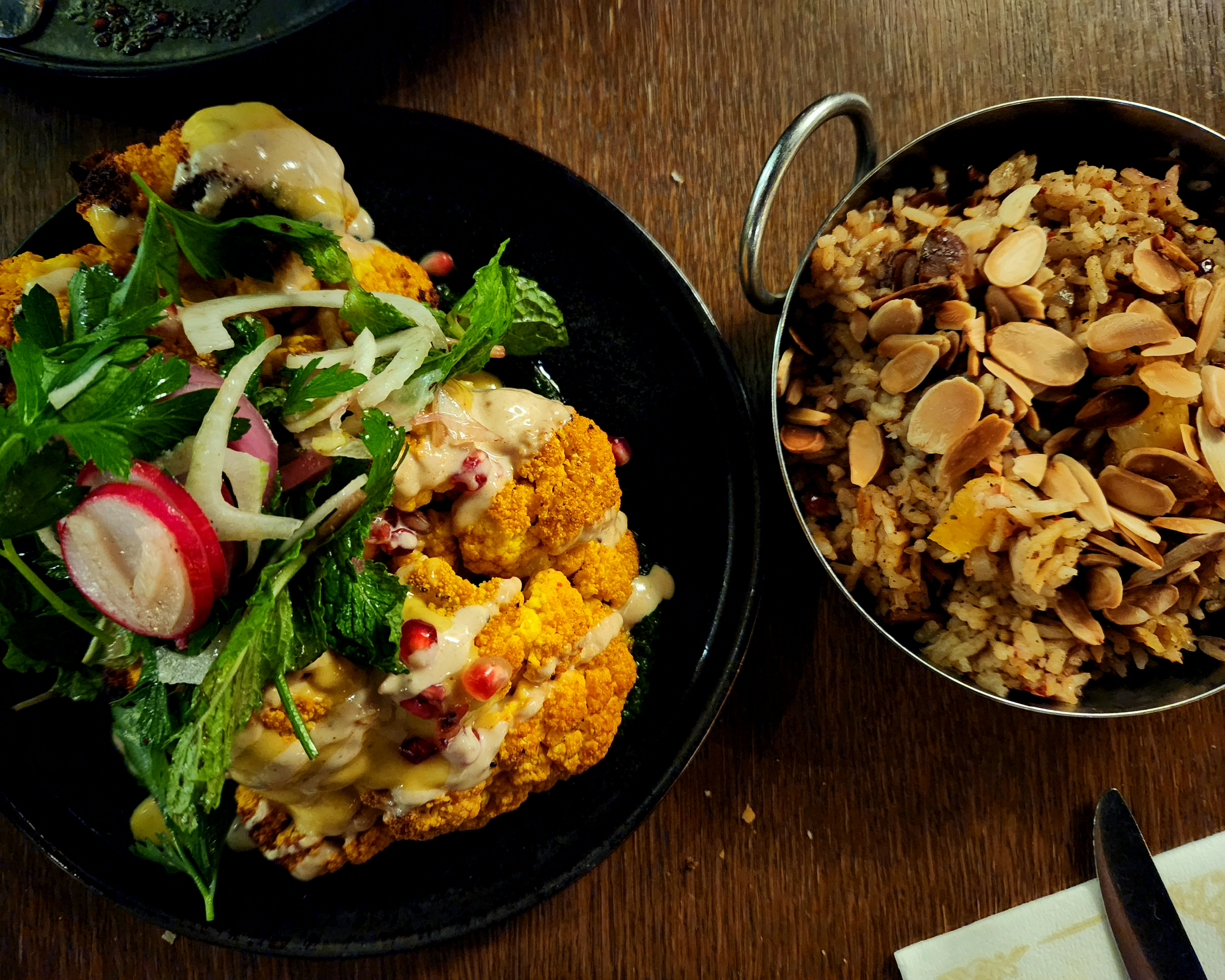
Cauliflower shawarma stands out as a delightful plant-based alternative, offering a unique flavor profile that mirrors some of the attributes of traditional meat shawarma. The primary ingredient, cauliflower, is both versatile and nutritious, providing a hearty texture that absorbs flavors remarkably well. The marination process is crucial, as it infuses the cauliflower with an array of spices and herbs that elevate the dish. A common marinade might include a blend of olive oil, lemon juice, garlic, cumin, coriander, and smoked paprika, giving it a robust depth that tempts the palate.
The roasting method further accentuates the flavors of the cauliflower. When roasted, the vegetable caramelizes, producing a delightful contrast of crispy edges and tender interiors. This cooking technique enhances sweetness while ensuring the spices meld into every crevice of the cauliflower. As the cauliflower roasts, it takes on a savory profile that closely resembles that of grilled meats, creating a satisfying umami experience. Comparing this to traditional meat shawarma, one can discern the fragrant spices and smokiness present in both, yet cauliflower shawarma offers a milder, earthier taste.
Accompanying sauces play a vital role in tying the dish together. Popular options include tahini sauce, garlic sauce, or even a spicy harissa, which complements the marinated cauliflower and adds an additional layer of richness. The combination of flavors culminates in a dish that is not only pleasing to the taste buds but also delivers a nourishing experience. Overall, cauliflower shawarma impressively replicates the iconic shawarma essence while remaining a health-conscious choice, making it a compelling option for all types of diners.
Preparation and Cooking Techniques

Preparing cauliflower shawarma begins with selecting the right cauliflower. Choose a fresh, firm head of cauliflower with tight florets and vibrant green leaves. Ensure the cauliflower is free from blemishes and signs of spoilage. Once selected, the cauliflower should be washed thoroughly to remove any dirt or impurities. The next step involves cutting the cauliflower into florets or slicing it into thick steaks, depending on the desired presentation.
Marinating the cauliflower is crucial for imparting flavor. A simple marinade typically consists of olive oil, lemon juice, garlic, and a blend of spices like cumin, paprika, and coriander. For best results, allow the cauliflower to marinate for at least 30 minutes, permitting the spices to penetrate and enhance the overall taste of the dish. Some cooks also incorporate yogurt or tahini for added richness and creaminess in the marinade.
When it comes to cooking techniques, three popular methods are roasting, grilling, and sautéing. Roasting cauliflower in the oven allows it to develop a crispy exterior while retaining tenderness inside. Preheat the oven to 425°F (220°C), arrange the marinated cauliflower on a baking sheet, and roast for about 25-30 minutes, flipping it halfway through. Alternatively, grilling adds a smoky flavor; preheat the grill, and cook the cauliflower for 4-5 minutes on each side until grill marks appear. Sautéing in a hot pan with a little oil can also yield a flavorful and quick result, although it may not provide the same charred effect as the other techniques.
To achieve the best texture and flavor, it is essential to avoid overcrowding the baking sheet or grill, as this can lead to steaming rather than roasting or grilling. Additionally, using a marinade with sufficient acidity can prevent the cauliflower from becoming mushy during cooking. Ultimately, careful attention to preparation and technique will elevate the cauliflower shawarma experience.
Serving Suggestions and Conclusion

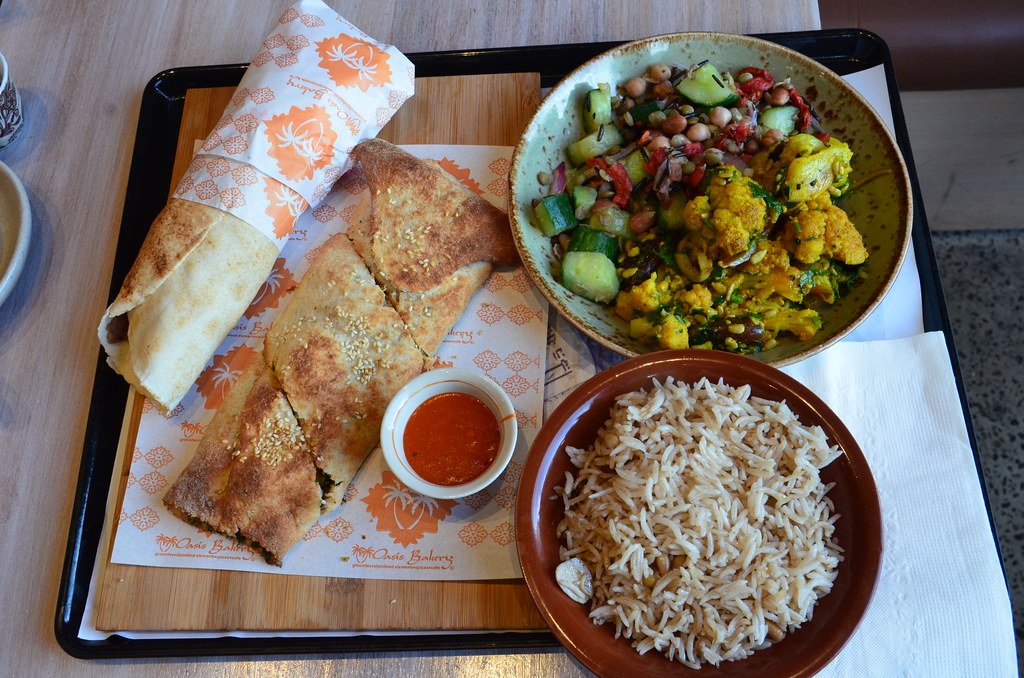
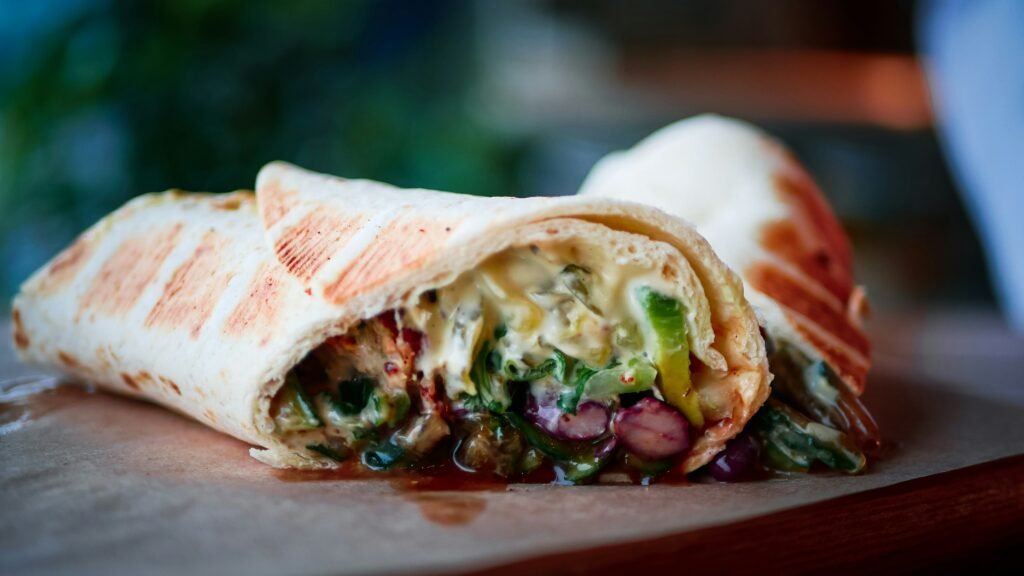
Cauliflower shawarma, a delightful plant-based alternative to traditional shawarma, can be served in a variety of ways that appeal to both vegetarians and meat-lovers. One popular option is to serve it wrapped in warm pita or flatbread, allowing for easy handling and enjoyment. This pairing not only complements the spiced flavors of cauliflower but also adds a satisfying texture to the overall dish. For added freshness, consider adding leafy greens such as lettuce or spinach along with sliced cucumbers and tomatoes, creating a refreshing contrast to the roasted cauliflower.
Sauces play a crucial role in enhancing the flavors of cauliflower shawarma. A classic tahini sauce, made from ground sesame seeds, serves as a creamy and nutty accompaniment. Alternatively, garlic sauce or a zesty yogurt-based sauce can elevate the dish further, providing a tangy balance to the spices. For those looking to add a kick, a drizzle of spicy harissa or sriracha can be incorporated, appealing to those who enjoy bold flavors in their meals.
For a complete meal, pair cauliflower shawarma with an array of side dishes. A simple salad, tabbouleh, or even roasted vegetables make excellent companions. Additionally, consider offering pickled vegetables, which can introduce an exciting tang that cuts through the richness of the shawarma. Moreover, incorporating a grain such as quinoa or couscous can transform the meal into a hearty dining option.
In conclusion, cauliflower shawarma stands out as a versatile and delectable dish that can easily impress a wide audience. Its ability to blend well with various side dishes, sauces, and breads ensures it caters to different tastes and preferences. As a nutritious substitute for meat, cauliflower shawarma deserves a spot on the menu, appealing to health-conscious diners and those seeking to reduce their meat intake without sacrificing flavor. This plant-based delight invites culinary creativity while satisfying diverse palates, making it a worthy addition to any dining occasion.