
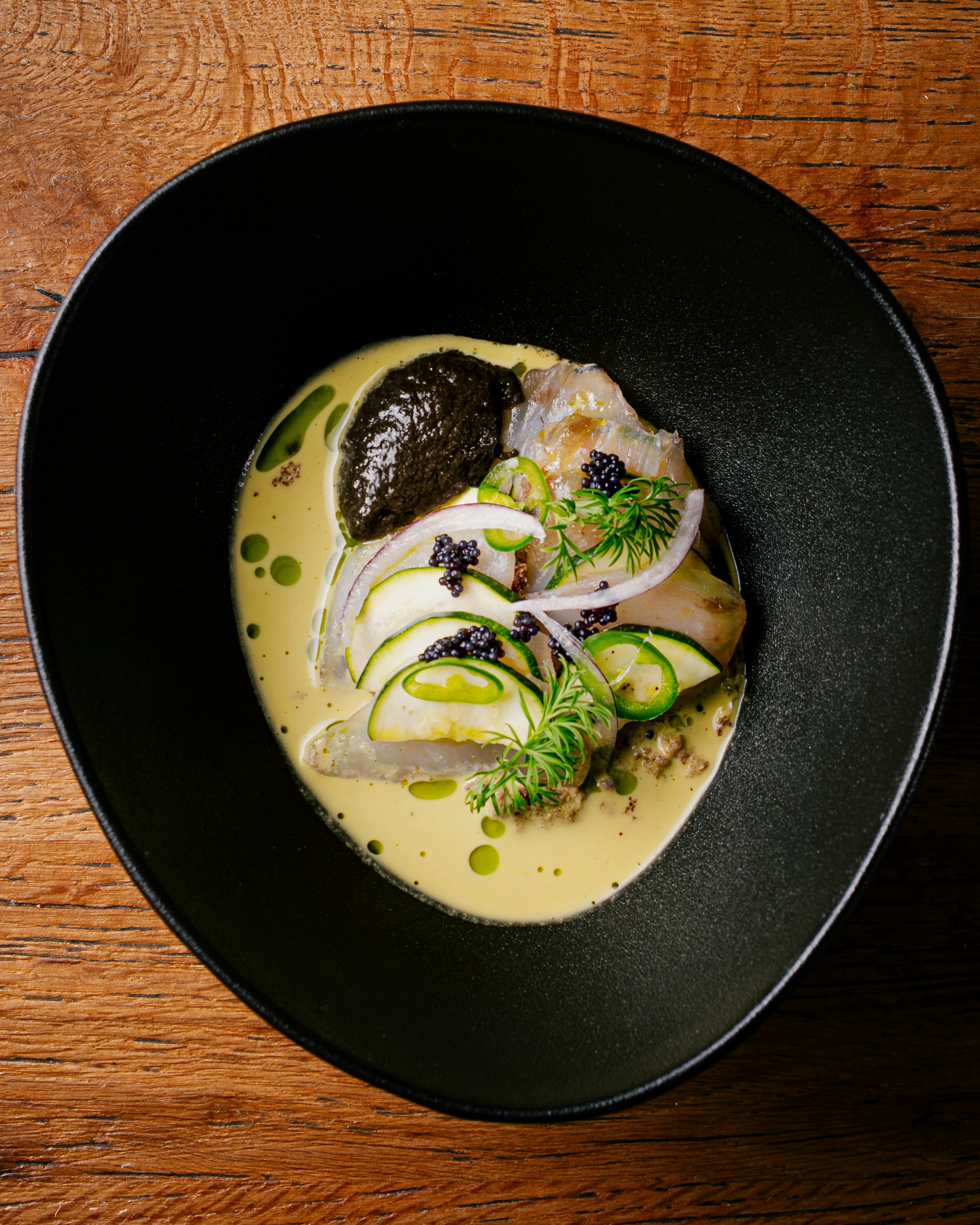
Introduction to Lutefisk: A Historical Perspective
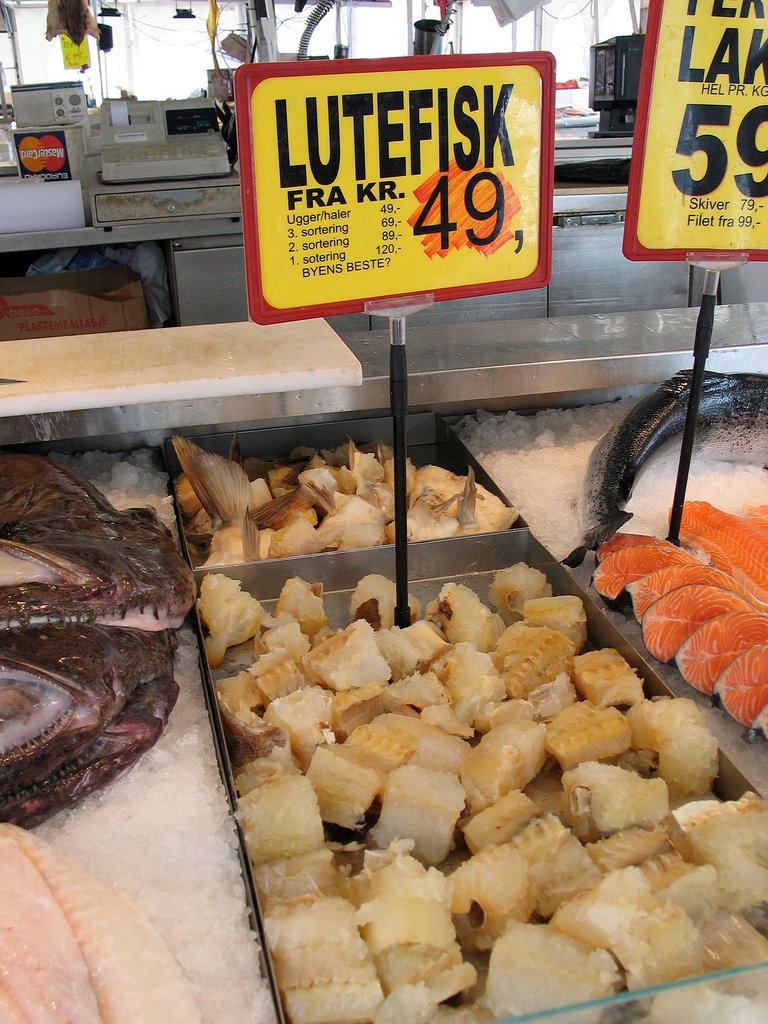
Lutefisk, a distinctive dish that has sparked both intrigue and skepticism, has origins deeply rooted in Scandinavia, particularly in Norway and Sweden. This traditional delicacy is primarily made from white fish, such as cod, that has undergone a unique preservation process involving lye. The historical significance of lutefisk dates back centuries, with its preparation evolving as a method to extend the shelf life of fish in regions where fresh catch was limited during the long winters.
The process of creating lutefisk begins with soaking dried fish in a solution of cold water and lye. This method not only rehydrates the fish but also imparts a gelatinous texture that is characteristic of the dish. After the fish has absorbed the lye, it is rinsed thoroughly to remove any residual alkali. The result is a peculiar but traditional delicacy, often served during festive occasions. Lutefisk is especially prominent during Christmas, symbolizing a connection to cultural and familial traditions.
Throughout the years, lutefisk has maintained its stature as a beloved, albeit polarizing, culinary experience. Its presence at holiday tables signifies more than just a meal; it embodies cultural heritage and communal gathering. As modern culinary practices have emerged, the preparation and serving of lutefisk have seen modifications, yet the essence of this age-old dish remains intact. Contemporary chefs often experiment with various seasonings and serving methods, making lutefisk more palatable to a broader audience while honoring its historical roots.
The journey of lutefisk from a preservation technique to a modern dish highlights its resilience and adaptability within Scandinavian cuisine. Understanding its historical context enriches the experience of consuming lutefisk, evoking a narrative of tradition, survival, and cultural identity that resonates with many descendants of Scandinavian immigrants today.
The Preparation Process: Transforming Cod into Lutefisk

The journey of transforming cod into lutefisk is a meticulous process that begins with the selection of high-quality fish. Typically, the preferred choice is unsalted, well-sourced cod, which ensures a flavorful foundation for the dish. This fish is then carefully dried, often through air drying, to remove moisture and intensify its taste. The drying process can significantly affect the final texture of the lutefisk, making it crucial to get it right.
Once the cod is ready, it undergoes a unique lye soaking process. This step involves immersing the fish in a solution of lye—the concentration of which varies according to local traditions. The soaking duration is critical; it can vary from several hours to a few days, largely depending on the thickness of the cod pieces and the desired texture. This interaction with lye is what gives lutefisk its distinctive gelatinous consistency, transforming the fish into a unique culinary specialty.
Post soaking, the lutefisk must be rinsed thoroughly to eliminate any residual lye. This rinsing process is pivotal, as it not only ensures safety for consumption but also influences the overall flavor profile. Sprinkling on salt during this phase can enhance the taste further, although it is imperative to balance this with the inherent flavors of the fish. Regional variations may dictate additional ingredients or techniques during preparation. For instance, in some regions, spices or herbs are integrated into the soaking process or served on the side.
The careful timing and techniques involved in each stage contribute significantly to the final dish. The artistry of preparing lutefisk exemplifies the deep-rooted culinary customs found in Scandinavian cultures, preserving traditions that have been passed down through generations. This attention to detail culminates in a dish that, while unique, showcases the rich history of fish preservation methods.
Tasting Lutefisk: Flavor Profile and Texture Exploration
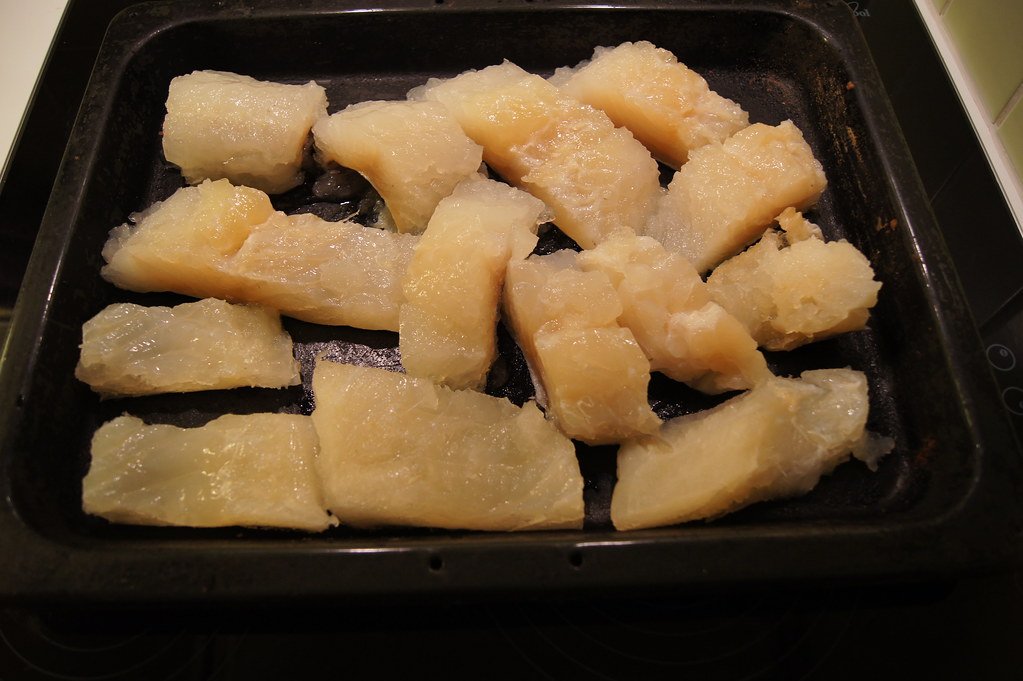
Lutefisk, a traditional Nordic dish primarily composed of dried fish, is recognized for its distinct flavor profile and unique texture. The preparation of lutefisk involves soaking dried cod in a lye solution, which results in its characteristic gelatinous consistency. Upon cooking, this version of cod presents a translucent appearance, often eliciting varied reactions from those unacquainted with its unusual texture.
The initial taste of lutefisk is subtle and mild, often described as neutral and slightly fishy. This delicate overarching flavor can be likened to that of other white fish; however, lutefisk’s unique preparation distinguishes it from them. Many diners report an experience reminiscent of freshly prepared flaky fish, albeit with added layers of complexity due to the soaking process. A common comparison is made to dishes such as poached cod or halibut, but lutefisk embodies its own identity, marked by an intriguing chewiness that several find appealing while others may not.
Pairing lutefisk with traditional accompaniments is essential to enhance the overall dining experience. Popular choices include melted butter, which lends richness and depth to the dish, and white sauce, providing a creamy texture that contrasts with the fish’s briny nuances. Additionally, boiled potatoes serve as a hearty base that further complements lutefisk, balancing its delicate flavors while adding substance to the meal. For those with a more developed palate, adding freshly cracked pepper or a squeeze of lemon can elevate the flavors, providing a more vibrant taste sensation.
Overall, the tasting experience of lutefisk is as much about the dish’s unique texture as it is about its flavor. This culinary journey invites diners to engage with cultural traditions while exploring the splendid diversity of fish dishes. Such experiences can shift one’s perspective on taste and texture, fostering appreciation for this distinct Nordic delicacy.
Cultural Impact and Modern Reception: Lutefisk Today
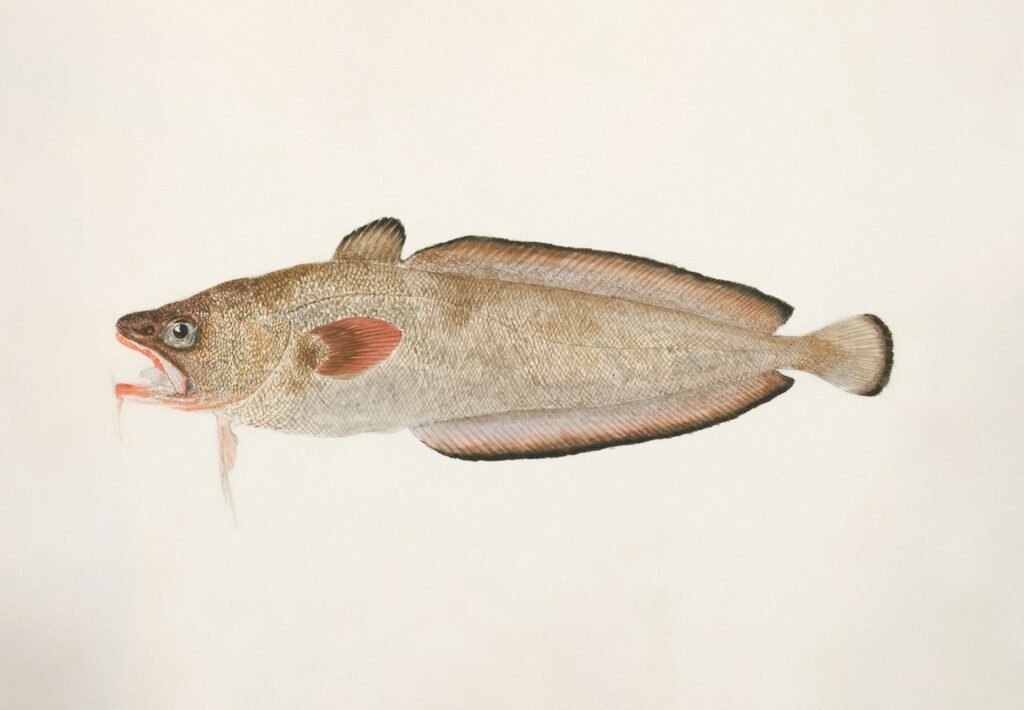
Lutefisk, a dish derived from the traditional Nordic practice of preserving fish, has seen a varied reception in contemporary society. While it remains an iconic element of Scandinavian culinary heritage, its status among younger generations is often ambivalent. Many younger individuals experience this unique fish preparation primarily during cultural events or as part of family traditions, leading to a blend of nostalgia and curiosity.
In modern culinary settings, lutefisk is frequently featured in holiday feasts and gatherings, often rekindling familial bonds and cultural ties. Despite its pungent aroma and distinct texture, it has found a niche audience, serving as a conversation starter that connects individuals to their roots. Food festivals celebrate lutefisk, showcasing its traditional significance while experimenting with new serving methods and presentations that cater to contemporary palates.
However, lutefisk faces challenges in integrating into everyday cuisine for the average consumer. Many find its unusual preparation intimidating, which has contributed to its status as a seasonal dish. In response, chefs and food enthusiasts are exploring avenues for culinary innovation, incorporating lutefisk into modern dishes that appeal to diverse tastes. This includes pairing it with various sauces or incorporating it into fusion recipes that transform its traditional essence while maintaining its core flavors.
The juxtaposition between traditional significance and contemporary culinary innovation underscores a broader narrative about sustaining cultural foods in a fast-evolving gastronomic landscape. As younger generations grapple with their heritage, the future of lutefisk may hinge on its ability to adapt and resonate with a wide array of palates. This ongoing dialogue about lutefisk illustrates the intricate relationship between culture, cuisine, and personal identity.