

Introduction to Nakji Bokkeum

Nakji bokkeum is a celebrated dish within Korean cuisine, renowned for its distinctive flavor profile and enticing combination of ingredients. This dish, which translates to “stir-fried octopus,” features small octopuses that are typically seasoned with a blend of spices, soy sauce, and gochujang (Korean red pepper paste), contributing to its signature spicy kick. Its roots can be traced back to coastal regions of Korea, where seafood has long been a staple in local diets due to the abundance of fresh catch from the surrounding seas.
The cultural significance of nakji bokkeum extends beyond its flavorful appeal. It is often regarded as a comfort food, frequently served in restaurants and during family gatherings. This dish showcases the essence of Korean culinary traditions, where careful preparation and emphasis on fresh ingredients are paramount. The vibrant colors and aromatic scents associated with nakji bokkeum create an inviting atmosphere, frequently enjoyed alongside a selection of banchan (side dishes) that complement its bold flavor profile.
As we dive into the specific elements that define nakji bokkeum, it is important to highlight its central ingredients. The main ingredient, octopus, is often accompanied by a variety of vegetables, including onions, scallions, and carrots, which enhance the overall texture and flavor. Additionally, the dish may feature sesame oil or seeds, which add a nutty flavor that balances the heat from the spices. The integration of these ingredients not only reflects the harmony pervasive in Korean culinary practices but also offers a nutritious meal that is rich in protein and essential nutrients. In essence, nakji bokkeum serves as a quintessential representation of Korean cooking, marrying tradition with vibrant flavors.
Ingredients and Preparation
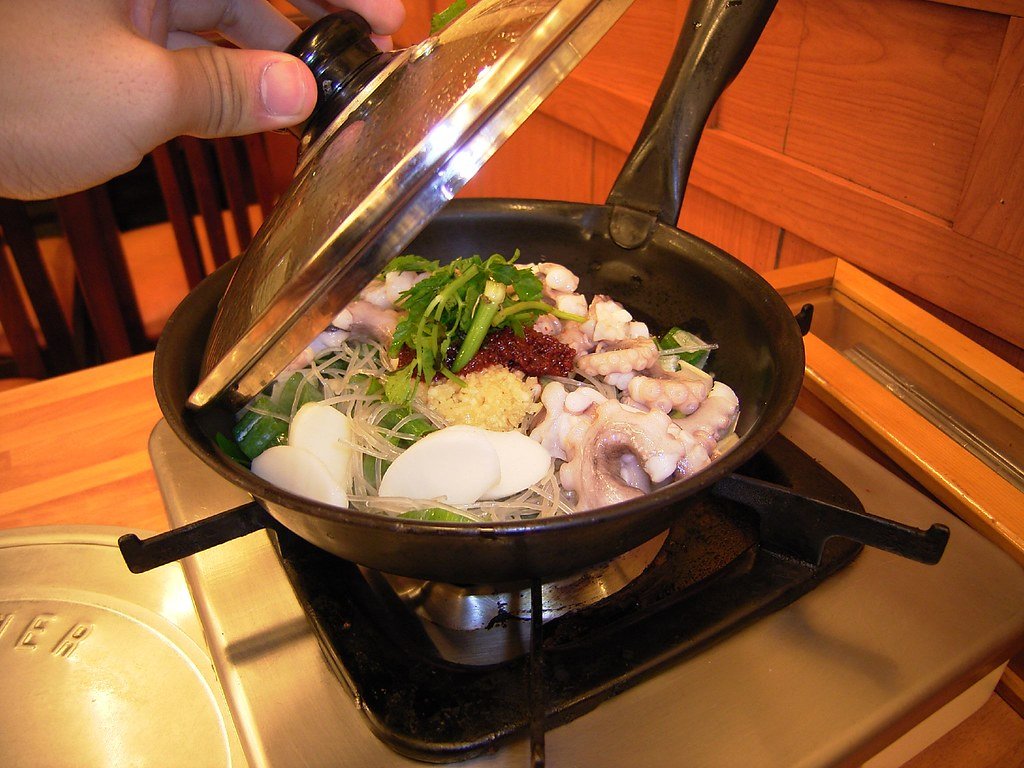
Nakji bokkeum, a popular Korean dish featuring stir-fried octopus, relies on a variety of fresh ingredients that contribute to its unique flavors and textures. The star of the dish is, of course, the octopus. When selecting octopus, opt for smaller varieties, as they are generally more tender and flavorful. Look for octopus with a vibrant color and a fresh, ocean scent. Freshness is key, so if possible, purchase from a reputable seafood market. After acquiring high-quality octopus, proper cleaning is essential. Rinse the octopus thoroughly under cold water, removing any slime or impurities. Once cleaned, the octopus is boiled briefly to enhance its tenderness before being cut into bite-sized pieces.
The marinade for nakji bokkeum is another crucial component that infuses the dish with flavor. Traditional marinades consist of a harmonious blend of gochujang (Korean chili paste), soy sauce, sesame oil, garlic, and sugar. This mixture not only imparts a delightful heat but also balances sweetness and umami, creating a complex taste profile. Additionally, adding minced ginger can elevate the dish further by providing a subtle spiciness. Allow the octopus to marinate for at least 30 minutes, enabling the flavors to meld.
The preparation of nakji bokkeum requires a hot skillet or wok to achieve the desired stir-fry effect. Heat some oil in the pan and add the marinated octopus. Stir-fry on high heat, allowing the octopus to sear and caramelize slightly, which enhances its flavor. Incorporating vegetables such as onions, carrots, and green peppers not only adds nutrition but also provides contrast in texture and color to the dish. For those seeking variations, consider adding other ingredients like glass noodles or different proteins to customize the meal. By combining the right ingredients and employing proper techniques, nakji bokkeum can be transformed into a delicious, satisfying experience.
Taste and Texture Experience
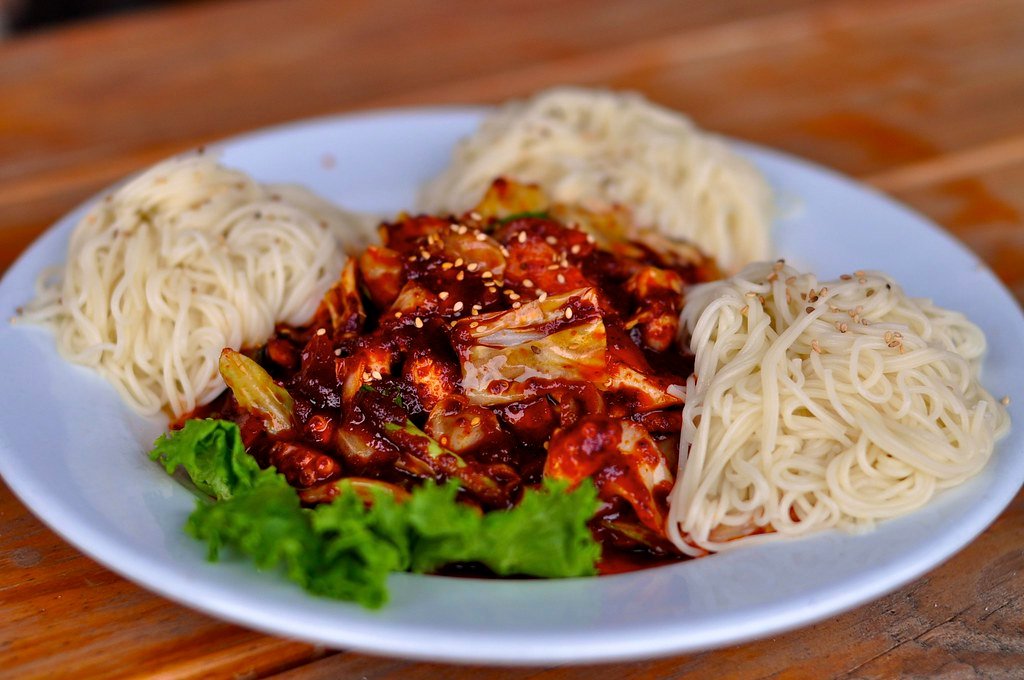
Nakji bokkeum, a popular Korean dish, offers an unparalleled sensory experience that is both intricate and satisfying. The taste profile of nakji bokkeum is a delightful blend of spicy, sweet, and umami flavors that create a harmonious symphony for the palate. The dish typically features gochujang (Korean red chili paste), which provides a distinct heat that tantalizes the taste buds. This spiciness is complemented by a hint of sweetness, often derived from ingredients such as sugar or sweet soy sauce, which balances the heat and enhances the overall flavor complexity. The umami depth is achieved through the freshness of the octopus coupled with various seasonings, such as garlic and sesame oil, creating an engaging flavor experience.
Regarding texture, the cooking process of the octopus in nakji bokkeum is crucial in achieving the desired tenderness without sacrificing its structural integrity. When cooked correctly, the octopus becomes delightfully tender, allowing for each bite to be both chewy and succulent. The stir-frying method used in preparing nakji bokkeum not only allows the ingredients to cook evenly but also helps to caramelize the sugars, thus adding a desirable depth to the dish’s texture. Diners often share their impressions of invigoratingly biting into the tender morsels, complemented by the crunch of vegetables, such as bell peppers or onions, which add a refreshing contrast.
From personal experiences, the enjoyment of nakji bokkeum transcends the mere act of eating; it becomes a culinary adventure filled with excitement and flavor discovery. As diners savor each bite, they are enveloped by the captivating aroma and vibrant colors of the dish, both of which enhance the overall dining experience. For those eager to explore Korean cuisine, nakji bokkeum promises a memorable journey through an array of flavors and textures that truly define this exceptional dish.
Serving Suggestions and Pairings

Nakji bokkeum, a savory and spicy stir-fried octopus dish, is a delightful addition to any Korean meal. To enjoy this dish to its fullest, it is advisable to serve it with a variety of traditional accompaniments. One of the most classic pairings is steamed white rice, which helps balance the rich flavors of the octopus and soaks up the delicious sauce. The rice provides a neutral base, making each bite of nakji bokkeum even more satisfying.
In addition to rice, kimchi serves as an excellent side dish. The fermented vegetables add a crunchy texture and a tangy flavor that complements the spiciness of nakji bokkeum. While there are many varieties of kimchi, the napa cabbage or radish types are particularly popular choices. These fermented dishes not only enhance the overall flavor profile but also contribute to a healthier dining experience with probiotics and essential nutrients.
When it comes to beverages, soju is a traditional Korean spirit that pairs exceptionally well with nakji bokkeum. Its smooth, crisp flavor profile allows it to act as a palate cleanser between bites while also accentuating the heat of the dish. For those preferring non-alcoholic options, a chilled barley tea can also provide a refreshing contrast to the spiciness of the meal.
To elevate the presentation of nakji bokkeum, consider garnishing the dish with sesame seeds and chopped green onions. Using colorful plates can further enhance visual appeal, inviting guests to indulge in this unique Korean dish. Nakji bokkeum is perfect for various occasions, such as family gatherings, casual dinner parties, or special celebrations, making it a versatile choice in Korean cuisine. By following these serving suggestions, one can create a memorable dining experience that highlights the delightful flavors of nakji bokkeum.