
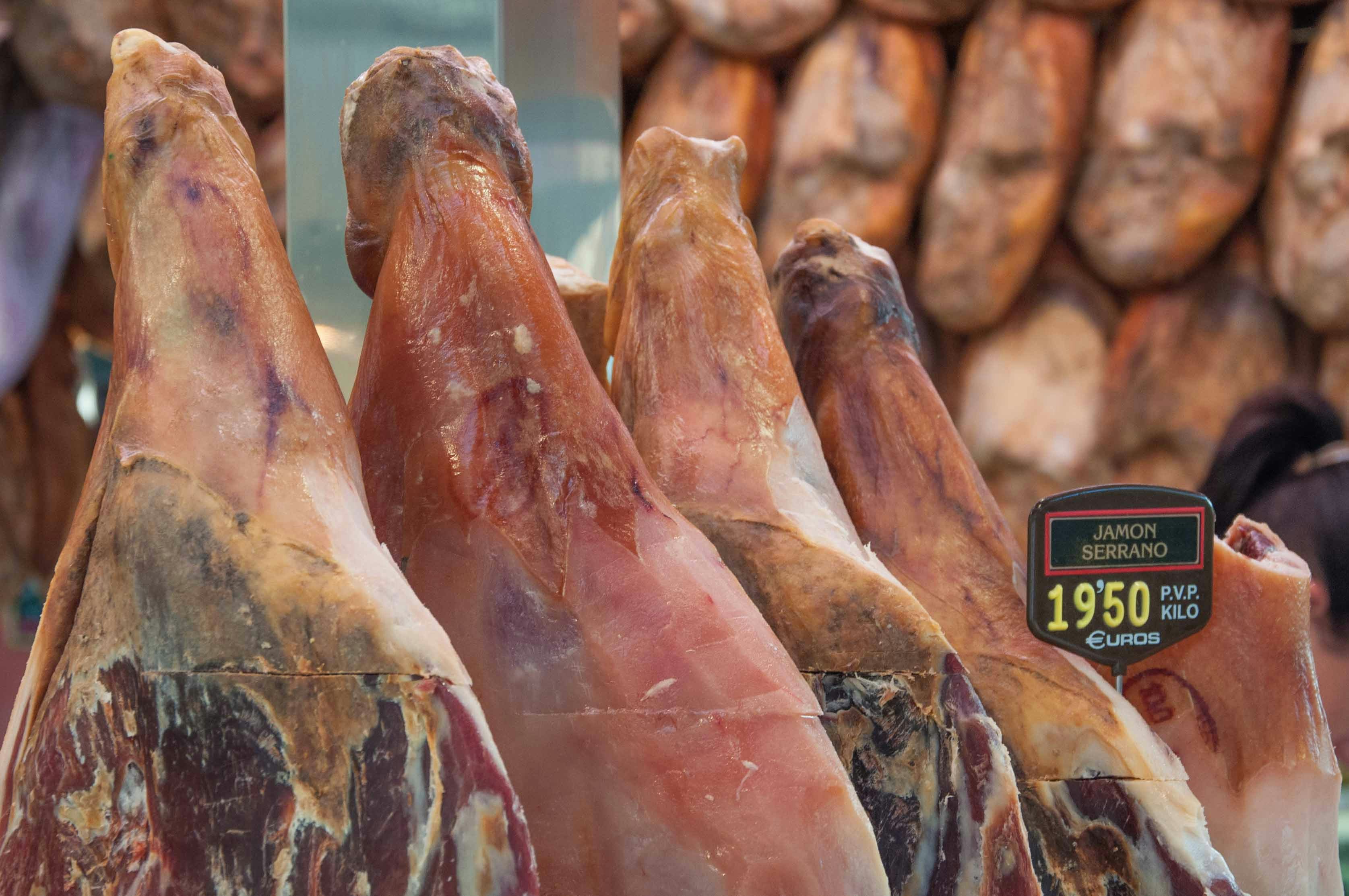
Introduction to Jamón Ibérico
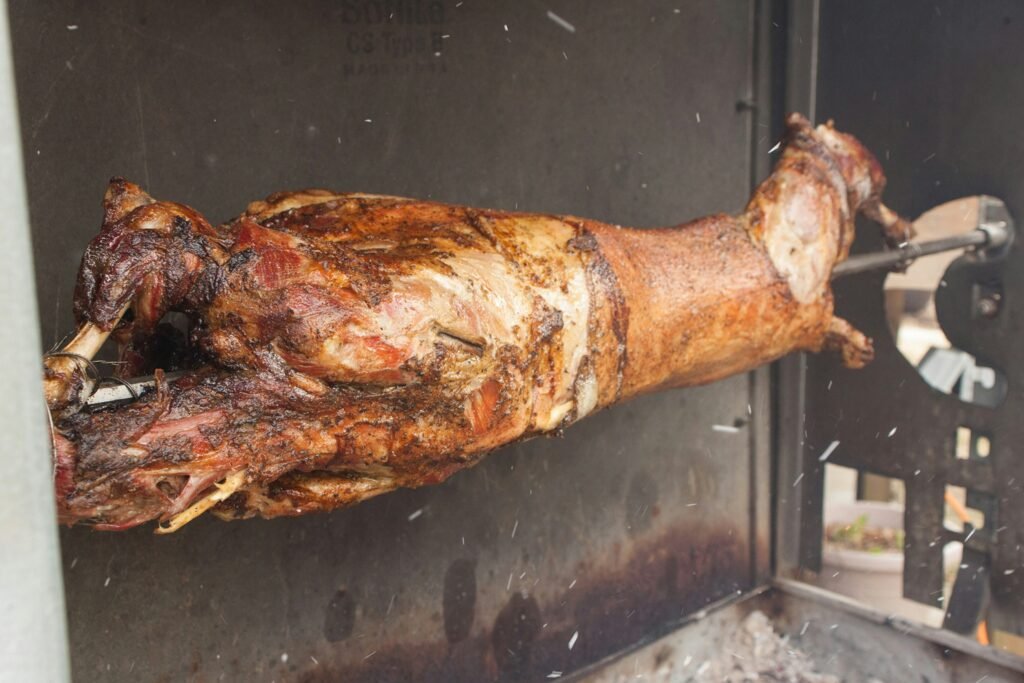
Jamón Ibérico, a prized delicacy hailing from Spain, represents the epitome of the country’s culinary heritage. This exquisite cured ham is produced from the Iberian pig, a breed native to the Iberian Peninsula, renowned for its unique characteristics that contribute to the ham’s unmatched flavor and texture. The roots of Jamón Ibérico trace back to traditional farming practices that have been passed down through generations, emphasizing a strong connection to the land and the Iberian pig’s diet.
There are several types of Iberian pigs, each showcasing distinct qualities that influence the final product. The most notable are the Jamón Ibérico de Bellota, from pigs that sustain themselves on a diet of acorns, and Jamón Ibérico de Cebo, which are raised on a more conventional feed. The free-range grazing of these pigs in the lush landscapes of Spain not only enriches their diet but also contributes to the depth of flavor found in the resulting ham.
The production of Jamón Ibérico is steeped in traditional methods that have evolved over centuries. After the pigs are carefully raised and slaughtered, their hind legs are expertly cured in a controlled environment. This lengthy aging process, which can last from 24 months to over 48 months, allows the meat to develop its richly complex flavors and aromas. Factors such as temperature, humidity, and the quality of the bellota diet significantly impact the final product, underscoring the artisanal nature of this culinary treasure.
Jamón Ibérico is not merely a food item but a cultural symbol intertwined with Spanish identity and traditions. Celebrated for its marbled texture and delicate balance of savory and sweet notes, this delicacy has earned a place on tables worldwide, serving as a testament to Spain’s rich gastronomic legacy. The balance of flavors is a result of the unique Iberian pig breed and meticulous curing techniques, making Jamón Ibérico a must-try for culinary enthusiasts and a highlight of Spanish cuisine.
The Production Process of Jamón Ibérico
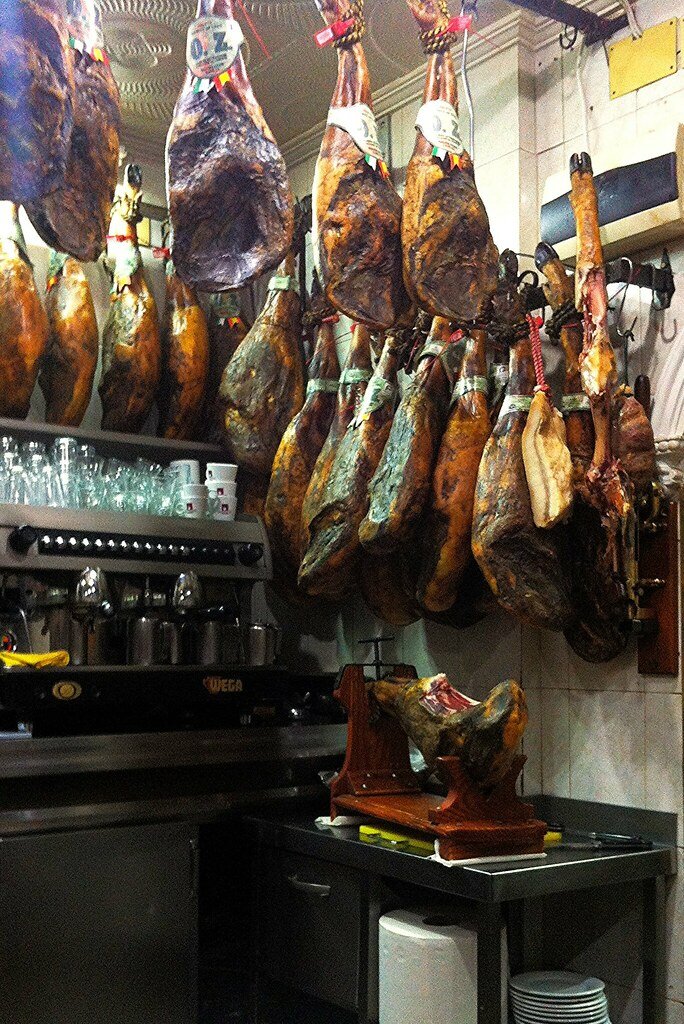
The exquisite taste of Jamón Ibérico is largely attributed to its meticulous production process, which begins with the breeding of the Iberian pigs. These pigs are primarily raised in extensive pastures known as “dehesas,” predominantly located in the southwestern regions of Spain, including Extremadura and Andalusia. These natural environments are rich in oak trees, providing an essential food source for the pigs. The diet of the Iberian pig is paramount to the development of flavor and quality, particularly the acorn-based diet. During the critical “montanera” period, which lasts from autumn to early winter, the pigs forage on acorns, enhancing the fats that create the signature marbling in the ham.
After an intensive feeding period, the next stage of the production process involves the careful slaughtering of the pigs. Following this, the hind legs are subjected to a salting process where sea salt is applied to ensure proper curing. The legs are then stored in a controlled environment to aid moisture extraction. This initial curing phase typically lasts between 60 to 90 days, depending on the specific product designation.
Subsequent to this phase, the hams enter the aging process, which can last anywhere from 24 months to 48 months or even longer for premium products. The aging process not only allows the flavors to deepen but also contributes to the development of complex aromas. Environmental factors such as humidity, temperature, and airflow play a crucial role during this maturation stage. Artisans monitor these elements closely, ensuring optimal curing conditions that affect the flavor profile and texture of the Jamón Ibérico. The craftsmanship involved in this traditional method is what truly distinguishes high-quality Jamón Ibérico, underpinning its reputation as a gastronomic treasure of Spanish culinary heritage.
Tasting Notes: Flavor, Aroma, and Texture
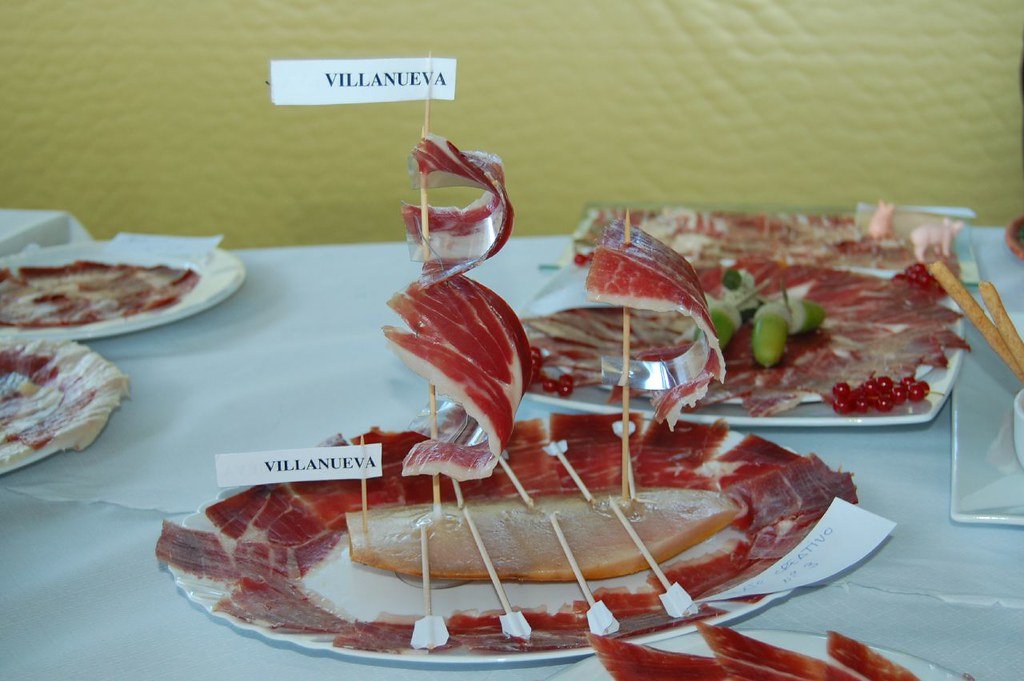
The tasting experience of Jamón Ibérico is a sophisticated journey that engages the senses, revealing a complex interplay of flavors, aromas, and textures. Renowned for its unique characteristics, the flavor profiles of Jamón Ibérico can vary significantly depending on the animal’s diet. Acorn-fed varieties, known as Jamón Ibérico de Bellota, showcase rich, nutty flavors thanks to the acorns that form a substantial part of the pig’s diet. This feeding method not only influences the flavor but also contributes to the marbling of the meat, which enhances the mouthfeel and overall richness.
In contrast, the grain-fed versions exhibit a milder taste, characterized by a sweeter and less complex flavor profile. While they may lack the profound depth of acorn-fed varieties, these versions still offer a delightful tasting experience, making them a suitable option for those new to Jamón Ibérico. Regardless of the type, all Jamón Ibérico presents a savory umami richness, with a touch of sweetness and subtle hints of spice that linger on the palate.
The aroma of Jamón Ibérico plays a critical role in the overall tasting experience. When one takes a moment to appreciate its scent, it reveals aromatic notes ranging from earthy and nutty to slightly fruity, tailored by the pig’s diet and the curing process. High-quality Jamón Ibérico will possess a fragrant bouquet that is enticing and complex.
The texture is equally important in evaluating this Spanish delicacy. Authentic Jamón Ibérico is distinguished by its melt-in-the-mouth quality, where the fat dissolves beautifully against the tongue, creating a silky and luxurious sensation. To fully savor Jamón Ibérico, it is best enjoyed at room temperature, sliced thinly to allow the flavors and aromas to flourish. Pairing with a crusty piece of bread, olives, or a glass of robust red wine can elevate the tasting experience, creating a harmonious blend of tastes that celebrate the essence of Spanish culinary heritage.
Conclusion and Recommendations
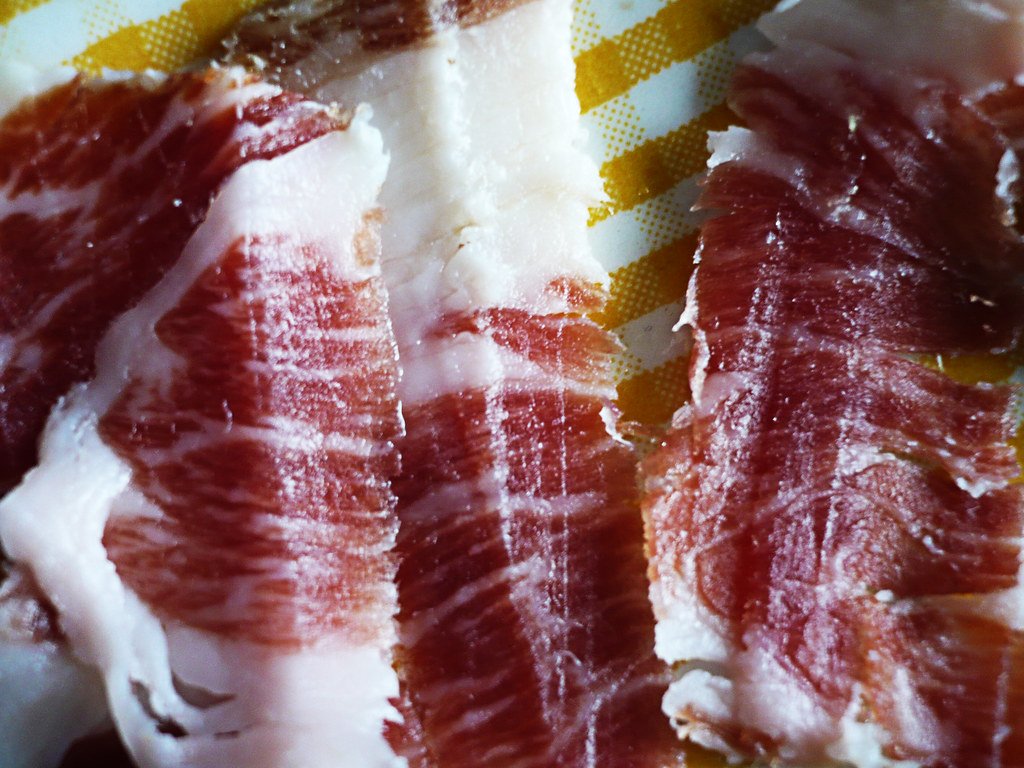
The exploration of Jamón Ibérico has revealed its significant place in Spanish culinary heritage, extending beyond mere gastronomy to embody cultural pride and tradition. This exquisite delicacy, revered for its unparalleled flavor and texture, originates from the acorn-fed Iberian pigs raised in the serene, oak-dense meadows of Spain. The multifaceted characteristics of Jamón Ibérico not only capture the attention of seasoned gourmands but also invite new enthusiasts to experience its unique offerings.
For those wishing to savor Jamón Ibérico, it is essential to source high-quality products. Specialty shops across Spain, particularly in regions like Extremadura and Andalusia, are ideal locations to find authentic varieties. Additionally, several renowned online retailers offer the ability to purchase these prized hams directly, facilitating access for international consumers. When selecting Jamón Ibérico, one should look for the “Dehesa” label, signifying that the ham comes from free-range, acorn-fed pigs, as this designation guarantees the authenticity and superior quality of the product.
Moreover, novice tasters should consider factors such as the age of the ham and the initial flavor notes during sampling. Engaging with knowledgeable producers or attending tasting events can enhance the appreciation of this culinary art. Supporting traditional producers is vital; purchasing from small farms not only assists in preserving the heritage of Jamón Ibérico but also sustains the local economy.
Ultimately, indulging in Jamón Ibérico is an invitation to partake in a rich cultural narrative spanning generations. Whether enjoyed casually or recognized as a gourmet experience, this culinary treasure beckons all to savor its history and craftsmanship. Therefore, I encourage readers to explore the diverse offerings of Jamón Ibérico and immerse themselves in the quality and heritage it represents.