
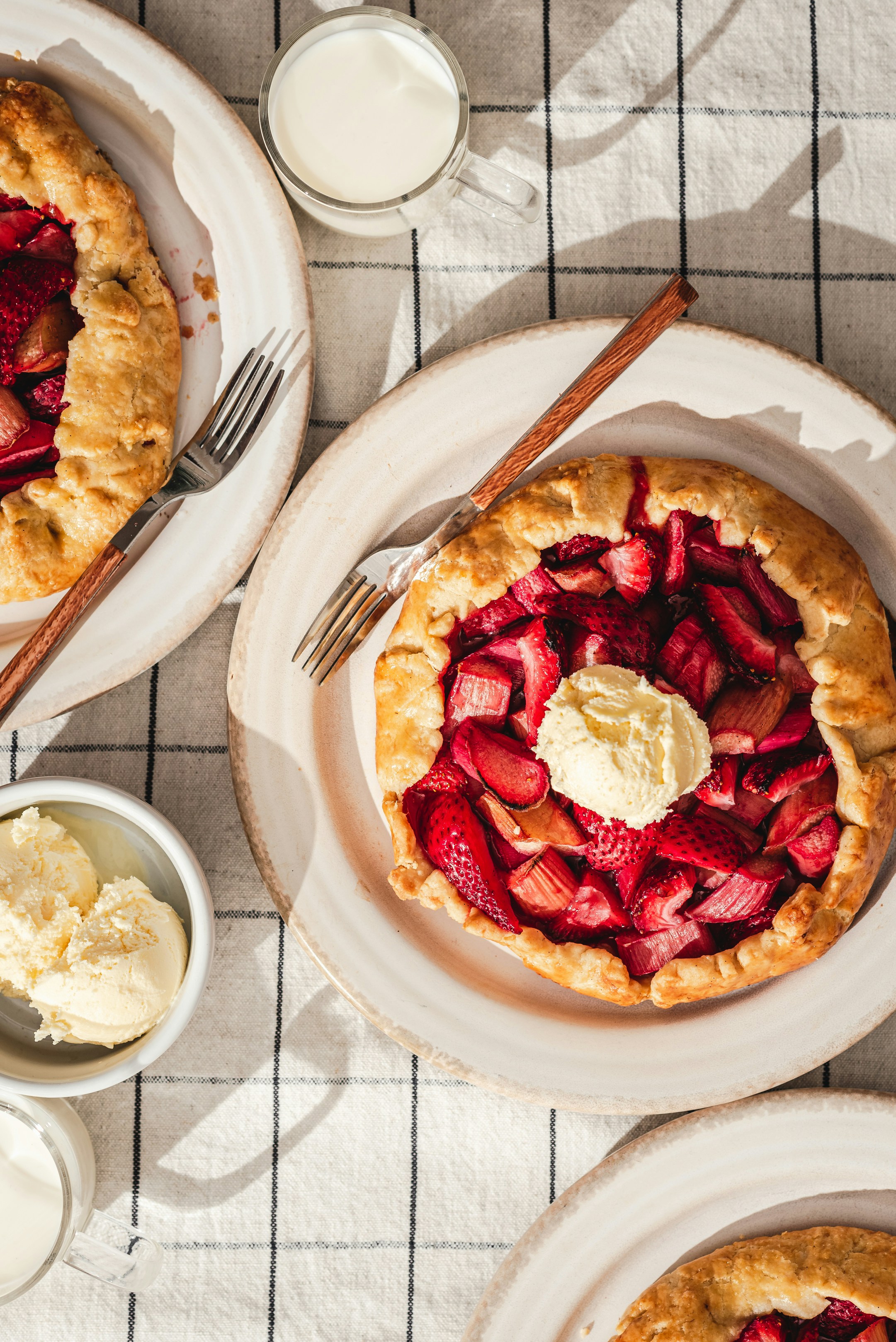
What Are Galettes? An Introduction to the Delightful Dish
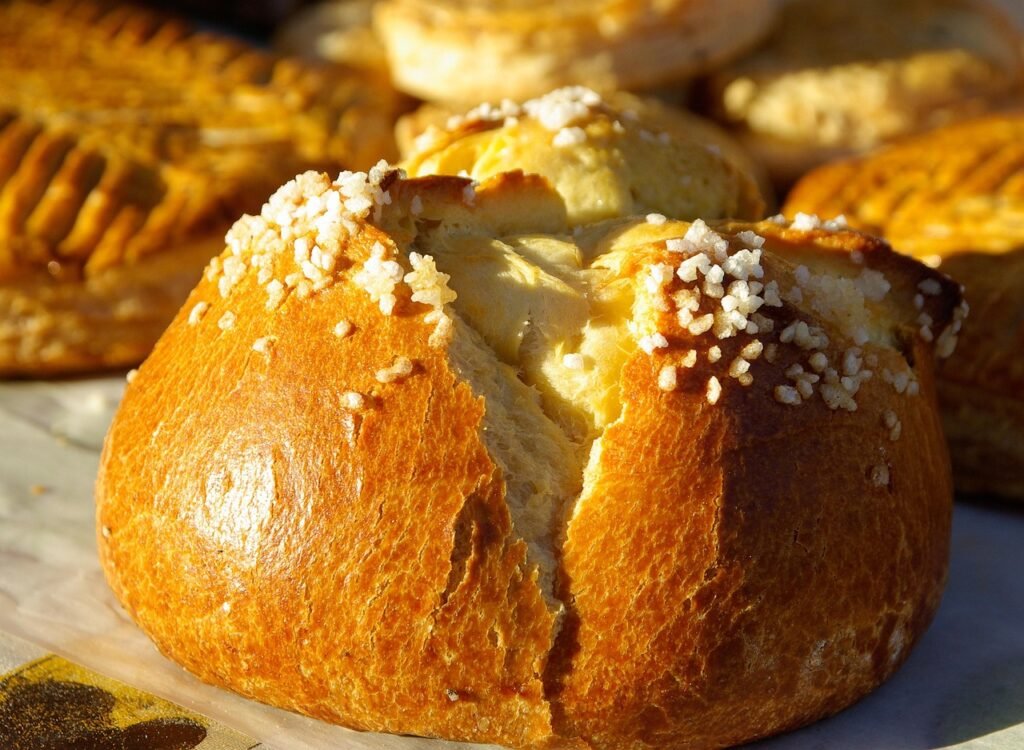
Galettes are a type of rustic cake or flat pastry characterized by their simplicity and versatility in both sweet and savory varieties. Originating from France, these delightful dishes have a rich history that dates back to the Middle Ages, where they were considered a staple in the diets of peasants. The word “galette” itself derives from the Old French term “galet,” meaning a flat stone, reflecting the shape and cooking method traditionally used.
In essence, a galette is a free-form pastry, which can be filled with a variety of ingredients, making it an appealing option for various occasions. The traditional base for galettes is a pastry made from flour, water, and, occasionally, butter or eggs. The dough is rolled out into a freeform shape, often a circular disc, allowing for a rustic, artisanal appearance. The filling can range from fresh fruits, such as apples or berries, in sweet galettes to seasonal vegetables and cheeses in savory versions. This adaptability has allowed galettes to thrive in both home kitchens and professional culinary settings.
Throughout history, galettes have evolved and adapted as they have transcended regional boundaries. In Brittany, for instance, savory galettes made with buckwheat flour are celebrated as a regional specialty known as “galettes de sarrasin.” Conversely, sweet galettes, often made with wheat flour, have gained widespread popularity due to their appeal in numerous French patisseries. Today, galettes are recognized not merely as traditional French fare but also as a beloved dish internationally. Their ease of preparation and ability to accommodate various ingredients have contributed to their enduring popularity among contemporary food enthusiasts.
Types of Galettes: Exploring the Varieties
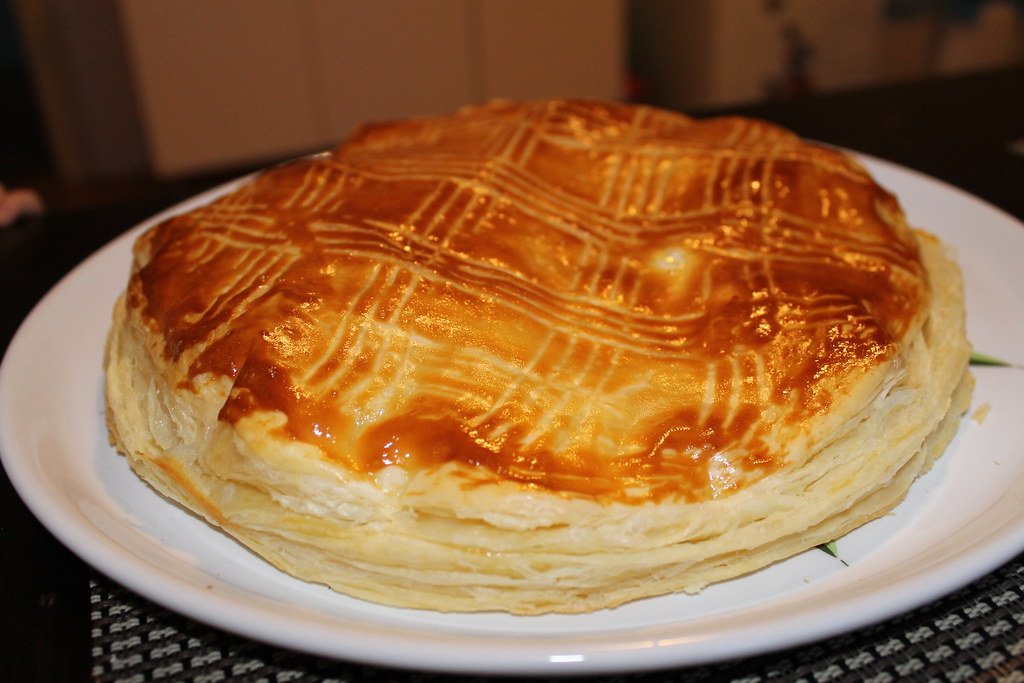
Galettes are versatile culinary creations that encompass a range of types, each offering distinct flavors and textures. The classic Breton galette serves as the cornerstone of this French dish, made primarily from buckwheat flour. This savory version is often filled with ingredients such as ham, cheese, and eggs, providing a hearty meal that is both flavorful and nutritious. While the traditional Breton galette is widely embraced in Brittany, variations can be found across different regions, adapting local ingredients and preferences.
Another notable category is the fruit galette, which leans towards the sweet side of this culinary spectrum. Typically crafted with a flaky pastry crust, fruit galettes feature seasonal fruits such as apples, peaches, and berries. The fruits are often enhanced with spices, sugar, or zests to elevate their natural sweetness, creating a delightful dessert option. This rustic approach allows the fruit to shine while the crust provides a satisfying contrast, appealing to dessert lovers seeking simplicity without compromising taste.
Diving deeper into dessert-style variations, galettes become a canvas for creative interpretations. Pastry chefs frequently experiment with flavors, incorporating ingredients like chocolate, nuts, and cream cheese into their fillings. This touch of innovation results in diverse galette options that demonstrate the flexibility of this dish. Moreover, some variations can incorporate gluten-free ingredients or alternative sweeteners, catering to dietary preferences and expanding their audience.
In essence, galettes represent a rich tapestry of flavors and possibilities. From the rustic charm of Breton galettes to the fruity delights of dessert variations, each type showcases the culinary creativity that this traditional dish embodies. Such diversity encourages both home cooks and professional chefs to explore, innovate, and appreciate the endless potentials of galettes in their culinary journeys.
A Taste Test: Reviewing Popular Galette Spots
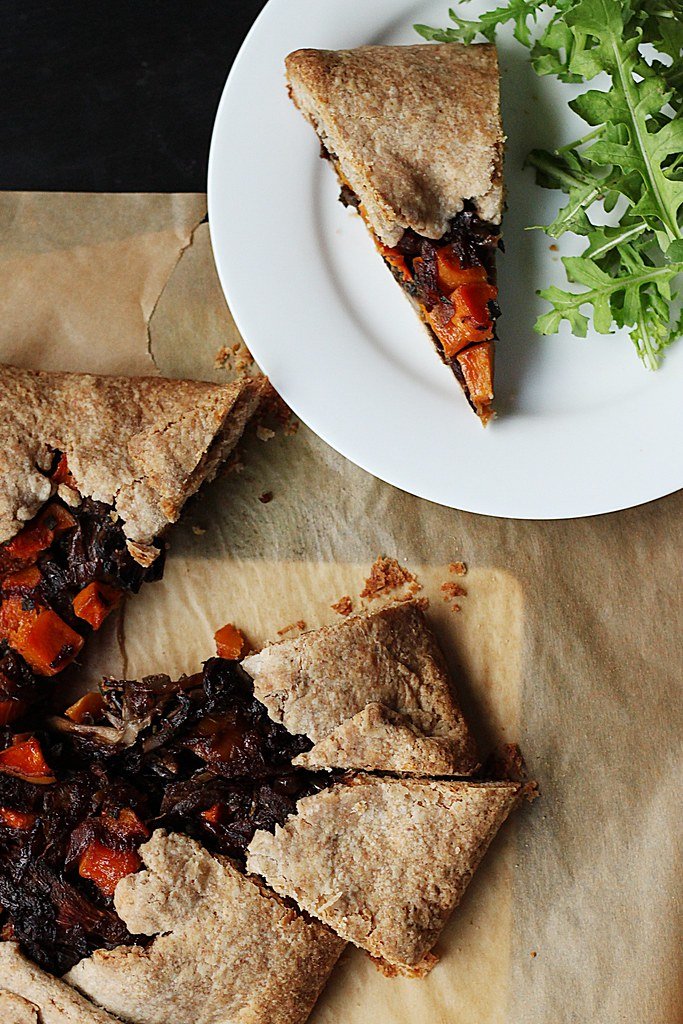
Exploring the world of galettes is a culinary journey that invites food enthusiasts to experience diverse flavors and textures. To provide a comprehensive review, several popular establishments known for their distinctive galettes were evaluated, each offering its own unique charm and approach to this beloved dish.
The first stop on this gastronomic adventure is “La Galette de Ma Mère,” a quaint eatery that celebrates traditional Breton galettes. Upon entering, guests are immediately enveloped in a warm ambiance, with rustic wooden furnishings complemented by charming local artwork. The service is both attentive and knowledgeable, ensuring that patrons receive recommendations tailored to their preferences. Sampling their classic galette complète, featuring ham, egg, and cheese, revealed a delightful balance of flavors that transported our taste buds to Brittany. The buckwheat crêpe was perfectly cooked, delivering a satisfying crunch followed by a wholesome chewiness.
Next, we ventured to “Galettes & Co,” a modern twist on the traditional recipe. With a sleek, contemporary aesthetic, this establishment places a strong emphasis on local and organic ingredients. The staff is eager to guide diners through the extensive menu, which boasts unique flavor pairings. One standout creation was the “Mediterranean Delight,” a galette adorned with grilled vegetables, feta cheese, and a drizzle of herb-infused olive oil. The flavors melded beautifully, showcasing the innovative spirit of the establishment while respecting the essence of the original dish.
Finally, we explored “Sweet & Savory Galettes,” where dessert takes the spotlight. This delightful venue specializes in sweet galettes, including a popular Nutella and banana version. The atmosphere is vibrant and playful, creating an inviting space for dessert lovers. The decadent flavors and soft texture of this particular galette exemplified a perfect ending to a day of galette exploration. These establishments, with their distinct atmospheres and flavor profiles, provide an excellent starting point for anyone eager to indulge in the rich world of galettes.
Making Galettes at Home: A DIY Guide
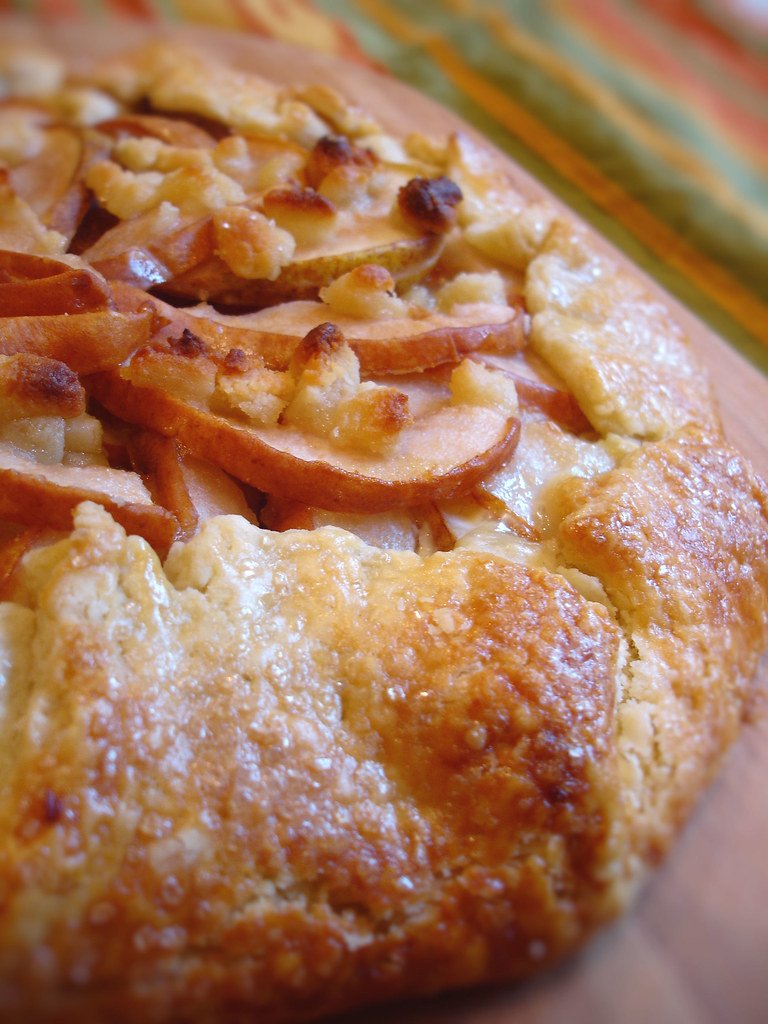
Creating galettes at home is a rewarding culinary experience that can be tailored to personal tastes and preferences. The process begins with preparing the dough. For a basic galette dough, combine 1 ½ cups of all-purpose flour, ½ teaspoon of salt, and 1 stick (½ cup) of cold, unsalted butter cut into small pieces. Use a pastry cutter or your fingers to blend until the mixture resembles coarse crumbs. Gradually add ice water, one tablespoon at a time, until the dough holds together. Form the dough into a disk, wrap it in plastic wrap, and refrigerate for at least 30 minutes.
Once the dough is chilled, it’s time to roll it out. On a floured surface, roll your dough into a rough circle, approximately 12 inches in diameter. The beauty of galettes lies in their rustic appearance, so perfection is not crucial. After rolling, transfer the dough onto a parchment-lined baking sheet and allow it to relax while preparing the fillings.
For the filling, the options are virtually limitless. Seasonal fruits like peaches, berries, or apples work wonderfully for a sweet galette. Simply slice the fruit and toss it with a bit of sugar and lemon juice for flavor enhancement. For savory choices, consider vegetables like zucchini, mushrooms, or roasted tomatoes, combined with cheese and herbs. Spoon the filling onto the center of the dough, leaving a 2-3 inch border.
To achieve an ideal texture and flavor, fold the edges of the dough over the filling, creating pleats. Brush the crust with an egg wash made of an egg and a splash of water for a golden finish. Bake in a preheated oven at 375°F (190°C) for 30-35 minutes, until the crust is golden brown and the filling is bubbling.
Galettes can be paired with a variety of sides and beverages. Consider serving them with a dollop of crème fraîche or vanilla ice cream for desserts, and a fresh salad or a glass of white wine for savory versions. This versatility makes galettes an enjoyable option for any meal, allowing home cooks to indulge in a dish both hearty and comforting.