
The Origin of Hot Pot: A Culinary Tradition
The culinary tradition of hot pot, with its communal cooking style, dates back to ancient China, where it served not just as a meal, but as a social gathering. The roots of hot pot can be traced to the Han Dynasty (206 BCE – 220 CE) when nomadic tribes along the northern borders began using cauldrons to cook fresh ingredients over open flames. This practice highlighted a significant aspect of hot pot: the sharing of food, fostering community and familial bonds.
As the centuries progressed, the concept of hot pot evolved, influenced by regional climates, available ingredients, and cultural interactions. For instance, in the northern territories, a simpler broth was favored, utilizing abundant meats, whereas southern provinces embraced a more diverse array of vegetables, seafood, and aromatic herbs, enriching the flavor profiles and overall experience. The adaptability of hot pot is a testament to its cultural significance and versatility across different regions of China.
Throughout various dynasties, hot pot gained popularity and underwent several transformations. The Song Dynasty (960 – 1279) marked a period where hot pot began to be associated with leisure, often enjoyed by elite circles during social gatherings. The Mongolian influence during the Yuan Dynasty (1271 – 1368) further diversified its appeal, as they introduced new cooking elements and infused their traditions into the dish. The amalgamation of these historical influences allowed hot pot to transcend geographical boundaries, creating distinct regional variations such as Sichuan and Cantonese styles, each boasting unique broths and cooking methods.
The journey of hot pot reflects not only a culinary tradition but also a rich cultural tapestry, weaving together history, community, and the evolution of cooking practices. From its origins as a communal meal among nomadic tribes to its esteemed status in modern cuisine, hot pot continues to be a beloved dish that embodies togetherness and cultural heritage.
Cultural Significance of Hot Pot: More Than Just a Meal
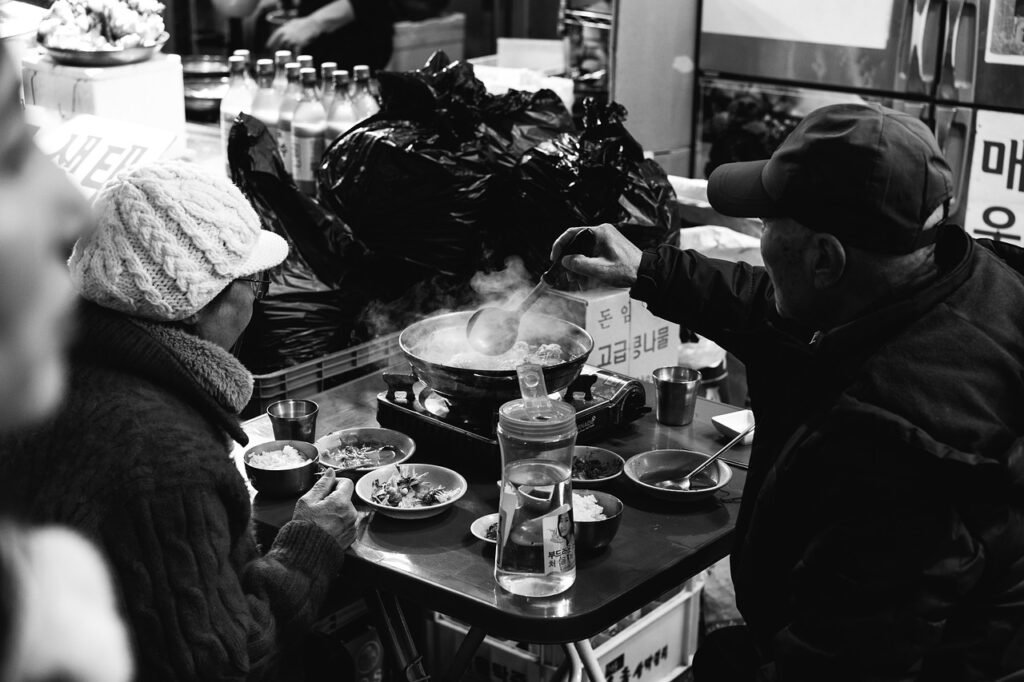
Hot pot is not merely a culinary dish; it embodies a deep cultural significance that transcends the preparation and consumption of food. Rooted in communal dining traditions, hot pot serves as an important vessel for social bonding and familial connections. The very act of gathering around a bubbling pot fosters an environment where shared experiences flourish, providing an opportunity for families and friends to bond as they cook and enjoy their meals together. This collaborative dining style encourages conversation, laughter, and a celebration of community, establishing it as an integral part of social rituals in numerous cultures.
Dining etiquette associated with hot pot is rich and multifaceted. Participants are often involved in selecting fresh ingredients, which can vary widely from meats and seafood to an array of vegetables and noodles. This collaborative selection process emphasizes personal choice and communal participation, further enriching the dining experience. Traditional customs dictate that the host takes on the responsibility of managing the cooking process, while guests are encouraged to interact with one another, exchanging stories and highlights from their lives as they share delicacies directly from the pot. Such rituals strengthen relationships and cultivate networks within families and among friends.
In recent years, hot pot has experienced a global spread, captivating food enthusiasts and cultures beyond its origins. Variations of hot pot have emerged worldwide, each reflecting local customs and ingredients. For instance, in Japan, a popular adaptation known as “shabu-shabu” has developed, while Korean cuisine features “jeongol,” a unique interpretation of hot pot. This adaptability speaks to the universal appeal of hot pot as a communal feast, making it a cherished practice that resonates with diverse groups, from traditional gatherings to modern social events.
Exploring the Varieties of Hot Pot: A Culinary Adventure
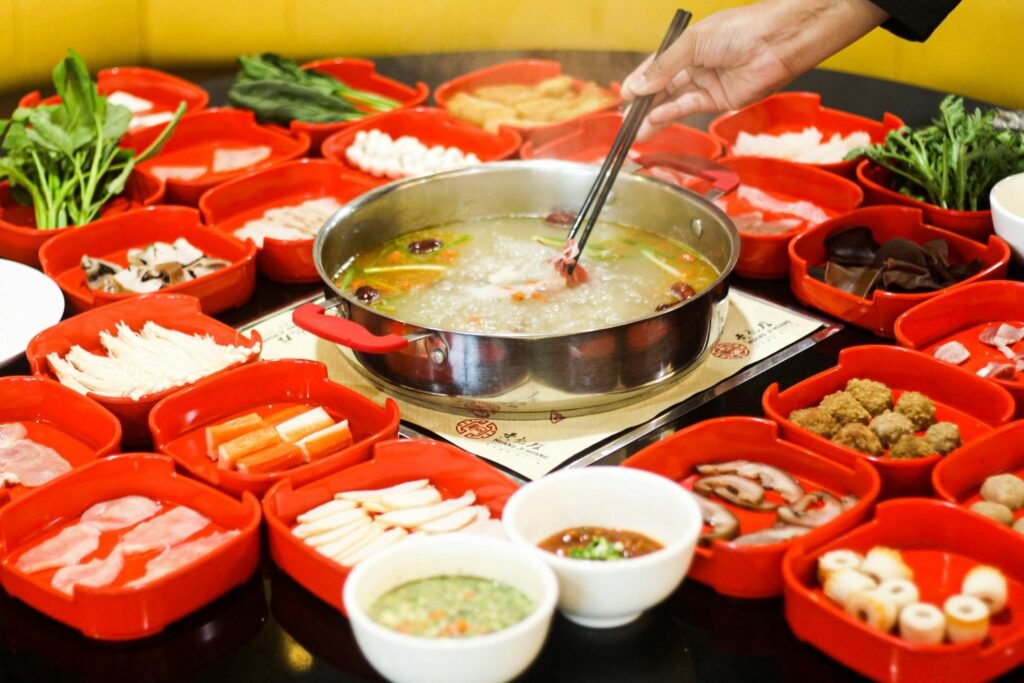
Hot pot is a beloved culinary tradition that boasts a rich variety of regional interpretations, each offering a unique taste and experience. Among the most notable is Szechuan hot pot, renowned for its bold and spicy flavor profile. The hallmark of Szechuan hot pot is its fiery broth, often enhanced with Sichuan peppercorns, garlic, and chili oil. Diners immerse raw ingredients like thinly sliced beef and fresh vegetables into the bubbling broth, resulting in a comforting meal that tantalizes the palate.
In contrast, Mongolian hot pot brings forth a simpler approach, emphasizing savory broths infused with lamb or beef. It is common for diners in Mongolia to use a communal pot where meat, noodles, and an array of vegetables are cooked together. This method promotes sharing and embodies the social essence of dining, making it a popular choice in family gatherings.
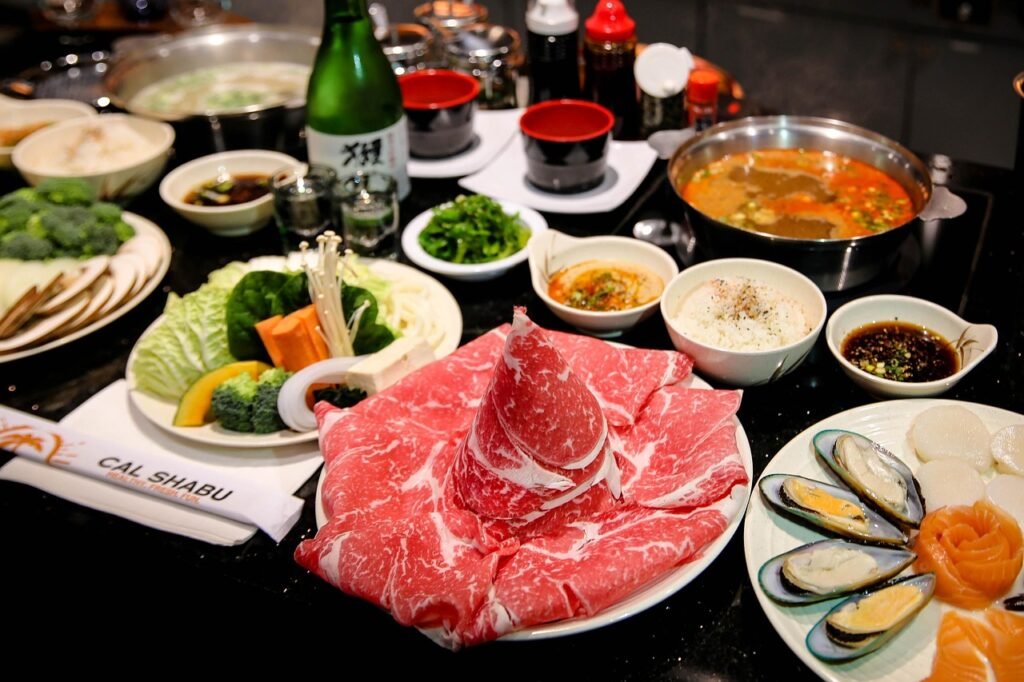
Japanese shabu-shabu offers yet another unique experience where diners cook their ingredients rapidly in a light dashi broth. The name itself is derived from the sound of ingredients being swished back and forth in the pot. Traditional accompaniments include tofu, mushrooms, and an assortment of vegetables, served with dipping sauces like ponzu or sesame. Notably, shabu-shabu emphasizes freshness, with diners typically selecting high-quality cuts of meat to enhance the meal’s overall flavor.
Lastly, Korean jeongol presents a vibrant array of ingredients arranged beautifully in a hot pot, often with a rich and savory broth that may include gochujang (Korean red pepper paste) for added depth. This style is particularly festive, ideal for socializing, where diverse ingredients from seafood to various types of meat and vegetables are shared among family and friends.
These diverse styles of hot pot showcase the culinary adaptability and significance of communal eating practices found in many cultures. As each region offers its own interpretation, exploring these varieties is a true adventure for the taste buds, encouraging enthusiasts to delve into the enchanting world of hot pot.
Food Review: A Hot Pot Experience to Savor
Visiting Hot Pot Delight, a renowned establishment known for its vibrant atmosphere and attentive service, provided a remarkable culinary experience that left a lasting impression. The ambiance offered a lively mix of traditional Chinese elements and modern design, creating a welcoming environment perfect for both newcomers and seasoned hot pot enthusiasts. Upon arrival, we were promptly greeted by friendly staff who guided us through the menu, enabling a delightful start to our hot pot journey.
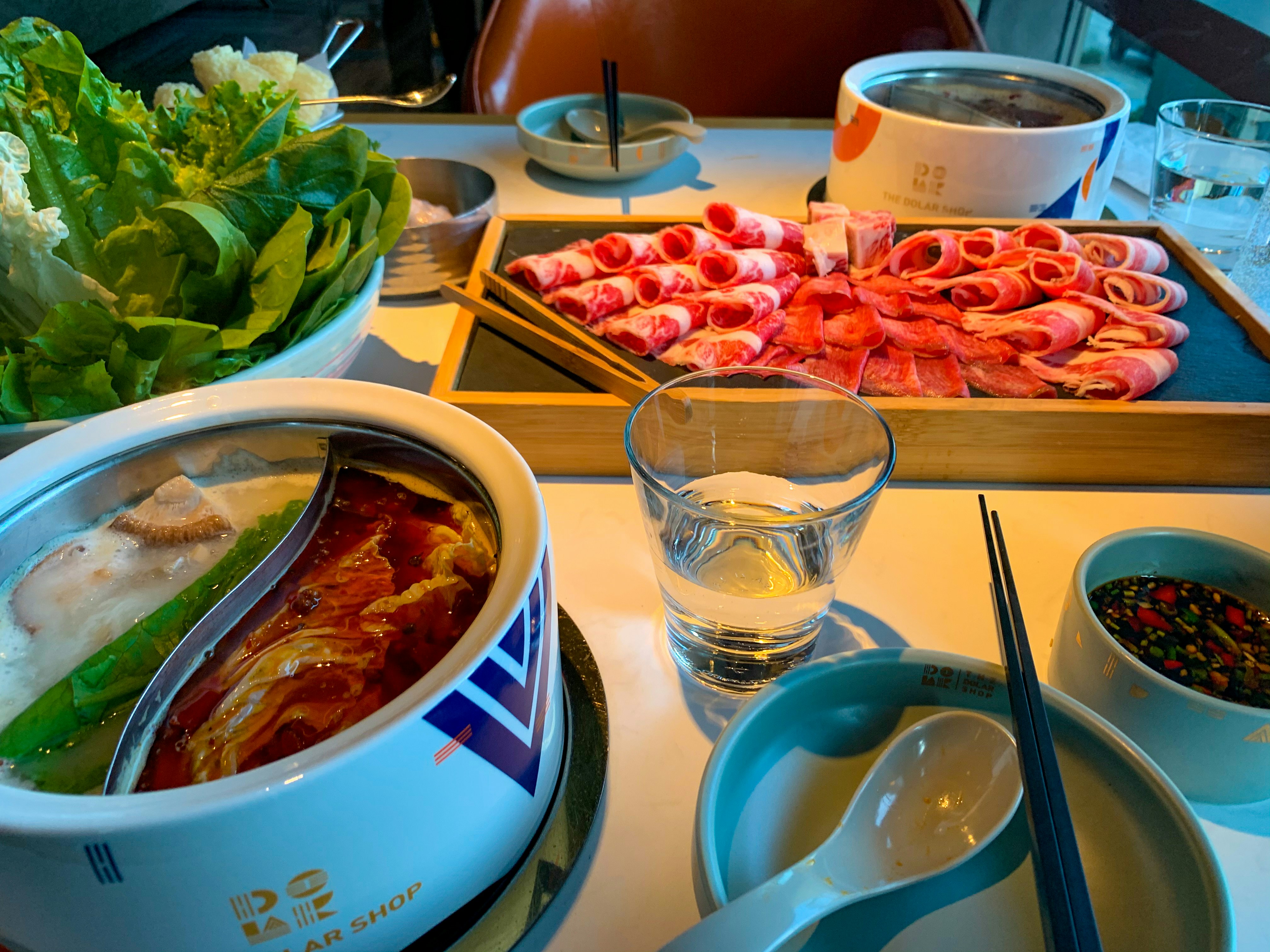
The restaurant boasted an impressive selection of broths. We opted for the classic spicy Sichuan broth and a milder, fragrant herbal broth, which offered a balanced contrast. The spicy broth was a robust concoction infused with spices, providing a fiery warmth that lingered pleasantly on the palate. Alternatively, the herbal broth was a soothing blend replete with aromatic herbs that complemented the fresh ingredients beautifully.
The quality of ingredients is paramount in a hot pot experience, and Hot Pot Delight did not disappoint. The thinly sliced meats, including tender beef and succulent lamb, were impeccably fresh, while the assortment of vegetables and handmade noodles enhanced the meal’s textural variety. The seafood selection, featuring prawns and squid, proved to be equally remarkable, exhibiting freshness that highlighted the inherent flavors of each item.
Cooking at the table added an interactive element to the dining experience, allowing us to personalize each dish according to our preferences. The process of selecting ingredients and watching them cook in the bubbling broth was both engaging and enjoyable. We found that dipping sauces, ranging from sesame oil to a spicy chili mix, were essential for enhancing the flavors further.
For those planning to visit, I recommend ordering a mix of meats, vegetables, and noodles to experience a full spectrum of flavors. Additionally, pacing the cooking process, starting with the denser items, followed by quicker-cooking vegetables, ensures a well-timed meal. Overall, Hot Pot Delight serves not only a meal but a memorable experience steeped in flavor and culture.