
The Historical Roots of Hummus
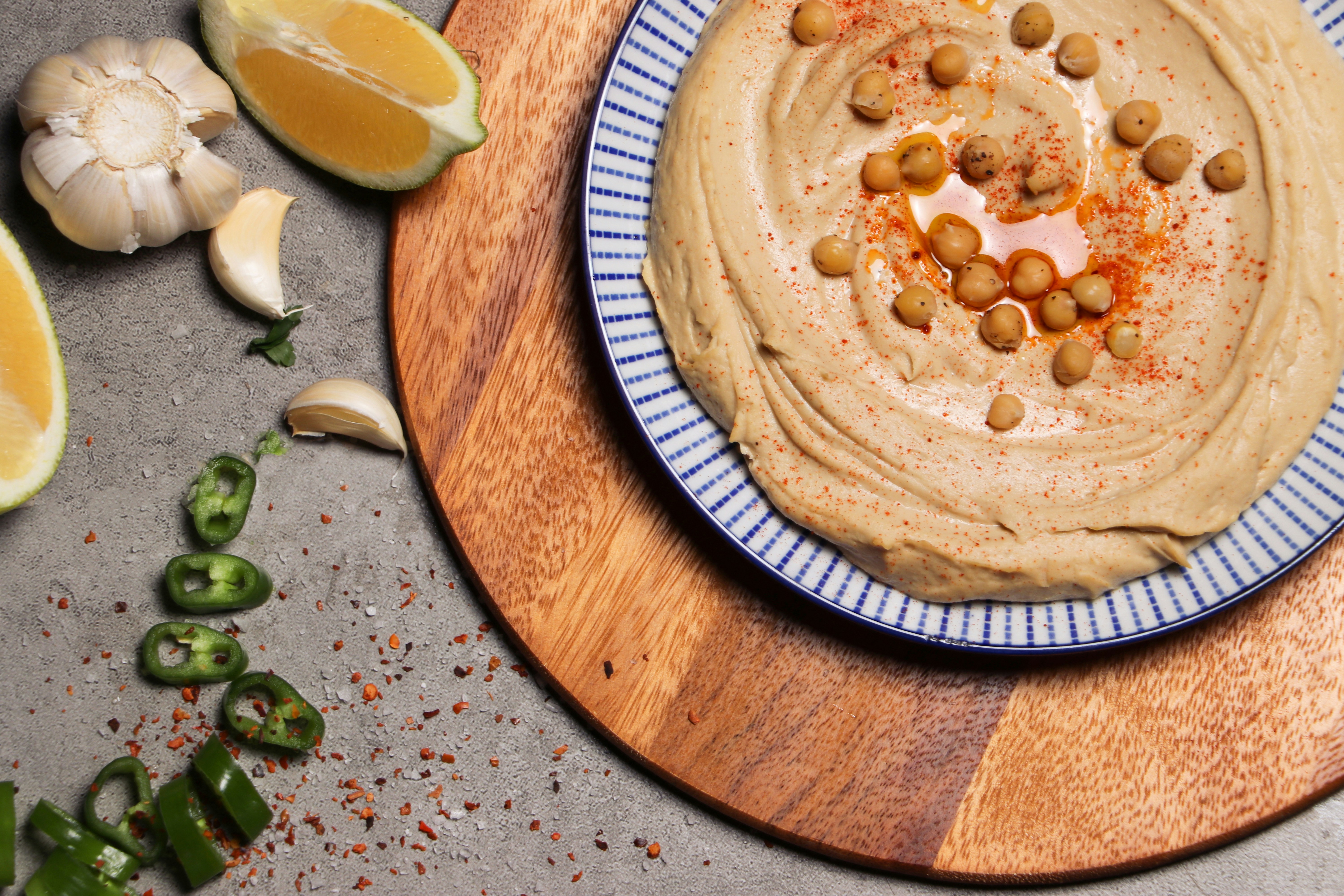
Hummus, a delicious dip made primarily from chickpeas, tahini, lemon juice, and garlic, has deep historical roots in the Middle East. The earliest references to a dish resembling hummus can be traced back to 13th-century cookbooks in the Levant region, which encompasses modern-day countries such as Lebanon, Syria, and Palestine. This ancient recipe illustrates a long-standing culinary practice that has evolved over centuries, revealing the rich cultural tapestry of the region.
Hummus is not merely a food item; it carries significant cultural and historical weight. In various societies, it has served as a symbol of hospitality and community, often prepared during festive occasions or gatherings. The simplicity of its ingredients belies the deep connections it fosters among people sharing a meal. As trade and migration patterns evolved, so did the recipes for hummus, allowing it to adapt to diverse culinary traditions while retaining its core essence.
Different countries claim to have given birth to this cherished dish, with Lebanon, Israel, and Turkey among the primary contenders. Each nation embraces hummus as a cultural staple, and the pride associated with its origins contributes to its rich heritage. The Lebanese assert that their version is the most authentic, while Israelis promote their own interpretations and highlight its presence in modern culinary practices. Turkey, too, boasts a long history of chickpea dishes, including variations similar to hummus.
The debate over the rightful origin of hummus exemplifies not just a culinary rivalry but also a shared narrative of cultural identity and pride. As hummus gains popularity worldwide, it serves as a delicious reminder of the interconnected histories of people across the Middle East and beyond, showcasing how food can transcend borders, forging connections between diverse cultures.
Ingredients and Preparation: What Makes Hummus Special
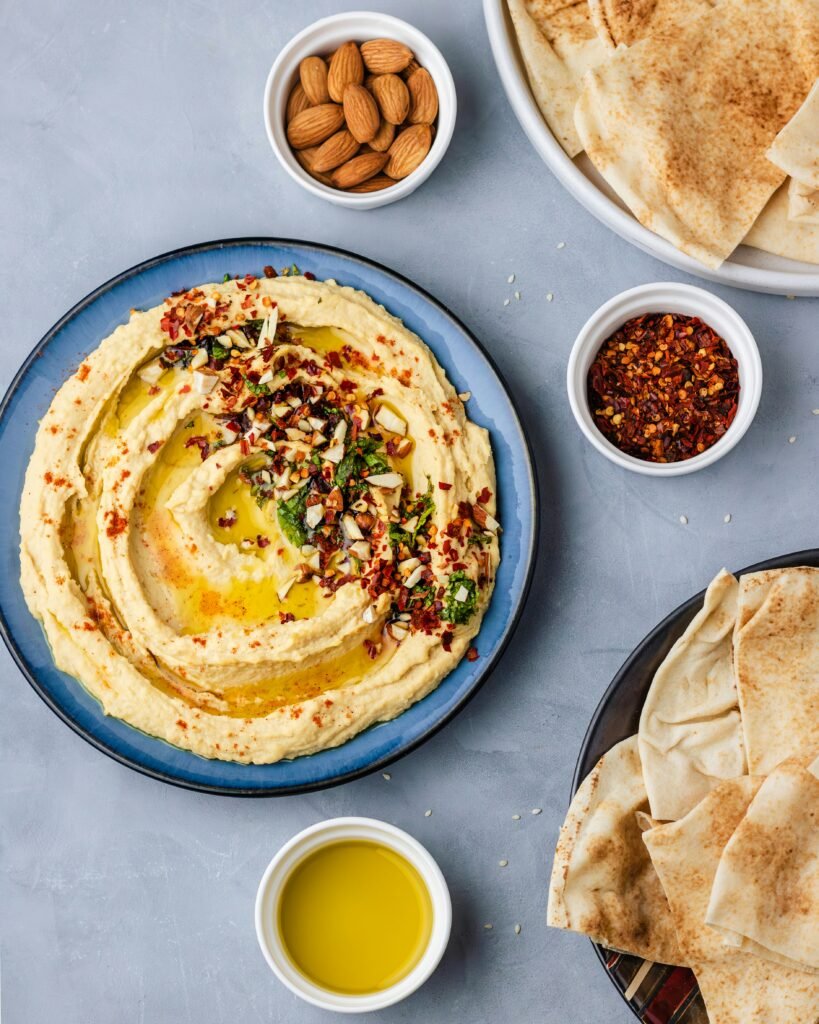
Hummus, a beloved dip originating from the Levant region, is crafted from a few key ingredients that contribute to its distinctive flavor and texture. At its core, classic hummus comprises chickpeas, tahini, olive oil, garlic, and lemon juice. Each ingredient not only enhances the overall taste but also plays a crucial role in the nutritional profile of this dish.
Chickpeas, also known as garbanzo beans, serve as the foundational element of hummus. They deliver a creamy texture and offer a good source of protein and dietary fiber, making hummus a nutritious choice. The choice of chickpeas can vary, with some recipes opting for dried chickpeas that have been soaked and cooked, while others utilize canned varieties for convenience. The method of preparation can affect the taste and consistency, with some insisting that cooked chickpeas yield a smoother, richer dip.
Tahini, a paste made from ground sesame seeds, adds a nutty flavor that complements the chickpeas. Its creamy consistency contributes to hummus’s velvety texture. The quality of tahini can vary significantly; high-quality tahini can elevate the dish, enhancing its overall taste profile. Olive oil, often drizzled on top before serving, not only enriches the flavor but also provides healthy fats, reinforcing hummus’s status as a heart-healthy food.
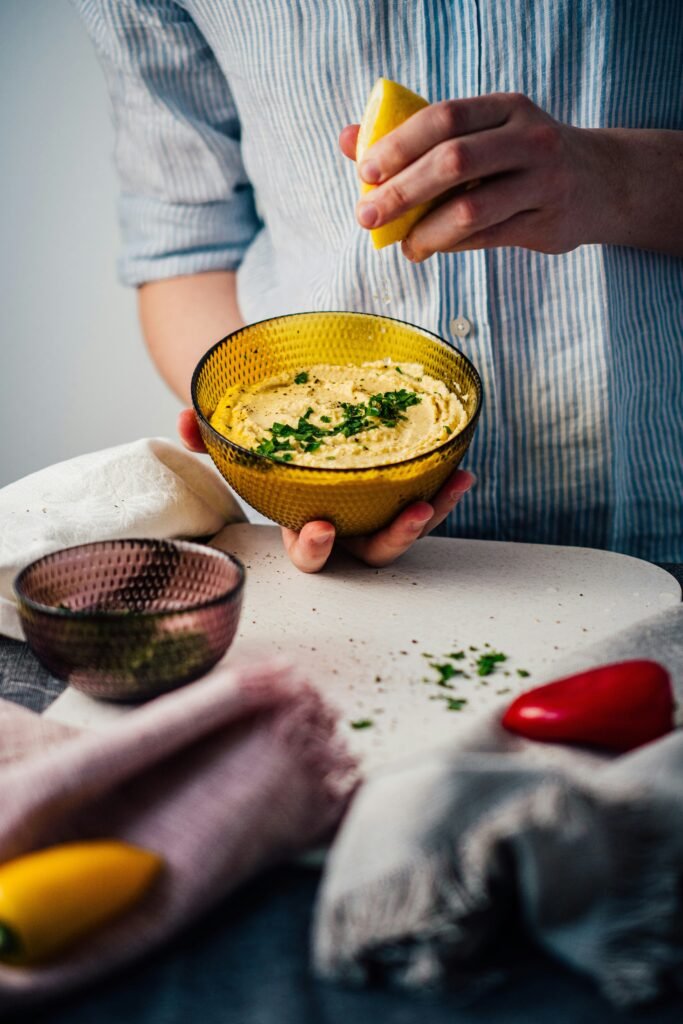
Garlic introduces a pungent kick, with the amount used being a matter of personal preference. Fresh garlic is typically favored for its bold flavor, although some recipes might call for roasted garlic to impart a milder, caramelized taste. Lemon juice adds acidity, balancing the richness of the tahini and providing brightness to the dish. While these core components remain consistent in traditional evaluations, regional variations may include additional spices or herbs, like cumin, paprika, or parsley, reflecting local tastes and culinary traditions.
Modern interpretations of hummus may also incorporate a variety of flavors such as roasted red peppers or herbs, showcasing the versatility of this classic dish. This evolution highlights how traditional recipes are continuously adapted, with each variation offering a unique perspective on this ancient staple.
The Taste Test: Hummus Reviews from Around the World
Hummus has emerged as a global favorite, captivating palates with its creamy texture and rich flavor profiles. In this taste test, we delve into various hummus brands and homemade versions, examining how their distinct ingredients contribute to differing tastes and textures. Our reviews span classic, spicy, and gourmet hummus, showcasing the vast array available in the marketplace and home kitchens alike.
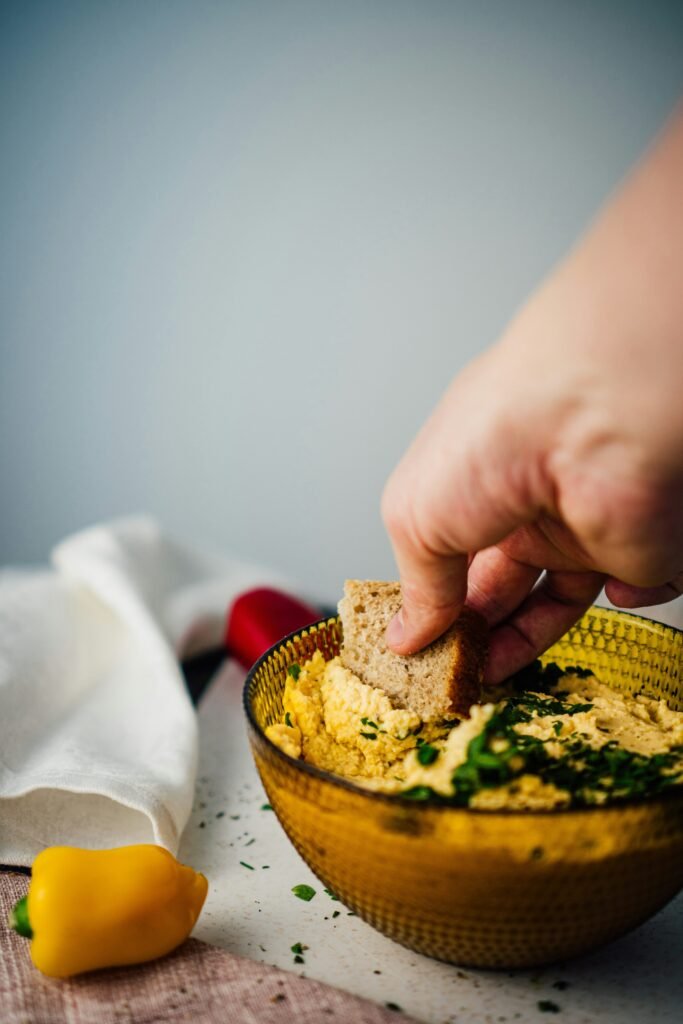
Starting with classic hummus, one of the most prominent brands, Sabra, offers a smooth and creamy texture with a balanced flavor. These attributes make it an excellent choice for individuals seeking an authentic taste without overwhelming spices. Conversely, homemade versions, crafted with fresh ingredients, often boast a more robust flavor profile. Many home cooks experiment with the ratio of tahini to chickpeas, impacting not only the taste but also the texture of the final product. For instance, some may prefer a chunkier consistency that adds a delightful contrast to the smoothness typically found in store-bought varieties.
Transitioning to spicy hummus, brands such as Hope Foods provide an intriguing take on traditional flavors by incorporating roasted red peppers or jalapeños. These variations introduce a delightful heat, capturing the attention of those who seek more adventurous tastes. Conversely, homemade spicy hummus allows for customization, encouraging experimentation with spice levels according to personal preference. This flexibility enables individuals to create a bold dip that perfectly aligns with their flavor preferences.
Lastly, gourmet hummus options, such as those offered by Lantana, incorporate unique ingredients such as beet or edamame, providing an innovative twist on classic flavors. These variations expand the hummus realm, inviting consumers to explore beyond the conventional. The growing interest in hummus as a versatile food item reflects its adaptability across cultures, while also highlighting individual tastes in flavor and texture.
Hummus in Modern Cuisine: Trends and Innovations
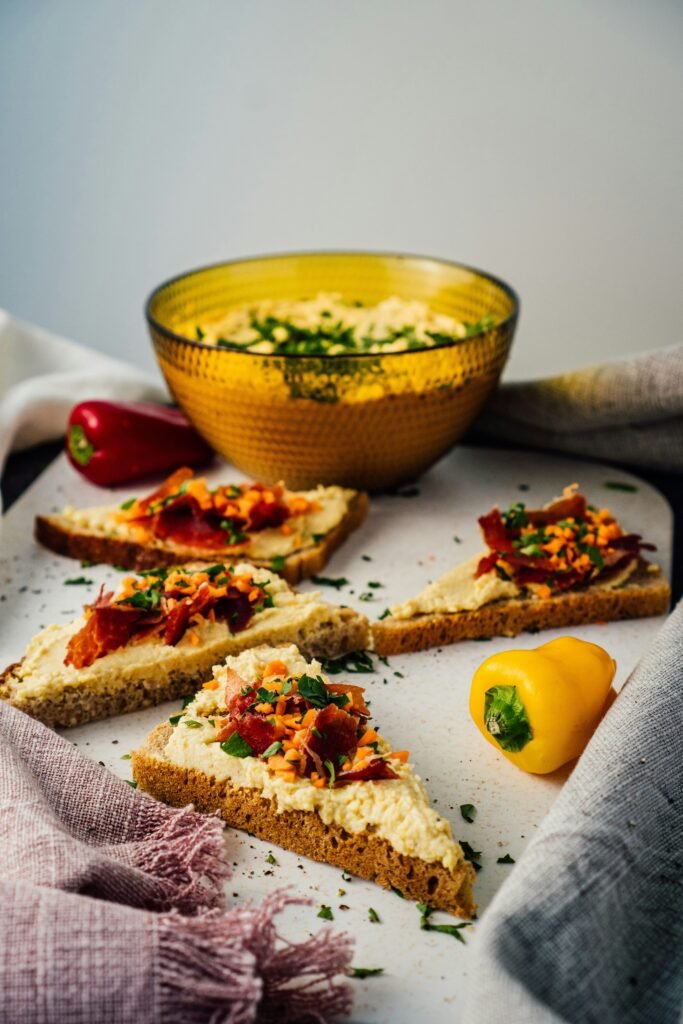
Hummus has seen a remarkable resurgence in modern cuisine, transitioning from a traditional Middle Eastern staple to a favored item in appetizing menus worldwide. This versatile dip has gained significant popularity as a health food, largely due to its rich nutritional profile, making it a suitable option for those adhering to specific diets, such as veganism and gluten-free regimens. As consumers become increasingly health-conscious, hummus stands out as a source of plant-based protein, fiber, and essential vitamins.
Culinary innovation surrounding hummus has flourished in recent years. Chefs and home cooks alike are exploring an array of creative flavors, incorporating ingredients like roasted red pepper, garlic, and exotic spices to elevate traditional recipes. There is also a trend towards incorporating unique toppings and pairings, such as smoked paprika, harissa, and even artisanal oils. This experimentation with flavors not only enhances the taste experience but also caters to diverse palates, which has led to a broader acceptance of hummus in various culinary circles.
The social aspect of hummus cannot be overlooked. Often served in gatherings and communal meals, it acts as a symbol of shared experiences, uniting people around a dish that encourages togetherness. This communal presentation aligns with the growing trend of social dining, where food is not merely sustenance but a means to foster connections. Additionally, as more restaurants capitalize on container sales and takeout options, hummus has become a convenient option for those looking to maintain social interactions while catering to a busy lifestyle. In the modern food scene, hummus not only represents health and innovation but also embodies the spirit of community and shared enjoyment of cuisine.