
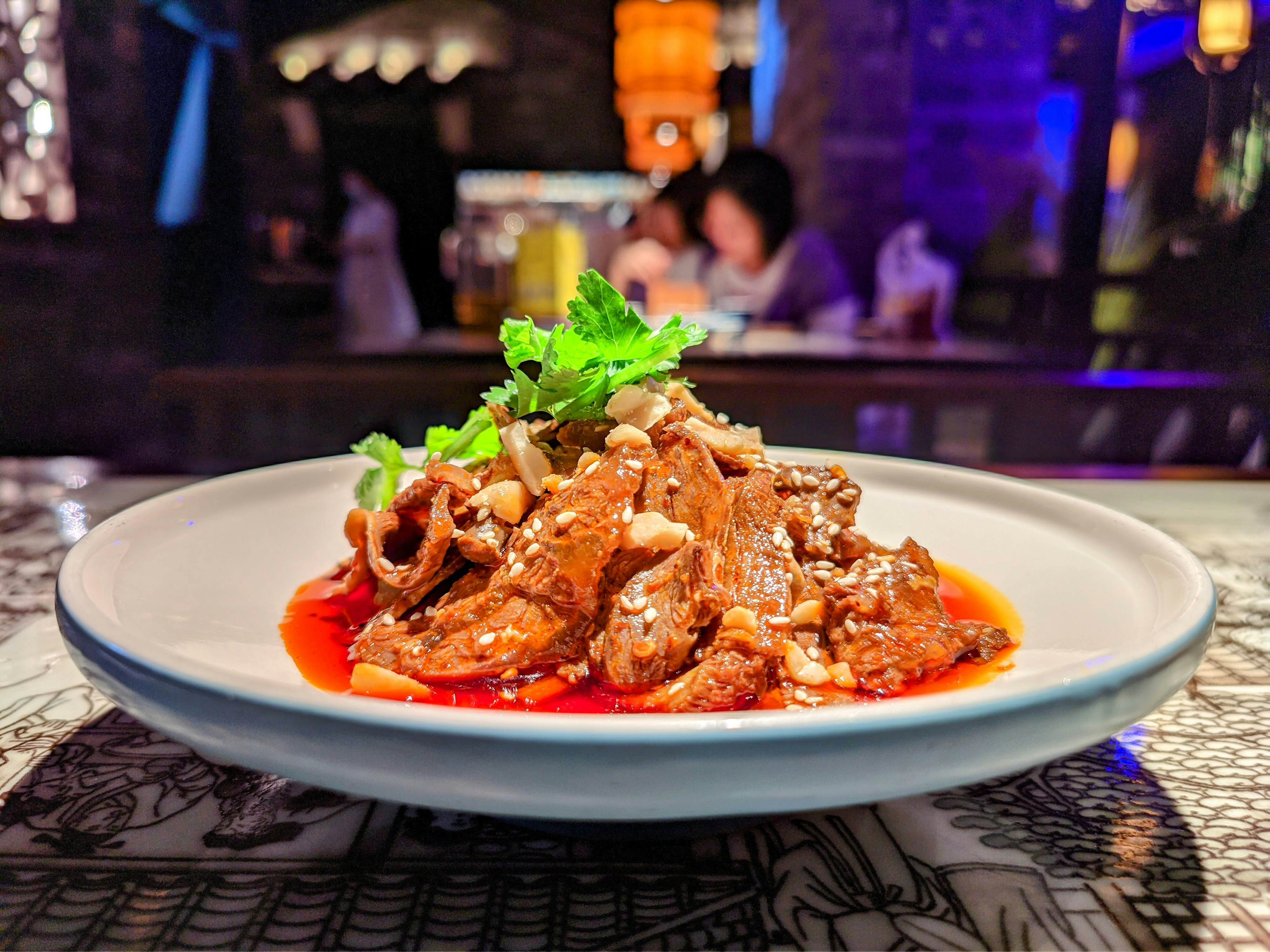
What is Nihari? An Introduction to the Dish
Nihari is a slow-cooked stew hailing from the Indian subcontinent, particularly popular in Pakistan, India, and Bangladesh. Traditionally, Nihari is made with beef, although variations with goat, lamb, or chicken are also prevalent. The dish is characterized by its rich, flavorful broth that incorporates a unique blend of spices, making it a cherished culinary experience for many. Essential spices include cumin, coriander, ginger, garlic, and a special Nihari masala, which varies by region but typically includes elements such as cardamom, cloves, and nutmeg.
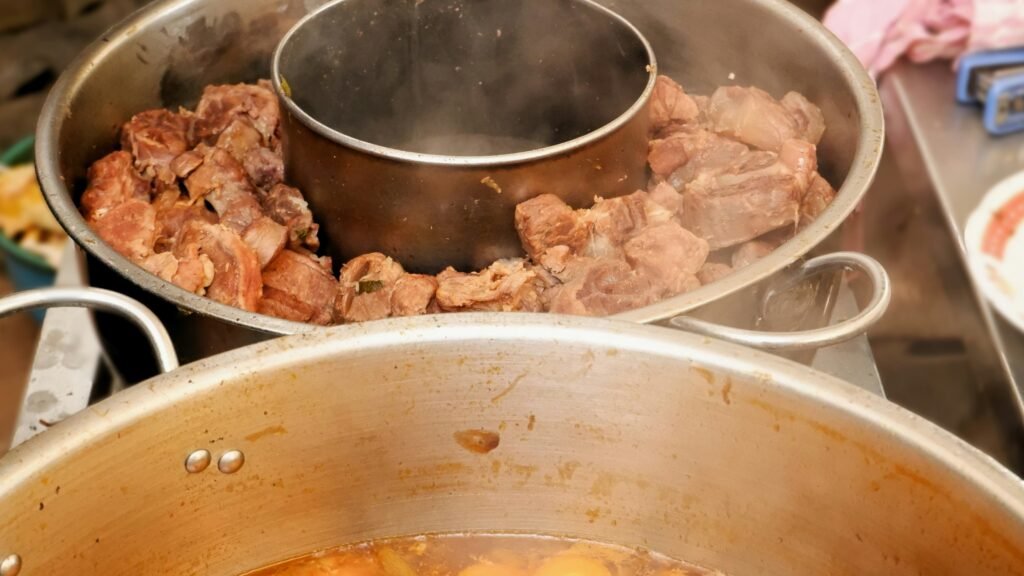
The preparation of Nihari involves simmering meat overnight, allowing the flavors to deeply penetrate the meat and produce a tender texture. This lengthy cooking process not only enhances the taste but is also a nod to its origins as a breakfast dish. In many cultures where Nihari holds a place of significance, it is often served early in the morning, sometimes alongside naan or paratha. Traditional garnishes such as chopped cilantro, sliced green chilies, and a squeeze of lime add freshness and enhance the overall flavor profile.
Nihari varies considerably across different regions, with each locality imbuing the dish with its unique ingredients and cooking techniques. In northern India, for example, Nihari is often thicker and has a more complex spice blend. Sindhi Nihari, on the other hand, is known for its use of additional herbs and a different balance of spices. In Pakistan, Nihari is revered not just for its taste but also for its historical significance, often associated with royal kitchens. This diversity in preparation methods and ingredients showcases the adaptability and regional pride surrounding this beloved dish.
The Historical Roots of Nihari
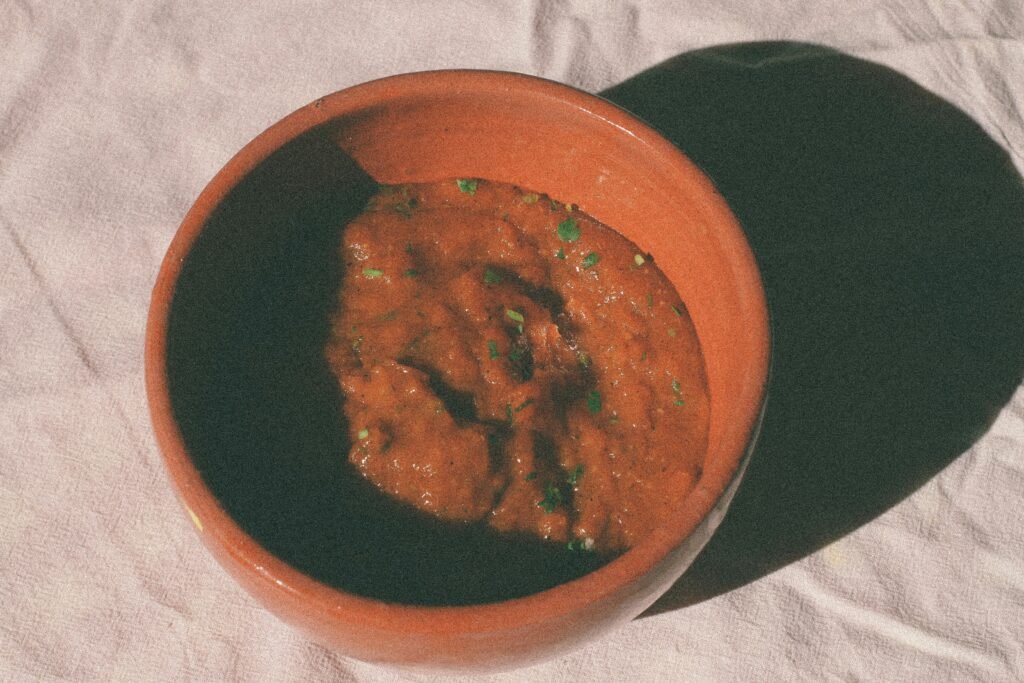
Nihari, a slow-cooked stew originating from the Indian subcontinent, boasts a rich and multifaceted history that finds its roots in the grandeur of the Mughal Empire. The term “Nihari” is derived from the Arabic word “Nahar,” meaning “day,” signifying that this dish was traditionally cooked overnight and served in the morning. It is believed that Nihari was initially enjoyed by the royal households and later permeated out into common society, revealing its remarkable journey through time.
As the Mughal Empire flourished, the cultural interplay among diverse communities played a crucial role in the evolution of Nihari. Influences from various regions, including Persian, Central Asian, and Indian culinary traditions, contributed to the nuanced flavors of the dish. The original Nihari was primarily made with beef, lamb, or chicken, simmered with an array of aromatic spices, creating a robust flavor profile that has remained influential over centuries.
The dish is not merely a culinary delight; it holds significant cultural value within various communities. Nihari has traditionally been a part of celebratory feasts, weddings, and communal gatherings, symbolizing a sense of togetherness and shared heritage. Its preparation often involves the collaborative effort of family members, reflecting the community’s bond. Various recipes have emerged over the years, with regional variations showcasing local spices and cooking methods. These adaptations highlight not only the dish’s versatility but also its ability to foster a sense of belonging.
Over time, Nihari has transcended its royal beginnings, becoming a beloved staple in South Asian cuisine. Today, it is enjoyed in homes and restaurants worldwide, garnering admiration for its depth of flavor and historical significance. The journey of Nihari illustrates not just the evolution of a dish, but also the rich tapestry of cultural narratives that continue to honor its legacy.
A Professional Review: Taste, Texture, and Overall Experience
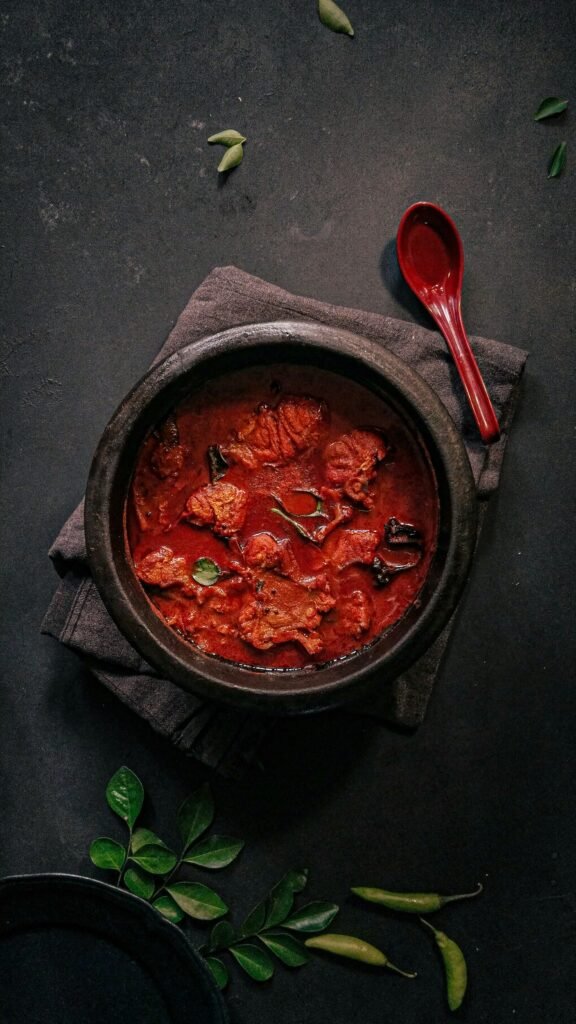
Nihari is a dish that captures the essence of culinary tradition and regional flavors, making it a remarkable representative of South Asian cuisine. When indulging in this rich beef stew, one is greeted with a complex interplay of flavors that is both alluring and comforting. The primary ingredient, typically tender beef, has a melting quality that speaks to slow cooking—a hallmark of an authentic Nihari. As the meat simmers over several hours, it absorbs the spices and develops a velvety texture that enhances the overall experience.
The gravy, a union of subtle yet robust spices, is where the magic truly lies. The use of ginger, garlic, and an array of spices—including cumin, coriander, and cardamom—ensures that each spoonful is layered with depth. Upon tasting, the richness of this gravy stands out; it is both satisfying and inviting, perfectly suited for sopping up with naan or roti. An ideal Nihari strikes a delicate balance between spice and warmth, preventing any single element from overpowering the others.
Aromatic qualities are also pivotal in assessing Nihari’s overall appeal. The enticing fragrance wafting from the dish, thanks to the slow caramelization of onions and infusion of spices, whets the appetite long before the first bite. In addition, herbs such as fresh coriander or mint, often used as garnishes, not only elevate the visual presentation but also provide a fresh contrast to the dish’s richness.
From dining at revered establishments to sampling street-side variations, the experience of Nihari pushes one to appreciate the nuances of this celebrated culinary creation. A great Nihari showcases both tenderness in the meat and richness in flavor, confirming its status as a beloved staple worthy of exploration. Mastering this dish involves understanding these essential qualities, which are the key indicators of quality to discern during any tasting experience.
How to Enjoy Nihari: Serving Suggestions and Pairings
Nihari, a dish steeped in history and tradition, is best enjoyed when paired with the right accompaniments that enhance its rich and robust flavors. Traditionally, Nihari is served with various bread options, such as soft naan or flaky parathas, which serve both functional and culinary purposes. The bread not only acts as a vehicle to scoop up the tender meat but also absorbs the flavorful gravy, allowing diners to capture every essence of the dish. Serving warm bread alongside Nihari is essential; hence, freshly baked options are preferable to maximize taste and texture during the meal.
Accompanying Nihari with side dishes can further elevate the dining experience. Commonly served condiments like sliced onions, fresh coriander, and green chilies provide a refreshing contrast to the richness of the meat. A sprinkle of lemon juice can add a zesty note, helping to balance the heavier flavors characteristic of this iconic dish. These traditional accompaniments not only enhance the flavor profile but also adhere to the culinary customs surrounding Nihari, making the experience more authentic.
When considering beverages to complement Nihari, there are several options that align well with the dish’s complexity. A chilled glass of lassi, a traditional yogurt-based drink, is often favored as it offers a cooling effect against the spicy notes of the dish. Alternatively, a sweet tea or chai could provide a comforting warmth that enhances the meal. Those looking for a non-traditional pairing might consider a light, crisp beer, which can also create an enjoyable contrast to the richness of the Nihari.
Overall, the experience of enjoying Nihari is deeply rooted in tradition, and choosing the right accompaniments and beverages is essential to savoring its cultural significance and diverse flavors. By thoughtfully selecting your pairings, you can enhance the enjoyment of Nihari and appreciate its historical depth.