
Introduction to Herring

Herring, a member of the Clupeidae family, is a small, oily fish that holds a prominent place in the culinary traditions of many cultures across the globe. Renowned for its rich flavor and nutritional benefits, herring has been a staple food item in various regions, particularly in Europe and parts of Asia. Its popularity can be attributed to its versatility in preparation, as well as its ability to absorb a variety of seasonings and cooking methods.
Primarily found in the North Atlantic and Pacific Oceans, herring is often consumed pickled, smoked, or as a fresh fillet. In Scandinavian countries, for example, pickled herring is a common dish, served during festive occasions and traditional meals. In the Netherlands, the raw herring is enjoyed with onions and gherkins, showcasing the fish’s briny taste. Moreover, regions in Eastern Europe and the Mediterranean also incorporate herring into their culinary practices, offering unique recipes that celebrate this nutrient-dense fish.
The nutritional profile of herring adds to its allure, as it is an excellent source of omega-3 fatty acids, vitamins, and minerals. These components not only contribute to good health but also enhance the flavor and texture of various dishes. As consumers become increasingly aware of the benefits of incorporating oily fish into their diets, herring is experiencing a resurgence in popularity. This shift has led to herring being featured in modern cuisines, appealing to both traditionalists and gastronomes alike.
In culinary discussions, the significance of herring cannot be overstated. As we delve deeper into its attributes and flavors throughout this food review, it becomes clear that herring’s rich history and adaptability cement its status as a global staple. Understanding the various ways herring is prepared and enjoyed enhances our appreciation for this remarkable fish and its contribution to diverse culinary landscapes.
Origin and History of Herring
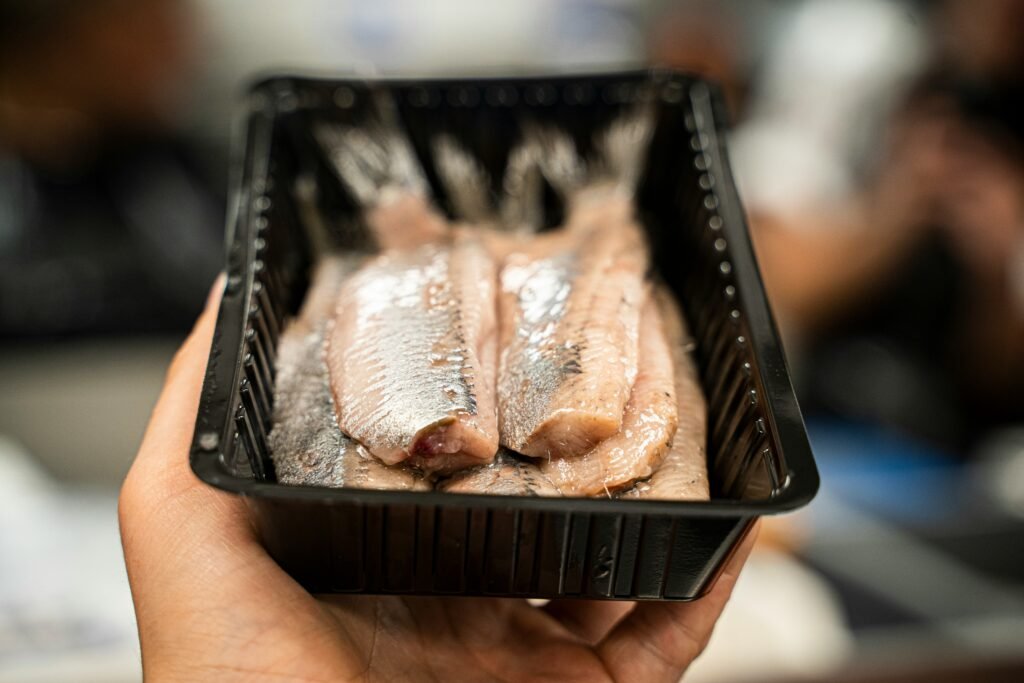
The herring fish, belonging to the Clupeidae family, boasts a rich history that extends back thousands of years. This small, silver-scaled fish has played a significant role in the diets of various cultures, particularly in Europe and North America, where it has been a staple food source for centuries. Archaeological evidence suggests that herring was consumed by ancient civilizations, with references found as early as the Neolithic period. These fish were particularly abundant in the North Atlantic, which contributed to their early popularity as a vital food resource.
During the Middle Ages, herring fishing became a prominent industry in Northern Europe. The Dutch and the Scandinavians established themselves as leading fishers of herring, developing innovative fishing techniques such as the use of nets, which facilitated capture in large quantities. These fishing methods were notably advanced for the time and contributed significantly to the economic prosperity of these regions. The significance of herring was not limited to mere sustenance; it became a valuable commodity in trade, fueling commerce across major port cities.
As time progressed, the preservation of herring emerged as a critical practice. Techniques such as salting and smoking allowed the fish to be stored and transported over long distances, which enhanced its availability throughout Europe. The introduction of brine-cured herring during the 14th century further solidified its status as a popular and convenient food choice. The transformation of herring from a local delicacy to an international commodity illustrates its adaptability and the evolving consumption patterns within societies.
In modern times, herring continues to be enjoyed across various cuisines. Despite changes in fishing techniques and sustainability practices, the historical significance remains, as herring retains cultural symbolism and culinary artistry. Today, while methods of fishing have transformed with technology, the allure of herring persists, reminding us of its integral place in culinary history.
Cultural Significance of Herring
Herring holds a significant place in the culinary traditions and cultural practices of various countries across Europe and beyond. Renowned for its rich flavor and versatility, herring is more than just a food item; it is woven into the fabric of traditions, festivals, and communal practices. In countries such as the Netherlands, herring consumption is heralded each year with the arrival of new season fish, famously celebrated at the Herring Festival. This event marks the time when the first new catch of herring is available, leading to gatherings where people partake in a traditional delicacy called ‘Haring’, which consists of raw herring fish eaten with onions and pickles.
In Scandinavia, herring plays a pivotal role in local cuisine, particularly in Sweden, where it is a staple during Midsummer festivities. The fish is often prepared in various forms, including pickled, marinated, and smoked, showcasing its versatility in dishes served during this celebration, which symbolizes the arrival of summer and community togetherness. Additionally, the Baltic countries have a profound connection to herring, where it is prominently featured in everyday meals and festive occasions, linking individuals to their maritime heritage.
Moreover, the prominence of herring extends to other parts of the world, influencing culinary techniques and traditional recipes. For instance, in Jewish cuisine, herring is commonly found on the table during Sabbath meals and other significant celebrations. This underscores how herring transcends mere consumption to embody a sense of shared identity and cultural heritage among different communities. The celebration and consumption of herring thus reflect not only its nutritional value but also its integral role in cultural identity and social bonding across various societies.
Taste Profile of Herring
The taste profile of herring is multifaceted, showcasing a range of flavors that vary significantly depending on its preparation method. Fresh herring, which can be found in coastal regions, offers a clean and mild flavor that is often described as slightly sweet and subtly briny. Its delicate texture makes it a versatile ingredient suitable for various culinary uses. When consumed fresh, herring has a firm yet tender flesh that yields easily to the bite, providing a satisfying mouthfeel.
When herring is pickled, it undergoes a remarkable transformation in flavor. The pickling process introduces acidity, which elevates the fish’s natural sweetness while imparting a tangy zest. This preparation typically includes a blend of vinegar, salt, sugar, and spices, such as mustard seeds or allspice, creating a complex flavor profile that appeals to many palates. Pickled herring is often served as an appetizer or included in traditional dishes, wherein it pairs well with onions, apples, or cream sauces that further enhance its unique taste experience.
Smoked herring presents yet another distinct flavor. The smoking process infuses the fish with a rich, smoky aroma that can range from mild to robust, depending on the wood used for smoking. This preparation highlights the fish’s natural oils, contributing to a savory and umami-rich flavor. Smoked herring can be enjoyed on its own, added to salads, or used as a flavoring in various dishes. Each of these preparation methods—fresh, pickled, and smoked—demonstrates the versatility of herring, showcasing its ability to adapt and appeal to diverse culinary preferences. The combination of its inherent flavors and the influences from various preparation techniques establishes herring as a beloved choice in many culinary traditions.
Texture of Herring
The texture of herring plays a significant role in its culinary appeal and can vary considerably depending on its preparation method. Raw herring, often enjoyed in various traditional cuisines, boasts a smooth and creamy texture. This characteristic is primarily due to the fish’s high fat content, which contributes to its succulent mouthfeel. The freshness of the fish is vital; only high-quality, freshly caught herring should be used for raw preparations, as this ensures the optimal texture and flavor.
When cooked, the texture of herring undergoes a transformation. Cooking methods such as grilling, baking, or frying tend to firm up the flesh, giving it a delightful flaky quality. The exterior may develop a crispy finish, especially when subjected to dry heat, while the interior remains tender and moist. This contrast enhances the gustatory experience, making cooked herring a versatile ingredient in various dishes. The choice of cooking techniques can further affect the final texture, allowing for a range of culinary explorations.
Preserved herring, on the other hand, offers a different texture profile. The most common preservation techniques include pickling and smoking. Pickled herring typically presents a slightly firm yet pliable texture, as the marinating process imparts a unique mouthfeel that is distinct from both raw and cooked varieties. The infusion of vinegar and spices can also create a unique richness that complements the fish’s natural attributes. Smoked herring, meanwhile, acquires a dense and slightly chewy texture, often accompanied by a complex, savory flavor. Both preservation methods not only enhance the longevity of the herring but also imbue it with new dimensions of taste and texture.
Nutritional Value of Herring
Herring is a fatty fish that is increasingly recognized for its nutritional benefits. Rich in essential nutrients, it offers a variety of health benefits that contribute to overall well-being. One of the standout features of herring is its high omega-3 fatty acid content. These essential fats are known for their anti-inflammatory properties, supporting heart health by reducing triglycerides and lowering blood pressure. Regular consumption of omega-3s has been linked to a decreased risk of heart disease and stroke.
In addition to omega-3 fatty acids, herring is also a prominent source of protein, providing approximately 20 grams of protein per 100 grams serving. Protein is vital for muscle growth, repair, and overall bodily functions. For those following a protein-rich diet, herring represents an excellent choice due to both its nutritional density and taste.
Herring is also abundant in several essential vitamins and minerals. It contains significant amounts of vitamin D, which plays a crucial role in bone health and immune function. A single serving of herring can provide over 100% of the recommended daily intake of vitamin D. In terms of minerals, herring is a good source of selenium, an antioxidant that helps protect the body from free radicals, as well as phosphorus, which is important for maintaining strong bones and teeth.
Moreover, herring provides a range of B vitamins, particularly vitamin B12, which is crucial for maintaining nerve function and producing red blood cells. The combination of these nutrients makes herring an excellent food choice, contributing not only to cardiovascular health but also enhancing overall nutritional intake. Incorporating herring into your diet can serve as a delicious and nutritious option for enhancing overall health.
Herring in Modern Cuisine
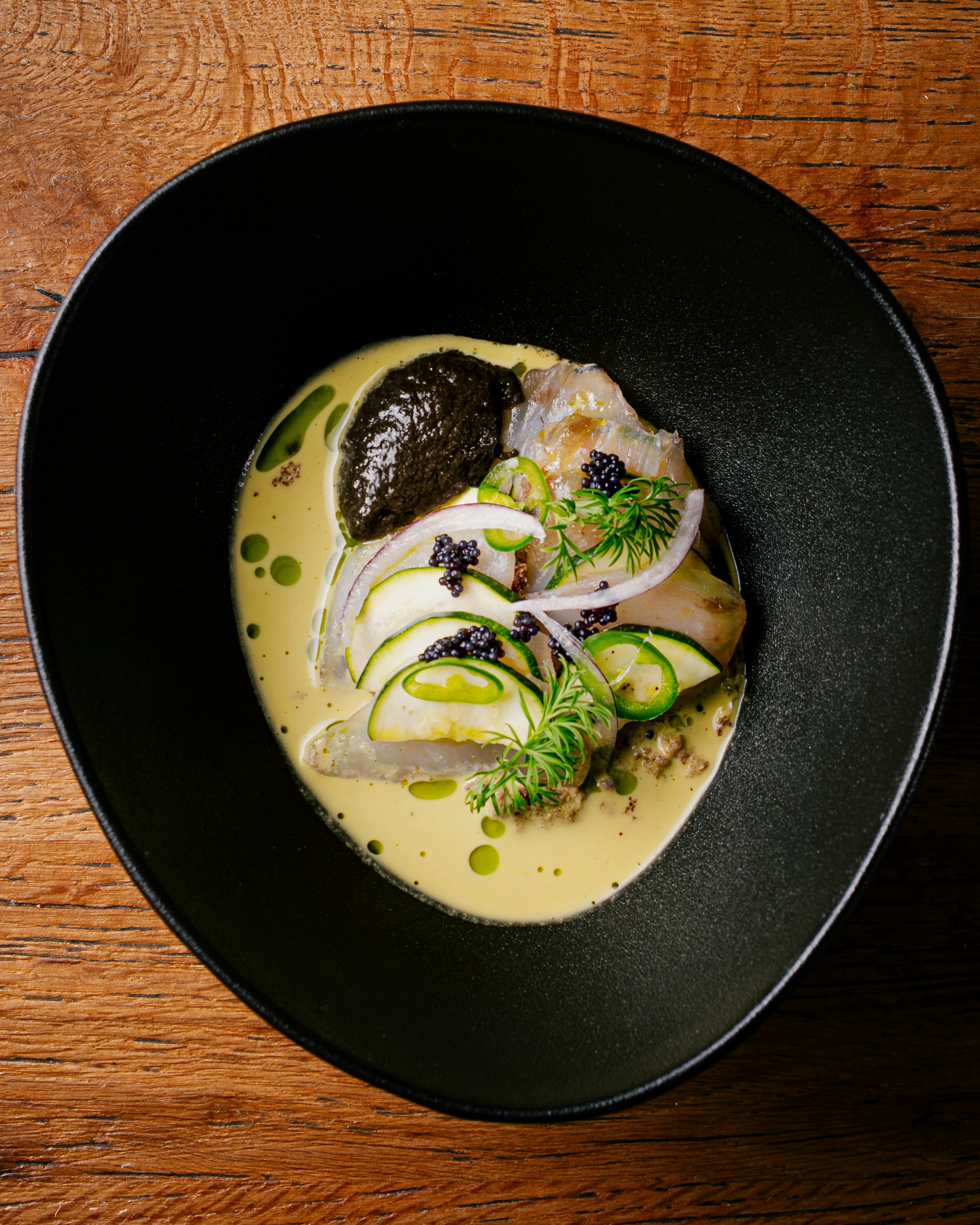
Herring, a small, oily fish that has long been a staple in various culinary traditions, is experiencing a notable resurgence in modern cuisine. Once considered a modest meal reserved for everyday dining, herring has now found its way into the menus of gourmet restaurants, where chefs are creatively showcasing its unique flavors and versatile nature. This trend reflects a broader movement towards embracing sustainable and locally-sourced ingredients, as herring is not only abundant but also offers a range of health benefits due to its rich omega-3 fatty acids.
One key aspect of herring’s popularity in contemporary cooking lies in its adaptability. This fish can be prepared in numerous ways, from pickled and smoked to grilled and roasted, allowing for diverse applications across various culinary styles. For instance, in Scandinavian cuisine, pickled herring is a traditional appetizer, whereas in some Asian culinary practices, it may be served alongside rice and vegetables for a delightful, balanced meal. Chefs are increasingly experimenting with herring, incorporating it into innovative dishes such as herring tacos, herring-infused pâtés, or even as a topping on gourmet pizzas.
Recipes Featuring Herring
Herring, a versatile and flavorful fish, has been a staple in various culinary traditions around the world. Its rich nutritional profile makes it an excellent choice for those looking to incorporate more fish into their diet. Here, we present a range of recipes that highlight herring as the main ingredient, showcasing both traditional and modern approaches to this often-underappreciated seafood.
One classic dish is the Scandinavian herring salad, often served during festive occasions. This dish combines pickled herring with diced apples, onions, and boiled potatoes, all dressed in a rich sour cream dressing. The mixture creates a delightful balance of flavors and textures, making it a popular choice for a hearty meal or side dish.
For a contemporary twist, consider herring tacos. Utilizing the small, flavorful fish, these tacos can be filled with various toppings, including shredded cabbage, avocado, and a drizzle of lime crema. The vibrant colors and tastes not only make for an appealing presentation but also provide a fresh take on traditional herring preparations.
Another intriguing recipe is the herring and grain bowl, which emphasizes healthy eating. This dish includes roasted vegetables, quinoa, and a generous serving of herring, topped off with a tangy vinaigrette. This modern approach highlights herring’s adaptability and encourages a nutritious, balanced meal.
Lastly, for a quick and simple snack, try herring on rye bread. This time-honored Scandinavian treat combines the pungent taste of herring with the robust flavor of rye, often complemented by a smear of butter or a slice of onion. It’s a delightful way to enjoy herring while embracing traditional flavors.
By incorporating these recipes into your meal planning, you can explore various culinary traditions while enjoying the health benefits and delicious taste of herring.
Conclusion: The Future of Herring
Herring has long captivated the palates of culinary enthusiasts around the globe. As a rich source of omega-3 fatty acids and high-quality protein, this small fish is not only nutritious but also versatile in its application across various cuisines. Moving forward, there exists a promising potential for herring to reclaim its place as a staple food, particularly in the face of shifting dietary preferences and a growing focus on sustainability.
The future of herring consumption will undoubtedly find its roots in the increasing awareness of sustainable seafood practices. As consumers become more conscious of their food choices, demand for responsibly sourced fish is on the rise. Herring, which is often caught in abundant populations, has the potential to satisfy this demand while contributing to the preservation of marine ecosystems. Forward-thinking fisheries are likely to adopt better management practices to ensure the continuity of herring stocks, aligning with consumer expectations for sustainability.
Moreover, trends suggesting a return to traditional and fermented foods may further elevate herring’s presence in contemporary diets. As chefs experiment with new cooking techniques and flavor pairings, herring can be featured in a myriad of innovative preparations, from smoked to pickled or grilled. The growing popularity of Scandinavian cuisine, in which herring plays a pivotal role, may also inspire new generations to embrace this fish, thus ensuring its relevance in future culinary landscapes.
In conclusion, the enduring legacy of herring as a culinary delight is poised to take on new dimensions. With its sustainability credentials and the potential for innovative flavors, herring stands to not only retain its historical significance but also to flourish within modern gastronomy. As we embrace this evolution, herring’s place in cuisine seems assured, reflecting both its rich past and the promising horizon ahead.