
The Origins of Ramen
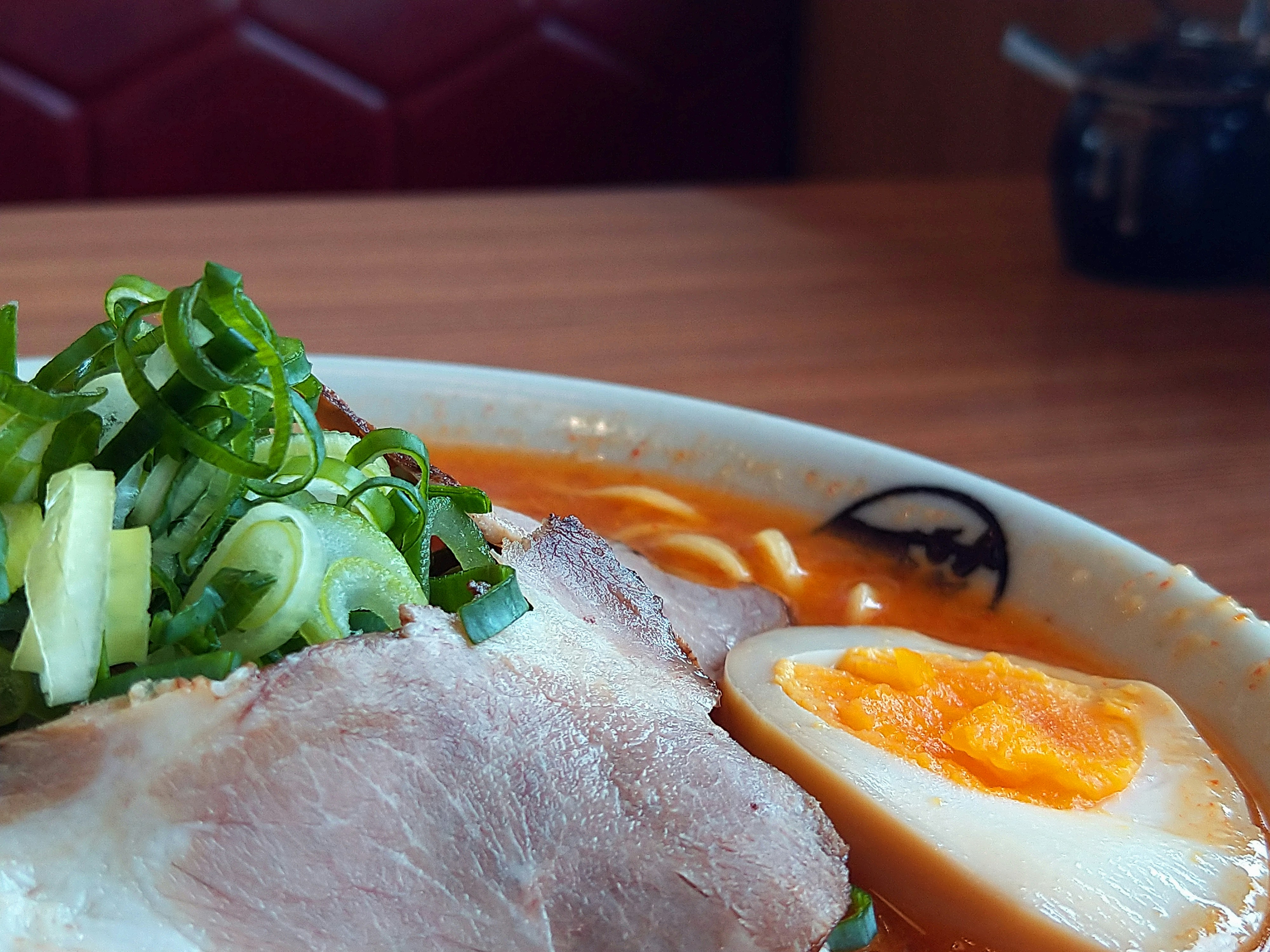
Ramen, a staple in contemporary Japanese cuisine, boasts deep historical roots that trace back to China. The story of ramen begins in the late 19th century when Chinese immigrants introduced noodle soup dishes to Japan, particularly in port cities such as Yokohama. These early versions of ramen featured wheat noodles in broth, a concept derived from Chinese ‘lamian’ noodles, which were hand-pulled and served in a savory soup.
Within Japan, ramen underwent significant adaptations, leading to distinct regional styles that reflect local preferences and ingredients. In the early 20th century, the dish gained popularity, and ramen shops, known as ‘ramen-ya,’ began to sprout across the nation. The introduction of instant ramen in 1958 by Momofuku Ando revolutionized the culinary landscape, facilitating the widespread consumption of ramen beyond restaurant settings.
As ramen evolved, it absorbed influences from various aspects of Japanese culture and cuisine. This fusion led to the emergence of numerous varieties, including shoyu (soy sauce), miso, shio (salt), and tonkotsu (pork bone) ramen, each distinguished by its unique broth, seasoning, and toppings. Additionally, the regional differences in ramen reflect the agricultural diversity of Japan, where certain areas may favor specific ingredients based on local availability, such as seafood in coastal regions or hearty, meat-based broths inland.
The cultural significance of ramen extends further as it has become a symbol of comfort and nostalgia for many Japanese people. Today, ramen is not merely a dish but an experience that embodies the rich heritage of Japan’s culinary tradition. As ramen continues to evolve, its origins serve as a reminder of the intertwining cultural influences that shape this beloved food. This ongoing evolution highlights ramen’s journey from simple noodle soup to a complex dish with a vibrant array of styles and flavors dedicated to satisfying palates across the globe.
A Historical Overview of Ramen
Ramen, a beloved dish in Japanese cuisine, has a rich history that reflects the cultural and societal changes within Japan. The origins of ramen can be traced back to the early 20th century, when Chinese immigrants introduced a wheat noodle soup during their tenure in Japan. This initial introduction did not immediately see widespread acceptance; however, it set the foundation for what would become a culinary phenomenon.
As Japan entered the post-World War II era, ramen began to gain significant traction. The combination of food shortages and the return of soldiers influenced a shift in dietary habits, leading to an increased demand for inexpensive yet filling meals. Ramen fit this need well, becoming a staple in many households across the country. By the late 1950s, the establishment of the first ramen specialty shops marked an important milestone, helping to cultivate a robust ramen culture.
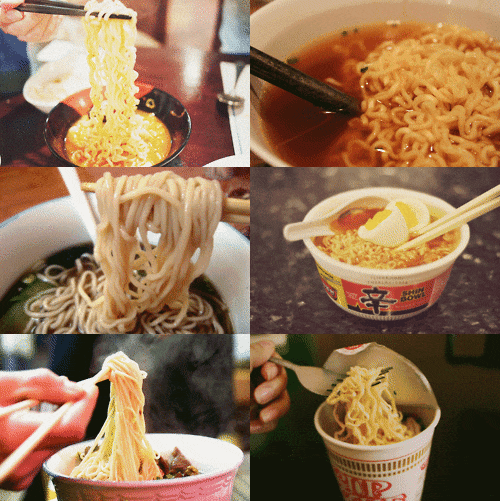
The 1960s were pivotal for the ramen industry, particularly with the invention of instant ramen by Momofuku Ando in 1958. This innovation not only transformed the accessibility of ramen but also made it a convenient meal option around the globe. Instant ramen packets quickly became a popular choice among students and workers, further solidifying the dish’s place in modern society. The success of instant ramen helped fuel the interest in various regional ramen styles, leading to a proliferation of flavors, broths, and noodle types.
Throughout the decades, the global appeal of ramen continued to grow. By the 1980s, ramen began to appear in international markets, and many countries started to embrace it, leading to culinary adaptations worldwide. Today, ramen represents more than just a meal; it embodies a rich history and cultural significance, celebrating Japan’s innovative spirit while continuing to evolve and inspire food lovers around the world.
The Cultural Significance of Ramen
Ramen, a beloved dish originating from China that has been embraced and transformed by Japanese culture, serves as a cultural icon representing various aspects of Japanese life. The dish has evolved to reflect the values and customs of Japan, particularly notions of effort, craftsmanship, and communal experience. While traditionally prepared with detailed attention to the processes of noodle making, broth creation, and ingredient selection, ramen embodies the meticulous nature characteristic of Japanese culinary practices.
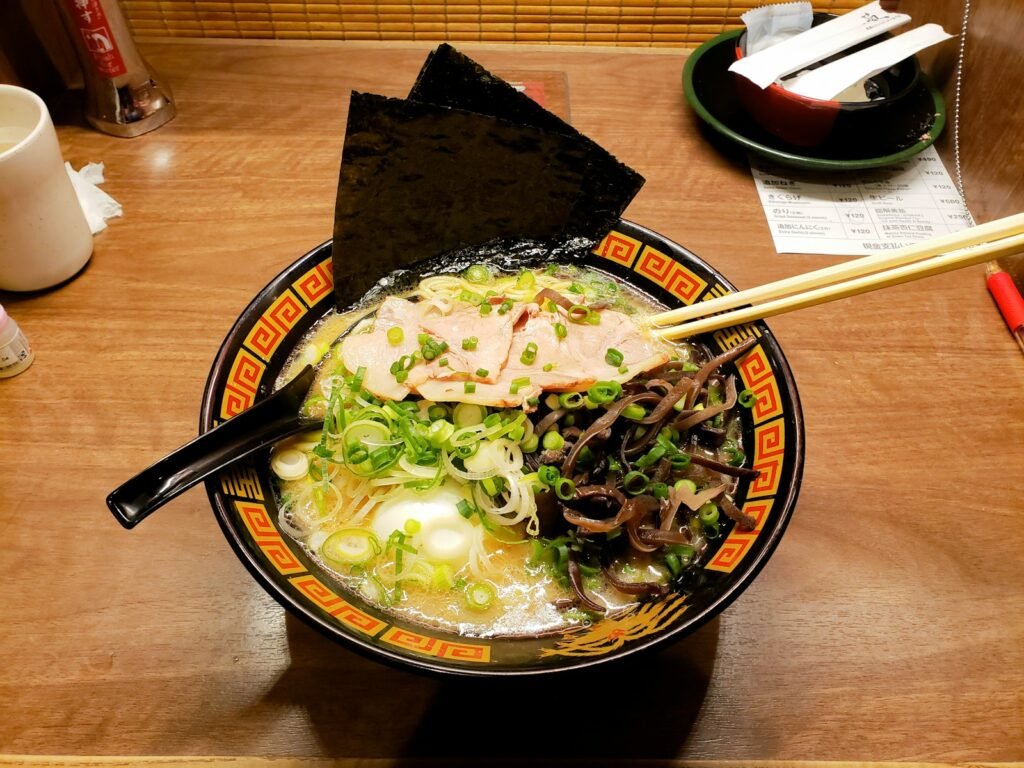
In Japan, ramen is more than just food; it acts as a social catalyst, bringing together diverse communities. Ramen shops, known as ‘ramen-ya,’ can be found throughout the country, each boasting unique takes on flavors and styles, cultivating the local connections that often define social interactions. These establishments offer spaces where individuals can bond over a bowl of ramen, fostering discussions and communal experiences that contribute to the cultural fabric of Japan.
The cultural significance of ramen is also highlighted in various media forms, from anime and television shows to films. Iconic productions often feature ramen as a central theme or plot device. Such representation helps to underscore its importance within everyday life and popular culture, thereby increasing its visibility on both domestic and international platforms. By incorporating scenes set in ramen shops or showcasing characters passionately preparing or enjoying ramen, these narratives further cement the dish’s status as a cultural staple.
Moreover, ramen festivals across Japan serve as vibrant celebrations of this dish, allowing various regions to showcase their distinct styles and flavors. During these events, people from all walks of life gather to share their love for ramen, reinforcing communal bonds and celebrating the rich heritage surrounding this cherished food. Collectively, the various facets of ramen illustrate its integral role in Japanese culture, reflecting values and promoting unity through a shared culinary experience.
Understanding Ramen: Ingredients and Types
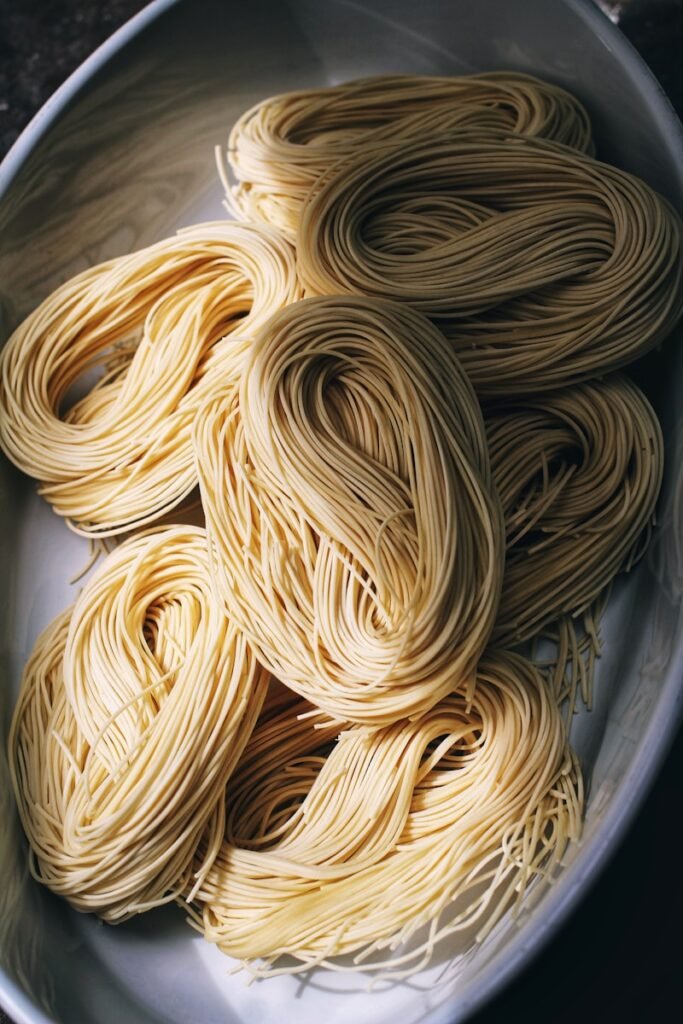
Ramen, a beloved Japanese dish, consists of several key ingredients that contribute to its distinct flavors and textures. At the core of ramen lie the noodles, which are typically made from wheat flour, water, salt, and kansui—an alkaline mineral water that lends a unique chewiness to the noodles. The noodles vary in thickness, shape, and texture, with common varieties including straight, wavy, and thin. These differences can dramatically influence the overall eating experience of the dish.
The broth, or “tare,” is equally significant. There are several primary types of ramen broth, each imparting a unique flavor profile. Shoyu ramen boasts a soy sauce-based broth, known for its savory and slightly sweet notes. Miso ramen incorporates fermented soybean paste, offering a rich and hearty flavor, often complemented by the use of garlic, butter, and vegetables. Tonkotsu ramen features a creamy, pork bone broth resulting from a long boiling process that extracts deep flavors and fats, leading to a rich, almost velvety texture. Lastly, tsukemen stands apart by serving the noodles and broth separately, allowing diners to dip the noodles into the concentrated broth, adding a novel twist to the traditional experience.
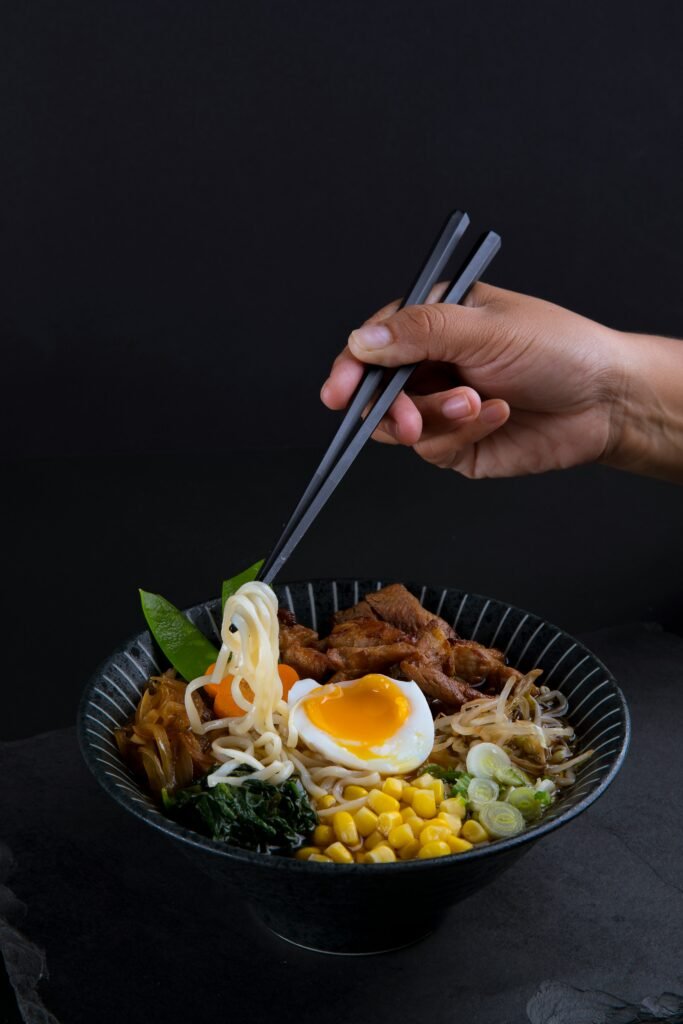
Beyond the broth and noodles, ramen is garnished with an array of toppings that enhance its aesthetic appeal and taste. Common toppings include sliced chashu (braised pork belly), narutomaki (fish cake), soft-boiled eggs, green onions, and nori (seaweed). Other ingredients such as bean sprouts, corn, and menma (fermented bamboo shoots) can also be incorporated, depending on the regional preferences and the specific type of ramen being prepared. Ultimately, the combination of these various components creates an incredibly diverse range of ramen dishes, each reflecting the cultural heritage and culinary traditions of Japan.
The Taste Profile of Ramen

The taste profile of ramen is a remarkable interplay of flavors, textures, and aromas that contribute to its popularity across the globe. At the heart of ramen lies its broth, which is the foundation of any authentic ramen experience. The broth varies significantly depending on the regional style; it can be rich and hearty, like tonkotsu, which is a pork bone broth, or lighter, as seen in a shoyu (soy sauce) or shio (salt) based broth. The depth of flavors in the broth often includes umami, the savory taste that enhances the overall sensory experience of the dish.
Complementing the broth are the noodles, which are typically made from wheat and possess a unique chewiness that contrasts beautifully with the rich liquids. Different types of ramen noodles have variations in thickness and curl, which further influences the overall taste. The openness of the noodle’s surface allows it to absorb the broth’s flavors, effectively elevating the dish’s taste profile. The balance between the noodles and the broth is essential; a dish that is too brothy may overwhelm the palate, whereas a noodle-rich bowl can feel underwhelming if not enough flavor is present in the broth.
Toppings play a crucial role in completing the ramen experience. Common additions such as sliced chashu (braised pork), soft-boiled eggs, and various vegetables provide bursts of flavor and texture. Each topping introduces its own taste notes, adding layers to the dish. For instance, the slightly sweet profile of a soft-boiled egg complements the saltiness of the broth, while green onions contribute a fresh, herbal note that cuts through the richness. For those seeking to refine their ramen tasting skills, being mindful of these flavor components allows one to appreciate the intricate balance that characterizes authentic ramen. Engaging with the taste profile of ramen enriches not just the culinary experience but also fosters a deeper understanding of this beloved dish.
Texture: Noodle and Broth Dynamics
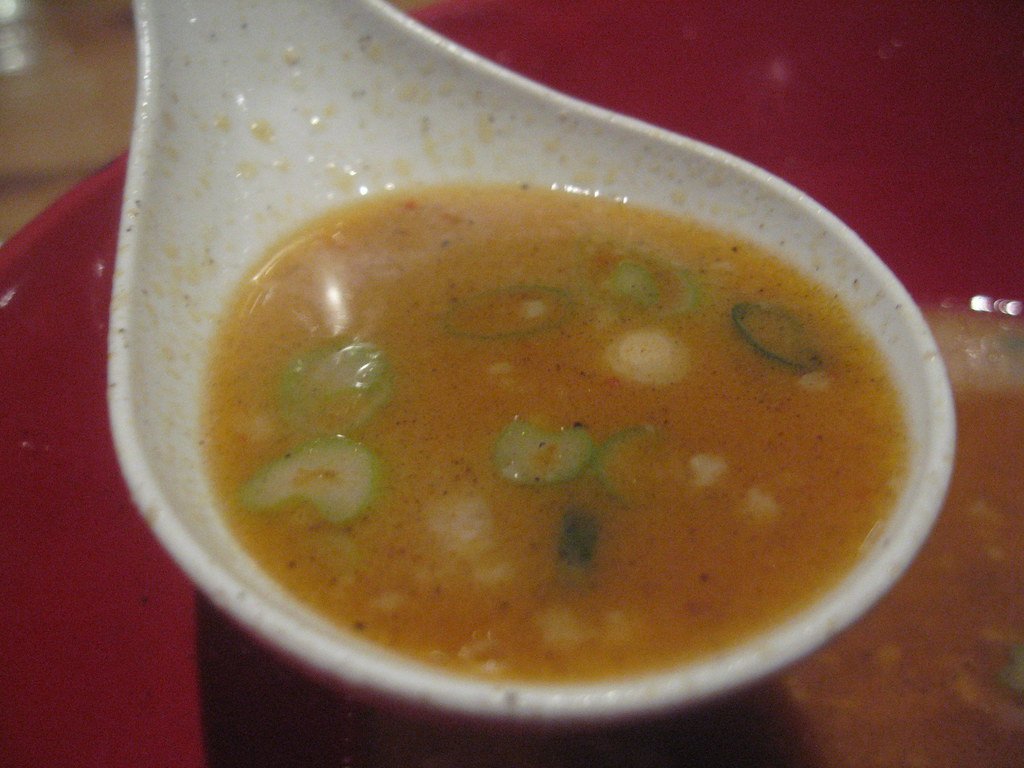
The enjoyment of ramen is heavily influenced by its overall texture, particularly the noodles and broth. The noodles serve as the foundation of the dish, with their texture significantly impacting the overall experience. Ramen noodles are typically made from wheat flour, water, salt, and kansui—an alkaline mineral water that imparts a unique chewiness and firmness. This secondary ingredient is what differentiates ramen from other noodles and contributes to its characteristic texture. Depending on the variety of noodle selected, one can encounter a range of textures from thin and delicate to thick and hearty, each providing a unique mouthfeel.
Chewiness, or the degree to which noodles spring back when bitten, is a crucial element that contributes to satisfaction when consuming ramen. Ideal ramen noodles should not be overly soft or mushy; rather, they should possess a delightful elasticity that enhances the eating experience. An element known as “al dente” is often sought after, as it allows for an interplay between the slight resistance of the noodle and the warmth of the broth.
Equally critical in the ramen experience is the texture of the broth. A great ramen broth should ideally possess a rich body that clings to the noodles, enveloping each strand in flavor. Broths can range from light and clear to thick and creamy, often achieved through long hours of simmering bones or vegetables. The richness of the broth serves to enhance its overall mouthfeel, providing a satisfying contrast to the noodle’s firmness. Moreover, the interplay of textures between the noodle and broth is what defines a great ramen dish; the way the broth coats the noodles enhances not only taste but also visual appeal. Thus, the delicate balance of noodle chewiness and broth consistency is essential to deliver an unforgettable ramen experience.
Culinary Techniques in Ramen Preparation

The art of ramen preparation is a multifaceted endeavor that significantly contributes to the dish’s overall flavor and texture. Central to this is the creation of the broth, often considered the soul of ramen. Traditional ramen broth is typically simmered over several hours, using a combination of bones (such as pork, chicken, or fish) to extract rich flavors. Chefs may enhance the broth further with ingredients like kombu (dried kelp), dried shiitake mushrooms, and aromatic vegetables like onions and garlic. This long simmering process allows for the extraction of collagen and marrow, resulting in a silky texture that complements the noodles.
Equally important is the cooking of the ramen noodles. Ramen noodles are typically made from wheat flour, water, and kansui, an alkaline mineral water that gives the noodles their unique texture and distinctive chewiness. The cooking process involves boiling the noodles until they reach a firm, yet tender state, which typically takes just a few minutes. Chefs often recommend undercooking the noodles slightly, allowing them to absorb some of the broth’s flavor once combined. This technique enhances the dish’s overall cohesion and enjoyment.
Toppings play a crucial role in ramen’s presentation and flavor profile, providing variety and complexity. Traditional toppings include chashu (braised pork), menma (bamboo shoots), green onions, and nori (seaweed). Modern interpretations may introduce a broader range of ingredients, such as soft-boiled eggs, corn, or even seasonal vegetables. The careful selection and artful arrangement of toppings not only elevate the dish aesthetically but also cater to diverse palates, making ramen a versatile and beloved dish across cultures.
Ramen Around the World: Global Influences
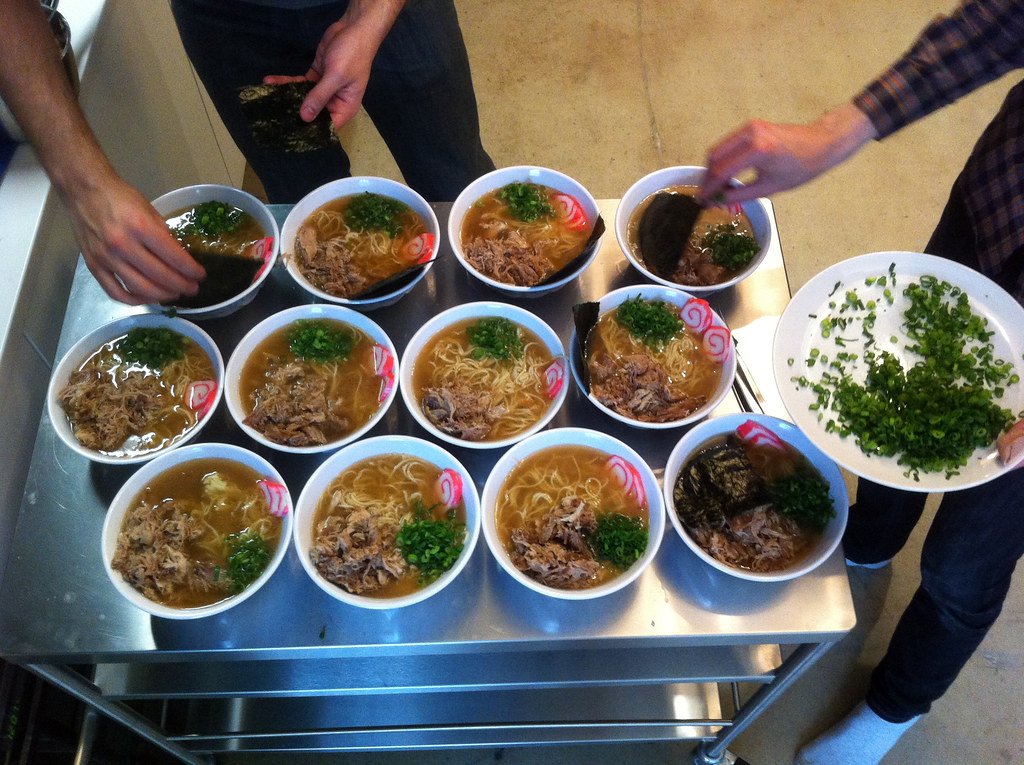
Ramen, once a humble dish with origins in Japan, has transcended its cultural roots and now enjoys global popularity, adapting to local tastes and culinary practices. Different countries have embraced and modified ramen, resulting in unique variations that reflect their gastronomic values and ingredients. This evolution demonstrates not only the versatility of the dish but also the remarkable creativity found within diverse culinary landscapes.
In the United States, ramen has undergone a gourmet transformation, particularly in urban centers like New York and Los Angeles. Chefs have taken traditional recipes and infused them with regional flavors, resulting in dishes such as spicy miso ramen with Sriracha and avocado, or ramen burgers that creatively use noodle patties as a burger base. These adaptations showcase how American chefs are not only interested in authenticity but also in innovative interpretations that cater to local palates, creating a hybrid cuisine that pays homage to the original while introducing new elements.
Similarly, South Korea has made its mark on the ramen scene through the popularization of instant noodles, known as “ramyeon.” The Korean style of ramen is characterized by its bold flavors, often featuring spicy broth made from gochujang or kimchi. This adaptation has led to the emergence of a variety of ramyeon dishes, available in various forms, from street food to high-end restaurant offerings. Additionally, flavor enhancements like cheese and seafood have become commonplace in Korean ramen, signifying a cultural fusion that resonates with the local appetite for spice and umami.
In Brazil, ramen has been enriched by the country’s traditional ingredients, showcasing yet another layer of cultural influence. Dishes may include the incorporation of tropical flavors, like mango or cilantro, and are often served with additional proteins, such as seafood or chicken. This adaptation demonstrates the Brazilian flair for vibrant and diverse flavors, aligning ramen more closely with local culinary customs.
The journey of ramen from Japan to its current global presence illustrates its adaptability and the propensity for cultural exchange in the culinary world. Each region’s unique spin on ramen not only represents local ingredients and tastes but also signals the broader impact of globalization on food traditions.
Conclusion: The Future of Ramen

The landscape of ramen is continually evolving, reflecting changes in consumer preferences and societal trends. As awareness of health and nutrition grows, a noticeable shift towards health-conscious options has emerged within the ramen community. Modern ramen chefs are increasingly experimenting with ingredients aimed at providing healthier alternatives. These innovations include low-sodium broths, whole-grain noodles, and the incorporation of fresh vegetables, responding to a consumer base that is more discerning about nutrition.
Additionally, the rise of veganism has found its way into the ramen sphere, leading to the advent of vegan ramen. Chefs are creatively reinterpreting traditional flavors without using animal products, utilizing plant-based broths and innovative substitutes for pork and chicken. As vegetarian and vegan diets gain traction worldwide, ramen shops that accommodate these options are likely to attract a broader audience. This adaptability signifies ramen’s progression, showcasing how the dish can remain relevant in various dietary landscapes.
Moreover, the global pandemic has had a profound impact on ramen shops, prompting a shift in operational strategies. Many establishments have adapted to current challenges by optimizing takeout and delivery services. Furthermore, the embrace of digital technology for ordering and enhancing customer engagement illustrates a trend that could continue to shape the future of ramen dining experiences.
The traditional roots of ramen remain intact, yet its future is poised to diverge into various modern interpretations. Whether through health-conscious ingredients, catering to vegan preferences, or leveraging digital advancements in service delivery, ramen continues to thrive as a beloved culinary staple. Its ability to adapt while maintaining authenticity suggests a promising future for ramen both in Japan and around the globe.