
The Origin of Pho
The culinary journey of pho begins in early 20th century Vietnam, where this iconic dish emerged as a reflection of the country’s rich history and diverse influences. The inception of pho is often linked to the intersection of local Vietnamese traditions and the adaptations made during the French colonial period. As the French colonizers introduced their culinary practices, ingredients such as beef, which was relatively rare in traditional Vietnamese cuisine, began to permeate the local food landscape. This fusion laid the groundwork for what would evolve into the beloved pho we know today.
Moreover, the introduction of the French baguette provided an additional layer of influence, as it inspired the development of various street foods, integrating bread into the Vietnamese diet. The cooking method of simmering bones to create flavorful broths further enhanced the culinary profile of the dish, setting the stage for regional interpretations. The delicate balance of spices, including star anise and cloves, combined with fresh herbs and lime, speaks to both French and Vietnamese culinary heritage.
As pho spread across Vietnam, regional variations began to emerge, highlighting the geographical and cultural distinctions within the country. Pho Bắc, or northern pho, typically features a more minimalist broth, allowing the natural flavors of the beef and herbs to shine through. In contrast, Pho Nam, or southern pho, tends to be richer and sweeter, often accompanied by a variety of garnishes and a more robust seasoning profile. These regional adaptations illustrate how geography and local customs have shaped pho, making it more than just a meal; it is a symbol of national identity and unity. With its deeply rooted history and evolving nature, pho continues to be a cherished dish, representing Vietnam’s resilience and rich culinary narrative.
The History of Pho
Pho, a beloved Vietnamese dish characterized by its aromatic broth and tender noodles, has a rich history deeply intertwined with the cultural and social fabric of Vietnam. The origins of pho can be traced back to the early 20th century, emerging as a street food in the northern regions of the country. It is widely believed that pho was influenced by the French colonization of Vietnam, with the introduction of beef and the cooking techniques used in the preparation of pot au feu, a French beef stew. The integration of these culinary elements paved the way for what we now recognize as pho.
The name “pho” itself is thought to derive from the French word “feu,” reflecting this culinary exchange. The dish gradually evolved, garnering popularity among the working-class families in Hanoi, who appreciated the simplicity and affordability of pho. It became a breakfast staple, often served with fresh herbs, lime, and chili, providing both nourishment and flavor.
However, the evolution of pho experienced a significant turning point during the Vietnam War. The conflict led to widespread displacement, resulting in a Vietnamese diaspora that carried the love for pho across the globe. As Vietnamese refugees settled in various countries, they adapted the dish to local tastes and ingredients, leading to new variations. In cities with large Vietnamese communities, such as Los Angeles and Paris, pho shops flourished, making it a common cuisine that transcended its regional origins.
Today, pho stands as not only a symbol of Vietnamese culture but also as a global culinary phenomenon. Various interpretations of pho have emerged, incorporating diverse proteins, broths, and garnishes that reflect the evolving tastes of international eaters. This dish continues to represent resilience and adaptability, echoing the historical experiences of the Vietnamese people.
The Meaning of Pho
Pho, a traditional Vietnamese noodle soup, transcends the boundaries of mere sustenance, embodying deep-rooted cultural significance within Vietnamese society. This iconic dish serves as a compelling representation of family bonds, tradition, and communal interactions. While the savory broth and its accompanying ingredients offer gastronomic satisfaction, pho nurtures interpersonal relationships and fosters a sense of belonging among families and communities alike.
Originating in the early 20th century in Vietnam, pho has evolved from a humble street food into a beloved national dish. As it became ingrained in the fabric of daily life, pho began to symbolize the rich heritage of Vietnam. Families often gather around the dining table to share a steaming bowl of pho, creating opportunities for storytelling and the transmission of cultural values from generation to generation. During significant celebrations, such as Lunar New Year, pho takes center stage, representing prosperity and good fortune, further highlighting its importance beyond mere calories.
The preparation of pho can be seen as a celebration of togetherness, as families collaborate in selecting fresh ingredients and simmering the broth for hours to achieve the perfect flavor. This collaborative process not only reinforces familial bonds but also fosters an appreciation for culinary traditions, as each family may have its own unique recipe or method for crafting pho. The dish is often shared among friends during social gatherings, reinforcing its role as a facilitator of communal bonding.
Personal anecdotes from Vietnamese families reveal that eating pho evokes cherished memories. Whether it is a beloved grandparent’s recipe or a family outing to the local pho shop, these experiences highlight how pho serves as a vessel of shared history, nourishing both body and spirit. The dish, therefore, is a cornerstone of Vietnamese identity, connecting individuals to their cultural roots and the collective memory of their nation.
Pho and Vietnamese Culture

Pho is not just a dish; it embodies the rich cultural heritage of Vietnam, reflecting its history, social dynamics, and culinary artistry. As a staple of Vietnamese cuisine, pho is prominently featured in street markets, where vendors serve it to bustling crowds, creating a vibrant atmosphere that symbolizes daily life in Vietnam. This iconic noodle soup is often consumed for breakfast or lunch, highlighting its integral role in the daily routines of many Vietnamese families.
The communal aspect of pho consumption is also notable, as it often accompanies family gatherings and social events. Eating pho together fosters a sense of belonging and connection among individuals, reinforcing familial bonds and friendships. This culture of shared dining emphasizes the importance of community in Vietnamese society and showcases how food serves as a conduit for social interaction and togetherness.
Moreover, pho’s presence extends beyond the dinner table and into the realm of literature and film, where it is frequently portrayed as a symbol of Vietnamese identity and resilience. In various narratives, pho represents the richness of Vietnamese culture and the stories intertwined with it, making it a subject of interest for both locals and tourists alike.
In the context of culinary tourism, pho has emerged as a significant attraction for travelers seeking authentic experiences in Vietnam. Food tours often feature eateries renowned for their pho, allowing visitors to engage with local culinary traditions while enjoying the nuances of this beloved dish. Additionally, pho has played a role in cultural diplomacy, showcasing Vietnamese cuisine on international platforms and promoting a deeper understanding of Vietnam’s cultural landscape. This multifaceted dish not only tantalizes the palate but also serves as a gateway to exploring the broader narratives of Vietnam’s rich cultural fabric.
Taste Profile of Pho
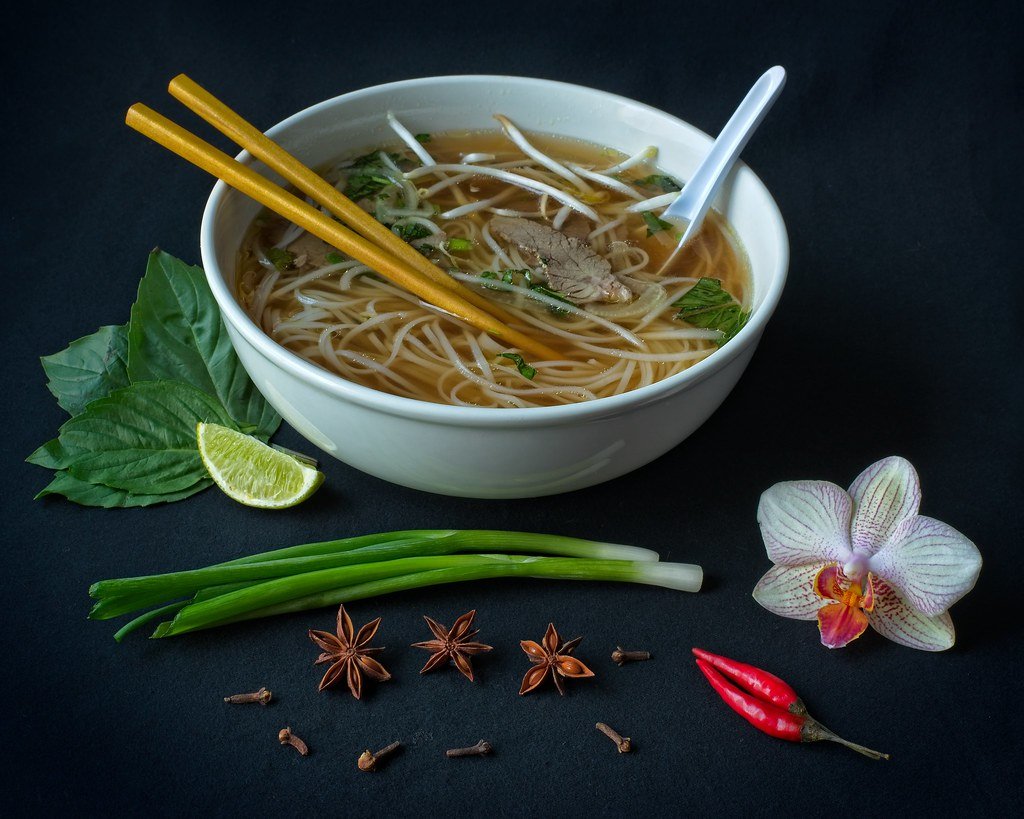
Pho, a traditional Vietnamese noodle soup, is celebrated for its rich and complex taste profile, which is meticulously crafted from a variety of essential components. At the heart of pho lies a broth that serves as the foundation for its flavor. The broth, typically simmered for hours, is a harmonious blend of beef or chicken bones, spices, and aromatic vegetables, resulting in a savory, creamy, and aromatic liquid that is both comforting and invigorating. The umami notes derived from the bones and the infusion of spices, such as star anise, cloves, and cinnamon, contribute to a nuanced depth in flavor that is distinctive to pho.
Fresh herbs play an integral role in creating the characteristic taste of pho. Common herbs include basil, cilantro, and mint, which are often served alongside the dish. These ingredients not only enhance the visual appeal of pho but also provide a refreshing contrast to the savory broth. The sharpness of lime, often squeezed over the soup just before eating, introduces a zesty brightness that cuts through the richness, balancing the overall taste experience. Additionally, the use of condiments such as hoisin sauce and Sriracha adds an extra layer of complexity, allowing diners to customize their pho to suit their personal preferences.
Insights from chefs and food critics highlight the importance of these elements in achieving the ideal balance in pho. The interplay between the savory, aromatic, and umami notes, combined with the vibrancy of fresh herbs and the acidity of lime, creates a symphony of flavors that is both satisfying and memorable. Ultimately, the taste profile of pho is a celebration of harmony and balance, making it a beloved dish among food enthusiasts around the world.
Texture of Pho: A Sensory Experience
The texture of pho is a fundamental aspect that contributes significantly to its overall appeal. The dish primarily features soft rice noodles known as bánh phở, which provide a satisfying chewiness that complements the broth’s depth. When cooked to perfection, these noodles exhibit a delicate resilience, allowing them to absorb flavors while remaining tender. This contrast between the noodles and the broth enhances the sensory experience, inviting the diner to explore the intricacies of each component.
Equally important to the texture of pho is the meat, often either beef or chicken, which adds another layer of tactile delight. Tender slices of beef brisket or rare steak, which are typically cooked in the simmering broth, boast a buttery softness that melds seamlessly with the noodles. The cooking process, including the duration and method, can significantly impact the meat’s tenderness. For instance, longer cooking times often yield melt-in-your-mouth pieces, while hastily prepared meat may present a tougher texture. Thus, the expertise in cooking the protein not only enriches the overall experience but also plays a pivotal role in how each bite is savored.
The broth, for its part, serves as a luscious backdrop that binds the dish together. A well-crafted pho broth is rich and opaque, often achieved through long hours of simmering bones, spices, and aromatics. This slow cooking process extracts flavors while allowing the fats to emulsify, resulting in a creamy mouthfeel that enhances the richness of each spoonful. Different restaurants may employ varied preparation techniques, leading to nuanced differences in broth consistency, ranging from a lighter, clearer appearance to a thicker, heartier concoction. Fresh, high-quality ingredients are essential; they ensure that the textures remain distinct and vibrant, creating an aroma that captivates the senses and a mouthfeel that delights on every level.
Variations of Pho: A Culinary Exploration

Pho, a beloved Vietnamese noodle soup, is known for its rich flavors and aromatic broth, but its versatility extends far beyond the traditional boundaries. Across different regions of Vietnam and influenced by culinary practices worldwide, variations of pho have emerged that cater to diverse tastes and preferences. Each version showcases local ingredients and cooking techniques, offering a unique dining experience.
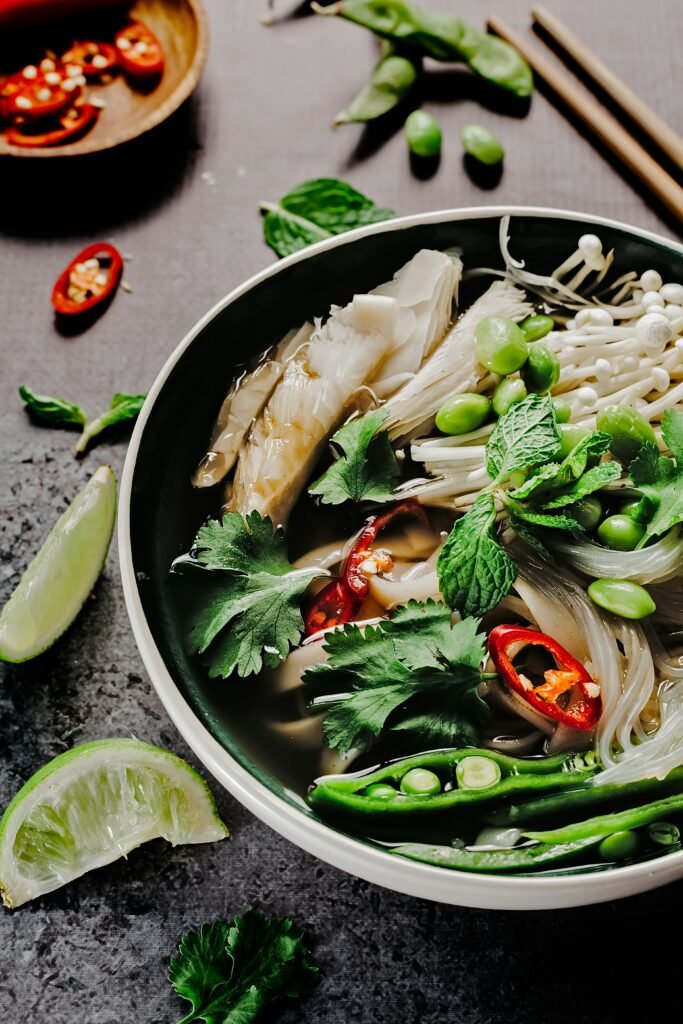
One popular adaptation is vegetarian pho, often prepared with a flavorful vegetable broth and an array of fresh produce such as mushrooms, bean sprouts, and herbs. This variation appeals not only to vegetarians but also to those seeking a lighter yet satisfying meal. Chefs often incorporate creative toppings like tofu or seitan to enhance the texture and flavor, ensuring that this alternative remains just as satisfying as its meat-based counterpart.
Seafood pho is another delightful variation, particularly favored in coastal regions. This version typically features a broth infused with fish or shellfish, and it may include ingredients like shrimp, squid, or crab. The seafood offers a briny richness that contrasts beautifully with the traditional beef or chicken options, allowing it to stand out in the culinary landscape. Local spices and herbs further elevate the dish, making it a popular choice among seafood enthusiasts.
Additionally, the influence of Western culinary creativity has led to various innovative interpretations of pho. Chefs around the globe have experimented with fusion ingredients, such as using different types of noodles or incorporating non-traditional toppings like avocado or cheese. While these innovations may stray from the classic recipe, they highlight the adaptability of pho, showcasing how this timeless dish can evolve while still retaining its core essence and flavors.
How to Enjoy Pho: Best Practices
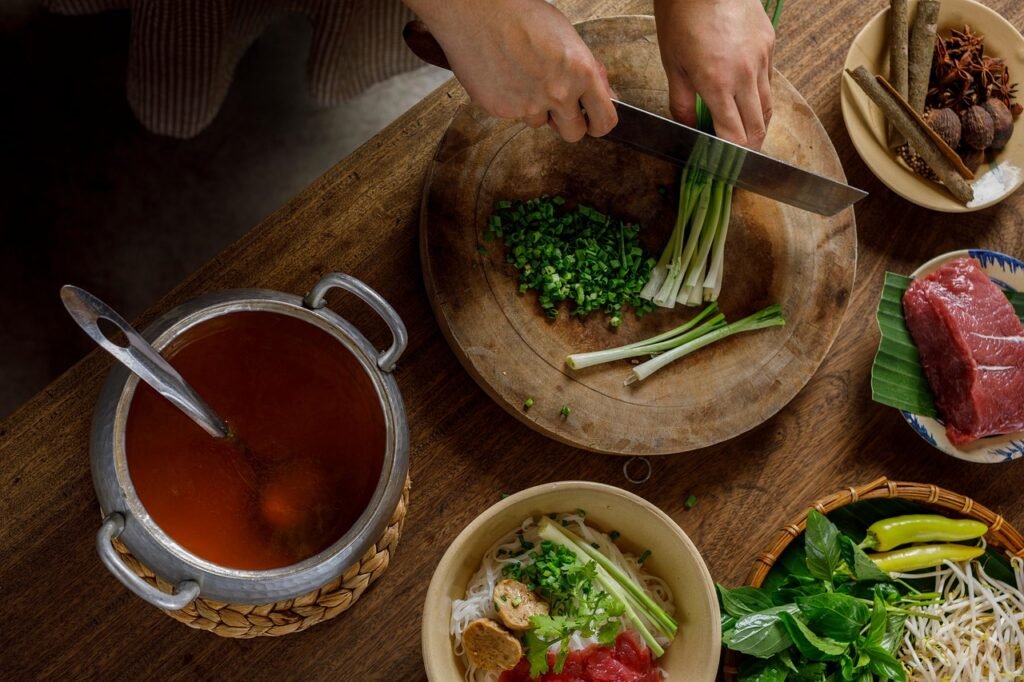
Enjoying pho is not merely about savoring the rich and aromatic broth but also involves a few best practices that enhance the experience of this beloved Vietnamese dish. One of the most effective ways to savor pho is to customize it with an array of fresh herbs and condiments. Commonly used ingredients such as lime wedges, fresh basil, bean sprouts, and sliced jalapeños can significantly elevate the flavor profile. Each addition brings a unique taste and aroma, integrating seamlessly with the soup’s existing flavors.
When it comes to eating etiquette, using chopsticks for the noodles and a soup spoon for the broth is recommended. Slurping the noodles is not only acceptable but often encouraged, as it is a sign of appreciation for the meal. Moreover, starting with the broth is suggested to fully appreciate the depth of flavor before diving into the other components. Etiquette also extends to sharing the dining experience; pho is often enjoyed in a communal setting, making it a great dish to share among friends and family.
Pairing pho with side dishes and beverages can further enrich the overall meal. Traditional accompaniments might include spring rolls or banh mi, both of which provide a delightful contrast to the soup’s texture. As for beverages, a refreshing iced tea or a light beer complements pho perfectly, enhancing the flavors without overwhelming the palate. For those seeking a non-alcoholic option, a Vietnamese iced coffee can provide a sweet and robust balance.
By following these best practices, diners can enhance their pho experience, honoring the tradition and the rich flavors that this iconic dish offers. Each sip and bite holds the potential for a greater connection to the cultural heritage from which pho originates.
Conclusion: The Legacy of Pho
Pho, the beloved Vietnamese noodle soup, represents much more than a culinary delight; it is a rich tapestry of history and culture that transcends geographical boundaries. Throughout this exploration, we have uncovered the intricate components that define pho, from its aromatic broth crafted over hours, to the delicate rice noodles that serve as its foundation. Each ingredient plays a pivotal role, showcasing the harmony of flavors that has captured the hearts of food enthusiasts around the globe.
The enduring legacy of pho lies in its ability to adapt and evolve, reflecting regional variations while maintaining its traditional roots. Various interpretations of pho can be found in different parts of Vietnam and beyond, illustrating how this dish has embraced diverse culinary influences. As we witnessed, modern renditions often incorporate innovative ingredients and contemporary cooking methods, making pho relevant to today’s food scene while ensuring that the essence of its origin is preserved.
It is essential to understand that while innovation can enhance the appeal of pho, the traditional techniques that have been passed down through generations must be cherished and upheld. These methods not only contribute to the authentic taste of pho but also symbolize the cultural heritage that defines Vietnamese cuisine. As we celebrate this dish, it is vital to engage with its background, recognizing the stories and traditions that each bowl holds. Pho is not merely a meal; it is a cultural artifact that stands as a testament to the resilience and creativity of those who have crafted it over the years.
In conclusion, pho occupies a unique position within global gastronomy, inviting both appreciation and curiosity. Its legacy is a reminder of the importance of culinary heritage, encouraging us to explore, experiment, and ultimately honor the diverse traditions that enhance our understanding of food and culture.