

- The Origin of Bibimbap
- The Rich History of Bibimbap
- The Meaning Behind Bibimbap
- Bibimbap and Korean Culture
- Tasting Bibimbap: Flavors and Ingredients
- The Texture Profile of Bibimbap
- Variations of Bibimbap: Exploring Regional Differences
- Health Benefits of Bibimbap
- Conclusion: The Enduring Appeal of Bibimbap
The Origin of Bibimbap

Bibimbap, a quintessential Korean dish, has its origins deeply embedded in the culinary history of Korea. This vibrant and colorful rice bowl, often topped with various vegetables, meats, and a spicy sauce, is believed to have evolved during the late Joseon Dynasty (1392-1897). Initially, it was a practical meal for peasants. They would combine leftover ingredients with rice to create a filling dish that maximized the use of available resources.
The earliest form of bibimbap can be traced to a dish called “goldongban,” which literally translates to ‘mixed rice.’ This dish consisted of rice and a variety of vegetables, symbolizing the seasonal produce readily available in different regions of Korea. Over the years, regional variations of bibimbap emerged, each showcasing distinct local ingredients and flavors. For instance, Jeonju bibimbap from North Jeolla Province emphasizes high-quality ingredients like beef, local vegetables, and a raw egg on top, while the Namyangju version often incorporates a unique style of stir-fried meat.
The key ingredients that define bibimbap are rice, a medley of vegetables, and often an array of proteins, such as beef or tofu. The vegetables usually include carrot, spinach, and mushrooms, providing not only vibrant colors but also various flavors and textures. The use of gochujang (Korean red chili paste) added to the dish further enhances the flavor profile, embodying the Korean penchant for spicy food. As the dish gained popularity, it transcended beyond mere nourishment to become a symbol of harmony in cuisine, representing the balance between the yin and yang elements of eating.
Today, bibimbap is celebrated not only in Korea but around the globe, often serving as a culinary ambassador for Korean cultural heritage.
The Rich History of Bibimbap
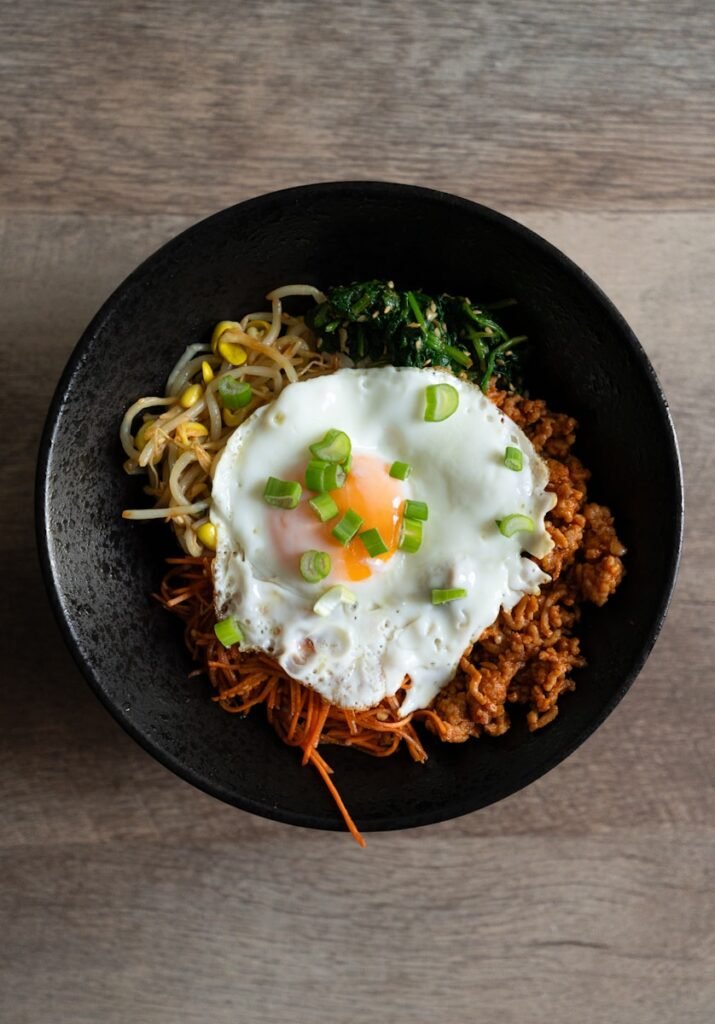
Bibimbap, a dish that exemplifies the harmony of flavors and ingredients typical of Korean cuisine, has a history deeply intertwined with the social, cultural, and economic developments in Korea. The origins of bibimbap can be traced back to ancient times, with early iterations appearing during the Goguryeo dynasty (37 BC – 668 AD). These initial forms of bibimbap often featured a medley of leftover vegetables and grains, showcasing a resourceful approach to food utilization that has remained a hallmark of Korean culinary traditions.
During the Goryeo dynasty (918-1392), bibimbap began to gain prominence within the royal courts. Here, chefs crafted more elaborate versions, incorporating high-quality ingredients like marinated meat and seasonal vegetables, reflecting the stratifications of Korean society. This era marked a shift where bibimbap transitioned from an everyday meal into a dish of prestige, capable of evidencing the skills of court cooks and the cultural sophistication of the elites.
Simultaneously, the dish’s relationship with seasonality became apparent. Different preparations of bibimbap emerged depending on the time of year, utilizing maximum fresh produce and protein available. This seasonal variation not only influenced flavors but also reinforced the importance Koreans placed on the connection between food and nature. In the Joseon dynasty (1392-1910), the dish evolved further, emphasizing simplicity and balance, which mirrored the Confucian values prevalent during this period.
By the 20th century, bibimbap became a staple among the common folk while still maintaining its roots in royal cuisine. Social changes, including urbanization and globalization, have allowed bibimbap to endure and adapt to contemporary tastes, leading to various regional adaptations within Korea and across the globe. Thus, bibimbap serves not only as a delicious meal but also as a rich tapestry of Korea’s culinary heritage and social evolution.
The Meaning Behind Bibimbap
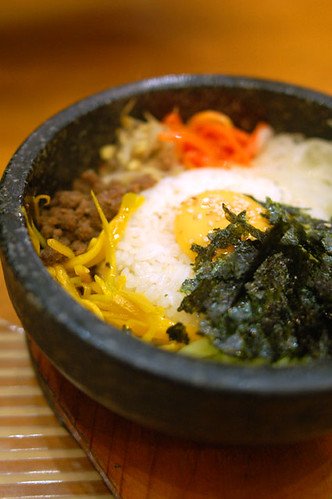
Bibimbap, a staple of Korean cuisine, literally translates to “mixed rice.” This straightforward translation encapsulates the essence of the dish, which revolves around the harmonious combination of various ingredients that come together to create a flavorful and nutritious meal. The practice of combining diverse components into one dish reflects a broader cultural ethos in Korean society, emphasizing the importance of balance and completeness in daily life. In a nation where diversity in culinary traditions is celebrated, bibimbap stands as a testament to the art of creating unity through variety.
The significance of bibimbap extends beyond its ingredients; it is a symbol of Korean dining practices that value communal eating. Traditionally, this dish is served with a mix of fresh vegetables, marinated meat (often beef), and a fried or raw egg, all complemented by gochujang, a spicy red chili paste. Each component is chosen not merely for flavor but also for the nutritional balance it contributes to the meal. The array of colors and textures in bibimbap not only makes it visually appealing but also signifies the importance of diversity in nutrition—an aspect that is central to the Korean approach to health and wellness.
The ingredients in bibimbap possess their own symbolic meanings. For instance, the vibrant vegetables represent the seasonal bounty of nature, while the rice serves as a foundation, symbolizing sustenance and life. The egg, often considered a symbol of purity and new beginnings, adds richness and depth to the dish. Together, these elements illustrate the philosophy of achieving harmony and balance, both in the meal itself and, by extension, in life. Thus, bibimbap is not merely a meal but a reflection of Korean values, demonstrating how food can embody deeper cultural ideals.
Bibimbap and Korean Culture
Bibimbap is more than just a dish; it is a representation of Korean cultural identity and values. Rooted in the tradition of communal dining, this mixed rice dish symbolizes harmony and balance. In Korea, food is often a medium for connection, and bibimbap exemplifies this through its vibrant combination of ingredients. Each component, from the rice to the vegetables and proteins, offers an element of taste and nutrition, allowing individuals to partake in a fulfilling culinary experience that is both personal and shared.
During celebratory events and family gatherings, bibimbap frequently takes center stage. Its presence at occasions such as birthdays and holidays highlights its significance in fostering familial bonds. For example, on a child’s birthday, a specific version of bibimbap, known as “birthday bibimbap,” is often prepared, consisting of special ingredients that signify health and good fortune. This highlights not only the dish’s role in celebrations but also its connection to cultural rituals that emphasize community and familial ties.
Furthermore, bibimbap plays an essential role in various Korean festivals, where it is served as a symbol of abundance and togetherness. During the popular harvest festival of Chuseok, the dish is often prepared to honor ancestors and celebrate the blessings of the earth. The act of sharing bibimbap among friends and family is a reflection of the Korean value of community, emphasizing generosity and the joy of eating together. The way bibimbap embodies these cultural practices and values illustrates its deep-rooted importance in Korean heritage, making it not only a beloved meal but also a vital component of the social fabric.
Tasting Bibimbap: Flavors and Ingredients
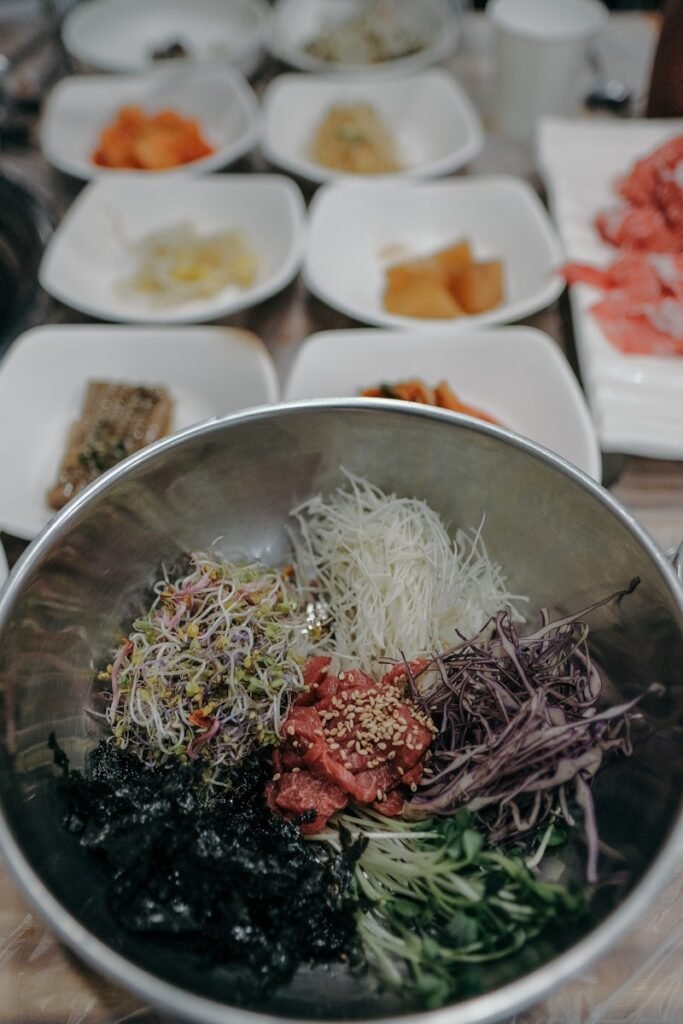
Bibimbap is a vibrant and multifaceted dish that captivates the palate through a harmonious blend of flavors and textures. At its core, bibimbap combines an assortment of ingredients, each contributing distinct taste profiles that together create a rich culinary experience. The base of the dish typically consists of rice, either white or brown, which serves as a neutral foundation for the vibrant toppings.
The star ingredient in bibimbap is often gochujang, a fermented red pepper paste that adds a significant depth of flavor. This condiment introduces a unique interplay of sweetness, spiciness, and umami, elevating the dish to new heights. When mixed with sesame oil, it enhances the richness, while also offering a pleasant heat that varies with individual preferences. The sweetness from gochujang contrasts beautifully with the earthy vegetables, proving itself indispensable in any authentic bibimbap.
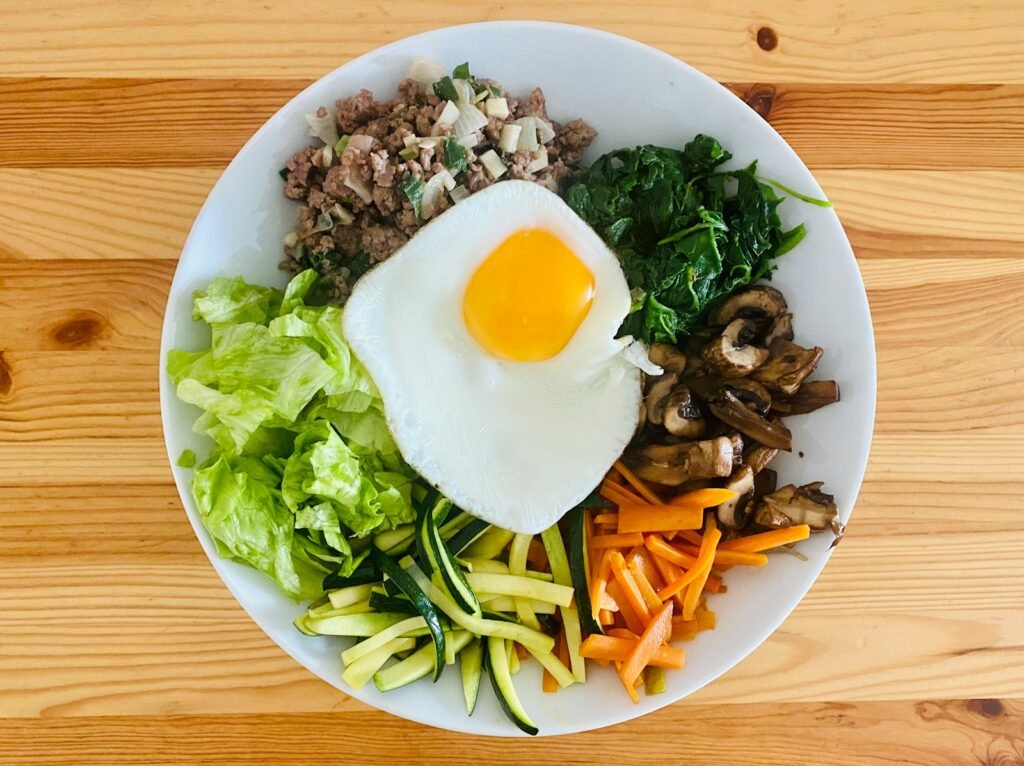
Bibimbap usually features an array of sautéed and pickled vegetables, such as zucchini, carrots, and mushrooms, creating a medley of textures and flavors ranging from crunchy to tender. Each vegetable brings its own character; for instance, sautéed spinach lends a slight bitterness, while the carrots add a subtle sweetness. The incorporation of protein, whether it be beef, chicken, or tofu, contributes a savory aspect that rounds out the dish. The optional addition of a fried egg further enriches the experience, providing a creamy texture as the yolk bursts over the other ingredients.
Traditional toppings may also include seaweed and sesame seeds, which add additional layers of flavor and crunch. The assembly of these various components not only makes bibimbap visually appealing but also allows for a captivating exploration of flavors in one bowl. Each bite reveals a new combination, making it a dish that encourages creativity and adaptability, reflecting its historical and cultural significance in Korean cuisine.
The Texture Profile of Bibimbap
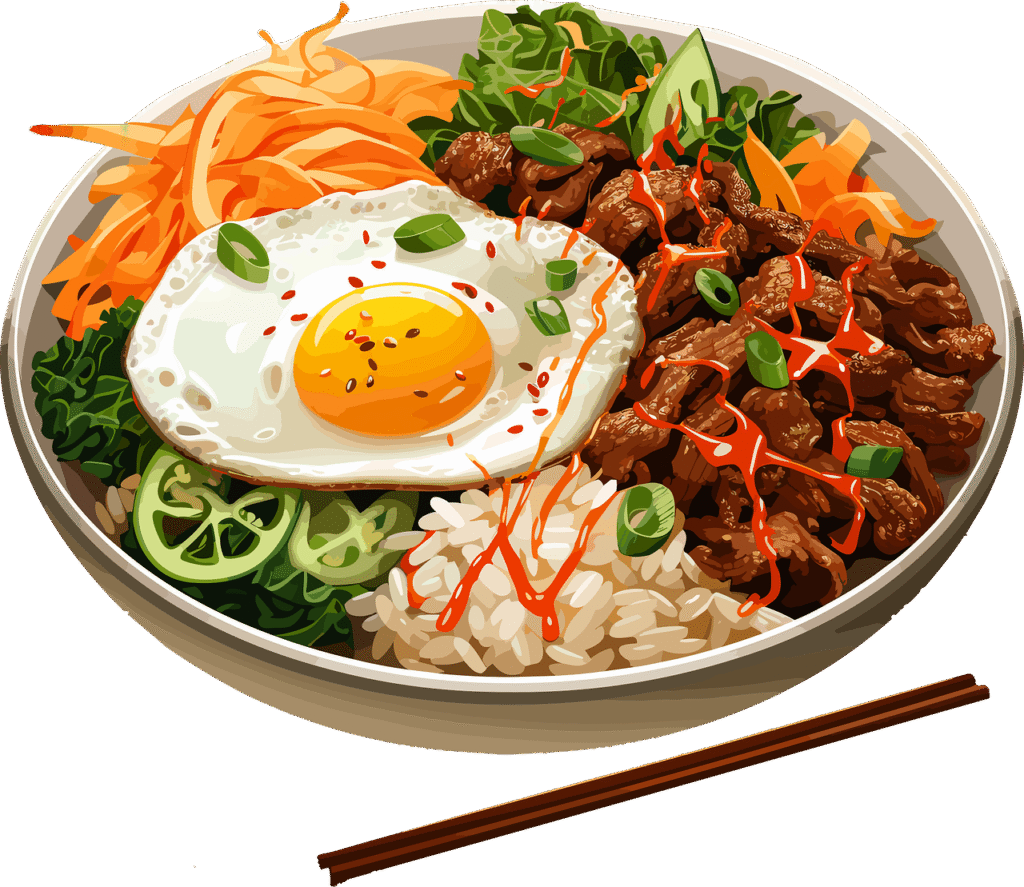
Bibimbap presents a delightful texture profile that is equally essential as its taste components. This traditional Korean dish combines an array of ingredients that culminate in a dynamic interplay of textures, each contributing significantly to the overall dining experience. At its core, bibimbap consists of a bed of warm, crispy rice, which serves as the base for various toppings.
The rice often develops a desirable crispness at the bottom of the bowl when cooked correctly, providing a satisfying contrast to the tender cooked vegetables and protein, whether it be beef, chicken, or tofu. This unique combination of textures is crucial because it creates a mouthfeel that is both enjoyable and memorable, setting bibimbap apart from many other dishes.
The inclusion of different vegetables, typically marinated and sautéed, introduces an additional layer to the dish. Ingredients such as spinach, carrots, and bean sprouts contribute not only vibrant colors but also a varied crunch that complements the softness of the cooked rice. Moreover, the protein element, often marinated beef or soft tofu, adds a tender, juicy component that contrasts wonderfully with the crisp vegetables.
Furthermore, the act of mixing these ingredients before consumption enhances the experience. As diners combine the various components of bibimbap, they are met with a symphony of textures ranging from the crunch of fresh ingredients to the soft, yielding rice. This melding of textures not only stimulates the palate but also elevates the meal, making bibimbap an enjoyable dish to eat. In essence, the textural complexity found in bibimbap is not merely incidental; it plays a pivotal role in crafting a satisfying culinary experience.
Variations of Bibimbap: Exploring Regional Differences
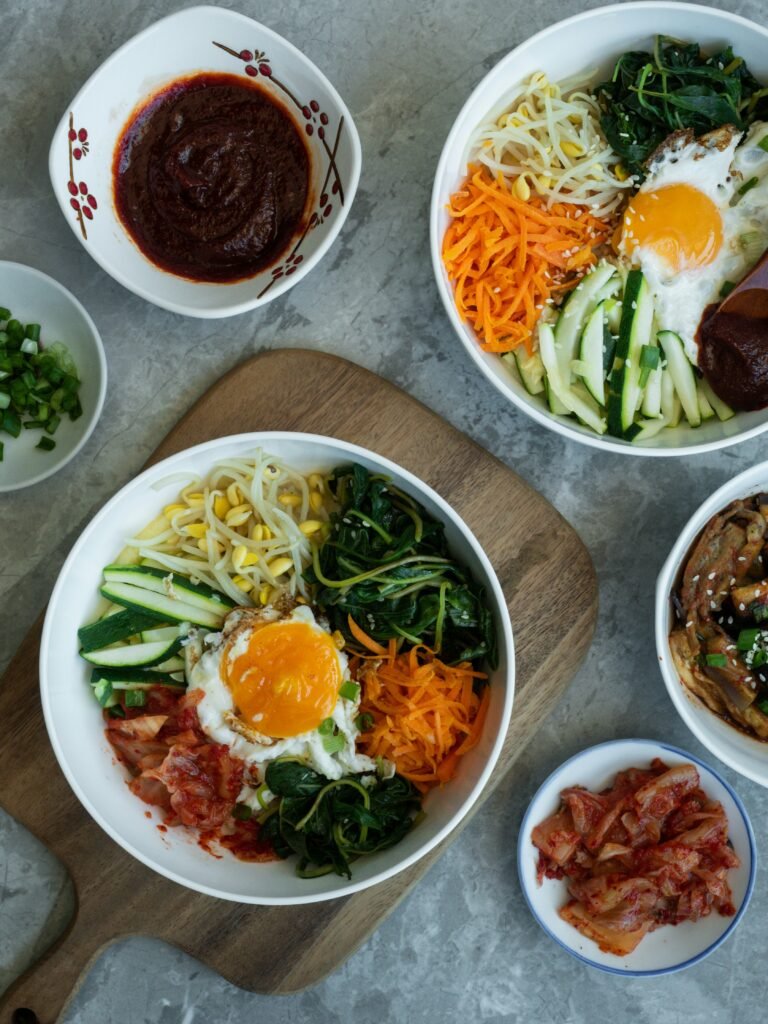
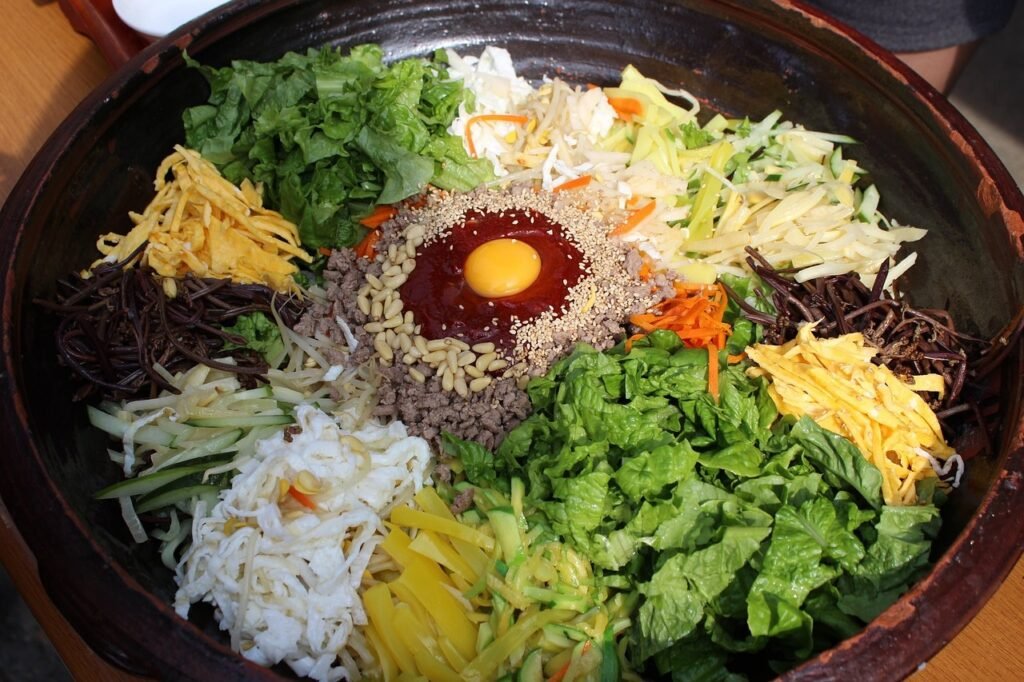
Bibimbap’s versatility is one of the reasons for its widespread appeal, leading to numerous variations that reflect the diverse culinary traditions found across Korea. Each region brings its unique take on this iconic dish, resulting in a delightful array of ingredients and flavors. Among the most notable is Jeonju bibimbap, recognized for its exceptional quality and vibrant presentation. Jeonju, often considered the birthplace of bibimbap, incorporates a colorful assortment of fresh vegetables, marinated meat, and an egg yolk, all atop a bed of fragrant rice. This variation is distinguished by its use of high-quality ingredients, like locally sourced sesame oil, which adds a distinct richness to the dish.
Another popular rendition is dolsot bibimbap, which is served in a hot stone pot. The sizzling sound when the rice contacts the heated stone creates an enticing experience, while the bottom layer of rice forms a delightful crust. Dolsot bibimbap often includes a wide range of toppings, such as seasoned spinach, bean sprouts, and sliced beef, contributing to its popularity throughout Korea. The unique cooking method not only enhances flavors but also invites diners to mix the ingredients and appreciate the dish’s textural contrasts.
As bibimbap transcended geographic boundaries, immigrant communities began to adapt it to suit local tastes, giving rise to fusion versions. In the United States and other parts of the world, variations may include ingredients such as quinoa, tofu, or even fusion flavors inspired by local cuisines. This adaptability has resulted in a global appreciation for bibimbap, showcasing its ability to blend traditional elements with new flavors. Regardless of the variation, bibimbap’s core components remain, reflecting the dish’s rich heritage while embracing innovation.
Health Benefits of Bibimbap
Bibimbap, a traditional Korean dish, is renowned not only for its vibrant presentation but also for its nutritional richness. The core of bibimbap lies in its diverse ingredients, which typically include a variety of vegetables, lean proteins, and whole grains. This amalgamation results in a meal that is not only visually appealing but also well-balanced from a nutritional standpoint.
At the heart of bibimbap’s health benefits is its array of vegetables. Ingredients such as spinach, carrots, and mushrooms are commonly used, each contributing essential vitamins and minerals. For instance, spinach is rich in iron and vitamins A and C, while carrots are an excellent source of beta-carotene, which supports eye health. By consuming a medley of vegetables, one can benefit from a higher intake of dietary fiber, which aids digestion and promotes satiety.
Moreover, bibimbap includes various lean proteins, such as chicken, beef, or tofu. These proteins are critical for muscle repair and overall bodily functions. Tofu, in particular, offers a great plant-based option, appealing to vegetarians and vegans. This flexibility allows bibimbap to cater to different dietary preferences while maintaining its high nutritional value.
Whole grains, typically represented by rice, serve as the foundational component of bibimbap. Whole grains are a significant source of energy, fiber, and essential nutrients that contribute to heart health and metabolic function. The presence of brown rice can enhance these benefits further, tying in additional nutrients.
In addition to the traditional preparation, bibimbap can be adapted to suit various dietary needs, including vegetarian and vegan variations. By substituting animal proteins with plant-based alternatives and ensuring a delightful mix of vegetables, one can enjoy a nourishing bibimbap without compromising on health benefits.
In summary, bibimbap stands as a celebrated dish that harmoniously balances taste and nutrition, making it a remarkable choice for health-conscious individuals.
Conclusion: The Enduring Appeal of Bibimbap
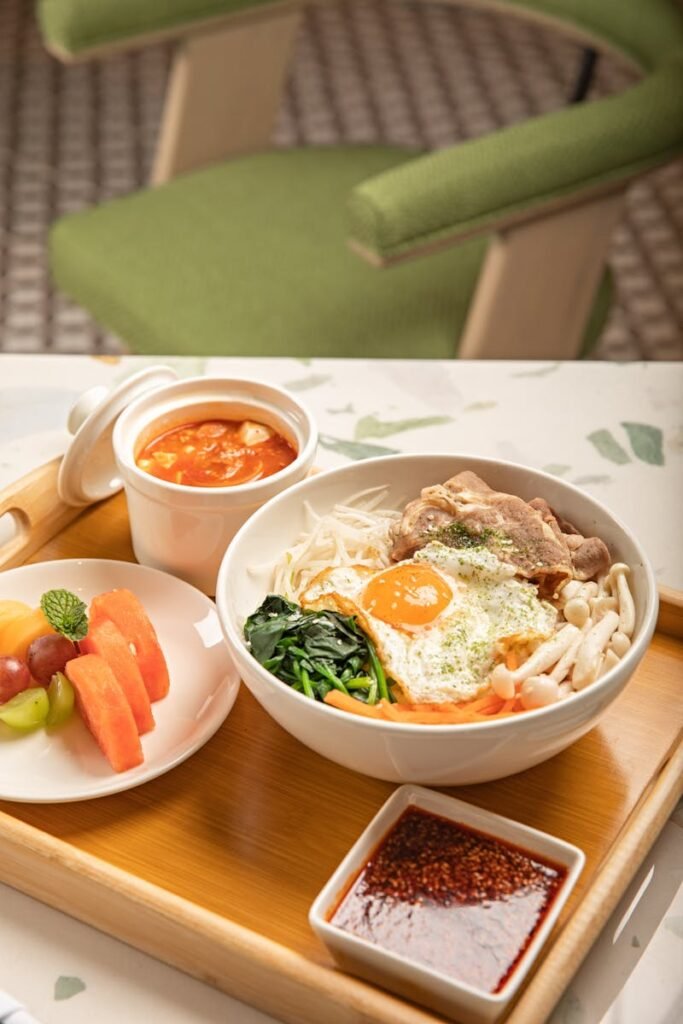
In summary, bibimbap stands as a remarkable culinary masterpiece that reflects not only the rich history of Korean cuisine but also its cultural significance. This iconic dish combines a variety of ingredients, each contributing unique flavors, colors, and textures, making it not only a feast for the palate but also for the eyes. The harmonious blend of rice, vegetables, and protein, often topped with a fried egg and gochujang, symbolizes balance and variety, principles that resonate deeply within Korean culture.
The enduring appeal of bibimbap can be traced back to its historical roots, where it originated as a humble meal for farmers. Over time, it evolved into a celebrated dish more commonly found in restaurants and homes alike, showcasing its adaptability and continued relevance in contemporary society. It provides a canvas for chefs and home cooks to express their creativity, offering endless possibilities for customization while adhering to the fundamental elements that define bibimbap.
This dish not only nourishes the body but also serves as a medium for cultural exchange. As bibimbap gains international recognition, it is embraced by diverse communities across the globe, leading to innovative interpretations that reflect local ingredients and culinary traditions. Such adaptations demonstrate the versatility of bibimbap, allowing it to transcend geographical boundaries and maintain its esteemed position in global cuisine.
The love for bibimbap is more than just a trend; it is a testament to the dish’s ability to connect people across cultures. Whether enjoyed in a traditional restaurant in Seoul or a modern fusion establishment in New York, bibimbap continues to thrive as a symbol of Korea’s gastronomic heritage, nurturing an appreciation for its flavors while inviting new generations to partake in its rich legacy.