
Introduction to Coq au Vin
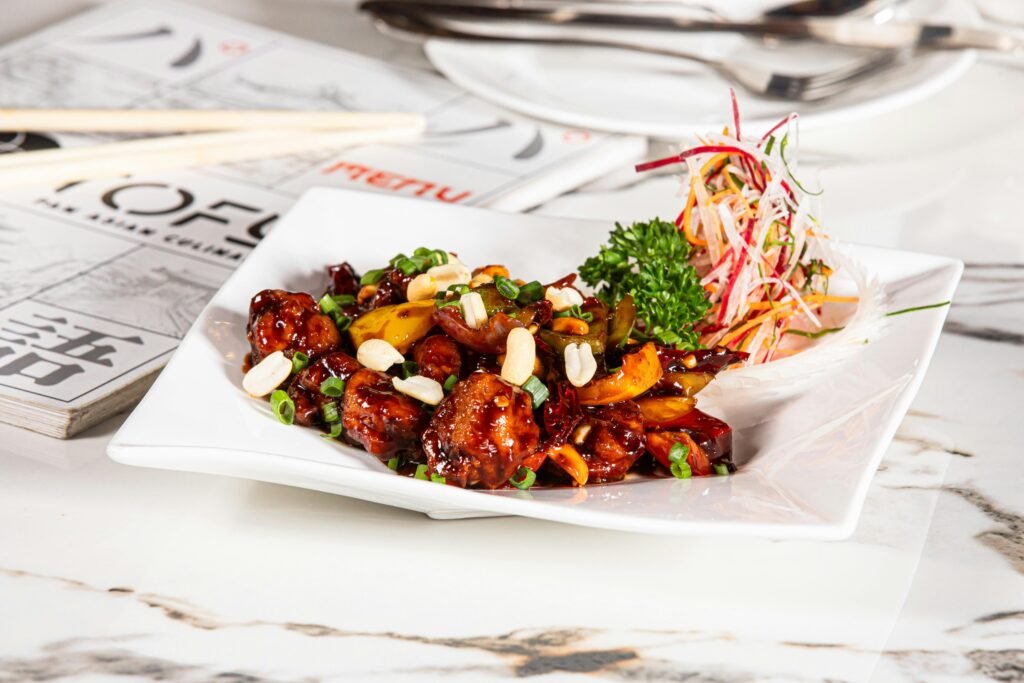
Coq au Vin, a quintessential French dish, translates to “rooster in wine,” although modern interpretations often utilize chicken due to the dish’s accessibility. It symbolizes the heart of French country cooking, combining rustic simplicity with the depth of rich flavors. Traditionally, this dish is prepared by braising the bird in red wine, accompanied by ingredients such as mushrooms, onions, lardons, and herbs, allowing them to merge into a harmonious and comforting meal. The choice of wine is paramount; it not only flavors the chicken but also reflects the regional diversity of France’s wine-producing areas. This attribute of using local ingredients has rendered Coq au Vin a beloved meal across households and restaurants, both in France and internationally.
The origins of Coq au Vin are steeped in history, believed to date back to ancient Gaul. Its preparation involves techniques that showcase the culinary artistry of France, heralding back to times when robust flavors were paramount for sustenance. Initially considered peasant fare, the dish has transcended its humble beginnings to become a staple in fine dining. By showcasing the historical aspects entwined with modern twists, Coq au Vin serves as an embodiment of French gastronomy, appealing to food enthusiasts who seek to explore culinary traditions while appreciating contemporary adaptations.
This dish has also garnered attention from renowned chefs and home cooks alike, inspiring numerous variations globally. Its unique combination of tender chicken and aromatic wine sauce presents an opportunity to delve deeper into the French culinary tradition, making it an exciting subject for gastronomical exploration. As we continue through this comprehensive review, the intricate layers of flavors and techniques will become evident, encapsulating the essence of Coq au Vin, a dish that celebrates both heritage and innovation in the cuisine it represents.
Origins of Coq au Vin
Coq au Vin, a classic dish of French cuisine, traces its roots back to ancient times, where the practice of cooking with wine was commonly embraced. The term translates to “rooster in wine,” encapsulating the essence of this rustic dish, which primarily features chicken slow-cooked in red wine, along with a medley of vegetables, herbs, and spices. This culinary tradition is believed to have emerged from rural regions in France, particularly during the medieval era when ingredients like wine and poultry were abundant.
Historical records indicate that the preparation of meat dishes in wine has long been a staple in French gastronomy, dating back to the Roman Empire. Documented evidence suggests that early variations of Coq au Vin were prepared frequently by peasant families, who utilized local wine to tenderize tougher cuts of meat while imparting rich flavors. The significance of wine in French culture cannot be understated, as it not only played a role in culinary practices but also in social rituals and community gatherings. Over the centuries, this transformative dish was embraced by culinary circles, leading to its refinement and popularization across the broader spectrum of French gastronomy.
As France underwent gastronomic evolutions, Coq au Vin began to shed its peasant origins and was embraced by higher classes, eventually becoming a hallmark of both home cooking and gourmet dining. This evolution reflects a broader trend within French cuisine, where previously humble and rustic foods were elevated to showcase the depth and complexity of flavors achievable through traditional cooking methods. Today, Coq au Vin stands as a powerful symbol of regional French cooking, representing not only culinary heritage but also the adaptability of tradition to modern culinary practices.
Historical Significance of Coq au Vin
Coq au vin, a traditional French dish, has a rich historical significance firmly rooted in the culinary landscape of France. Originating from the rural provinces, this dish was initially crafted as a practical means of utilizing tougher cuts of rooster, which needed prolonged simmering to achieve tenderness. The preparation involves marinating the poultry in red wine, often a local Burgundy, which not only enhances the flavor but also signifies the importance of regional wine production in French culture.
The dish gained literary prominence and a broader cultural appeal during the 19th century. Renowned authors such as Julia Child and notable figures in the culinary world have championed coq au vin, introducing it to a wider audience and elevating its status from humble peasant food to a celebrated icon of French gastronomy. The evolution of coq au vin reflects broader social changes, including the rise of the bourgeois class in France and the appreciation for rustic, home-cooked meals that define regions.
Moreover, coq au vin is often associated with significant historical events, most notably during the post-World War II era when French chefs sought to revive traditional recipes that encapsulated the soul of their culinary heritage. The dish’s enduring appeal can be attributed not only to its deep flavors but also to its representation of French resilience and the connection to agrarian roots. Today, coq au vin occupies an esteemed place in both casual dining and fine cuisine, celebrated for its nostalgic qualities and its embodiment of the French philosophy of enjoying good food as a fundamental aspect of life.
Cultural Importance and Variations
Coq au vin, a classic French dish, holds significant cultural importance across various regions of France, where it is more than just a meal; it represents a deep connection to culinary heritage and tradition. Originating in the region of Burgundy, this dish exemplifies the integration of local ingredients and traditional cooking methods, reflecting the diversity of French cuisine. Each region contributes its unique twist, transforming coq au vin into a versatile dish cherished nationwide.
In Burgundy, for instance, the classic preparation includes red wine from the region, which enhances the flavors and highlights the importance of local vineyards. The use of sautéed onions, mushrooms, and lardons further embodies the culinary richness of this area. By contrast, in Provence, coq au vin may incorporate white wine, olives, and herbs, showcasing the Mediterranean influence on the dish. This variation captures the essence of local agricultural practices and available produce, demonstrating how regional flavors can intricately reshape a traditional recipe.
Furthermore, in Alsace, one might encounter a coq au vin that leans more towards choucroute, integrating sauerkraut and Alsatian Gewürztraminer. This adaptability not only emphasizes local preferences but also highlights the dish’s ability to evolve while maintaining its core identity. It is this versatility that allows coq au vin to resonate across different cultural landscapes within France, adapting to local customs without losing its classical roots.
The regional variations of coq au vin exemplify the dynamic nature of French cuisine, illustrating how a dish can serve as a canvas for creativity while celebrating local identity. By embracing local ingredients, traditions, and methods, coq au vin continues to thrive, standing as a testament to the richness and depth of French culinary heritage.
Ingredients and Preparation Method
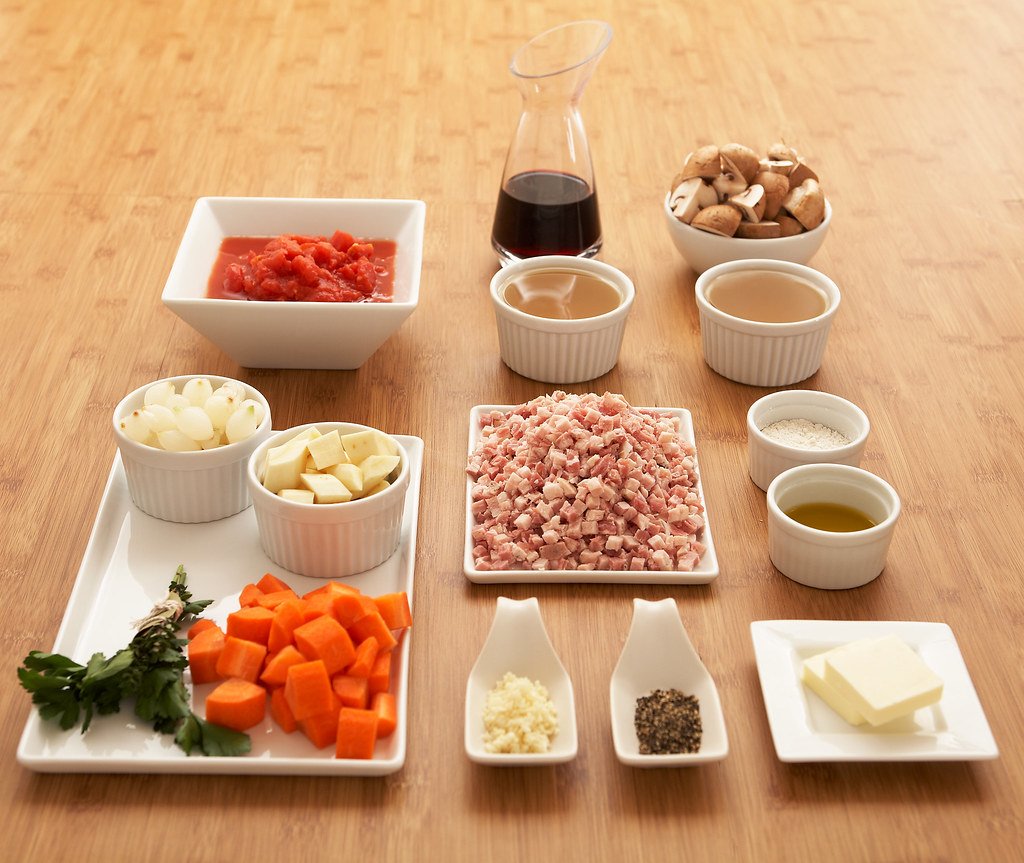
Coq au Vin, a classic French dish, is a remarkable amalgamation of flavors and textures, primarily revolving around chicken, red wine, and an array of complementary ingredients. The main protein used in this dish is traditionally rooster, though chicken is often utilized due to its availability. The choice of red wine is crucial; a full-bodied Burgundy or a Chianti works best, as the wine’s tannins enhance the savory profile of the dish. Alongside the meat, aromatic vegetables such as onions, garlic, and carrots play a vital role, contributing sweetness and depth to the final flavor.
Additionally, mushrooms, particularly button or cremini varieties, add earthiness, while lardons, or small strips of pork fat, introduce a delightful saltiness and richness. Fresh herbs, such as thyme and bay leaves, infuse the dish with aromatic complexities, while a splash of brandy elevates the depth of flavor. The preparation steps, when followed correctly, elevate Coq au Vin to a symphony of tastes.
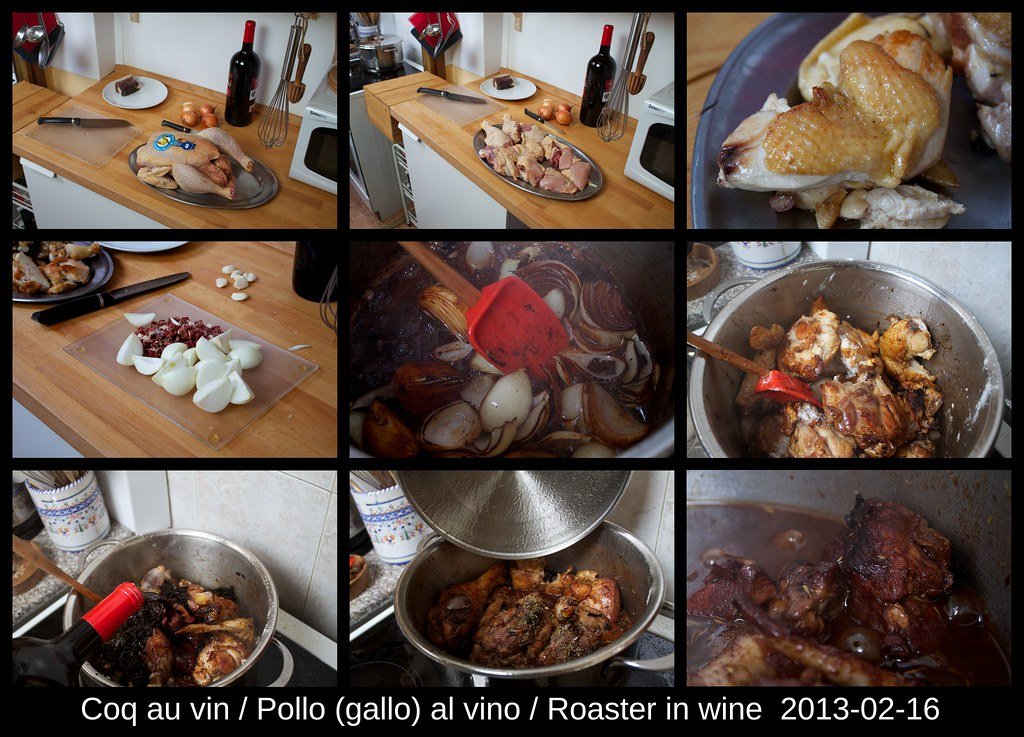
To prepare this exquisite dish, the first step involves marinating the chicken in red wine, along with herbs and seasoning, for several hours or overnight. This process not only tenderizes the meat but also imbues it with a rich, wine-soaked flavor. After marination, the chicken is seared until golden brown, sealing in juices and adding a layer of flavor through caramelization. Next, the aromatic vegetables are sautéed in the drippings, followed by the addition of the marinated chicken. The mixture simmers gently, allowing the flavors to meld harmoniously.
As the dish cooks, the wine reduces, creating a thick sauce that envelops the chicken and vegetables. The final step involves incorporating the mushrooms and lardons, allowing them to soften and release their flavors. This comprehensive preparation method illustrates the meticulous attention to detail that contributes to the enchanting layers of flavor characteristic of Coq au Vin.
Taste Analysis of Coq au Vin
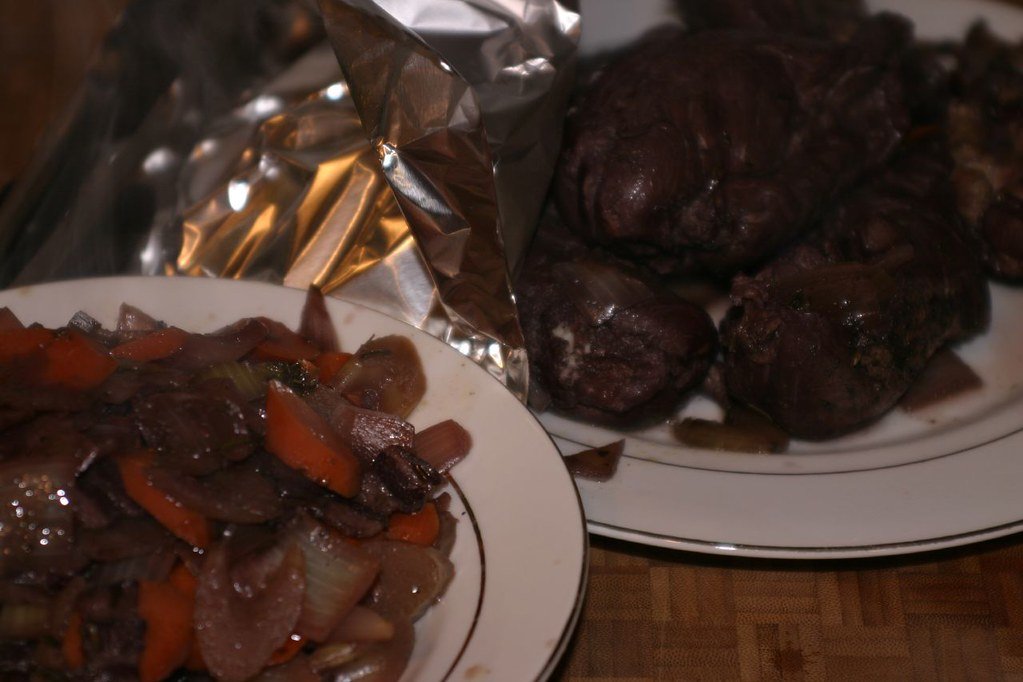
Coq au Vin is renowned for its intricate and layered flavor profile, which offers a unique culinary experience that captivates the senses. The foundation of this dish rests primarily on the braised chicken, which is marinated in a robust red wine. This process contributes to the profound, savory notes that dominate each bite. The tender chicken absorbs the essence of the wine, resulting in a dish that is not merely flavorful, but also deeply comforting.
As the chicken cooks, it releases its natural juices that mingle with the wine, creating a sumptuous sauce that enhances the overall depth of flavor. The character of Coq au Vin is further enriched by the type of wine used, typically a Burgundy or other quality red, which infuses the dish with earthy undertones. The acidity of the wine balances out the richness of the meat, presenting a harmony that keeps the palate engaged.
Layered among the primary flavors are the delicate hints of herbs and spices such as thyme, bay leaves, and sometimes even a touch of garlic. These aromatics provide a subtle complexity that elevates Coq au Vin beyond a simple chicken dish. Each stirred spoonful introduces these flavors that seem to dance together, creating a symphony of taste that is both grounded and ethereal. Additionally, the inclusion of vegetables like mushrooms, onions, and carrots adds both texture and sweetness, contributing further to the multifaceted experience. These ingredients stew together, enhancing the sauce’s consistency and flavor richness.
Overall, the taste of Coq au Vin reflects a culinary tradition steeped in region and history, showcasing how basic ingredients can transform into a masterpiece of flavor. The balance of savory, earthy, and aromatic elements ensures that each mouthful is a delightful revelation, making Coq au Vin a dish that is as memorable as it is satisfying.
Texture and Presentation
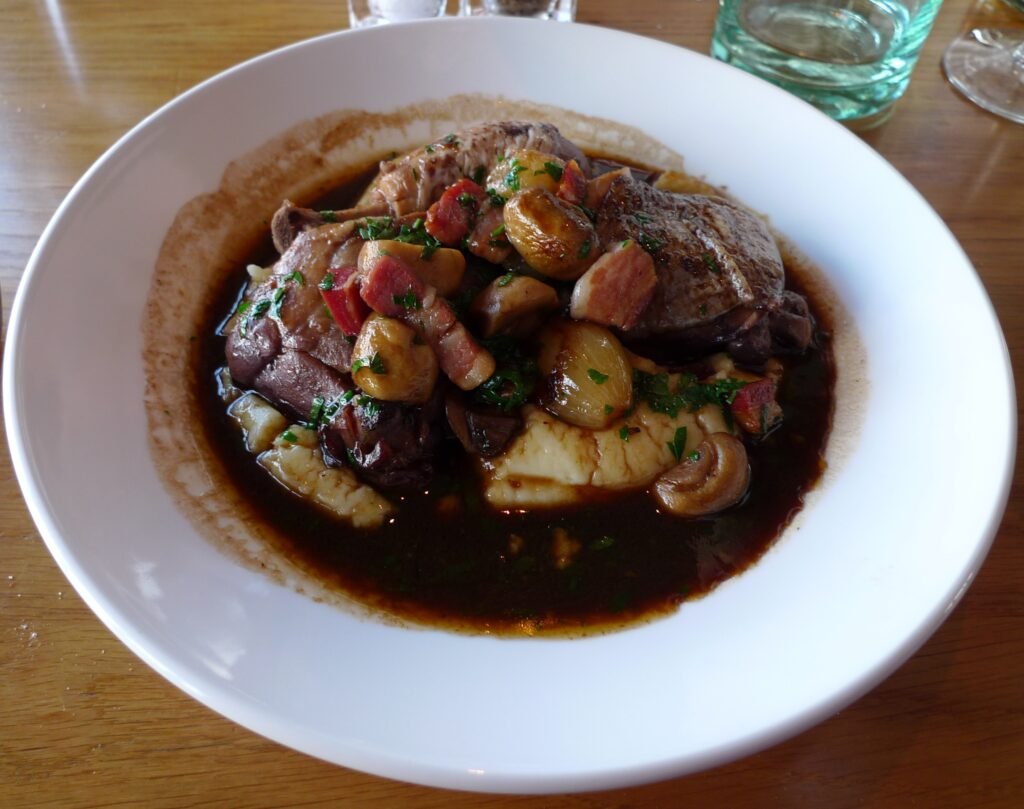
The texture of coq au vin is one of its most inviting attributes. The preparation generally involves braising chicken in a rich red wine sauce, which results in an exceptionally tender and succulent piece of meat. As the chicken cooks slowly, the connective tissues break down, allowing it to absorb the flavors of the marinade, which often includes aromatic herbs, garlic, and a variety of vegetables. The outcome is a dish where the chicken practically falls off the bone, offering a satisfying mouthfeel that is both comforting and enticing.
The sauce that accompanies the chicken is equally noteworthy, boasting a thick, velvety texture that acts as a perfect complement. This sauce typically marries well with the earthy flavors of mushrooms, the sweetness of onions, and the slight acidity of red wine. The layering of textures—tender chicken nestled in a rich sauce—creates a harmonious balance that enhances the overall dining experience. Each bite delivers a complexity of flavors, allowing one to savor the classic French technique of slow cooking.
Upon serving, presentation plays a crucial role in elevating the overall appeal of coq au vin. Although the dish is inherently rustic, there are several ways to make it visually appealing. Consider plating the tender chicken pieces on a warm, deep plate, ensuring that the sauce is generously drizzled over them to showcase its rich color. Garnishing with a sprig of fresh parsley or thyme can brighten the dish, creating a pleasing contrast against the dark hues of the sauce. Serving with a side of creamy mashed potatoes or crusty bread can further enhance the visual profile while providing a means to soak up the luscious gravy.
Pairing Coq au Vin with Wine and Sides
Coq au Vin, a classic French dish, is characterized by its rich flavors that stem from slow-cooking chicken in red wine, along with aromatics and vegetables. To enhance the experience of this dish, selecting the appropriate wine and side dishes is essential. The traditional pairing for Coq au Vin is, unsurprisingly, a robust red wine, as its tannins and fruitiness complement the savory elements of the dish. A good Burgundy wine stands out due to its earthy overtones, which resonate well with the deep flavors of the coq au vin. If a Burgundy is not available, consider a Pinot Noir or a Beaujolais, both of which provide a harmonious balance without overshadowing the dish’s intricate flavors.
When it comes to side dishes, the key is to choose those that accentuate the tender textures and complex tastes of the Coq au Vin. Classic options include creamy mashed potatoes, which absorb the flavorful sauce and offer a pleasing contrast in texture. Another excellent accompaniment is a side of sautéed green beans, lightly seasoned to bring out their natural crunch and freshness. Additionally, a hearty French baguette is indispensable, allowing diners to soak up the delicious sauce from the main dish.
For a more rustic touch, consider serving a ratatouille alongside Coq au Vin. This vegetable medley not only adds color to the plate but also complements the rich flavor profile beautifully. Alternatively, a fresh green salad with a light vinaigrette can provide a refreshing counterpoint to the richness of the coq au vin, rounding out the meal while maintaining balance. By carefully selecting wines and sides that enhance the experience, diners can fully appreciate the depth of flavor and tradition that Coq au Vin brings to the table.
Conclusion: The Lasting Legacy of Coq au Vin
Coq au Vin stands as a testament to the rich tapestry of French culinary tradition, symbolizing not just a dish but a history steeped in rustic flavors and local ingredients. This celebrated recipe, with its roots tracing back to Roman times, has evolved through centuries, garnering respect from chefs and home cooks alike. Its preparation method embodies the spirit of communal dining, where slow cooking and the infusion of wine facilitate a bonding experience over shared meals.
The dish’s significance lies not only in its captivating flavors but also in the story it conveys about the French way of life. Coq au Vin represents the values of patience, quality, and the appreciation for seasonal produce. As one indulges in this iconic meal, it is impossible to overlook its connection to the regionality of French cuisine, emphasizing that local ingredients harmonize beautifully in creating distinctive flavors. The classic pairing of chicken with wine, enriched by a medley of vegetables and enhanced with aromatic herbs, reflects a philosophy that continues to inspire contemporary gastronomy.
In the realm of modern cuisine, Coq au Vin retains its relevance, often reinterpreted to meet the evolving palates of food enthusiasts. Chefs experiment with variations, incorporating different proteins, and utilizing modern cooking techniques while still honoring the traditional roots of the dish. In doing so, they keep the essence of Coq au Vin alive, ensuring that it reaches new generations eager to explore its remarkable depth of flavor.
As we conclude this journey through Coq au Vin, it is important to appreciate its historical significance and cultural impact. The dish invites culinary exploration and appreciation, serving as an enduring reminder of the importance of heritage and the joy of sharing memorable meals with loved ones. Such a classic not only enriches dining experiences but also fortifies the bond between tradition and modernity, reinforcing the timeless nature of French cuisine.