
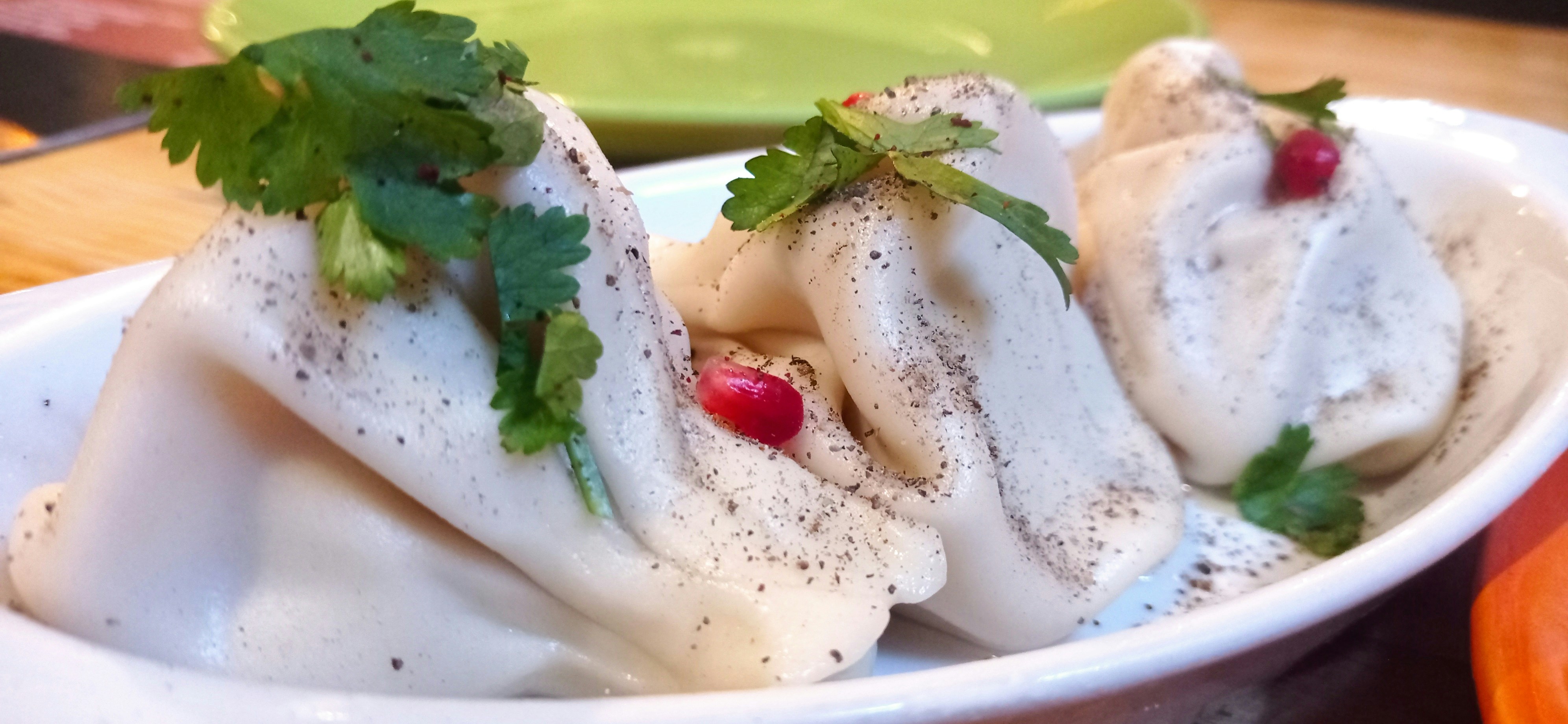
Introduction to Dolma

Dolma, a dish that captures the essence of culinary tradition across the Middle East and Mediterranean, has become an iconic representation of diverse cultural influences. Defined generally as vegetables, often grape leaves, that are stuffed with a mixture of rice, spices, and sometimes meat, dolma exemplifies the versatility and adaptability of regional cuisines. Its preparation methods may vary; however, the delightful filling remains a unifying characteristic that endears dolma to palates around the world.
This cherished dish is not merely a culinary delight but also a symbol of hospitality and family bonding in many cultures. The act of preparing dolma often involves communal effort, as family and friends gather to partake in the stuffing process, enhancing both the flavor and the cultural significance of the meal. Each region has its unique variations; for instance, in Greece, dolma might be made with lemon sauce, while in Turkey, a more spiced rice filling may take prominence. Thus, dolma not only serves as a delectable dish but also acts as a vessel of cultural expression and heritage.
The Origin and History of Dolma
Dolma, a beloved dish known for its exquisite flavors and rich textures, boasts a robust history that stretches back to the ancient civilizations of the Near East. Its origins can be traced to the fertile crescent, a region that laid the foundation for agriculture and culinary arts. Scholars suggest that the earliest instances of stuffing vegetables may have emerged in the region around 2000 BC, with the practice gradually evolving to encapsulate a variety of ingredients wrapped in leaves or other edible components.
Throughout the centuries, dolma has been embraced and adapted by numerous cultures, each contributing unique touches to its preparation. In the Ottoman Empire, the dish flourished, with recipes incorporating a diverse array of spices, meats, and rice. The empire’s extensive reach allowed for the exchange of culinary ideas, enriching the dolma tradition. As a result, variations emerged across the Balkans, Mediterranean, and Middle Eastern countries, showcasing local ingredients and flavors.
Historical references to dolma can be found in ancient texts and literature, reinforcing its significance in various cultures. For instance, Persian poets wrote fondly of the dish, celebrating its role in feasts and communal gatherings. The dish not only serves as sustenance but also as a symbol of hospitality and cultural identity. In more recent history, dolma has transcended its geographical boundaries, appearing in diverse culinary settings, with recipes adjusted to cater to contemporary tastes while maintaining their historical essence.
In examining the evolution of dolma, it becomes evident that it is more than just a meal; it embodies a rich tapestry of shared histories and traditions. The interplay of cultures within the realm of dolma offers insights into societal values, agricultural practices, and communal bonds. This historical backdrop not only highlights dolma’s heritage but also enhances our appreciation for its enduring legacy in global cuisine.
Cultural Significance of Dolma
Dolma, a dish consisting of grape leaves or vegetables stuffed with a mixture of rice, spices, and sometimes meat, is steeped in cultural significance across various regions. This culinary tradition spans several countries, including Turkey, Greece, and the Middle Eastern nations where it is cherished not merely as food but as a symbol of hospitality and communal bonds. The preparation and sharing of dolma often transcend a mere dining experience, encapsulating family gatherings, festive celebrations, and communal events.
In many cultures, dolma is a staple at family reunions and holidays. For instance, during festive occasions such as Eid or harvest festivals, families come together to prepare traditional dolma, passing down recipes from generation to generation. This process fosters a sense of belonging and connection, as family members unite in their shared culinary heritage. It is common to witness the art of rolling dolma as a communal activity, where various generations cooperate, creating not only the dish but reinforcing familial ties.
Furthermore, dolma often appears at significant communal events, such as weddings and religious celebrations, highlighting its importance as a symbol of togetherness. The act of sharing dolma with guests is perceived as an expression of welcome and generosity, reflecting cultural values that prioritize hospitality. Each region may have its own variations and methods of preparation, yet the overarching theme remains: dolma embodies the spirit of unity and sharing, transcending cultural boundaries.
The dish has thus gained a paramount place within culinary traditions, signifying more than just a meal but rather a vessel of cultural identity. Through its ability to bring people together, dolma stands as a testament to the profound connections that food can forge across diverse cultures, reinforcing the roles of hospitality and shared experience in society.
The Various Types of Dolma
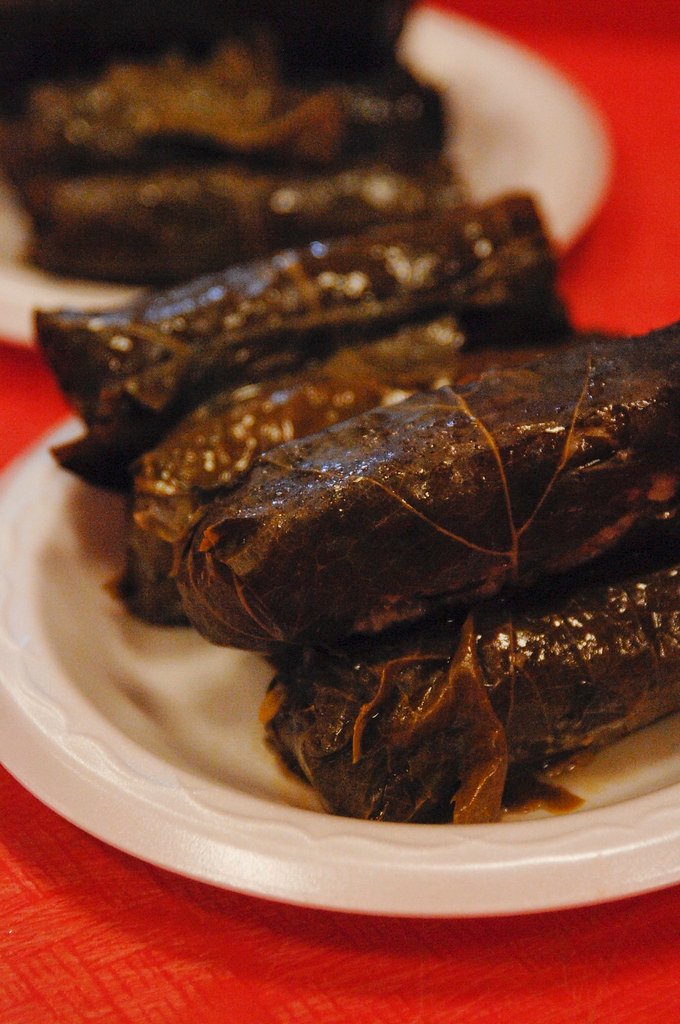
Dolma, a beloved dish that has transcended borders, encompasses a variety of stuffed vegetables, with each regional variation highlighting unique ingredients and cooking methods. The most recognized form of dolma is the stuffed grape leaf, traditionally filled with rice, pine nuts, and herbs. This delicacy is often enjoyed either warm or cold, with a drizzle of lemon juice enhancing its flavors. Turkish dolmas frequently include finely ground meat, adding hearty depth to the fillings.
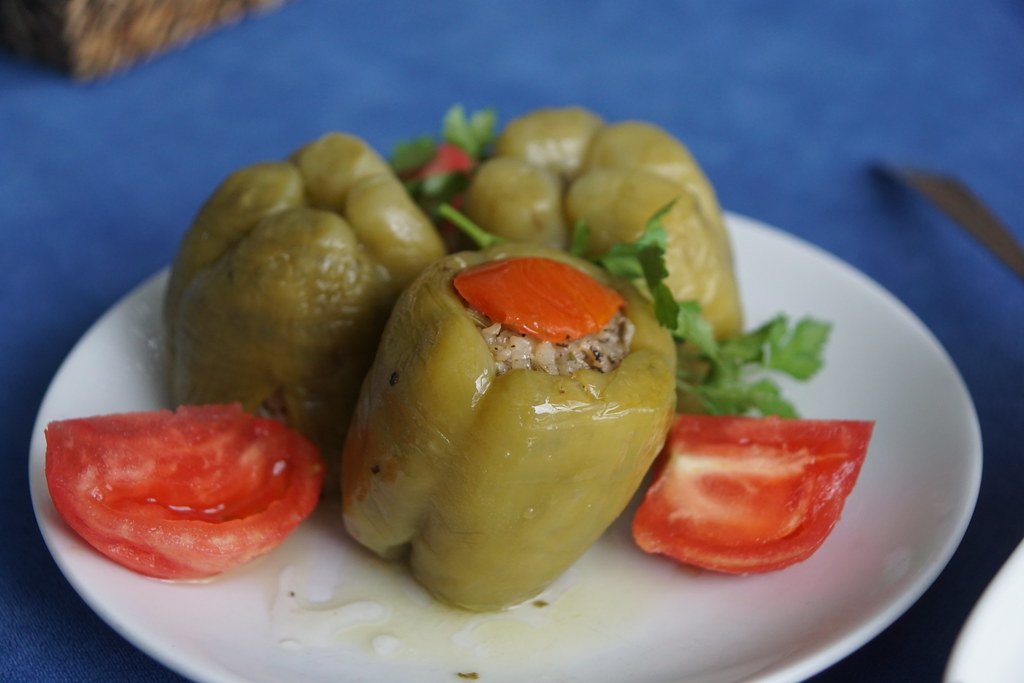
In addition to grape leaves, dolmas extend to a diverse range of vegetables such as peppers, zucchinis, and eggplants. Stuffed peppers, commonly found in Middle Eastern cuisine, feature a mixture similar to that of grape leaves, often incorporating spices like cinnamon or allspice to embody regional palates. Zucchini dolmas, on the other hand, may utilize a lighter rice blend, reflecting the vegetable’s delicate flavor. The thin skin of zucchinis allows for a tender bite, making them a preferred choice in summer months.
Regional influences significantly shape the dolma landscape. For example, in the Mediterranean regions, ingredients like saffron or currants might be added to create nuanced tastes, while in Anatolia, you may encounter unique spice combinations or even the addition of local nuts. Some variations involve using grains other than rice, such as bulgur or quinoa, adapting the dish to modern dietary preferences. The differences in fillings and seasonings are a testament to the availability of local produce and culinary traditions. Each type of dolma not only serves as a delightful dish but also tells a story about the people and places from which it originates, showcasing the rich mosaic of cultures intertwined through this simple yet versatile food.
Dolma: Ingredients and Preparation
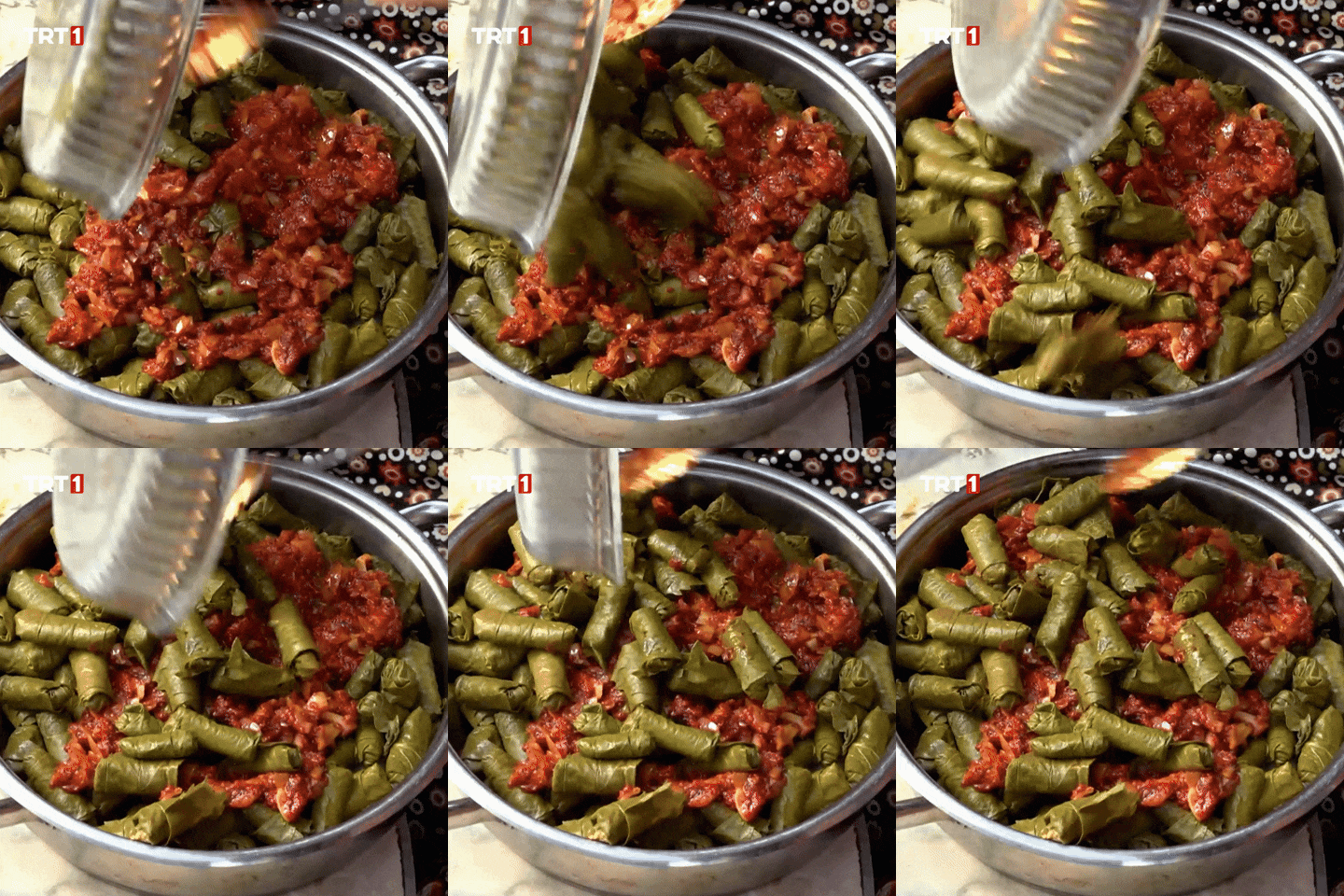
Dolma, a dish with an ancient heritage, typically features a harmonious blend of ingredients that reflect the culinary traditions of its regions of origin. The foundational components of dolma include rice, which acts as the primary filling. The rice is often mixed with a variety of spices such as cinnamon, allspice, and black pepper, which contribute to the dish’s distinctive flavor profile. Additionally, minced meat, commonly lamb or beef, is incorporated to enhance richness. Vegetarians may prefer recipes that substitute meat with legumes or an assortment of vegetables, allowing for a modern take on this classic dish.
Fresh herbs such as dill, parsley, and mint not only infuse the filling with vibrant flavors but also provide a fresh contrast to the richness of the meat and rice combination. Nuts, particularly pine nuts, are often added for texture and a subtle earthiness, further elevating the dish. The diverse origins of dolma mean that ingredients may vary; for instance, some variations include the use of grape leaves, while others may utilize vegetables like bell peppers, zucchini, or eggplant as edible vessels.
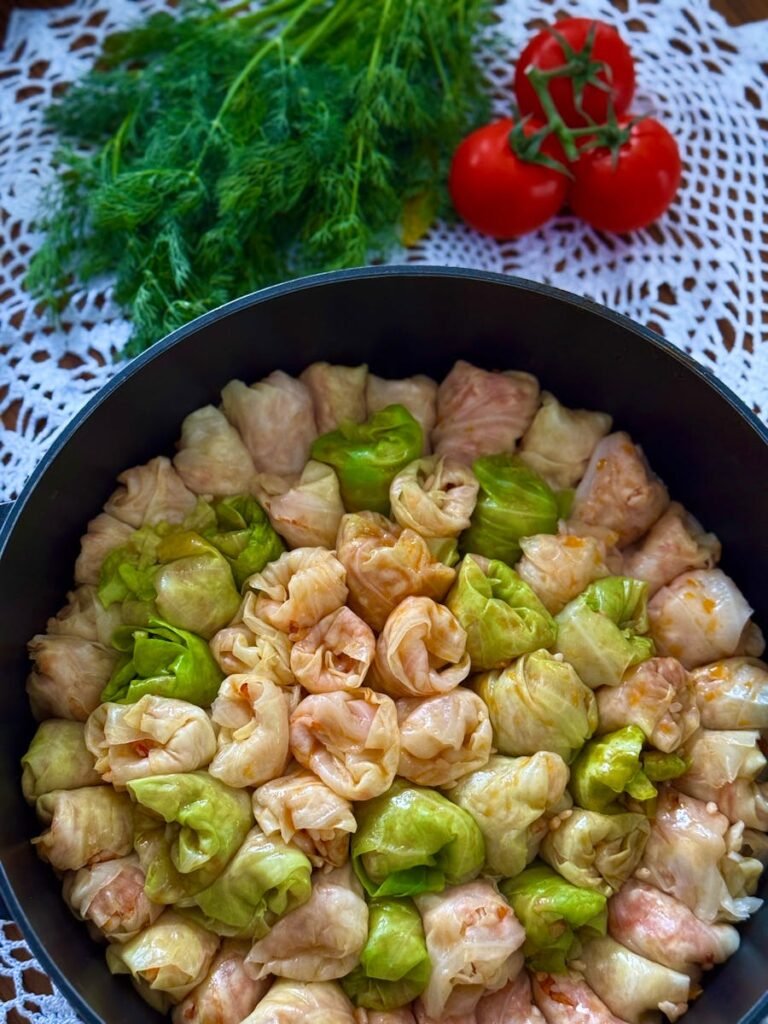
The preparation of dolma involves several traditional techniques, emphasizing the importance of method alongside ingredients. The process begins with the careful washing and soaking of the rice to ensure that it cooks evenly. Once the filling is prepared, the art of rolling the dolma comes into play. Each leaf or vegetable is gently filled and rolled into neat packets, ensuring a secure closure to hold in the flavors during cooking. Layering is also an important aspect; dolmas are often arranged in a pot with a careful alignment that allows them to steam evenly. Cooking methods can vary, with many opting for a slow simmer in a rich broth or lemon-infused water, which permeates the dolma as they cook, enhancing the overall taste. This thoughtful attention to ingredients and preparation techniques ultimately leads to the creation of dolma that is both delicious and steeped in cultural significance.
Taste Profile and Texture of Dolma
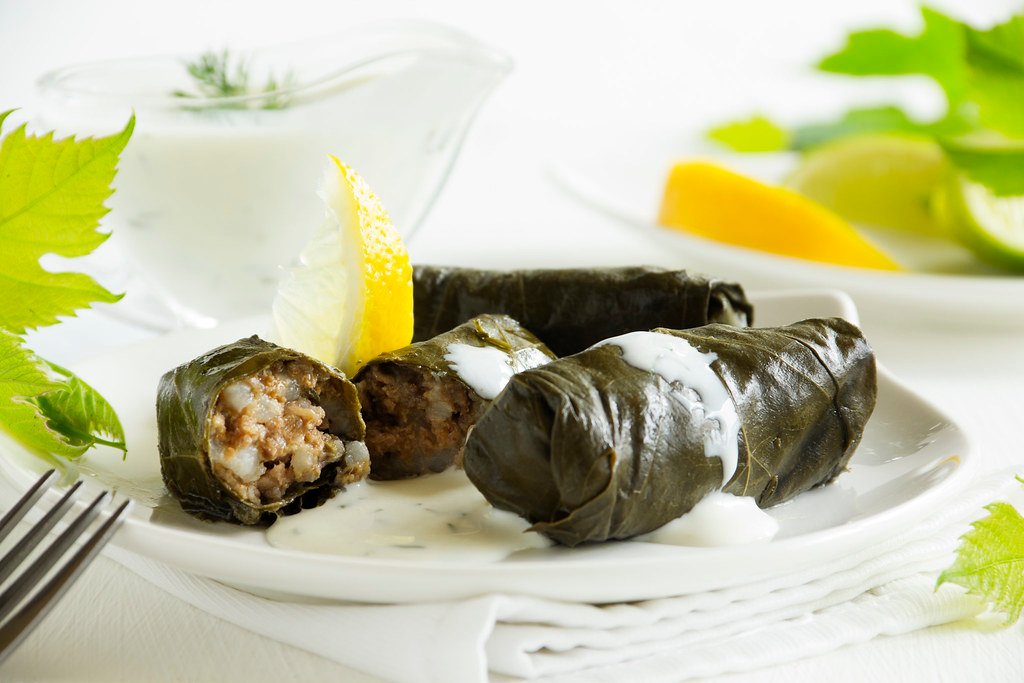
The taste profile of dolma is a delightful tapestry woven from diverse ingredients, culminating in a sensory experience that is both rich and complex. At its core, dolma combines an array of flavors, ranging from tangy and herbaceous to savory and mildly sweet. The tanginess often comes from the addition of lemon juice or sumac, which not only elevates the overall dish but also acts as a counterbalance to the rich stuffing traditionally made from rice, meat, herbs, and spices. This contrast creates a harmonious blend that entices the palate.
The stuffing’s richness is further enhanced by the fragrant spices commonly used, such as allspice, cinnamon, and parsley. Each ingredient plays a crucial role in harmonizing the flavors; the meat provides a hearty foundation, while the rice absorbs and melds the spices, resulting in a satisfying filling. This symphony of tastes encapsulates the essence of dolma, making it a versatile dish that can cater to various preferences, whether one opts for a meat-based or vegetarian version.
In terms of texture, the outer layer of grape leaves or vegetables serves as an essential element of the dish. The grape leaves, when properly prepared, are tender yet slightly firm, lending a pleasant resistance when bitten into. This contrasts beautifully with the soft, slightly sticky stuffing inside, which offers a moist mouthfeel. On the other hand, vegetable dolma, using options such as zucchini or bell peppers, presents a different texture altogether. These vegetables provide a crispness that complements the tender stuffing, making each bite an engaging experience. The interplay of tender and crisp, tangy and rich, elevates dolma beyond mere sustenance; it transforms it into a quintessential comfort food that invites sharing and celebration.
Modern Adaptations of Dolma
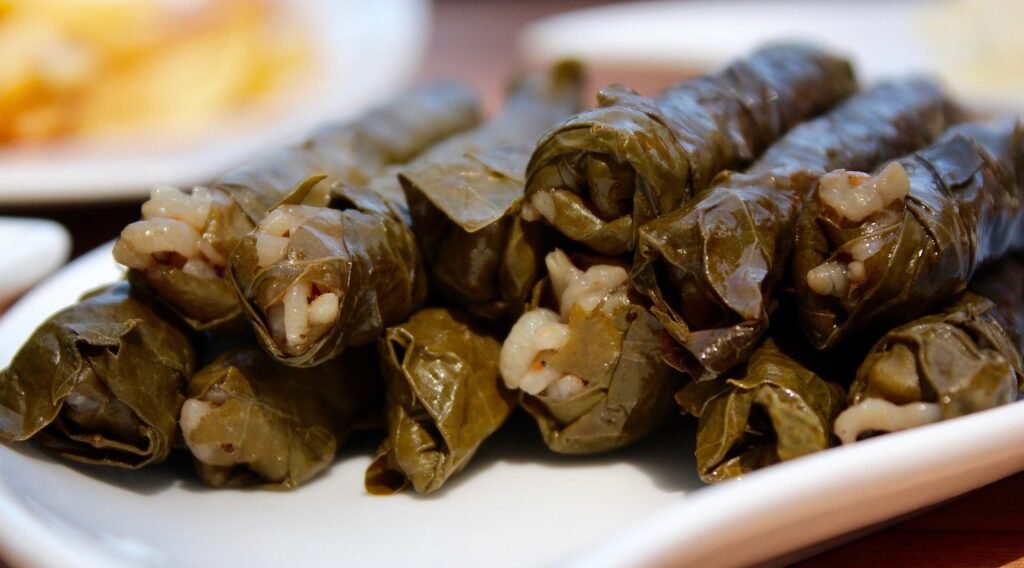
The traditional dish of dolma, which consists of grape leaves or vegetables stuffed with rice, meat, and various spices, has undergone significant transformations in the contemporary culinary landscape. As dietary preferences evolve and globalization continues to play a crucial role in food production and consumption, modern adaptations of dolma have emerged, bringing fresh interpretations to this time-honored recipe. One of the most notable changes is the rise of vegan and vegetarian versions of dolma. Chefs are now exploring ingredients such as quinoa, lentils, or mixed vegetables as primary fillings, allowing those with dietary restrictions to enjoy this classic dish without compromising their principles. The prevalence of plant-based diets has inspired a thorough reimagining of the flavors and textures traditionally associated with dolma.
Furthermore, the infusion of fusion cuisine into dolma variations illustrates how culinary boundaries can be blurred. Innovative chefs are now combining elements from different cultures to create exciting dishes that reflect both tradition and modernity. For instance, dolma might be paired with flavors from East Asian cuisine or even Latin American spices, leading to unexpected yet harmonious taste profiles. Such fusion adaptations not only appeal to a broader audience but also exemplify the adaptability of dolma and its ability to remain relevant amidst changing food trends.
The globalization of food has significantly impacted the availability and variation of dolma. With the influence of food blogs, social media, and culinary shows, recipes can now transcend geographical boundaries, allowing for cross-cultural exchanges that inspire new techniques and ingredients. These contemporary adaptations embody the spirit of dolma, which has always been a vessel for showcasing creativity and communal sharing. By embracing modern principles and techniques while honoring its roots, dolma continues to evolve, ensuring its place in modern culinary experiences.
Dolma in Restaurant Culture
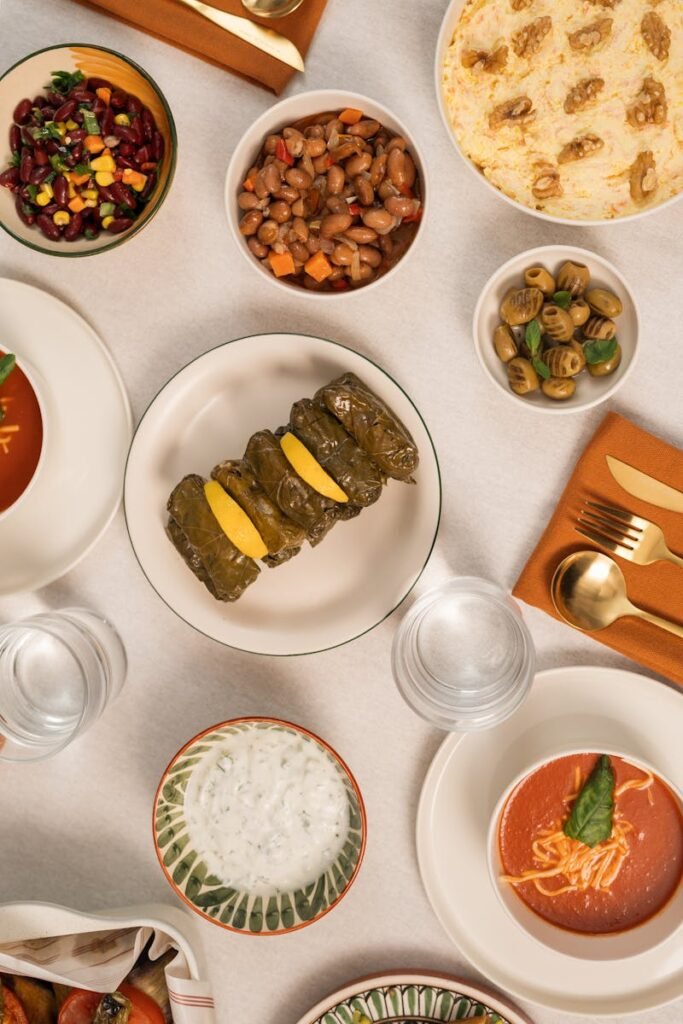
Dolma has emerged as a cherished dish in the realm of restaurant culture, particularly within establishments that focus on Middle Eastern and Mediterranean cuisine. From fine dining restaurants to casual eateries, this stuffed vegetable delicacy showcases its versatility and popularity on diverse menus. Prized for both its rich flavors and cultural significance, it remains a culinary staple that caters to a wide array of palates.
In fine dining settings, dolma is often presented with an artistic flair. Chefs may opt to serve it with a drizzle of saffron-infused yogurt or alongside a vibrant herb salad, enhancing its visual appeal while highlighting the intricate flavor profiles of the stuffed ingredients. Furthermore, variations such as grape leaves filled with spiced rice and minced meat or vegetarian options filled with lentils and nuts are increasingly common. This creative twist on traditional recipes allows chefs to innovate while staying true to the essence of dolma.
In more casual restaurant environments, dolma retains its charm as a comfort dish. Menu items may feature simpler presentations, often accompanied by classic dips such as tzatziki or hummus, making it accessible for a broad audience. Pricing for dolma can vary, with upscale restaurants typically charging higher due to the quality of ingredients and preparation techniques involved. Conversely, casual eateries often offer it as a budget-friendly option, appealing to those looking for authentic flavors without compromising on quality.
The rising popularity of dolma reflects broader trends in the dining industry, where there is an increasing appreciation for ethnic cuisine. The dish’s prevalence on menus is a testament to its enduring appeal and adaptability, securing its status as a beloved staple in diverse culinary landscapes.
Conclusion: The Timeless Appeal of Dolma
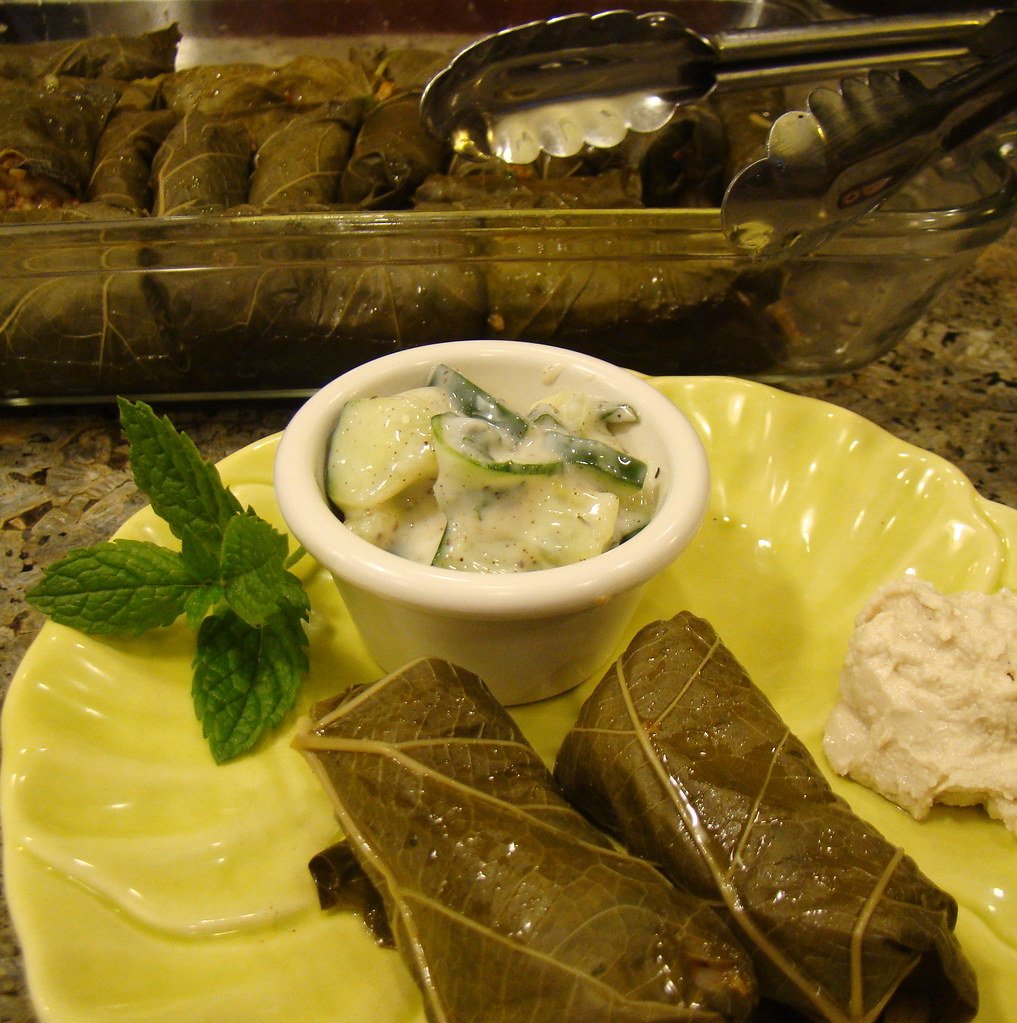
Dolma, a dish with rich historical roots, transcends generations and cultural boundaries, exemplifying the beauty of culinary traditions. Originating from the Mediterranean and deeply embedded in the cuisines of several countries, dolma has evolved into a beloved staple that continues to resonate with people worldwide. This dish, typically consisting of vine leaves or vegetables stuffed with a mixture of rice, herbs, and sometimes meat, is not just a meal but a symbol of community and togetherness.
One of the remarkable aspects of dolma is its adaptability, which allows it to be reinterpreted by different cultures while staying true to its essence. From the savory Turkish sarma to the fragrant Greek dolmadakia, each variation reflects the local ingredients and culinary practices, reinforcing the dish’s universal appeal. This versatility contributes to its continued relevance, as families and communities gather to enjoy dolma, fostering a sense of belonging and connection.
The preparation of dolma often becomes a familial ritual, where loved ones come together to cook and share stories, making the experience as significant as the meal itself. Through generations, the act of wrapping vine leaves or vegetables invokes memories of tradition, love, and the passing down of recipes. Furthermore, these gatherings highlight dolma’s role in cultural celebrations, where it is featured prominently during feasts and special occasions, serving as a testament to its importance in social and communal life.
As we reflect on the enduring popularity of dolma, it becomes clear that this dish embodies more than just flavors; it encapsulates history, love, and the spirit of togetherness. It is a culinary treasure that binds people across cultures, illustrating how food can be a shared experience that transcends time and space.