
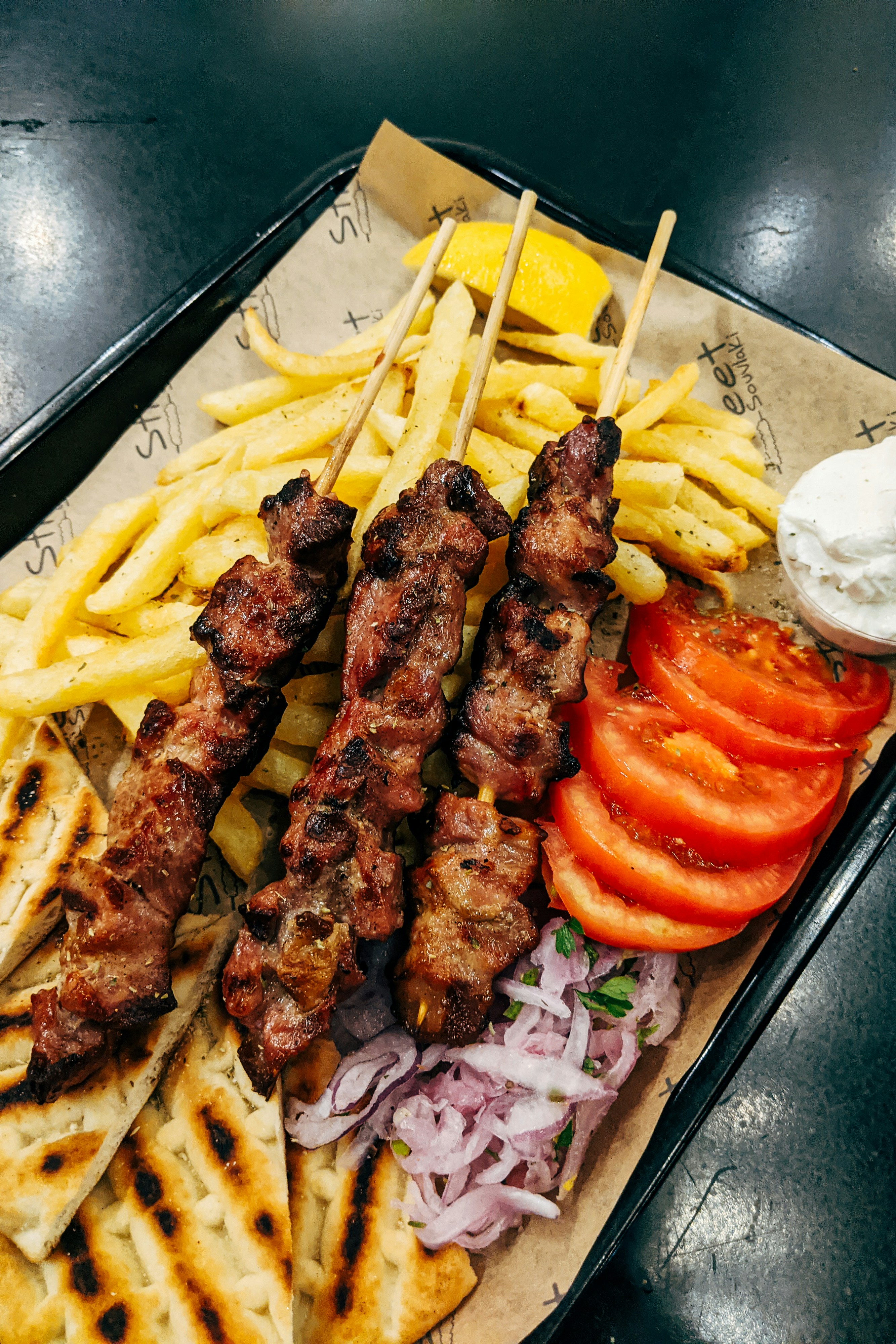
- The Origins of Souvlaki
- The History of Souvlaki: A Culinary Journey
- The Meaning of Souvlaki in Greek Culture
- Souvlaki: A Taste of Greece
- Texture: The Sensory Experience of Souvlaki
- Variations of Souvlaki Around the World
- How to Enjoy Souvlaki: Serving Suggestions
- Souvlaki in Contemporary Cuisine
- Conclusion: The Enduring Allure of Souvlaki
The Origins of Souvlaki
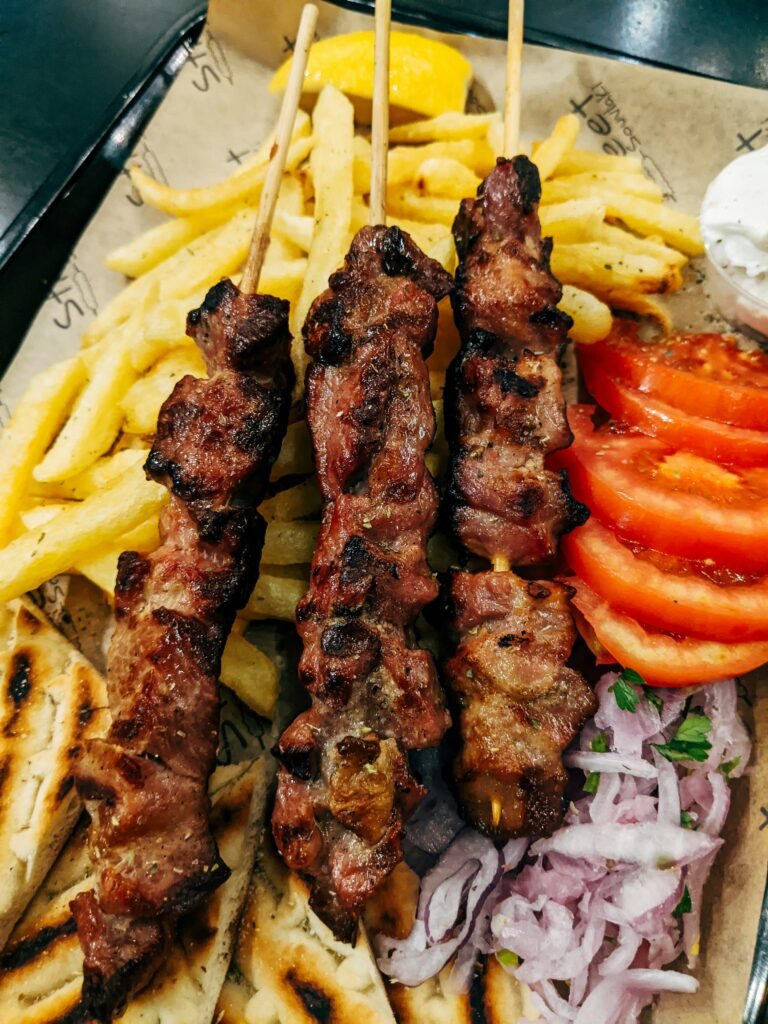
Souvlaki, a dish that has become synonymous with Greek cuisine, has its roots firmly planted in antiquity. Historical records indicate that the concept of skewered meat traces back to the ancient Greeks, with evidence suggesting that as early as the 5th century BC, they were preparing pieces of meat cooked on skewers. The term “souvlaki” itself derives from the Greek word “souvla,” meaning skewer, signifying the method of cooking meat over an open flame, a technique deeply embedded in the tradition of Greek gastronomy.
The early preparation of souvlaki involved marinating chunks of meat, often pork or lamb, which were then threaded onto wooden or metal skewers. The meats were seasoned with a variety of spices, herbs, and olive oil, drawing from the abundant natural resources of the Mediterranean region. The technique emphasized the importance of using fresh, high-quality ingredients, aligning with the Mediterranean diet principles that prioritize local and seasonal food.
Over the centuries, this dish underwent significant evolution. During the Byzantine Empire, more sophisticated methods of preparation emerged, incorporating various flavors and cooking styles. As the Hellenistic culture spread throughout the Mediterranean, the culinary practices surrounding souvlaki began to mingle with other regional cuisines. Consequently, souvlaki diversified, leading to numerous regional variations that are prevalent today.
Notably, in the early 20th century, souvlaki began to appear as street food, becoming an essential part of Greek culture and daily life. Vendors selling souvlaki can now be found throughout the streets of Greece, serving this beloved treat in pita bread with accompaniments such as tomatoes, onions, and tzatziki sauce. The enduring popularity of souvlaki is a testament to its rich history and cultural significance, serving not only as a meal but also as a representation of Greek identity and heritage.
The History of Souvlaki: A Culinary Journey
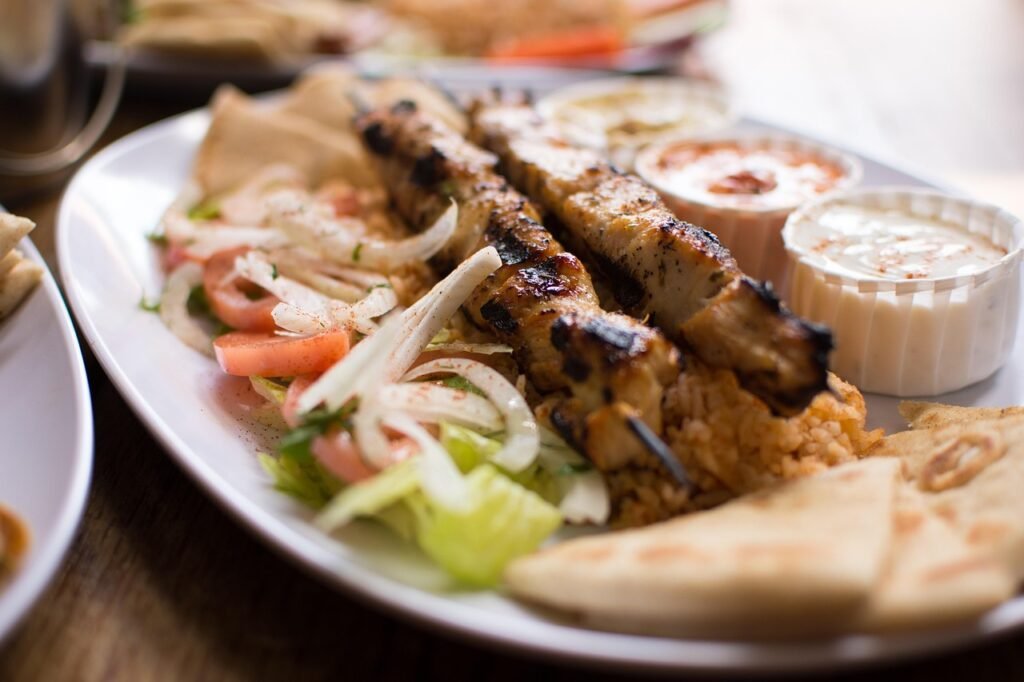
The origins of souvlaki can be traced back to ancient Greece, where the practice of grilling meat on skewers was likely conceived. Historical accounts suggest that a similar delicacy existed as early as the 5th century BCE, evidenced by references in classic Greek literature. Poems from poets such as Homer depict scenes where meat is roasted over an open flame, which highlights both the central role of grilling in Greek culinary traditions and the importance of communal eating. These early forms of souvlaki were simple skewers of meat, typically accompanied by bread and vegetables.
With the expansion of the Roman Empire, Greek cuisine adapted to various cultural influences. The Romans brought their culinary techniques and ingredients, which greatly enhanced the flavors and diversity of Greek street food. Souvlaki, as it evolved during this period, began to incorporate additional spices and preparation methods, making it richer in flavor and complexity. The social structures also influenced dining customs; the practice of sharing grilled meats on skewers became a popular street food option that gained immense popularity in urban settings.
By the 20th century, souvlaki emerged as an integral part of Greek culture, firmly establishing itself within the culinary landscape of Greece. After World War II, as cities rebuilt and populations moved towards urban centers, street vendors began selling souvlaki from small stalls, making it an accessible meal for all segments of society. It was during this time that souvlaki transitioned from a rustic street food to a staple of casual dining in Greek restaurants.
Today, souvlaki continues to evolve while remaining a beloved symbol of Greek culinary heritage. Its preparation has diversified with the introduction of alternative ingredients and vegetarian options, reflecting modern dietary preferences. As we savor this iconic dish, appreciating its rich history underscores the ongoing relationship between Greece’s past and its contemporary culture.
The Meaning of Souvlaki in Greek Culture
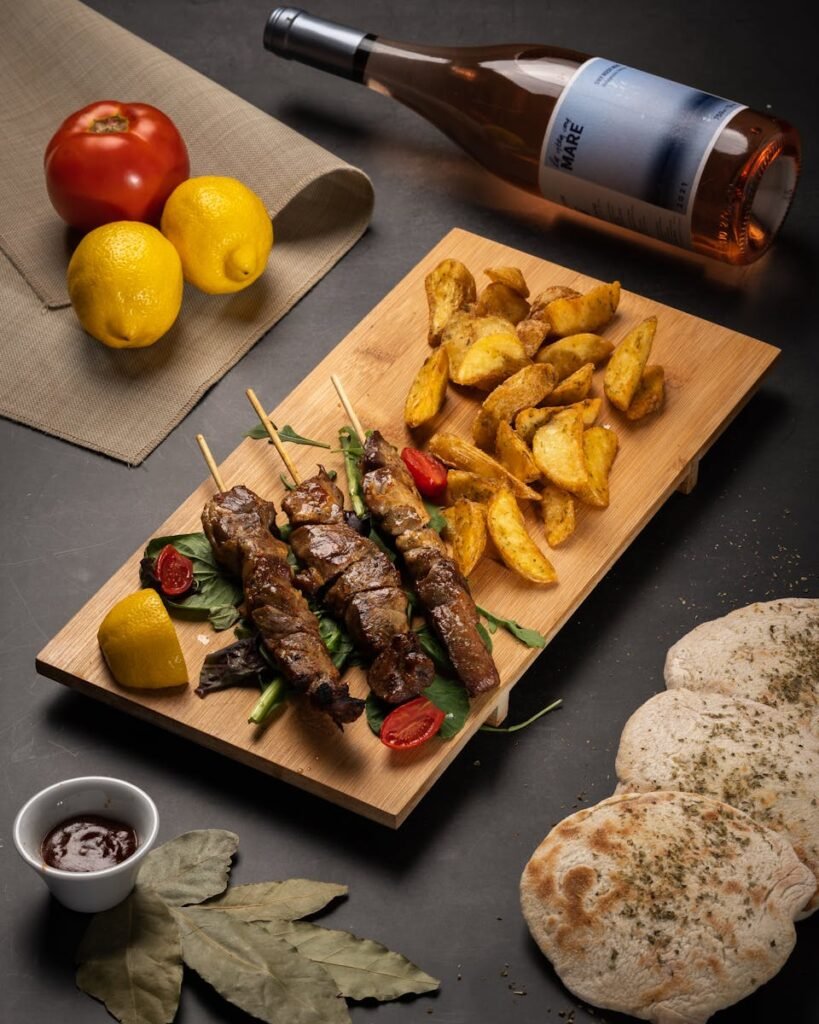
Souvlaki, a popular dish made of skewered meat, embodies not only a cherished culinary delight but also a significant aspect of Greek culture and identity. Rooted in tradition, this dish is often associated with gatherings where families and friends come together to share a meal. The communal experience of enjoying souvlaki highlights the values of hospitality and conviviality that are deeply embedded in Greek society. It is customary for hosts to offer souvlaki to guests, signifying warmth and welcome and reinforcing the importance of social bonds within the community.
The preparation and consumption of souvlaki frequently take place at social events such as family gatherings, picnics, and festivals, underscoring its role as an emblem of communal celebration. By sharing souvlaki, individuals participate in a ritual that extends beyond mere nourishment; it fosters a sense of belonging and unity among those who partake in the meal together. As a versatile dish, souvlaki can be adapted to various tastes and preferences, further affirming its place in the collective culinary identity of Greece.
Moreover, souvlaki serves as a representation of national identity, known to both locals and tourists as a hallmark of Greek street food. Its popularity has transcended borders, showcasing Greece’s rich culinary heritage to the world. The sight of souvlaki stalls and restaurants in towns and cities across Greece encapsulates the vibrancy of Greek gastronomy. As people savor souvlaki in various settings—from beachside tavernas to urban street corners—it resonates as more than just a meal; it embodies a shared experience that strengthens cultural ties and reflects the essence of Greek hospitality.
Souvlaki: A Taste of Greece

Souvlaki is much more than just a dish; it embodies the essence of Greek cuisine, with its rich flavors and unique preparation methods captivating the palate. The authenticity of souvlaki lies primarily in its marination process, key to achieving the dish’s remarkable taste. Traditionally, the meat—commonly pork, chicken, or lamb—is marinated for several hours or even overnight, allowing it to absorb a mixture of olive oil, lemon juice, garlic, oregano, and sometimes even vinegar. This blend of ingredients not only infuses the meat with robust flavors but also serves to tenderize it, rendering each bite juicy and aromatic.
The complexity of souvlaki’s taste is further heightened by the spices commonly employed in the marination process. Greek oregano stands out as a staple, its earthy notes complementing the charred essence of the grilled meat. Additionally, combinations of allspice, cumin, and coriander are often utilized to introduce a warm, aromatic character, enhancing the taste profile. As the skewers cook over an open flame, the high heat caramelizes the exterior, introducing smoky undertones that beautifully contrast the bright and zesty flavors of the marinade.
Accompanying sauces play an essential role in the souvlaki experience, drawing upon Greek culinary traditions to create a balance of flavors and textures. Tzatziki, a yogurt-based sauce enriched with garlic, cucumber, and herbs, provides a refreshing counterpoint to the savory meat. Alternatively, a drizzle of spicy chili sauce can be added, intensifying the flavor and adding a kick that appeals to those who enjoy heat. The interaction between the meat and these sauces exemplifies the juxtaposition of tastes that makes souvlaki a quintessential Greek delight. Each component—from the marinated skewer to the accompanying sauces—culminates in a dish that is not only satisfying but invites diners on a flavorful journey through Greece.
Texture: The Sensory Experience of Souvlaki

Souvlaki, a beloved Greek dish, offers a unique combination of textures that contribute significantly to its overall appeal. One of the most notable characteristics of souvlaki is the crispiness of the grilled meat. The cooking process over an open flame creates a delectable outer layer that is slightly charred, while the interior remains tender and juicy. This contrast between the exterior and interior not only enhances the taste but also provides a satisfying crunch that captivates the palate. Each bite delivers an enjoyable layering of textures that appeals to both the mouth and the mind.
The accompanying pita bread adds another level of sensory pleasure. Generally soft and warm, it serves as the perfect vehicle for the souvlaki. Its pliability allows it to be easily wrapped around the meat, yet it holds its structure well, ensuring that the ingredients remain intact while being consumed. The mild flavor of the pita complements the bold taste of grilled meat, creating a harmonious balance between the two. The way the pita envelops the souvlaki enhances the overall experience, allowing for each bite to involve the enticing interplay of tenderness and flavor.
Additionally, the creamy sauces typically served with souvlaki, such as tzatziki, contribute an inviting smoothness to the dish. The coolness of tzatziki, with its yogurt base interspersed with cucumber, garlic, and herbs, contrasts beautifully with the warmth of the grilled meat and the soft pita. This rich creaminess not only elevates the dish in terms of flavor but also adds a luxurious texture that rounds out the eating experience. The blend of crisp, soft, and creamy textures in souvlaki creates an intricate and delightful sensory experience, making it a dish that is truly enjoyable from the first bite to the last.
Variations of Souvlaki Around the World
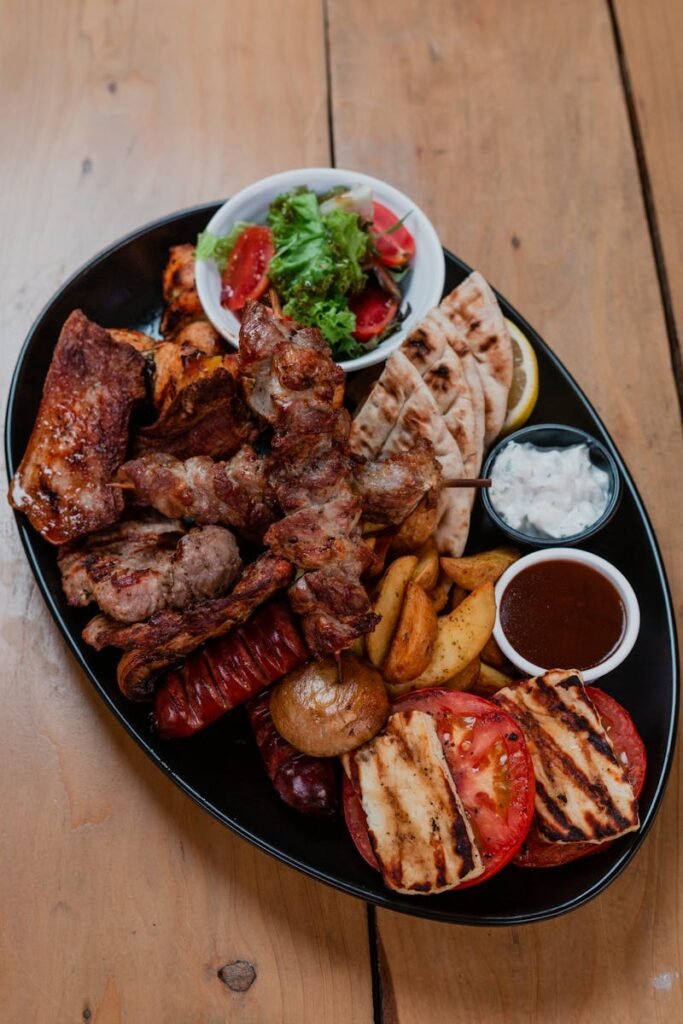
Souvlaki, a classic Greek dish consisting of skewered meat, has become a widely embraced culinary favorite across the globe. While its origins can be traced back to Greece, various countries have adapted this delicious dish, resulting in a multitude of regional interpretations that reflect local tastes and ingredients.
In Greece, souvlaki can vary significantly from one region to another. For instance, in Athens, the meat is often marinated in a mixture of olive oil, lemon juice, and various spices before being grilled to perfection. It is typically served with pita bread, tomatoes, onions, and tzatziki sauce. Conversely, in the coastal town of Kalamaki, souvlaki is often prepared with pork and sometimes features a more pronounced smoky flavor due to the traditional cooking methods used.
Going beyond the borders of Greece, variations of souvlaki have also made their mark in neighboring countries. In Turkey, for example, a similar dish known as “şiş kebab” exhibits a rich assortment of spices and often includes lamb or chicken, showcasing the unique culinary traditions of Turkish cuisine. This alternative version may serve as a point of cultural exchange between Greek and Turkish gastronomy, enriching both culinary landscapes.
Furthermore, souvlaki has transcended into other global markets, particularly in countries with large Mediterranean or Middle Eastern communities. In the United States, for instance, some food vendors have reimagined souvlaki by incorporating diverse flavors, such as barbecue or honey-glazed marinades, appealing to local palates while preserving its essence. The adaptability of souvlaki not only underscores the dish’s universal appeal but also highlights how global cuisines can influence and enrich one another.
How to Enjoy Souvlaki: Serving Suggestions

Souvlaki, a staple of Greek cuisine, is best enjoyed when served with a combination of traditional accompaniments and beverages that enhance its flavors. For a truly authentic experience, souvlaki is typically served on skewers, either directly from the grill or plated alongside a variety of sides that complement its savory taste. Common serving methods include placing the skewered meat atop a bed of warm pita bread, allowing diners to wrap tender pieces of meat with fresh vegetables such as tomatoes, onions, and crisp lettuce.
When considering sides, there are numerous options that pair nicely with souvlaki. Tzatziki sauce, consisting of yogurt, cucumber, and garlic, is a classic accompaniment that adds a refreshing element to the dish. Additionally, Greek salad, featuring ripe tomatoes, cucumbers, feta cheese, and olives, provides a contrasting texture and flavor profile, making it an ideal side choice. For those seeking a heartier addition, roasted potatoes or lemon potatoes seasoned with herbs can enhance the meal’s overall satisfaction.
To complete the dining experience, selecting the right beverage is crucial. Traditional beverages like retsina or ouzo can beautifully complement the flavors of grilled meat, adding a distinctly Greek touch to the meal. For a non-alcoholic option, fresh lemonade or a sparkling water infused with herbs can provide a refreshing counterpoint to the savory meat. Moreover, when preparing souvlaki at home, marinating the meat in a mixture of olive oil, lemon juice, and herbs prior to grilling can significantly elevate the dish’s taste.
Ultimately, enjoying souvlaki involves more than merely consuming it; it is about embracing the communal aspect of Greek dining culture. By setting the table with an array of sides, beverages, and festivities, one can recreate an authentic souvlaki experience that is rich in flavor and tradition.
Souvlaki in Contemporary Cuisine
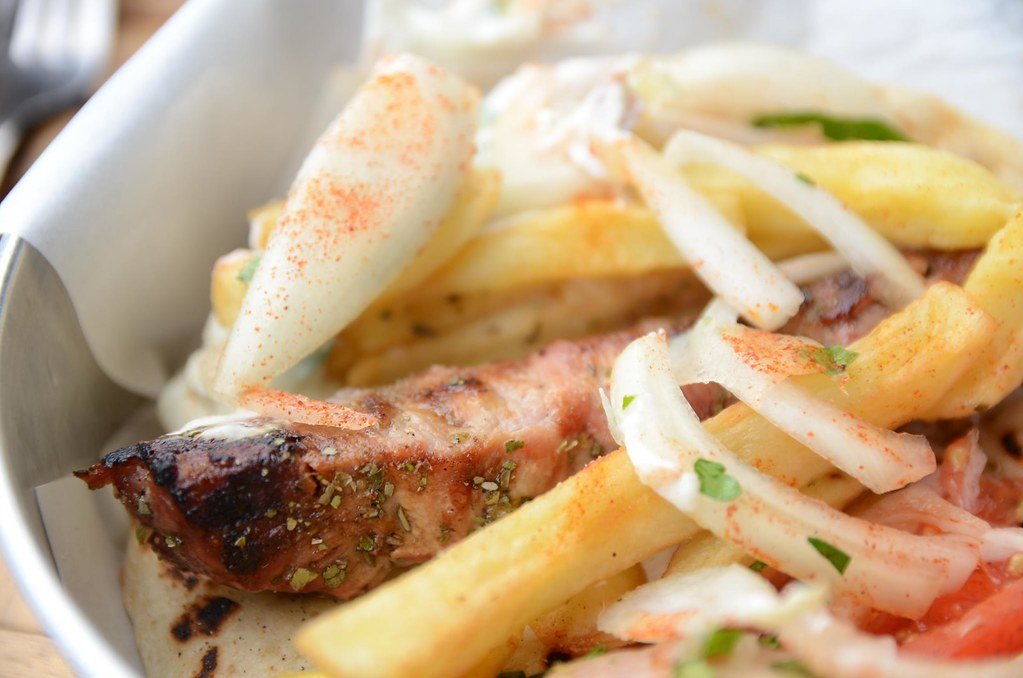
Souvlaki, a beloved staple of Greek street food, has found its way into the heart of contemporary gastronomy, transforming our culinary landscape. Its traditional roots are undeniably strong, yet chefs around the world are increasingly reinterpreting this classic dish. In the realm of fine dining, souvlaki is often elevated to new heights, showcasing innovative techniques and gourmet ingredients. This modern interpretation allows diners to experience the familiar flavors of souvlaki while enjoying the sophistication associated with haute cuisine.
In recent years, the emergence of food trucks has reinvigorated the popularity of souvlaki. These mobile kitchens bring authentic Greek flavor to diverse urban settings, often featuring gourmet twists that highlight local ingredients or unique flavor combinations. Food truck operators are adept at maintaining the core essence of souvlaki while enhancing its presentation and offering pairings with artisanal sides. This trend demonstrates how street food can seamlessly blend with contemporary culinary trends, appealing to both traditional and modern palettes.
Moreover, the influence of global fusion cuisine cannot be overlooked in the evolution of souvlaki. Many chefs experiment with incorporating international flavors and techniques, melding souvlaki with culinary traditions from around the world. For instance, you might discover souvlaki with Asian-inspired marinades or found in a taco format, creatively embracing the global palate while retaining the fundamental character of the dish. Such innovations not only broaden the appeal of souvlaki but also encourage a dialogue about what defines culinary boundaries.
Ultimately, the resurgence of souvlaki in contemporary cuisine speaks to its versatility and timelessness. Chefs are skillfully preserving its traditional essence while simultaneously exploring creative avenues. This balance highlights the potential of food to adapt and transform in response to changing tastes and cultural influences, ensuring that souvlaki remains a cherished part of both Greece’s culinary heritage and the wider gastronomic world.
Conclusion: The Enduring Allure of Souvlaki
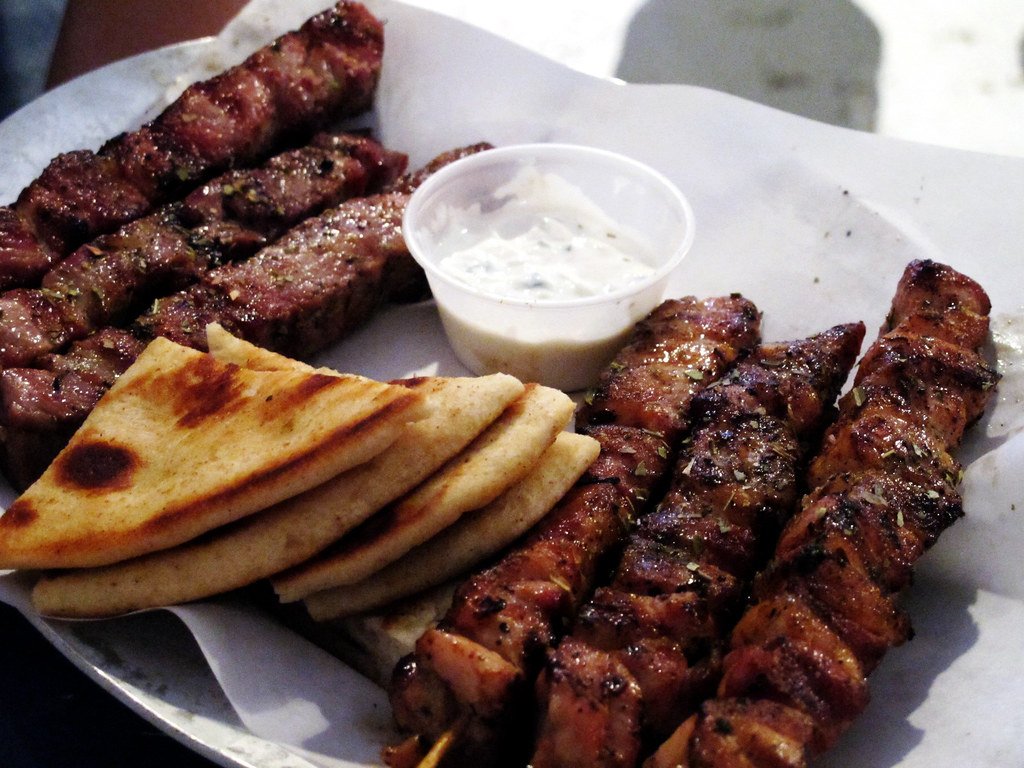
Souvlaki, a beloved dish originating from Greece, has captured the hearts and palates of enthusiasts around the world. Its historical roots can be traced back to ancient times, with references to skewered meats appearing in various texts, signifying its long-standing cultural significance. The adaptability of souvlaki, with its ability to blend traditional flavors with modern culinary twists, ensures that it remains relevant in today’s gastronomic landscape. Whether experienced in its classic form or in innovative variations, the essence of souvlaki resonates with a diverse audience.
The sensory experience that souvlaki offers is unparalleled. The aroma of perfectly grilled meat, the vibrant freshness of accompanying vegetables, and the explosion of flavor from carefully crafted marinades all contribute to a dining experience that is both satisfying and memorable. This dish not only delights the taste buds but also evokes feelings of nostalgia and connection to Greek heritage. The communal aspect of sharing souvlaki—often enjoyed at social gatherings or family meals—reinforces its role as a catalyst for connection among people.
As culinary trends continue to evolve, the enduring allure of souvlaki is evident in its presence across menus worldwide. From street vendors to fine dining restaurants, this dish embodies the spirit of Greek cuisine. Its versatility allows chefs to experiment with various ingredients while maintaining the authenticity that makes souvlaki a staple dish. In essence, the combination of historical significance, rich sensory attributes, and modern adaptability cements souvlaki’s status as a quintessential culinary masterpiece, ensuring its legacy remains alive for generations to come.