
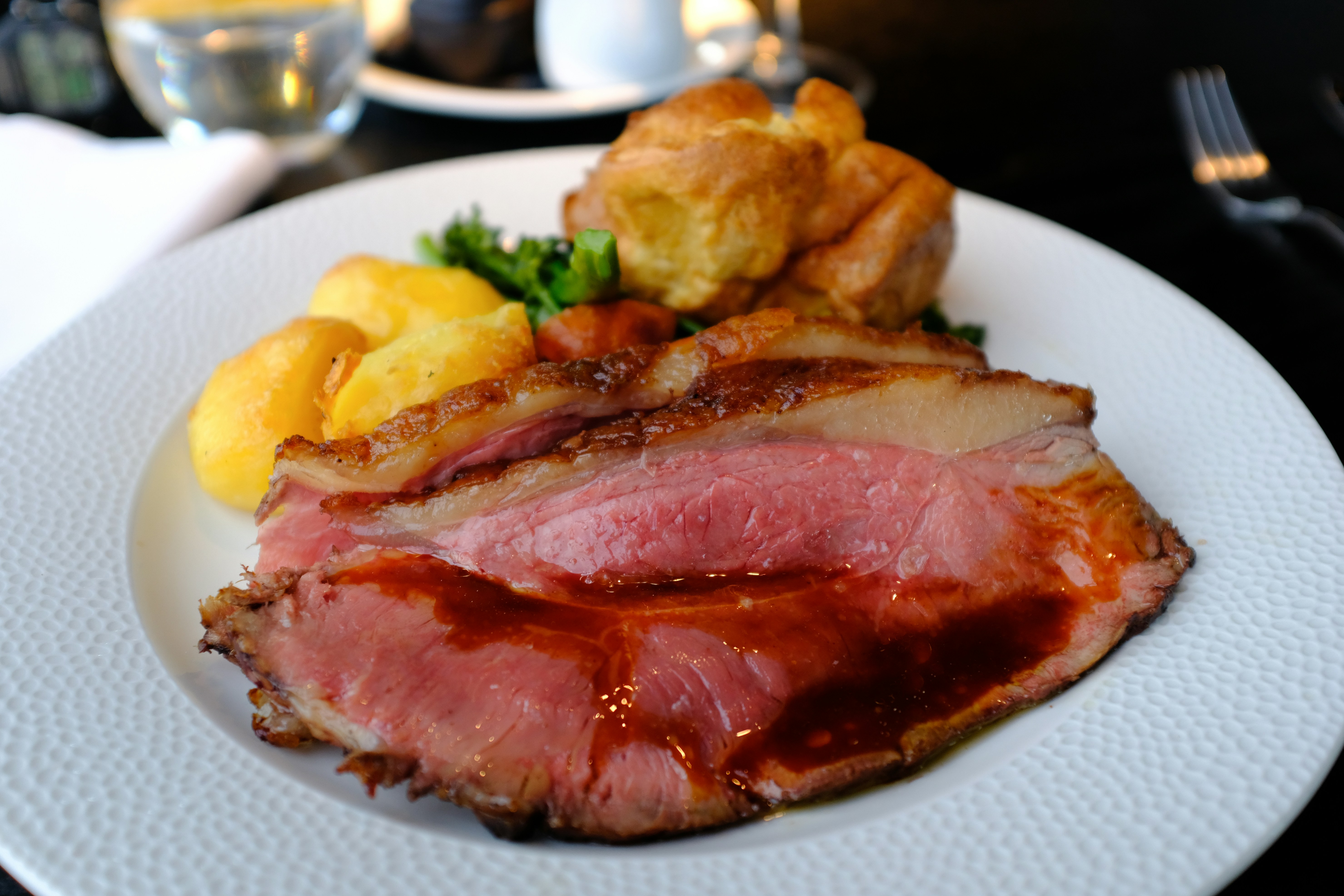
- Introduction to Roast Dinner
- The Origin and Historical Context of Roast Dinner
- Cultural Significance of Roast Dinner
- Component Breakdown: Meat, Vegetables, and Accompaniments
- The Taste Experience: What to Expect
- Texture and Presentation of Roast Dinner
- Health Considerations: Nutritional Aspects of Roast Dinner
- Modern Twists on the Traditional Roast Dinner
- Conclusion: The Enduring Legacy of Roast Dinner
Introduction to Roast Dinner

The roast dinner is a culinary tradition that has found its way into the hearts and homes of many cultures, particularly within Britain. This meal embodies not only a celebration of flavors but also serves as a communal experience that fosters togetherness among family and friends. Traditionally enjoyed on Sundays, roast dinner is regarded as the quintessential way to conclude the week, instilling a sense of comfort and nostalgia.
At its core, a roast dinner typically features a joint of meat, which can be prepared in various ways, depending on personal preference and cultural variations. Common choices include beef, chicken, lamb, and pork, each bringing its unique flavor profile to the dish. The cooking process usually involves roasting the meat in an oven, allowing the natural juices to enrich the dish. Accompanying the meat are a medley of roasted vegetables, such as carrots, potatoes, and parsnips, that are often seasoned and cooked alongside the meat to absorb its flavors.
Beyond the meat and vegetables, a roast dinner is rarely complete without essential accompaniments. Gravy—a rich sauce made from the meat drippings—serves as a flavorful addition to the plate. Yorkshire puddings, which are baked dough puffs, are also a traditional favorite, especially when served with British beef roasts. Additionally, condiments such as mint sauce, apple sauce, or horseradish provide an extra layer of taste, highlighting the diverse flavor combinations that can be achieved.
In several cultures, the roast dinner transcends mere sustenance; it signifies a ritualistic gathering and an opportunity to bond over shared meals. This dish not only reflects the culinary heritage of a region but also contributes to the social fabric of communities where it is served. As we delve deeper into the history and various interpretations of roast dinner, it is clear that this dish is as much about tradition as it is about the food itself.
The Origin and Historical Context of Roast Dinner
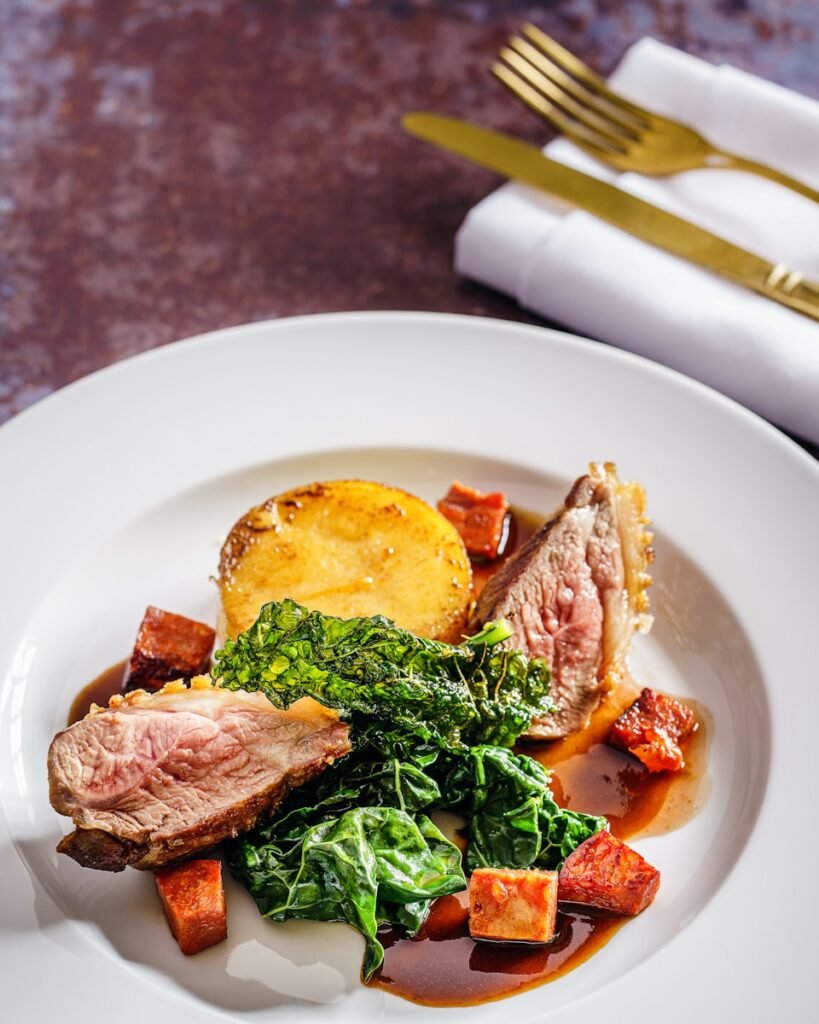
The roast dinner, a culinary staple, boasts a rich history that dates back to medieval Europe, where it first emerged as a symbol of prosperity and communal dining. The practice of roasting meat can be traced as far back as the 12th century, when large cuts of meat were roasted over an open flame or a spit. Initially, this method was not exclusive to any specific social class, but the serving of roast dinners became more common among the nobility, who could afford to indulge in lavish feasts featuring various meats, accompanied by seasonal vegetables.
During the medieval period, the banquet was not just about the food; it served as an opportunity to showcase wealth and power. Roast meats were often displayed as centerpieces at these grand occasions. As the centuries progressed, the tradition evolved, incorporating different spices and cooking methods that reflected the cultural exchanges occurring within Europe. By the time of the Renaissance, roast dinners had become commonplace in many households, marking a significant shift in accessibility to what was once considered a luxury.
The Industrial Revolution of the 18th and 19th centuries brought about notable changes to the way food was prepared and consumed. With the advent of coal-fired ovens, domestic cooking became more efficient, allowing families to embrace these traditional meals at home. This period also saw the introduction of various side dishes, leading to the quintessential roast dinner we recognize today—a complete meal featuring roasted meat, potatoes, and an array of vegetables, often served with gravy. Notably, the cultures of the British Isles adopted this practice fully, establishing Sunday as the traditional roast dinner day, solidifying its place in modern culinary customs.
In summation, the history of roast dinner is a narrative of cultural adaptation and evolution. It has transcended its medieval origins to become a beloved dish enjoyed across the globe, reflecting the communal spirit and culinary heritage that define many societies. The roast dinner remains a testimony to the enduring nature of culinary traditions in the fabric of human experience.
Cultural Significance of Roast Dinner
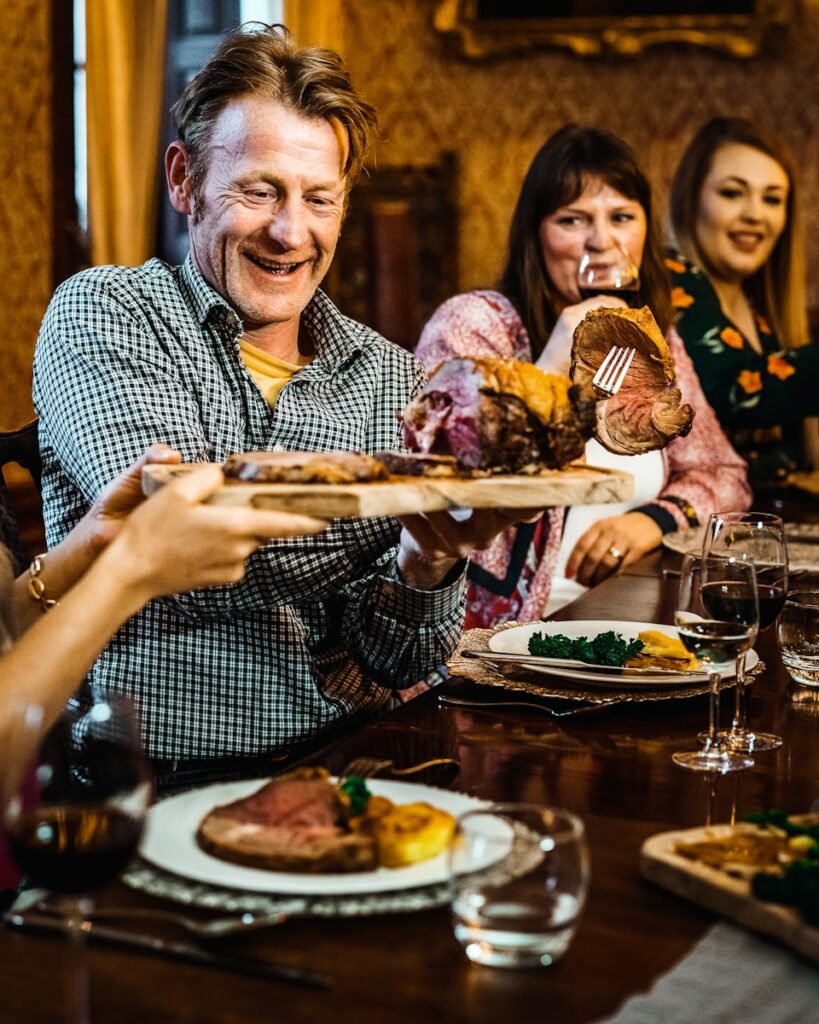
The roast dinner holds a prominent place in the cultural fabric of many societies, serving not only as a meal but also as a cherished tradition that fosters familial and communal bonds. In numerous cultures, the preparation and sharing of a roast dinner often coincide with gatherings, celebrations, and significant occasions, reinforcing the importance of togetherness. Around the world, families set aside time to convene around the dining table, with a roast dinner at its center, emphasizing the value placed on shared experiences.
In the United Kingdom, for instance, the Sunday roast has become an iconic routine. Traditionally enjoyed after a long week, families and friends come together to savor a hearty meal that may include various meats such as beef, chicken, or lamb, accompanied by an array of sides, including Yorkshire pudding, roasted vegetables, and gravy. This ritual not only strengthens family ties but also serves as a moment for individuals to pause and reconnect, highlighting the significance of communal dining.
Regional variations of the roast dinner further illustrate its adaptability and cultural richness. Italian communities have their own version of a roast, often blending local flavors with hearty cooking techniques. In the Caribbean, the concept transforms into a vibrant feast, infusing traditional meats with spices and side dishes unique to the region. Through these variations, the roast dinner reflects each culture’s values and culinary preferences, making it a versatile dish that adapts seamlessly to different palates.
This communal aspect of the roast dinner is instrumental in fostering relationships, not just within families but also among friends and communities. By partaking in this sharing of food, individuals engage in a cultural practice that transcends borders, making the roast dinner a true symbol of unity and celebration across diverse societies.
Component Breakdown: Meat, Vegetables, and Accompaniments
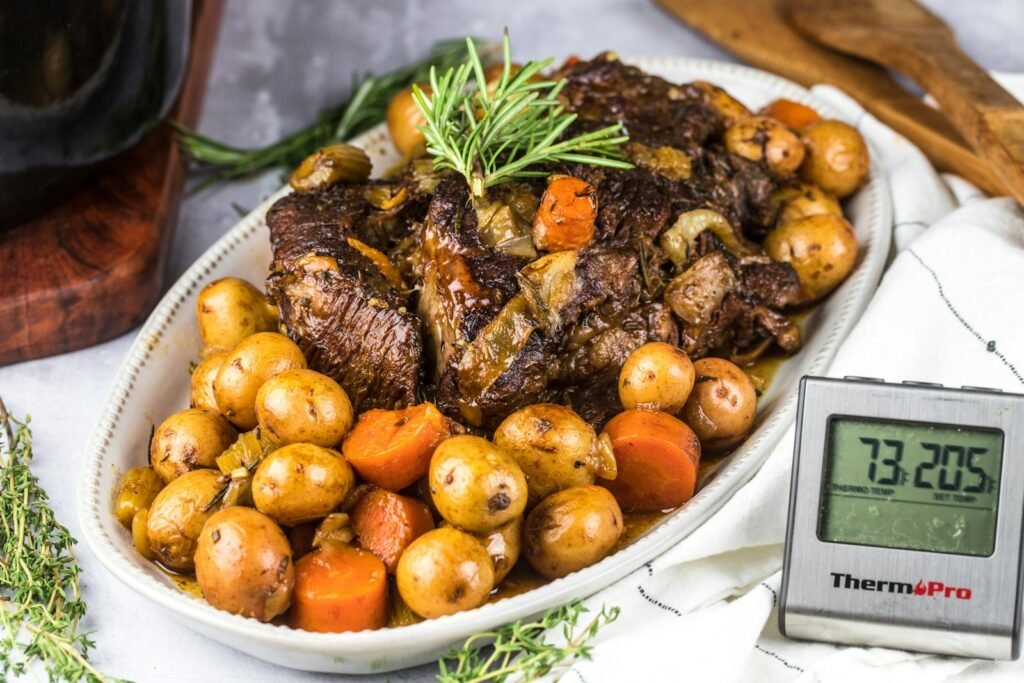
The traditional roast dinner is a quintessential culinary experience, characterized by its rich variety and intricate preparation. At the heart of this iconic meal lies the meat component, which typically includes options such as beef, chicken, and lamb. Each choice brings its unique flavor profile and cooking method. For instance, roast beef is often seasoned with herbs like thyme and rosemary and cooked to achieve a deliciously crispy exterior while maintaining tenderness within. Chicken, commonly the choice for family gatherings, is usually roasted to achieve a golden skin, often enhanced with garlic and lemon for added zest. Meanwhile, lamb is celebrated for its distinctive taste and is often complemented with mint sauces or roasted vegetables.
Complementing the meat course are an array of roasted vegetables, which not only add color but also contribute essential nutrients and flavors. Traditional selections include potatoes, carrots, and parsnips. Potatoes are often parboiled and then roasted in hot fat, resulting in a crispy texture that contrasts beautifully with the soft, fluffy interior. Carrots and parsnips are often glazed, providing a sweet flavor that balances the savory elements of the meal. Vegetables are frequently seasoned with herbs and olive oil, accentuating their natural flavors while enabling a caramelized finish during roasting.
Finally, the components of a roast dinner would be incomplete without its popular accompaniments. Gravy, typically made from the meat drippings, enriches the meal with moisture and depth. Yorkshire pudding, a baked batter made from eggs, flour, and milk, is traditionally served alongside the roast, providing a delightful texture to the dining experience. Stuffing, usually prepared with a mixture of bread, herbs, and occasionally meat, adds an additional layer of flavor and complexity to the meal, enhancing the whole roast dinner experience. Each of these elements plays a vital role, contributing to the overall appeal and enjoyment of this beloved fare.
The Taste Experience: What to Expect
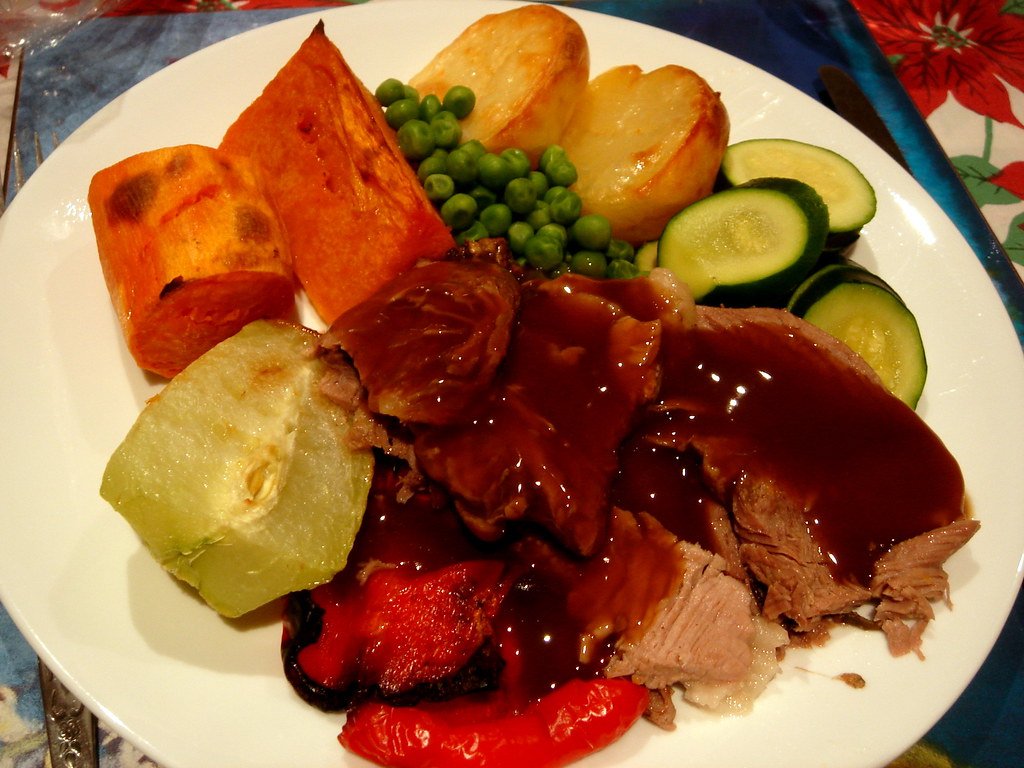
The quintessential roast dinner is a celebration of flavors and textures that create a harmonious culinary experience. Beginning with the choice of meat, typically beef, chicken, or lamb, the flavor profile is rich and robust. The meat is often seasoned with a blend of herbs such as rosemary, thyme, and sage, which infuse it with aromatic notes. This seasoning not only enhances the natural flavors but also complements the savory essence of the roasted meat. When cooked to perfection, the outside boasts a tantalizing crispness, while the interior remains succulent and tender, providing a satisfying contrast in each bite.
Accompanying the meat are the roasted vegetables, which bring an earthy sweetness to the plate. Common choices include carrots, parsnips, potatoes, and Brussels sprouts. As these vegetables caramelize during roasting, their natural sugars intensify, creating a delightful balance of flavor. Each vegetable contributes its unique taste, with the carrots offering a gentle sweetness and the Brussels sprouts an almost nutty undertone. Together, they create a colorful medley that is both visually appealing and delicious.
No roast dinner is complete without the addition of rich gravy, traditionally made from the meat drippings. This element introduces umami depth that ties all the components together. The gravy, usually thickened with a roux or cornstarch, envelops the meat and vegetables, providing a luscious coating that elevates the entire dish. The interplay between the seasoned meat, roasted vegetables, and savory gravy yields a taste experience that is satisfying and comforting. Each forkful combines multiple flavors and textures, resulting in a complex yet balanced dish that resonates with the warmth of home-cooked meals.
Texture and Presentation of Roast Dinner
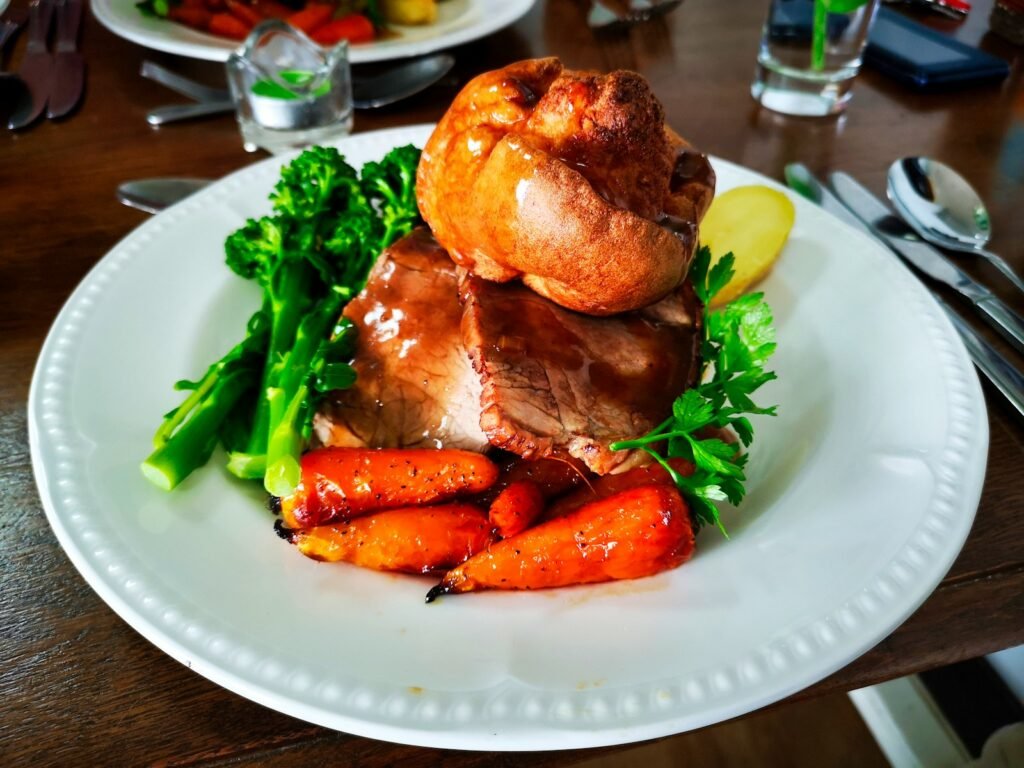
The roast dinner is not only a culinary delight but also a feast for the senses, with its textural diversity playing a pivotal role in its overall appeal. The contrast between crispy skin or outer crusts and tender, juicy interiors is one of the hallmark characteristics that define a well-prepared roast dinner. For instance, when it comes to meats such as roast beef or chicken, the outer layer often achieves a desirable crispiness, which is typically achieved through techniques such as high-temperature roasting or broiling. This texture serves as an inviting introduction to the succulent, moist meat that lies beneath, creating a delightful interplay of textures.
Further enhancing this experience, vegetables roasted alongside the meat can add another layer of textural complexity. Carrots and potatoes often develop a caramelized exterior, while retaining a tender core. This combination of textures is essential for achieving a harmonious balance on the plate. The juxtaposition of the crunch of roasted vegetables against the softness of perfectly cooked meat fosters a satisfying mouthfeel that elevates the entire meal.
The presentation of a roast dinner is equally significant in shaping the dining experience. A well-plated roast dinner not only stimulates the appetite but also showcases the chef’s skills. The arrangement of various components—meat, vegetables, gravy, and accompaniments—can be thoughtfully designed to create an appealing visual aesthetic. Garnishing elements such as fresh herbs or drizzle of sauces not only add color but can also enhance the flavor profile of the dish. The strategic placement and use of contrast in colors and shapes contribute to making the roast dinner not only a meal but an event, encouraging diners to engage both with their eyes and palates.
Health Considerations: Nutritional Aspects of Roast Dinner
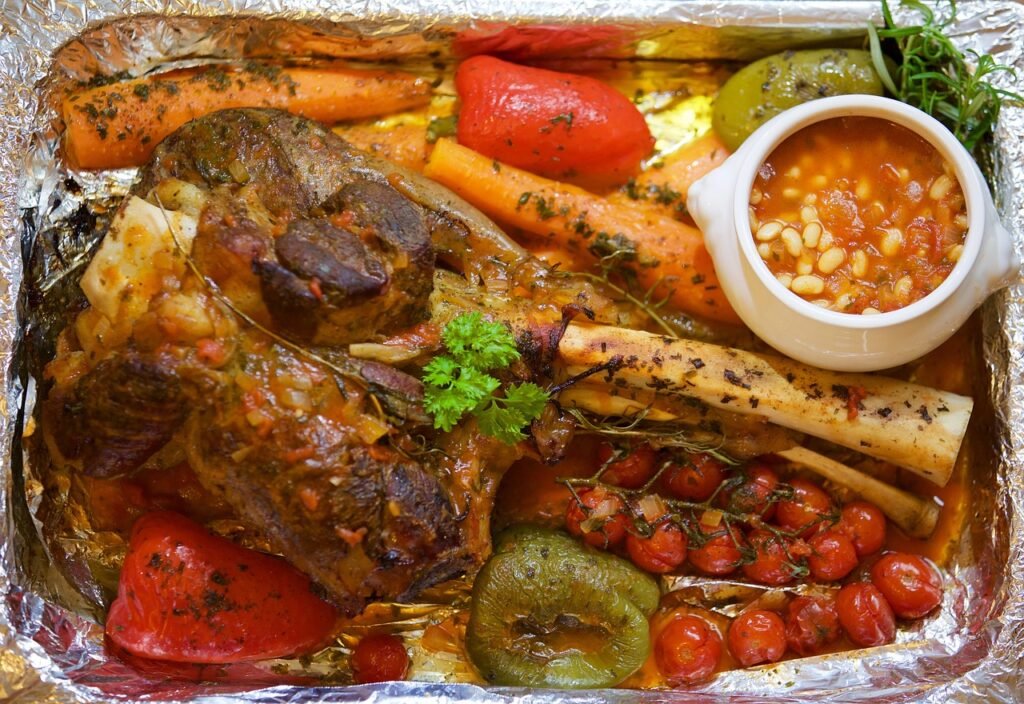
Roast dinner, traditionally associated with Sunday family meals, can be a lavish and hearty choice packed with various ingredients. When examining the nutritional aspects of this dish, it is crucial to evaluate both its benefits and potential drawbacks. A typical roast dinner generally includes roasted meats, vegetables, and accompaniments such as potatoes and gravy. These elements can contribute positively to one’s diet when consumed in moderation.
The primary protein source in a roast dinner often comes from meats such as chicken, beef, or lamb. These proteins are essential for muscle repair and growth, providing amino acids necessary for overall health. Additionally, when opting for lean cuts of meat, the roast can offer a lower fat content while still being rich in essential nutrients like iron and B vitamins. To enhance the nutritional profile of the dish, using herbs and spices for seasoning can add flavor without the need for excessive salt or sugar.
Vegetables play a significant role in a balanced roast dinner, offering vitamins, minerals, and dietary fiber. Cruciferous vegetables like Brussels sprouts, along with root vegetables such as carrots and parsnips, contribute essential nutrients and promote digestive health. To maintain their nutritional value, it is advisable to avoid overcooking these vegetables, as excessive cooking can lead to nutrient loss.
However, potential drawbacks should not be overlooked. The preparation methods, such as frying or excessive use of fatty accompaniments, can increase the overall calorie content of the meal. Portion control is paramount; serving smaller amounts of high-calorie elements, such as gravy or Yorkshire pudding, can help maintain a balanced meal.
For those with dietary restrictions, various alternatives exist. For instance, using plant-based proteins like lentils or chickpeas can create hearty vegetarian options without sacrificing flavor. Exploring lighter cooking methods, such as roasting with minimal oil or steaming, can further enhance the health benefits of a roast dinner while ensuring that it remains a delightful culinary experience.
Modern Twists on the Traditional Roast Dinner

In recent years, the traditional roast dinner has undergone a remarkable transformation, influenced by contemporary culinary trends and a growing demand for innovative dining experiences. Chefs and home cooks alike are exploring various modern interpretations that breathe new life into this classic dish while retaining its rich heritage. These creative adaptations often incorporate elements from different cultures, resulting in exciting fusion cuisines that elevate the roast dinner beyond its conventional boundaries.
One notable trend is the incorporation of international flavors and techniques, transforming the roast dinner into a global culinary experience. For instance, some chefs are now marinating their meats with spices commonly found in Asian cuisine, such as coriander or ginger, which impart a vibrant twist. Additionally, the use of herbs and spices from Mediterranean, South American, or Middle Eastern cuisines enhances the flavor profile, allowing for a delightful amalgamation of tastes that appeals to a wide audience.
Furthermore, there has been a significant shift toward plant-based adaptations of the roast dinner to accommodate dietary preferences and sensitivities. Vegetarian and vegan versions often feature hearty alternatives, such as lentil loaves, mushroom wellingtons, or even root vegetable roasts, which not only replicate the essence of the traditional dish but also cater to a growing market focused on sustainability and health. These options often come with rich, homemade sauces and sides, like creamy vegan mashed potatoes or roasted seasonal vegetables, which maintain the essence of the roast dinner experience.
Overall, the modern interpretations of the roast dinner reflect a culinary evolution that respects tradition while embracing innovation. By experimenting with flavors, techniques, and dietary preferences, contemporary chefs have successfully reimagined this time-honored meal, making it widely accessible and appealing to a broader audience. This ongoing adaptability underscores the enduring popularity of the roast dinner in the ever-changing landscape of gastronomy.
Conclusion: The Enduring Legacy of Roast Dinner
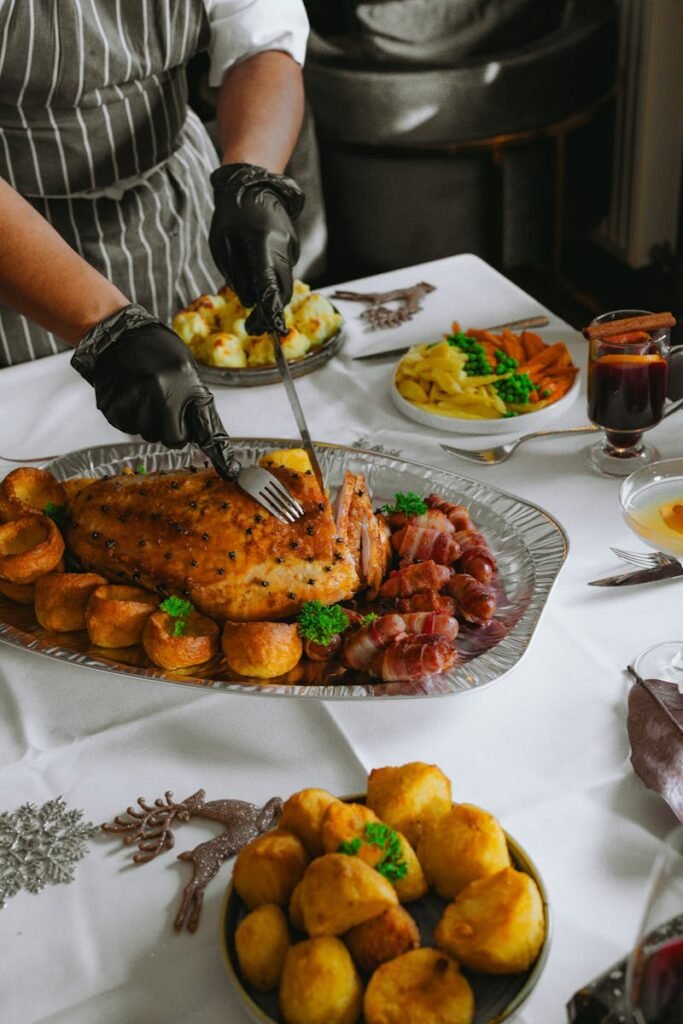
The roast dinner has long been revered not just as a meal, but as a cherished tradition that transcends cultural boundaries. Its enduring appeal can be traced through history, consistently embodying a sense of togetherness and celebration. Across various cultures, the roast dinner is often a centerpiece during significant family gatherings, holiday celebrations, and social events, providing an opportunity for bonding over a shared dining experience. This culinary staple, characterized by its diverse presentations of meats, vegetables, and accompanying sauces or gravies, reflects the uniqueness of cultural identities while simultaneously serving a common purpose: to unite people around the table.
In many families, the preparation of a roast dinner is imbued with ritualistic significance. From selecting the finest cuts of meat to the careful seasoning and slow cooking, each step in the process is a labor of love that builds anticipation and excitement leading up to the meal. This act of gathering to enjoy a delicious roast meal fosters connections among family members and friends, creating lasting memories intertwined with the flavors and aromas of the dish. Across different regions, roast dinners may vary in ingredients and style but retain the core essence of camaraderie and warmth.
As societies evolve, the roast dinner continues to adapt, demonstrating its flexibility and resilience as a culinary tradition. Whether enjoyed in a family kitchen or a bustling restaurant, its significance remains profound. The roast dinner serves not only to nourish the body but also to nurture communal bonds, reinforcing its status as more than just a meal. This cherished ritual symbolizes continuity and connection, ensuring that the legacy of the roast dinner endures for generations to come.