
Introduction to Bulgogi
Bulgogi, a traditional Korean dish, is renowned for its irresistible flavors and cultural significance. This dish primarily consists of marinated beef, which is grilled to perfection, resulting in a succulent and tender experience. The term “bulgogi” literally translates to “fire meat,” originating from the method of cooking the marinated beef over an open flame or hot grill. This technique not only enhances the flavors but also contributes to the dish’s distinct smoky aroma.
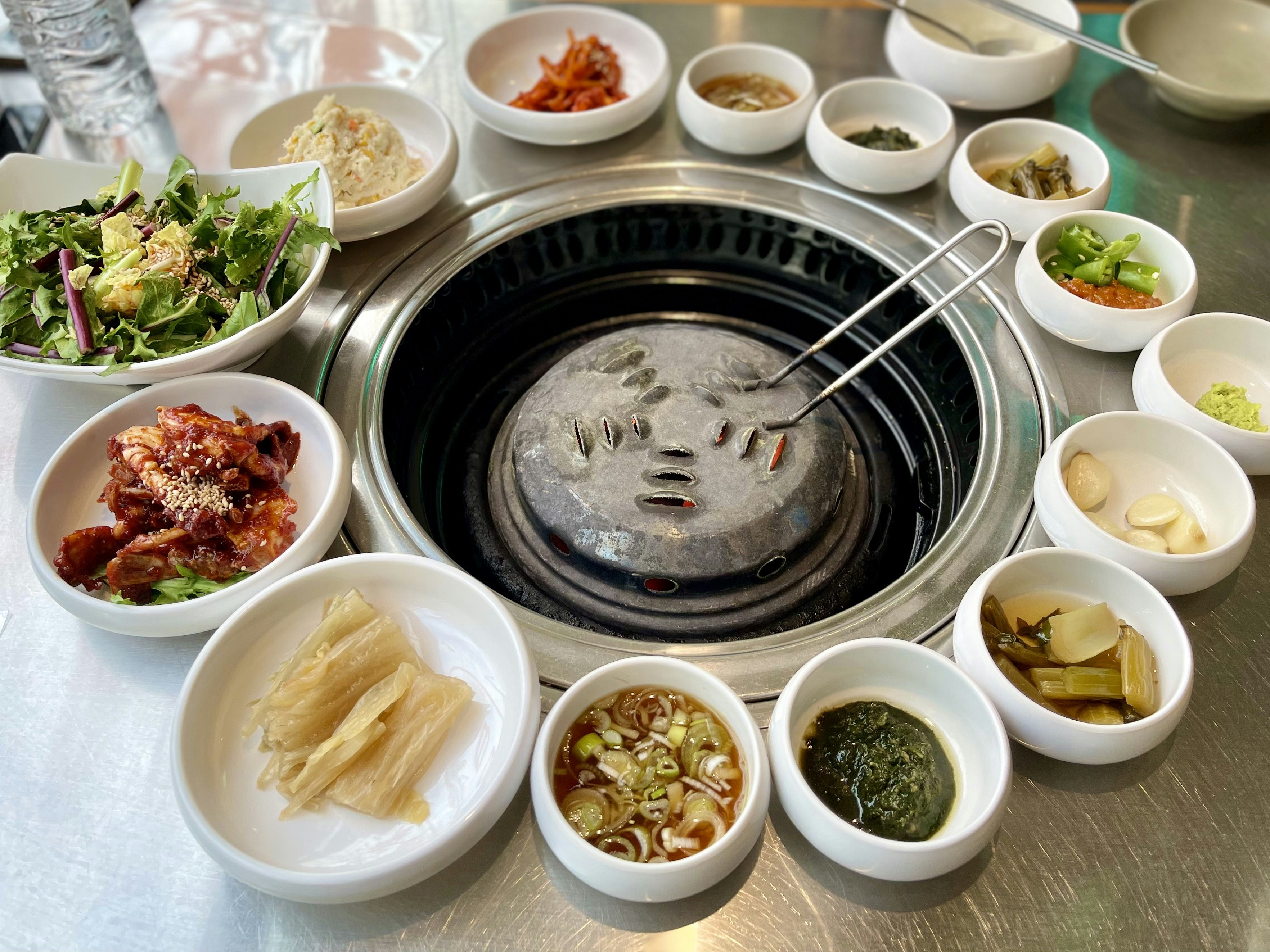
In Korean culture, bulgogi is more than just a meal; it symbolizes the essence of Korean hospitality and festive gatherings. Often enjoyed during special occasions or family celebrations, this dish reflects the communal aspect of dining in Korea. Traditionally, bulgogi is served with various side dishes known as banchan, allowing diners to savor its rich flavors alongside an array of complementary tastes.
The primary ingredients in bulgogi include thinly sliced beef, usually ribeye or sirloin, marinated in a mixture that typically features soy sauce, sugar, sesame oil, garlic, and black pepper. This marinade not only infuses the beef with a delightful sweetness and savory depth but also aids in tenderizing the meat. The combination of ingredients creates a harmonious balance between salty and sweet, embodying a hallmark of Korean cuisine.
Preparation of bulgogi involves several steps, starting with marinating the beef to allow the flavors to penetrate thoroughly. Once marinated, the beef is typically cooked on a grill, stovetop, or even in a hot pan, producing a beautiful char that enhances the overall taste. The grilled meat is often served wrapped in lettuce leaves with garlic and spicy paste, allowing for a burst of flavors in every bite. Bulgogi’s popularity extends beyond Korean borders, resonating with many who appreciate its unique profile and delightful preparation method.
The Magic of Marinade: Key Ingredients
At the heart of delicious bulgogi lies its marinade, a harmonious blend of ingredients that together create a bold and flavorful experience. The primary component of this marinade is soy sauce, which serves as the foundation. This rich and salty ingredient not only enhances the meat’s flavor but also contributes to its tenderizing process. When selecting soy sauce, opt for a high-quality brand; its depth of flavor makes a significant difference in the final dish.
Another crucial ingredient is sugar, typically brown sugar, which balances the savory notes of soy sauce. The subtle sweetness from the sugar caramelizes during cooking, adding a beautiful glaze to the beef and contributing to the overall richness of the dish. Choosing unrefined sugars can elevate the flavor profile further, making each bite even more delectable.
Sesame oil is another key ingredient that cannot be overlooked. Its nutty aroma and taste add complexity to the marinade, enhancing both flavor and richness. Look for pure sesame oil, as it brings a more authentic taste compared to the more refined versions. In addition, the inclusion of minced garlic introduces a sharpness and aromatic element that complements the meat, making each bite deliciously fragrant.
Lastly, many recipes incorporate additional ingredients such as green onions, sesame seeds, and black pepper, enriching the marinade’s depths. Freshly chopped green onions provide a subtle crunch, while sesame seeds add texture and a traditional touch. Always ensure you opt for fresh produce to maximize flavor and tenderness in your bulgogi.
When experimenting with bulgogi marinade, it is crucial to find a balance among these ingredients to achieve the perfect blend of sweet, salty, and umami flavors, ensuring an unforgettable culinary experience.
Classic Bulgogi: The Timeless Recipe
Bulgogi, a classic Korean dish renowned for its delicious marinated beef, showcases a perfect blend of sweet and savory flavors. To prepare this iconic dish, begin by selecting a high-quality cut of beef, such as sirloin or ribeye, which is known for its tenderness. The key to achieving the right texture and flavor lies in the marinade, crafted from ingredients such as soy sauce, sesame oil, sugar, minced garlic, grated ginger, and a touch of pepper. Combine these elements in a bowl, whisking them together until evenly mixed.
Next, cut the beef into thin slices, ideally about 1/8 inch thick. This allows the marinade to penetrate more effectively, enhancing the overall flavor profile. Place the sliced beef in a resealable plastic bag or a shallow dish, then pour the marinade over it. Ensure that each piece of meat is well-coated, then seal the bag or cover the dish, allowing it to marinate in the refrigerator for at least 30 minutes, though overnight is preferable for maximum flavor.
When the marination process is complete, preheat your grill or stovetop skillet over medium-high heat. For grilling, consider using a Korean-style grill pan to give the beef those characteristic grill marks. If using a skillet, a little oil will help prevent sticking. Grill the marinated beef for about 2-3 minutes on each side until it reaches the desired doneness. The goal is to achieve a flavorful caramelization while maintaining tenderness.
Serve the bulgogi hot, garnished with green onions and sesame seeds, alongside a bowl of steamed rice and a selection of banchan, traditional side dishes. This balanced presentation not only enhances the meal aesthetically, but also offers a delightful variety of flavors that are essential to the bulgogi experience. For the best results, ensure that your beef remains juicy and not overcooked, preserving the authentic essence of this timeless dish.
Spicy Bulgogi: A Fiery Twist
Spicy bulgogi is a delightful variation of the traditional Korean dish, infusing a fiery kick through the addition of gochujang, a fermented Korean red chili paste. This recipe not only highlights the tender marinated beef but elevates it with a punch of spice that can be adjusted to suit diverse palates. The beauty of spicy bulgogi lies in its versatility, allowing cooks to customize the heat intensity based on preference.
To begin crafting this flavorful dish, marinate thin slices of beef in a mixture that includes gochujang, soy sauce, sesame oil, garlic, and a hint of sugar. The gochujang brings a complex heat that marries well with the sweetness of the sugar, creating a balanced flavor profile. To cater to varying spice levels, adjust the quantity of gochujang used. For those who are less accustomed to heat, starting with a tablespoon can provide a milder experience, which can be increased gradually for a more intense flavor.
When preparing spicy bulgogi, cooking techniques play a crucial role in enhancing the dish. A high-heat method, such as grilling or stir-frying, not only helps achieve a appealing char on the meat but also supports the caramelization of sugars from the marinade, deepening the overall flavor. Ensure to constantly stir the beef to prevent burning, especially when using extra gochujang that can catch easily on high flame.
Serving suggestions for your spicy bulgogi can include a side of steamed rice, which works to balance the bold flavors. Additionally, fresh vegetables like lettuce, cucumber, or sliced radishes can provide a refreshing contrast to the heat, perfect for creating a spicy bulgogi wrap. This approach not only enhances the dish but also adds a layer of texture that complements the tender beef effectively.
Bulgogi Bowls: A Healthy Option
Bulgogi, a classic Korean dish made with marinated beef, serves as an impressive centerpiece for a bulgogi bowl. When creating these bowls, it’s essential to ensure a balance of nutrients, as they will include protein, whole grains, and an array of colorful vegetables. A standard bulgogi bowl typically features a base of rice, which can be substituted with brown rice or quinoa for an added health boost, providing fiber and essential nutrients.
To prepare a well-balanced bulgogi bowl, start with high-quality beef, marinated in a mixture of soy sauce, sesame oil, garlic, and ginger. This not only provides flavor but also tenderizes the meat. Cook the bulgogi in a hot pan or grill until it achieves a perfect caramelization, sealing in juices and enhancing its savory profile.
Next, consider the vegetables. Incorporating a variety of fresh vegetables, such as sliced cucumbers, julienned carrots, and baby spinach, not only adds nutritional value but also contributes vibrant colors to the dish. Furthermore, adding a pop of color with vegetables like bell peppers or radishes can make the bulgogi bowl visually appealing and encourage a greater intake of nutrients.
When assembling the bowl, layer the rice, bulgogi, and vegetables in an aesthetically pleasing manner. Placing the bulgogi on top of a bed of rice, surrounded by vegetables, creates an inviting presentation. For an extra touch, garnish the dish with sesame seeds and chopped scallions to enhance both flavor and appearance.
By being mindful of ingredient selection and presentation, bulgogi bowls can yield a nutritious and delicious meal option that showcases the marinated beef brilliantly while promoting a balanced diet. Fresh ingredients are vital, as they enhance nutritional profiles and increase meal enjoyment.
Vegetable Bulgogi: A Plant-Based Version
Bulgogi, traditionally made with marinated beef, can easily be adapted to cater to vegan or vegetarian diets. By incorporating mushrooms or tofu as the primary protein source, this plant-based version retains the rich flavors synonymous with classic bulgogi while offering a lighter and healthier alternative.
To create a delicious Vegetable Bulgogi, begin by selecting your plant-based protein. Shiitake mushrooms are an excellent choice due to their umami flavor which closely resembles the savory characteristics found in meat. Alternatively, firm tofu can provide a satisfying texture when marinated and sautéed. Start by pressing the tofu to remove excess moisture, allowing it to absorb the marinade more effectively.
The marinade is essential to achieving that authentic bulgogi flavor. Combine soy sauce, sesame oil, garlic, ginger, and a bit of brown sugar for sweetness. Optional ingredients like gochujang (Korean chili paste) can add a spicy kick, while pear or apple puree can introduce a natural sweetness. Marinate your mushrooms or tofu in this mixture for at least 30 minutes to ensure the flavors permeate the protein.
For preparation, heat a skillet or grill pan over medium-high heat. If using tofu, slice it into thin pieces to ensure even cooking. Cook the marinated mushrooms or tofu for about 5-7 minutes, turning occasionally until they are nicely caramelized. During the last minute of cooking, consider adding sliced vegetables, such as bell peppers and onions, to infuse additional flavors and texture into the dish.
This Vegetable Bulgogi can be served with rice, wrapped in lettuce leaves, or highlighted in a grain bowl, showcasing its versatility. Whether you are following a plant-based diet or simply looking to enjoy a healthier meal, this adaptation of bulgogi stands out as a delicious and satisfying choice.
Bulgogi Tacos: A Fusion Delight
Bulgogi tacos represent an innovative fusion of Korean and Mexican cuisines, resulting in a delectable dish that showcases the rich flavors of bulgogi while adopting the convenient and fun form of a taco. To prepare bulgogi for this unique recipe, start with thinly sliced beef, which can be marinated in a mixture of soy sauce, sugar, sesame oil, garlic, and pepper. Allowing the meat to soak in the marinade for several hours, or even overnight, enhances its flavor and tenderness. Once marinated, grill or sauté the beef until it is perfectly cooked, resulting in a savory, caramelized goodness that sets the foundation for the tacos.
The beauty of bulgogi tacos lies not only in the bulgogi itself but also in the myriad of toppings that can complement its rich, smoky flavor. Consider adding kimchi, which provides a tangy and spicy kick that perfectly balances the sweetness of the marinated beef. Fresh cilantro adds an aromatic note, while diced onions contribute a fresh crunch. Additionally, avocado slices can introduce a creamy texture, enhancing the overall gourmet experience. For those who appreciate heat, a drizzle of sriracha or a sprinkle of freshly chopped jalapeños can elevate the flavor profile even further.
This fusion recipe captures the growing trend of blending culinary traditions, welcoming creativity in the kitchen and reflecting a broader cultural exchange. The bulgogi taco exemplifies how diverse ingredients and preparation methods can come together harmoniously, providing an exciting and satisfying meal. By embracing the versatility of bulgogi, home cooks can enjoy the deliciousness of this Korean staple while indulging in the beloved convenience of tacos, making it a must-try dish for anyone looking to explore culinary fusion.
Tips for Perfecting Bulgogi at Home
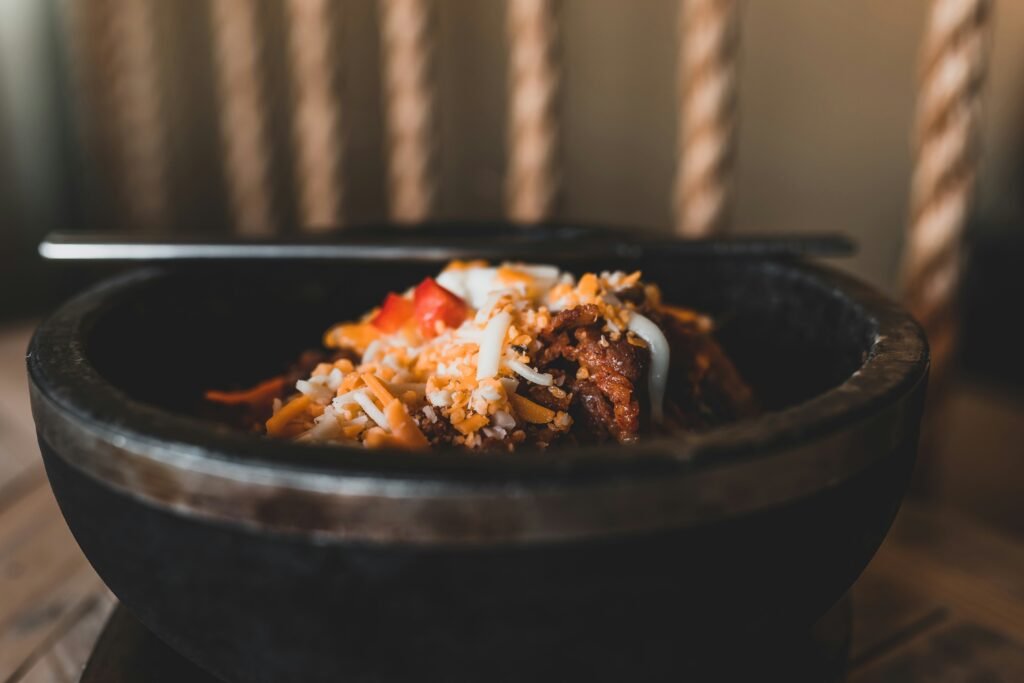
Achieving the ultimate bulgogi experience at home can be accomplished with a few essential tips and techniques. First and foremost, marinating the meat is crucial. The marinade, primarily composed of soy sauce, sugar, sesame oil, garlic, and pear, not only infuses the meat with flavor but also tenderizes it. Aim for a marinating time of at least 30 minutes; however, allowing the meat to soak for several hours or even overnight will yield a richer taste and improved tenderness.
When it comes to cooking techniques, both grilling and pan-searing are excellent methods to prepare bulgogi. Grilling can add a delightful smoky flavor, making it a favorite for outdoor cooking. Ensure that the grill is properly preheated, and cook the marinated meat over high heat for the best results. Alternatively, if using a skillet, select a heavy-duty non-stick or cast-iron pan to achieve a good sear without sticking. Regardless of the cooking method, monitor the cooking time closely, as bulgogi cooks quickly, usually in just a few minutes.
Choosing the right cut of meat also plays a significant role in the quality of your bulgogi. Thinly sliced ribeye or sirloin is commonly recommended due to its marbling, which contributes to tenderness and flavor. Make sure to slice the meat against the grain for maximum tenderness. Additionally, consider experimenting with different cuts to discover personal preferences.
To enhance your bulgogi meal, explore pairing it with traditional side dishes, known as banchan. Popular options include kimchi, pickled radish, and sautéed vegetables. These accompaniments complement the rich flavors of bulgogi while adding a fresh and vibrant element to your dining experience.
Conclusion: Enjoying Bulgogi Together
As we conclude this delicious exploration of bulgogi, it is essential to recognize that the true joy of this Korean dish extends beyond its enticing flavors. Gather your friends and family to create a memorable experience while savoring the rich, marinated flavors that bulgogi offers. Cooking these recipes together encourages collaboration and interaction, making the dining experience even more enjoyable.
Whether it’s a weekend family gathering, a dinner party with friends, or a cozy meal at home, sharing bulgogi brings people closer. Invite others to participate in the preparation process, from marinating the meat to grilling it to perfection. This communal cooking experience fosters creativity, allowing everyone to contribute their unique flair to the dishes. The process of grilling bulgogi adds an element of fun and engagement, transforming a meal into an event.
Moreover, one of the beauties of bulgogi lies in its adaptability to personal tastes. Feel free to customize the recipe by experimenting with different marinades or adding various vegetables and spices. If you prefer a sweeter flavor, consider enhancing the glaze with more sugar or honey. For those who enjoy a bit of heat, incorporating chili paste or fresh peppers can elevate the dish to new heights. The options are plentiful, giving you the freedom to tailor each bulgogi meal to everyone’s preference.
By encouraging your guests to share their ideas or even create their versions, you not only enrich the bulgogi experience but also create lasting memories. We invite you to experiment with these recipes and discover what combination brings you the most joy. Happy cooking and bon appétit!