
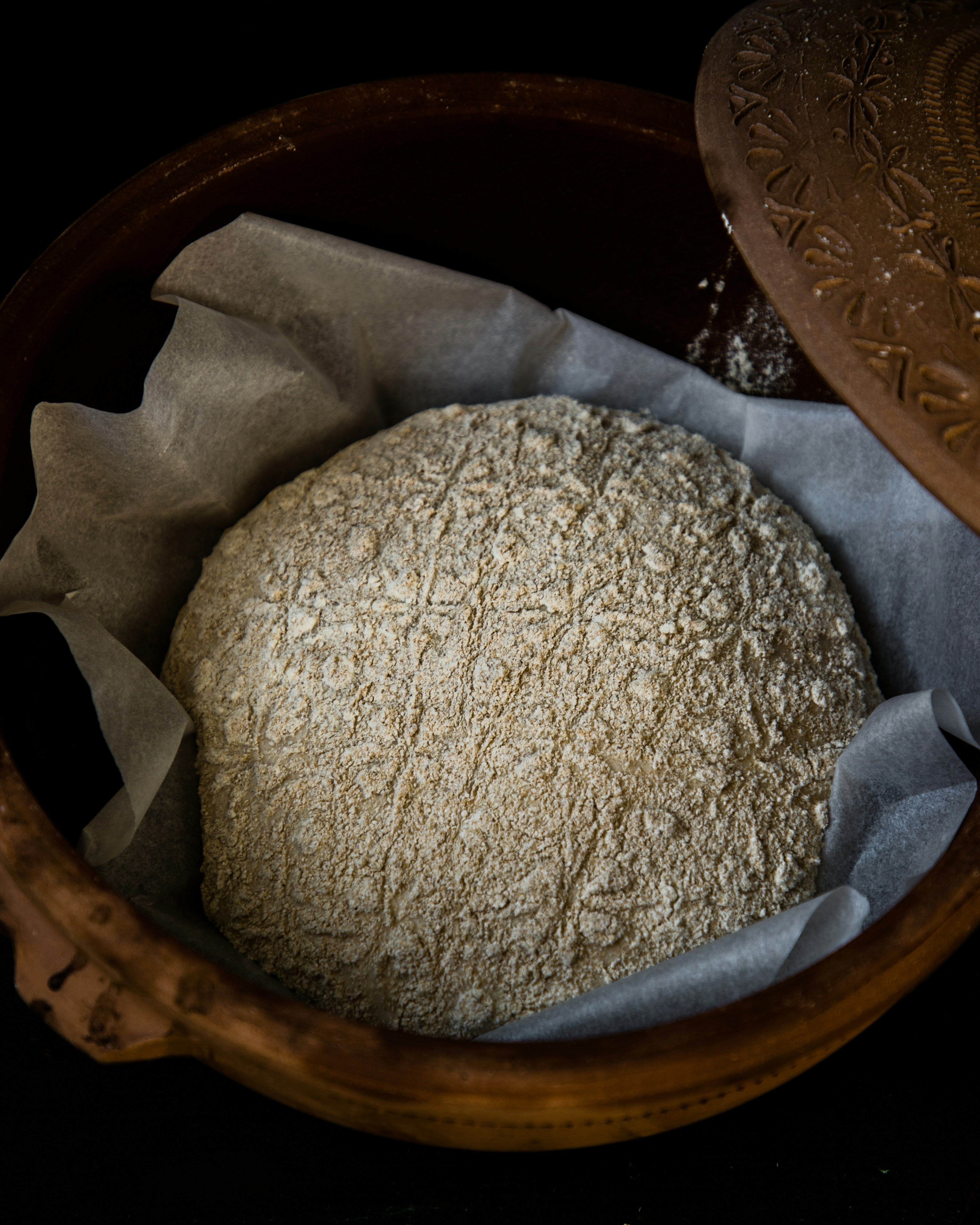
Introduction to Irish Soda Bread
Irish soda bread is a traditional staple that reflects the culinary heritage of Ireland. Originating in the 19th century, this bread rapidly gained popularity among Irish households, especially during the period of economic hardships and the Great Famine. What distinguishes Irish soda bread from other types of bread is its use of baking soda as a leavening agent instead of yeast. This method not only simplifies the bread-making process but also allows for a quicker preparation time, making it ideal for novice bakers.
The basic ingredients for Irish soda bread include flour, baking soda, salt, and buttermilk. This simplicity showcases the resourcefulness of Irish bakers who relied on easily accessible ingredients. The use of buttermilk not only adds a distinctive flavor but also reacts with the baking soda to create carbon dioxide, resulting in a light and tender loaf. Furthermore, variations of the bread exist, incorporating items such as raisins or caraway seeds, each contributing to the unique textures and flavors experienced with each loaf.
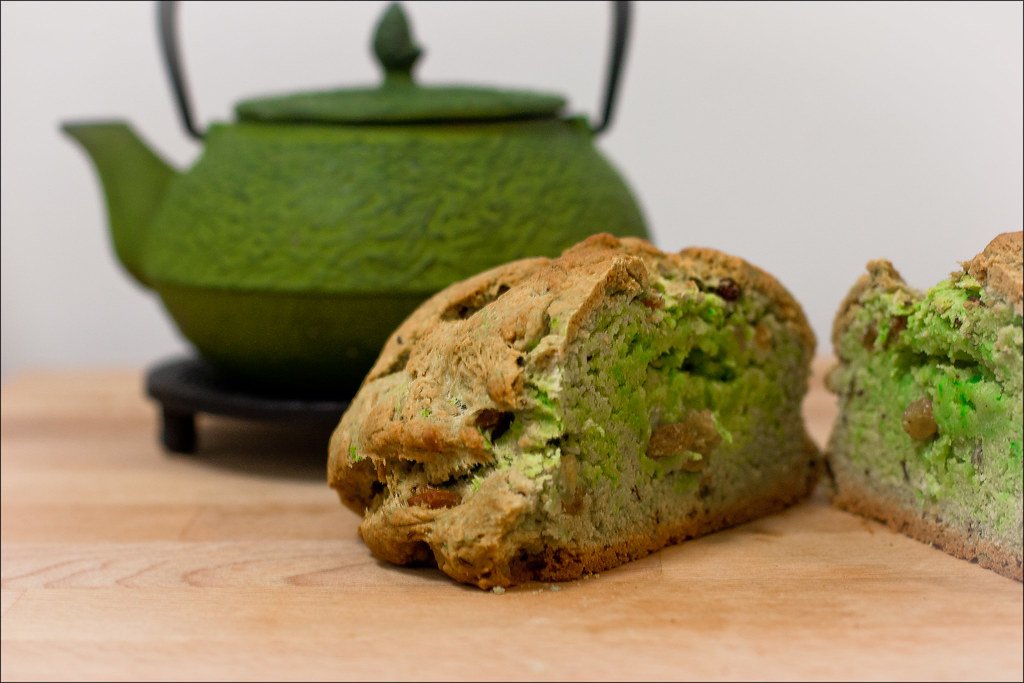
Culturally, Irish soda bread holds significant relevance in Irish cuisine. It is commonly served with meals, enjoyed with butter, or utilized as a side accompaniment to hearty dishes like Irish stew. Its unpretentious nature symbolizes the essence of Irish cooking—simple, yet full of flavor. The preparation of this bread is a social event in many Irish households, often passed down through generations, reinforcing family bonds and cultural practices. Embracing the tradition of making Irish soda bread is not just about the final product; it is also a celebration of Irish identity and community.
Essential Ingredients for Authentic Irish Soda Bread
To create an authentic Irish soda bread, it is essential to use the right ingredients. This traditional bread is known for its simplicity and reliance on basic components, which are all pivotal to achieving its unique taste and texture. The fundamental ingredients include all-purpose flour, baking soda, buttermilk, and salt.
Starting with all-purpose flour, it serves as the primary ingredient that gives the bread its structure. When selecting flour, it is advisable to look for high-quality options without additives. Whole wheat flour can also be incorporated if you prefer a nuttier flavor and denser texture, though it’s often used sparingly in combinations.
Baking soda is a crucial leavening agent in this recipe, as it reacts with the acidity of the buttermilk to create carbon dioxide bubbles, which help the bread rise. Ensure that the baking soda is fresh, as outdated soda loses its potency and could negatively impact the final product.
Buttermilk is another indispensable ingredient, providing moisture and contributing to the bread’s tender crumb. If buttermilk is not available, a simple substitute can be made by mixing regular milk with a tablespoon of vinegar or lemon juice, allowing it to sit for a few minutes until it thickens slightly.
Lastly, salt enhances the flavor of the bread, balancing the ingredients. Using sea salt or kosher salt is often preferred due to its purer taste. Be mindful of the amount you add; too much can overpower the delicate flavors of the bread.
In summary, the key to authentic Irish soda bread lies in using simple, quality ingredients. Whether you are opting for the traditional recipe or seeking alternatives due to dietary restrictions, focusing on these essential components ensures a delicious result that honors Irish culinary tradition.
Step-by-Step Instructions to Bake Your First Loaf
To begin your journey of baking authentic Irish soda bread, gather your ingredients: 4 cups of all-purpose flour, 1 teaspoon of baking soda, 1 teaspoon of salt, and 1 and ½ cups of buttermilk. These simple ingredients are crucial for creating the bread’s characteristic flavor and texture.
Start by preheating your oven to 425°F (220°C). This ensures that the bread will bake evenly and rise properly. Next, in a large mixing bowl, whisk together the flour, baking soda, and salt until well combined. It is essential that these dry ingredients are thoroughly mixed, as this assures even distribution of the leavening agents.
Once mixed, make a well in the center of the dry ingredients and pour in the buttermilk. Using your hands or a wooden spoon, gently combine the mixture until a dough begins to form. Be cautious not to overwork the dough; Irish soda bread should be soft and slightly sticky. If it seems overly dry, you may add a little more buttermilk, while if too wet, incorporate a touch more flour.
After forming the dough, turn it out onto a lightly floured surface. Shape the dough into a round loaf, about 1 to 1.5 inches thick. It is vital to create a traditional cross on top of the loaf using a sharp knife, as this helps it expand while baking and is believed to ward off evil spirits.
Carefully transfer the loaves to a baking sheet lined with parchment paper and place them in the preheated oven. Bake for about 30-40 minutes, or until the bread is golden brown and sounds hollow when tapped on the bottom. To prevent the bread from becoming too dark, you may want to cover it loosely with aluminum foil during the last 10 minutes. Once baked, let your Irish soda bread cool on a wire rack before slicing. Enjoy your beautifully baked loaf with butter, jam, or simply on its own, showcasing your baking achievement!
Serving Suggestions and Variations
Irish soda bread, with its delightful crust and soft interior, serves as an excellent base for various spreads and toppings that enhance its flavor. One classic approach is to serve it warm with a generous pat of butter. The warmth of the bread will slightly melt the butter, creating a rich and comforting experience. For a more sophisticated touch, consider pairing Irish soda bread with homemade jams, such as berry or citrus marmalade, which can add a sweet contrast to the bread’s savory profile.
Additionally, sour cream or cream cheese can serve as wonderful toppings. When mixed with fresh herbs like chives or dill, these spreads create a fresh and flavorful combination that is perfect for breakfast or as part of a brunch spread. For those looking for a nutty flavor, a drizzle of honey can be a simple yet elegant addition. These pairings not only enhance the bread’s taste but also provide an enjoyable culinary experience.
For those interested in variations, consider adding elements to the traditional Irish soda bread recipe. Incorporating dried fruits such as raisins or cranberries yields a sweet and fruity twist. For a savory option, herbs like rosemary or thyme can be mixed into the dough, resulting in a fragrant loaf that complements meats and cheeses beautifully.
To maintain freshness, store Irish soda bread wrapped in a clean kitchen towel or plastic wrap at room temperature for up to two days. If you wish to keep it longer, consider freezing slices and toasting them directly from the freezer, ensuring a delightful crust while maintaining the soft interior. With these suggestions, readers can personalize their Irish soda bread experience, making it a versatile piece of their culinary repertoire.