
Understanding Sashimi: A Culinary Art
Sashimi, a traditional Japanese delicacy, comprises thinly sliced raw fish or seafood, served without rice, a feature that differentiates it from sushi. The origins of sashimi can be traced back to ancient Japan, where the practice of presenting raw fish originated from the need to preserve freshness and flavor. Over time, sashimi has evolved into an art form that emphasizes precision, aesthetics, and the quality of ingredients.
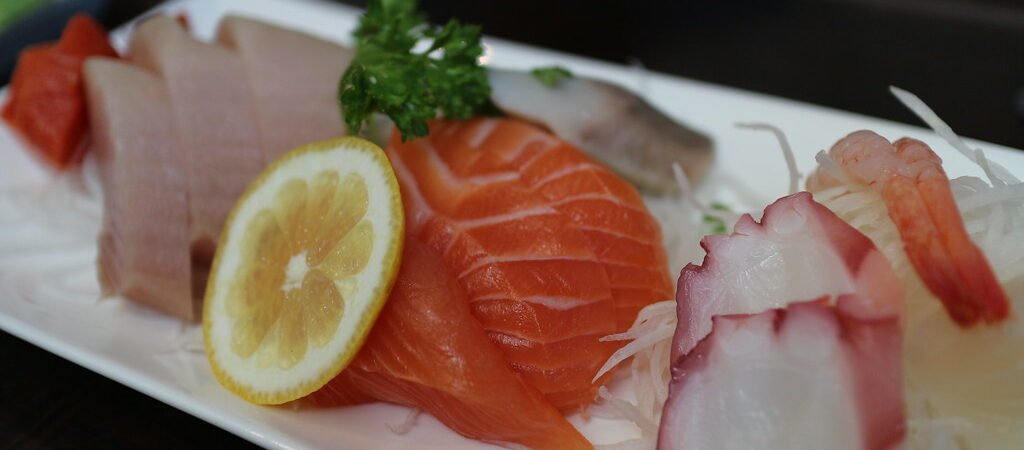
Various types of sashimi exist, ranging from well-known selections such as salmon (sake) and tuna (maguro) to more adventurous choices like squid (ika) or octopus (tako). Each type offers a unique flavor and texture profile, contributing to the diverse experience of enjoying sashimi. The emphasis on freshness is paramount; hence, the fish used must be of the highest quality, ideally sourced from reputable suppliers or markets specializing in seafood.
What sets sashimi apart from other Japanese culinary delights lies in its preparation techniques. Unlike sushi, which combines rice with fish or other toppings, sashimi stands alone, allowing diners to appreciate the pure taste of the fish. Traditional preparation often involves meticulous cutting, a skill honed by chefs over years of practice. Different slicing techniques, such as usuzukuri (thinly sliced) or tataki (lightly seared), enhance the sensory experience and highlight the fish’s natural flavors.
The importance of using high-quality ingredients cannot be overstated; fresh, top-grade fish contributes significantly to the overall taste and presentation of sashimi. When preparing sashimi at home, one should prioritize sourcing ingredients that meet the highest standards of freshness and safety, ensuring a delicious and authentic experience. This foundational understanding of sashimi will prepare you for the journey of creating exquisite, restaurant-quality sashimi in the comfort of your home.
Selecting the Best Ingredients for Sashimi
Choosing the right ingredients is critical to achieving exceptional sashimi. The freshness and quality of the fish and seafood directly impact the flavor and overall experience. To identify freshness, look for clear, bright eyes, vibrant skin, and a mild ocean-like aroma. The flesh should be firm, moist, and have a translucent appearance. Any discoloration or strong fishy smell is an indicator of less-than-fresh seafood.
When sourcing your ingredients, local fish markets, specialty seafood vendors, and reputable grocery stores are some of the best options. These establishments often prioritize quality and carry a variety of seafood that is suitable for sashimi. Additionally, many fish markets allow you to ask questions directly about the catch, giving you insights into the source and handling of the products. Always opt for suppliers known for their quality practices, as this can significantly enhance the sashimi experience.
Understanding seasonality plays a crucial role in selecting ingredients. Certain fish are at their peak during specific times of the year, which often correlates with better taste and availability. For example, tuna is more flavorful during summer months, whereas salmon may be preferable in the winter months. This knowledge can inform your purchasing decisions and align with the freshest options available.
Ultimately, it is essential to weigh the differences between wild-caught and farmed seafood. Wild-caught options are often considered superior in terms of flavor and texture; however, they can be more challenging to find and pricier. Conversely, farmed seafood is more accessible but may vary in quality depending on the farming practices. It is advisable to do some research on suppliers to ensure that the seafood chosen for your sashimi is of high quality.
Preparation Techniques for Perfect Sashimi
To achieve the highest quality sashimi, it is crucial to master proper preparation techniques. This involves having the right tools and following specific procedures to ensure the fish is handled safely and presented beautifully. Some essential tools for sashimi preparation include a sharp knife, preferably a Japanese sashimi knife known as a ‘yanagiba’, and a clean cutting board. A good quality knife will allow for precise cuts and maintain the integrity of the fish, while a wooden cutting board is preferred as it doesn’t dull the blade as quickly as plastic or glass surfaces.
When filleting fish, start by placing the fish flat on the cutting board with the backbone facing you. Use the yanagiba to make a clean incision just behind the gills, then continue cutting along the backbone toward the tail. The goal is to remove the fillet in one continuous motion without tearing the flesh. Repeat this process for the other side. After successfully filleting the fish, it is essential to remove the skin if desired. This can be achieved by sliding the knife between the skin and the meat, angling the blade slightly downwards.
Once the fillets are prepared, the next step involves slicing the fish into sashimi portions. Utilize a single long, smooth motion to create even slices, approximately 1/4 inch thick, ensuring that each cut is made against the grain of the flesh to enhance tenderness. With regard to presentation, arrange the slices elegantly on a chilled plate, allowing for visual appeal. Enhance the dish with garnishes such as shiso leaves, daikon radish, or edible flowers. Additionally, serving sashimi with accompaniments like soy sauce or homemade ponzu will elevate the dining experience, providing complementary flavors that enhance the freshness of the fish.
Serving and Pairing Sashimi: Enhancing the Experience
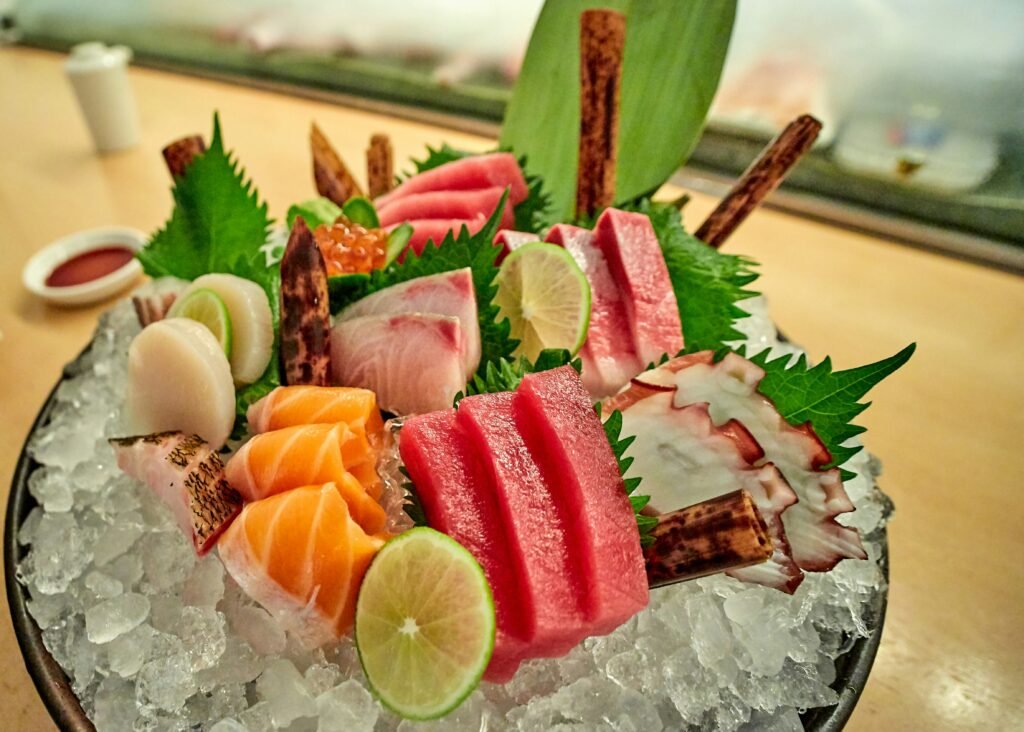
Serving sashimi requires an appreciation for both aesthetics and taste. To elevate the dining experience, the presentation of sashimi should be done thoughtfully and artistically. Utilizing a variety of colors and textures can draw attention to the freshness of the fish. Traditional Japanese serving techniques often involve arranging sashimi on a bed of ice or garnished with edible flowers and thinly sliced vegetables. Moreover, the use of special serving plates can highlight the beauty of each piece, providing an eye-catching appeal that is essential for a memorable presentation.
When creating a sashimi platter, it’s advisable to include a selection of different fish. Common options include salmon, tuna, and yellowtail, each cut into delicate, thin slices that allow for maximum flavor appreciation. Organizing the platter with varied colors and shapes enhances not just the look but also encourages guests to explore different flavors. Incorporating accompaniments such as wasabi, soy sauce, and pickled ginger can also enrich the flavor profile and enhance the overall tasting experience.
In addition to presentation, pairing beverages with sashimi significantly enhances the dining experience. Sake, particularly premium options like junmai or ginjo, complements the delicate flavors of the fish while offering a fragrant aroma. Alternatively, Japanese beers provide a refreshing contrast to the umami of sashimi. For those who prefer a non-alcoholic option, green tea or Yuzu soda also stands out as an excellent accompaniment, balancing richness with mild sweetness.
In conclusion, serving sashimi is an art that requires attention to detail. By focusing on presentation and thoughtfully selecting drink pairings, one can create an impressive sashimi experience that delights the senses.