
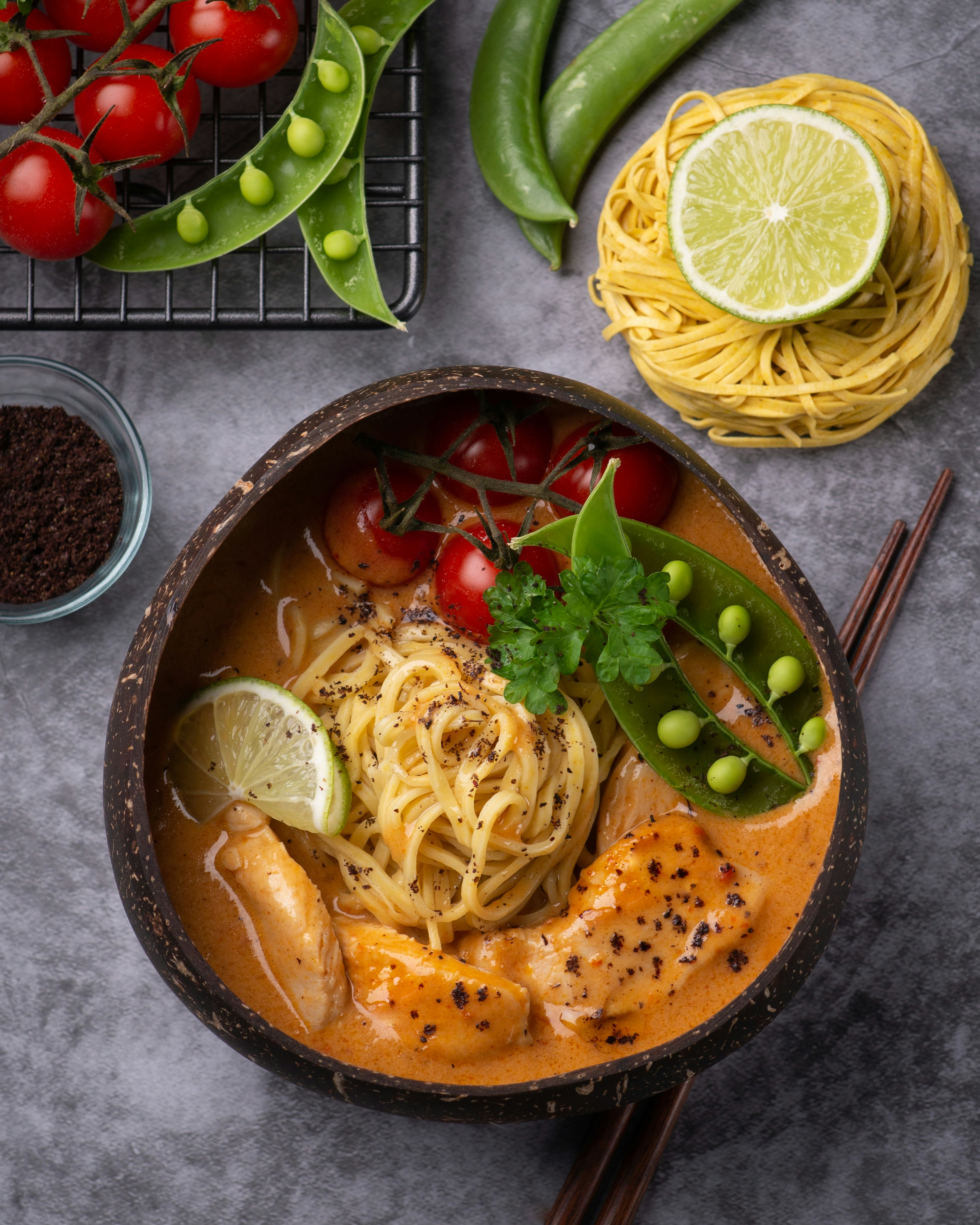
Introduction to Tom Yum Soup
Tom Yum soup, a landmark dish in Thai cuisine, embodies a harmonious blend of flavors that have captivated palates around the world. Originating from Thailand, this soup is traditionally known for its aromatic and bold character, making it a staple in Thai households and restaurants alike. Its name, “Tom Yum,” reflects the cooking method, with “Tom” meaning to boil and “Yum” denoting a mix of spicy and sour flavors. This dish showcases Thailand’s rich culinary heritage and the importance of balancing taste, scent, and presentation.
The significance of Tom Yum soup in Thai culture is profound as it represents the essence of Thai cooking. Highlighting the use of fresh herbs and spices, it embodies a dedication to using local ingredients, which is a hallmark of Thai gastronomy. This soup is not just a meal; it’s an experience of Thailand’s vibrant street food scene, evoking the sounds and scents of bustling markets.
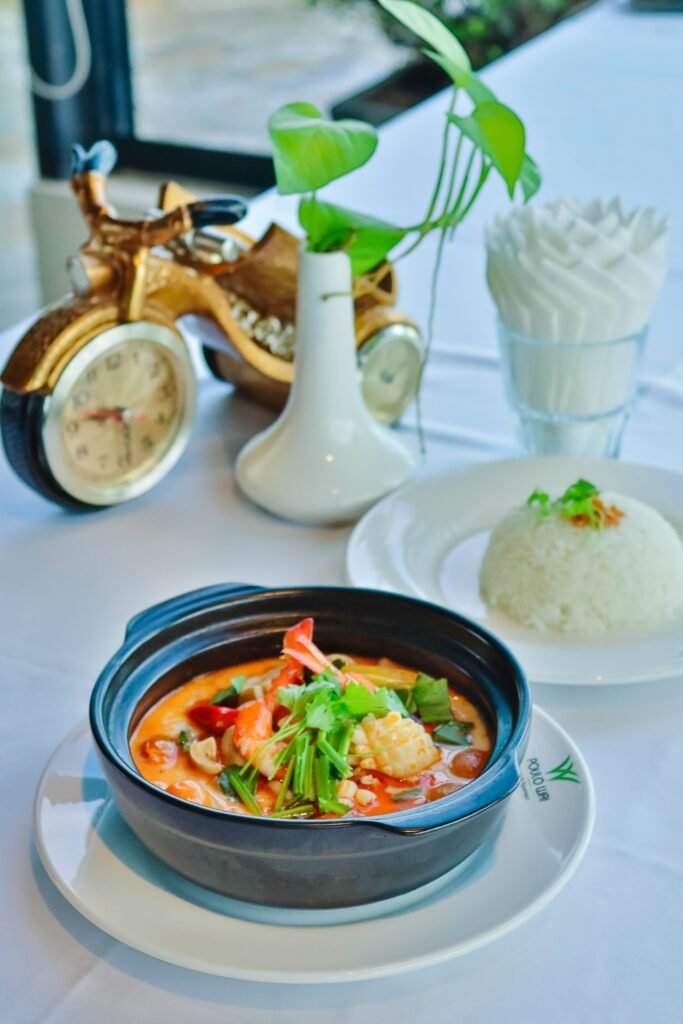
Characteristically, Tom Yum soup is celebrated for its distinctive flavor profile. It achieves a perfect balance of heat, tanginess, and umami, primarily through a combination of key ingredients such as lemongrass, kaffir lime leaves, galangal, and chili peppers. Typically, the addition of shrimp or chicken serves as the protein base, infused into a flavorful broth that’s both invigorating and satisfying. Each ingredient contributes to a symphony of tastes, emerging as a comforting yet exciting dish.
Globally, Tom Yum soup has earned its place as an iconic representation of Thai cuisine. From fine dining establishments to casual eateries, its popularity continues to spread, drawing food enthusiasts eager to explore the vibrant flavors. This inherent versatility allows it to cater to a variety of dietary preferences and adaptations, further solidifying its status as a beloved dish in culinary landscapes worldwide.
Essential Ingredients for Tom Yum Soup
Tom Yum soup is renowned for its bold flavors, a delightful combination of sour, spicy, and savory notes, which stem from a harmonious blend of essential ingredients. Each component contributes uniquely to the overall flavor profile.
The base of Tom Yum soup is typically made with lemongrass, providing a fragrant, citrusy aroma. Lemongrass is usually crushed or cut into segments to release its essential oils, enhancing the dish’s freshness. Kaffir lime leaves are another vital ingredient, imparting a distinct and refreshing lime flavor that complements the herbs found in the soup.
Galangal, a close relative of ginger, brings an earthy, peppery taste essential to the authenticity of the soup. It is often sliced into thin pieces, allowing its flavor to infuse the broth. Together with these aromatic elements, Thai bird’s eye chilies provide the necessary heat, with their small size packing a significant punch.
The broth is typically made with chicken or vegetable stock, but for flavor enhancement, it is common to use either fish sauce or sodium soy sauce. Fish sauce, in particular, adds a savory umami depth, balancing out the soup’s acidity beautifully. To achieve the signature sourness, lime juice is added, which can be adjusted based on personal taste preferences.
In terms of protein options, traditional Tom Yum soup frequently incorporates shrimp for a seafood-based version, but chicken is equally popular. For a vegetarian alternative, tofu can be utilized, providing a similar texture while aligning with plant-based diets. Additionally, substitutes such as fish or other shellfish can be experimented with to suit individual palates.
In conclusion, the essential ingredients for Tom Yum soup work collaboratively to create a rich and inviting dish, easily adjustable to meet various dietary preferences while still preserving its traditional taste profile.
Preparing the Broth
To create a truly authentic Tom Yum soup, beginning with a flavorful broth is essential. A rich and aromatic base transforms the soup into a delightful experience. The key to achieving this lies in the use of fresh, high-quality ingredients such as lemongrass, galangal, and kaffir lime leaves. Each of these components contributes distinct flavors that define this iconic Thai dish.
Start by preparing your aromatics. Take a few stalks of fresh lemongrass, trim off the dry ends, and remove the outer tough layers until you reach the tender core. The white to light green part is primarily used for the broth. Lightly bruise the stalks with the back of a knife to release their essential oils, enhancing the infusion into the broth.
Next, focus on galangal, a rhizome similar to ginger but with a unique flavor profile. Peel and slice the galangal into thin coins to maximize its aromatic qualities. Adding this to your broth creates a depth of flavor that is quintessential to Tom Yum. Lastly, incorporate kaffir lime leaves; they bring a citrusy brightness that complements the other ingredients. Gently tear the leaves before adding them to the pot to unlock their essential oils.
In a pot, combine these prepared ingredients with water or stock and bring to a gentle simmer. The infusion process typically takes about 20 to 30 minutes to allow the flavors to meld beautifully. As the broth simmers, it will develop an enticing fragrance indicative of traditional Thai cooking. Strain the broth to remove the solids, leaving a clear, flavorful liquid that serves as the foundation for your Tom Yum soup.
This homemade broth not only elevates the taste of your soup but also embodies the spirit of preparing Tom Yum from scratch. With these fresh ingredients, you will create an authentic culinary experience that pays homage to Thai cuisine.
Adding Proteins and Vegetables
To create an authentic Tom Yum soup, one must consider the balance of proteins and vegetables in the dish. Popular choices for the protein component include shrimp and chicken, both of which complement the spicy and sour flavors characteristic of this Thai classic. If using shrimp, opt for fresh or deveined shrimp. You can add the shrimp directly into the simmering broth, allowing them to cook until they turn a vibrant pink, which typically takes about 2-3 minutes. Overcooking shrimp can lead to a rubbery texture, so it is crucial to monitor them closely.
When using chicken, it is advisable to slice it thinly or dice it to ensure that it cooks evenly. Chicken breast or thighs work well in Tom Yum soup, and you should allow it to simmer in the broth until fully cooked through, roughly 5-7 minutes, depending on the thickness of the pieces. For both proteins, consider adding them toward the end of the cooking process to maintain their flavors and textures.
Alongside these proteins, vegetables such as mushrooms and cherry tomatoes add depth to the soup’s profile. Mushrooms, particularly types like straw or enoki, not only provide an earthy taste but also enhance the overall umami experience. It is best to slice the mushrooms into thin pieces and add them to the broth around the midway mark, giving them approximately 4-5 minutes to soften without losing their integrity.
Cherry tomatoes can be halved and introduced towards the end of cooking, allowing them just enough time to soften slightly while still maintaining their shape and fresh flavor. These additions create a balanced composition that complements the broth’s spiciness. Timely additions and careful monitoring of cooking durations ensure a harmonious blend of proteins and vibrant vegetables in your Tom Yum soup.
Seasoning the Soup
To create an authentic Tom Yum soup, seasoning is crucial as it brings the perfect balance of flavors—sour, salty, and spicy. Understanding how to utilize key ingredients like fish sauce, lime juice, and chili paste can elevate your soup to an exceptional level. The foundation of the seasoning process begins with fish sauce, which provides a salty umami flavor that is integral to Thai cuisine. Typically, a tablespoon is a good starting point for a pot serving four. Taste as you go, adjusting the quantity to fit your preference.
Lime juice is essential for achieving the characteristic sourness of Tom Yum. Freshly squeezed lime juice should be added towards the end of cooking to retain its vibrant flavor. Begin with the juice of half a lime, then taste your soup and incrementally add more if you desire a stronger sour profile. The depth of sourness can vary based on the ingredients used, so adjust according to your palate.
Incorporating chili paste is another critical step to infuse heat into the soup. Thai chili paste, or Nam Prik Pao, traditionally adds both spice and a hint of sweetness. Start with a teaspoon, and consider adding more if your preference leans towards a spicier dish. Remember, balance is key; not too much spice should overpower the refreshing sourness and saltiness.
For those who enjoy a sweeter hint, a touch of sugar can create that perfect equilibrium among the flavors. On the other hand, tailoring the soup to individual tastes may require adjusting any of these ingredients—each cook has their unique touch.
Final Touches: Garnishing and Serving
When it comes to serving an authentic Tom Yum soup, the final touches can significantly elevate both its presentation and flavor. Garnishing is key in showcasing the vibrant elements of this traditional Thai dish. A sprinkle of freshly chopped cilantro not only adds a burst of color but also enhances the herbal notes of the soup. Alongside cilantro, finely sliced green onions bring a gentle crunch and mild flavor that complements the bold spices used in the broth.
Lime wedges are essential when serving Tom Yum soup, as a squeeze of fresh lime juice right before consumption brightens the soup and elevates its aromatic qualities. The acidity of the lime pairs excellently with the heat of the chilies, creating a balanced taste profile that is characteristic of this beloved dish. Consider providing a small dish of fried garlic as well; this crispy garnish adds a layer of texture and an additional depth of flavor to the soup.
Regarding the optimal serving temperature, Tom Yum should be served hot, allowing the flavors to meld beautifully while maintaining its inviting aroma. A traditional accompaniment to this soup is steamed jasmine rice, which serves not just as a side but also helps temper the soup’s spiciness. The rice can be served on the side or placed directly into the bowl, depending on personal preference.
In summary, the garnishing options and serving style play a crucial role in providing an authentic dining experience. By thoughtfully incorporating ingredients like cilantro, green onions, lime wedges, and crispy garnishes, you can enhance the overall presentation and delight your guests with every bowl of Tom Yum soup.
Common Mistakes to Avoid
When embarking on the journey of making Tom Yum soup, beginners often encounter several common pitfalls that can affect the overall flavor and authenticity of this iconic dish. To ensure a successful culinary experience, it’s crucial to identify these mistakes and learn how to avoid them.
One frequent mistake is the improper preparation of ingredients. Freshness is key in Thai cuisine, and using stale or low-quality components can drastically alter the soup’s taste. Always opt for fresh herbs, particularly lemongrass and kaffir lime leaves, which deliver the characteristic fragrance and complexity of Tom Yum. Additionally, make sure to slice the ingredients uniformly to allow for even cooking.
Another misstep is neglecting the balance of flavors, which is quintessential in Tom Yum soup. Beginners may focus too heavily on one aspect, such as heat or sourness, potentially resulting in an imbalanced dish. For a harmonious flavor profile, it is essential to incorporate the right ratios of lime juice, fish sauce, and chili paste. Testing and adjusting these elements in small increments will lead to a better-tasting result.
Moreover, many novice cooks underestimate the importance of allowing the broth to simmer adequately. A short cooking time will result in a less rich and flavorful broth, lacking the depth that makes Tom Yum soup so distinctive. Allowing the broth to simmer ensures that the flavors meld beautifully and that the aromas intensify.
Finally, beginners should be cautious with garnishing. A common oversight is to skip fresh herbs, such as cilantro or Thai basil, which not only elevate the presentation but also contribute essential flavors. Adding them just before serving ensures they retain their vibrant color and fresh taste. By evading these mistakes, beginners can enhance their culinary skills and enjoy a delightful bowl of authentic Tom Yum soup.
Health Benefits of Tom Yum Soup
Tom Yum soup is not only renowned for its bold flavors but is also celebrated for its numerous health benefits. This traditional Thai dish is primarily made with ingredients such as lemongrass, galangal, lime leaves, and chilies, each of which contributes to its nutritional profile. For instance, lemongrass is known for its antibacterial properties and aids in digestion, while galangal has anti-inflammatory benefits and helps to relieve symptoms of respiratory issues.
Furthermore, Tom Yum soup is rich in antioxidants, which play a crucial role in combatting free radicals in the body. Ingredients like lime juice and chili peppers enhance these antioxidant properties. In particular, the citrusy flavor from lime juice provides a good source of vitamin C, which is essential for maintaining a robust immune system. This makes Tom Yum particularly appealing during the cold and flu seasons when a boost to immunity is highly desirable.
Culturally, Tom Yum soup is often regarded as a remedy for colds and flu in Thailand. Its warming properties, paired with the spicy heat from chilies, can help clear nasal congestion and soothe sore throats. Additionally, the hydration from the broth can contribute to overall health and wellness, promoting recovery during periods of illness. The rich combination of spices, herbs, and seafood not only creates a profound flavor experience but also provides a nourishing option for those seeking healthier meal alternatives.
In essence, the healthful ingredients and cultural significance of Tom Yum soup make it more than just a delicious meal. It embodies a wealth of therapeutic qualities that can benefit both physical health and emotional well-being.
Conclusion and Encouragement
As we reach the end of our authentic Tom Yum soup recipe journey, it is essential to reflect on the simplicity and accessibility that this dish offers for beginners in the culinary world. With its vibrant flavors and aromatic ingredients, Tom Yum soup stands out as a fantastic introductory recipe for those looking to dive into the art of Thai cuisine.
Creating Tom Yum soup at home is not only an enjoyable experience but also an opportunity to explore the delightful balance of spicy, sour, and aromatic elements that characterize this beloved dish. By following the steps outlined in the recipe, novice cooks will find that they can recreate authentic flavors with relative ease. Whether using shrimp, chicken, or tofu, the versatility of Tom Yum soup allows for experimentation with different ingredients, making it appealing for various dietary preferences.
We encourage you to gather your ingredients and give this recipe a try in your kitchen. Embrace the process of cooking and savor the rewarding feeling that accompanies crafting a homemade version of this iconic soup. Additionally, we invite you to share your experiences, adaptations, or personal twists on the recipe with us. By doing so, you contribute to a community of cooking enthusiasts who appreciate authentic flavors. Remember, each attempt, whether perfect or imperfect, is a valuable step in your culinary journey.
In conclusion, making Tom Yum soup is not merely about following a recipe; it is about leading yourself into a culinary adventure filled with rich tastes and delightful aromas. So, roll up your sleeves, and let’s bring a piece of Thailand into our homes through this delicious soup!